REVIEW · MOUNT ETNA TOURS
Etna 3000m
Book on GetYourGuide →Operated by Lemontour Catania · Bookable on GetYourGuide
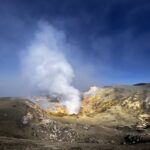
Etna’s up near 3000m, and it feels unreal. This tour gets you into active summit terrain where you can spot steam and degassing around the crater zone, depending on conditions. One key reality check: for safety, you reach a maximum of 2750m, even though the day is marketed as Etna 3000m.
I really like that the day is built like a full “Etna geology sampler”: you get up high, then you come back down to learn with a guided lava cave visit and a tasting of typical products. The trade-off is simple: the cable car ticket is not included, so you’ll want to budget the extra cost up front.
In This Review
- Key things to know before you go
- Etna 3000m: what you’re really signing up for (2750m max)
- Price and logistics: the €86 cable car add-on is the big number
- From Catania to the mountains: how the morning timing usually feels
- Sapienza refuge and the cable car handoff: where time can stretch
- Summit craters and the “lunar” feeling: what you’re likely to see
- The short trek at altitude: doable, but come prepared
- Lava cave visit: small, but different kind of payoff
- Typical products tasting: where local flavor fits the volcanic theme
- Guides and drivers: why the day feels good or just OK
- Weather and cloud: how to protect your expectations
- Who should book this Etna 3000m tour (and who shouldn’t)
- Should you book Etna 3000m?
- FAQ
- Is the cable car ticket included in the tour price?
- How high do we go during the tour?
- How long is the experience?
- What does the tour include?
- What languages are available for the live guide?
- What should I bring, and is it suitable for everyone?
- Should you book this Etna 3000m tour?
Key things to know before you go
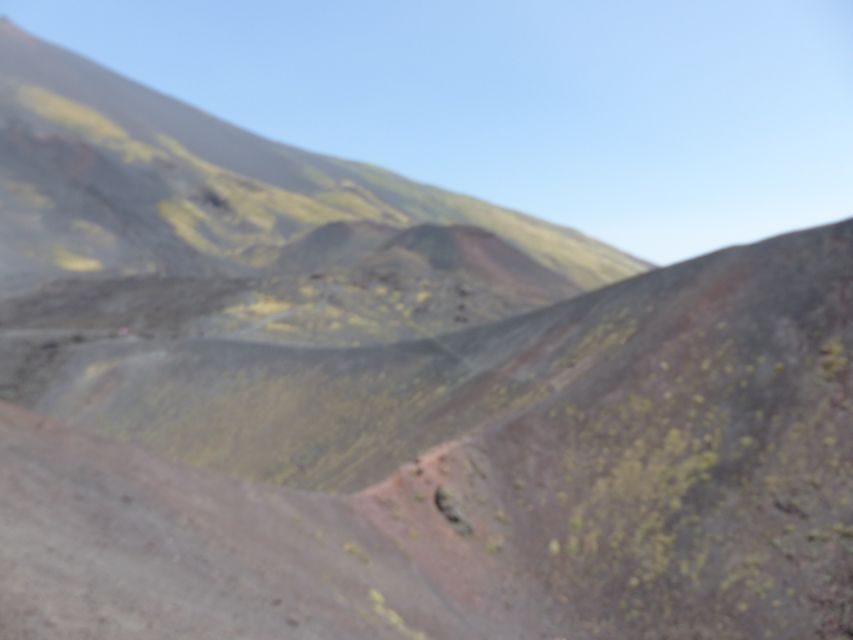
- It’s not a true 3000m summit day: safety limits you to 2750m max.
- Cable car is separate: you buy the ticket on the day (adult price is €86).
- You may see active signs, but visibility rules everything: steam and degassing are the goal; low cloud can spoil views.
- You’ll switch vehicles mid-day: cable car to 2500m, then an Etna bus to 2750m.
- The best part is the guide quality: certified crews like Enrico, Marco, and Sylvia can change the mood from rushed to fun.
- The cave stop is short: some people love it for geology; others find it small.
Etna 3000m: what you’re really signing up for (2750m max)
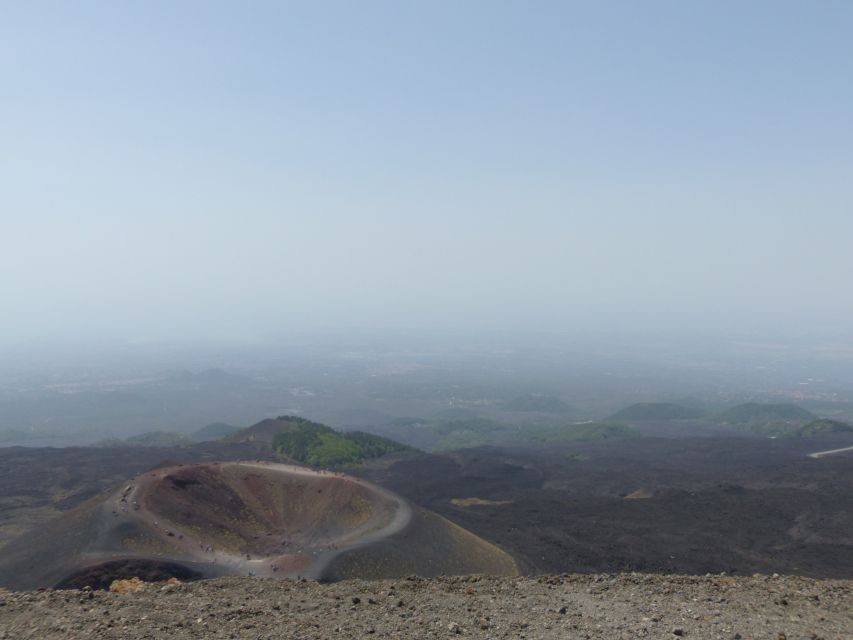
The marketing says Etna 3000m, but the practical target is 2750m. That’s for safety, and it shows up clearly in how the day is run. You start the morning with a morning transfer and then build up altitude in stages rather than trying to jump straight to the top.
Here’s the basic structure. Cable car leaves you at 2500m, and then an Etna bus takes you the rest of the way to 2750m. You also spend time around the Sapienza refuge area, which matters because it’s where the itinerary pivots and where you’ll get your cable car ticket.
If your main dream is seeing the summit craters up close, this is still a strong day. You’re going high enough to feel the altitude shift and see the volcanic setting in the open air. Just go in expecting that the last meters depend on conditions and safety limits.
Other Mount Etna tours we've reviewed in Catania

Price and logistics: the €86 cable car add-on is the big number
Your tour price is $79 per person for the 5-hour experience, and it includes pick-up and transfer service. The big thing you should plan around is that the cable car ticket is not included.
The cable car ticket costs €86 for adults and €50 for children up to 10, and it includes the cable car, an off-road bus, and a volcanological guide. That matters because you’re paying two layers: your tour covers the transfer and guiding support, while the official summit access ticket covers the mountain-side components.
So is it good value? In my view, yes if you’re serious about Etna’s crater zone and you don’t want to manage the day on your own. But if you’re price-sensitive, you should do a quick math check first: $79 plus the cable car ticket is where your real budget lands.
Also note this: the tour doesn’t include food and drinks. That’s not a dealbreaker, but it does mean you should plan what you’ll eat and whether you want to buy something on the way rather than assume it’s provided.
From Catania to the mountains: how the morning timing usually feels
The tour runs about 5 hours, with morning timing that’s set up for the crater schedule. Pickup in Catania city and surrounding areas is listed around 9:00–9:15AM, and the departure is listed as 8:30. That mismatch can be confusing on paper, and one practical tip is to be ready a bit earlier than you think.
The day is designed around mountain access, not a slow city-style start. So you want to be organized before you’re picked up: closed-toe shoes ready, water sorted (even if food is not included), and a phone charged for navigation and photos.
One more point for sanity: if you’re based outside Catania city in Catania province, you may need a separate local transfer arrangement. That’s worth confirming early so you don’t get caught assuming pickup is automatic everywhere.
Sapienza refuge and the cable car handoff: where time can stretch
Sapienza refuge is where the day becomes very “on the mountain.” It’s also where you receive your cable car ticket, and it’s the hinge point for the rest of the ascent.
From there, the cable car takes you up to 2500m. After that, you shift to the Etna bus for the final climb up to the 2750m limit. It’s not just a travel change. It’s how you gain time in the right place: crater-area access with less waiting than if you were trying to piece it together alone.
This is also the part of the day where weather or system delays can change your experience. One guide approach that stands out is how the crew keeps the plan flexible. For example, Enrico is described as professional and passionate while adjusting when cable car height doesn’t match expectations. The key takeaway for you: if the mountain changes the schedule, a good guide makes the difference between a wasted day and a usable one.
Summit craters and the “lunar” feeling: what you’re likely to see
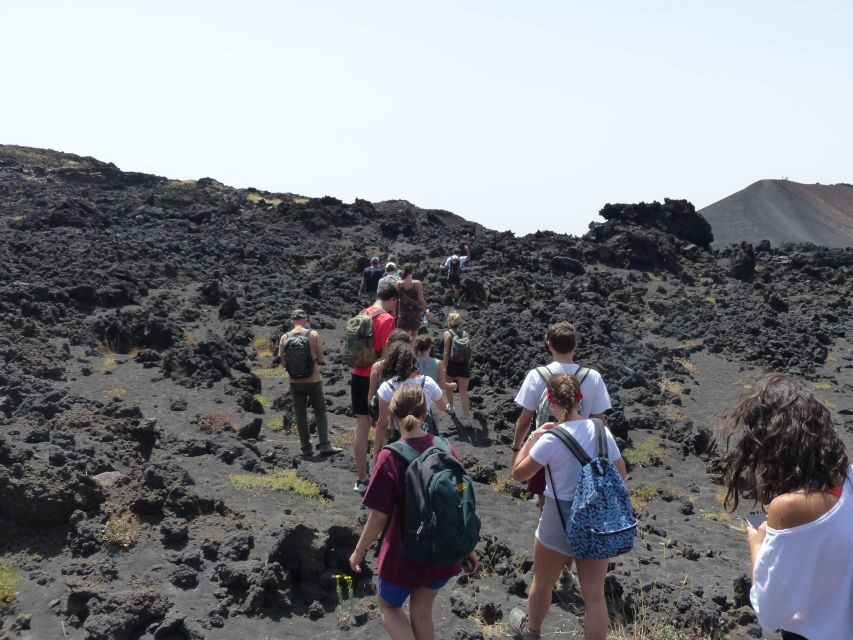
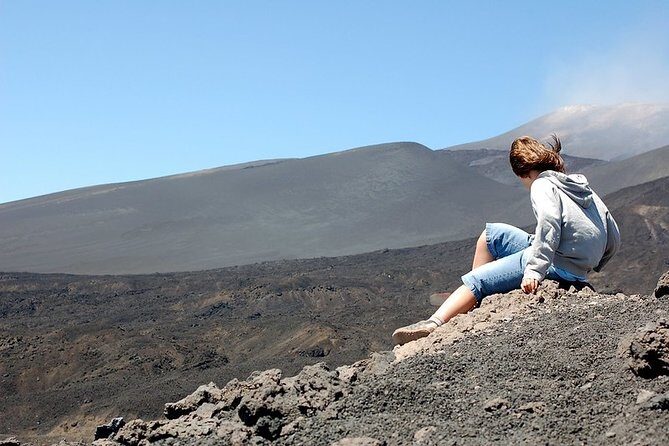
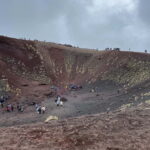
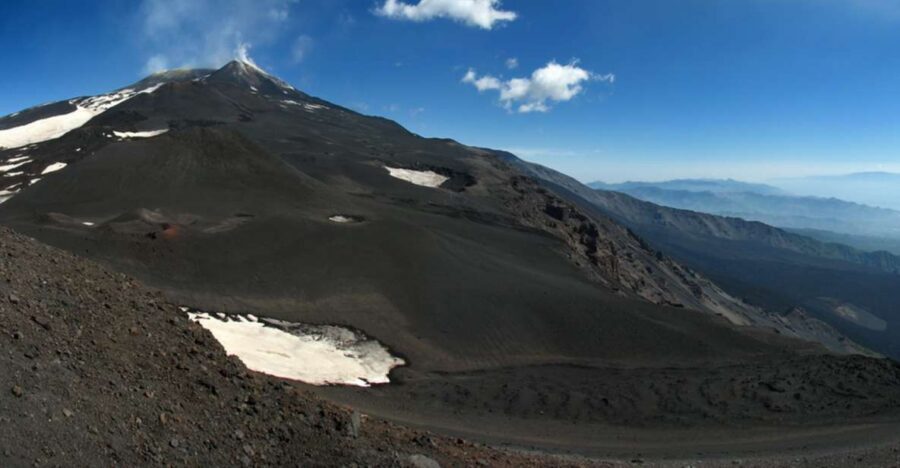
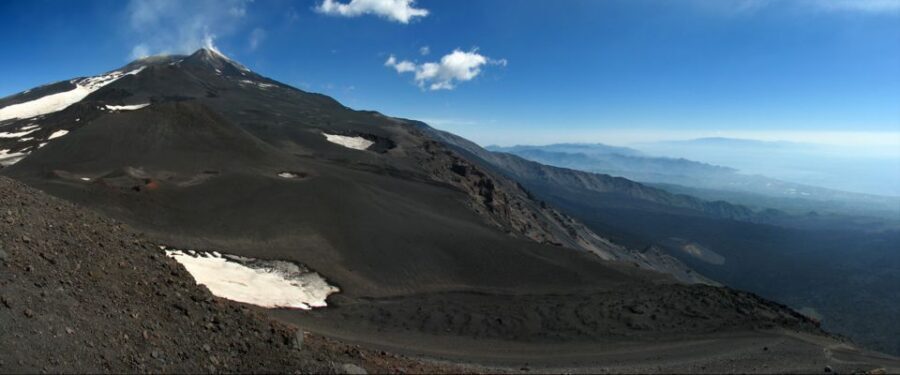
The tour’s main draw is the active crater zone. You’re aiming for steam, degassing, and the kinds of small activity that can include small explosions, depending on the day. The view is often described as otherworldly, which makes sense: ash tones, stark ground, and volcanic steam create a scene that feels close to another planet.
What I’d advise you: don’t judge the day by one photo moment. On Etna, the activity can be subtle. Sometimes it’s a visible plume; sometimes it’s a haze of gas; sometimes it’s the change in terrain that sells the scale. You’re going for the full “volcano is alive” feel, not only one dramatic event.
Keep your expectations flexible. If low cloud rolls in, you may lose the chance to see the volcano clearly from a distance. There are days when the guide can only do so much, and visibility becomes the real limiter. In those cases, the best outcome is still learning and staying engaged while you wait for conditions to improve, if they do.
The short trek at altitude: doable, but come prepared
The experience includes trekking accessible to all for about 2000 mt. That phrasing suggests a walking component intended to be approachable, not an extreme mountaineering route. Still, you should treat it as a hike at altitude, because even a “manageable” walk can feel different when you’re near 2750m.
Closed-toe shoes are required, and they’re also your smartest choice even if you think you only need sandals. The volcanic terrain can be dusty and uneven. Good traction keeps you comfortable and reduces stress when you’re already working with time limits.
Also, don’t ignore the altitude warning. The tour is not suitable for people with altitude sickness. If you’ve had symptoms before in the mountains, take that seriously. Etna’s height is real even when the top is limited by safety rules.
Lava cave visit: small, but different kind of payoff
After the crater-zone portion, you switch gears with a lava cave visit. It adds a second angle to the story of Etna: not just the present activity, but the volcanic plumbing underneath.
One important nuance: the cave stop is described as small, and for some it doesn’t feel like the biggest highlight. For others, it’s exactly the right contrast after hours in open air. If you like geology, the cave visit can make the day click. You’ll start thinking less about only what’s above and more about what Etna builds and stores.
Think of it as a “short add-on” rather than the main event. It’s still included, and the timing usually slots in well if your crater views get affected by cloud or delays.
Typical products tasting: where local flavor fits the volcanic theme
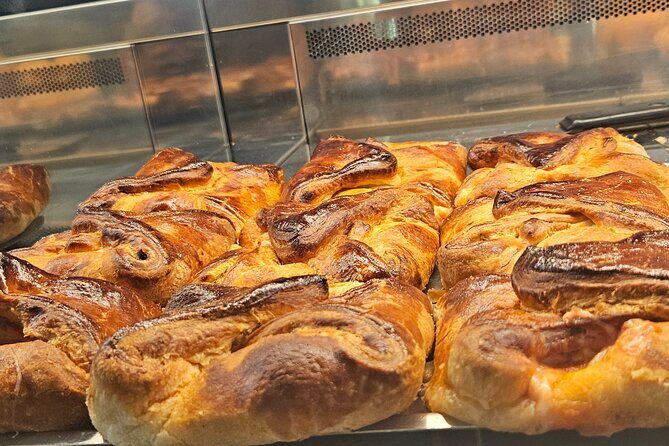
You also get a tasting of typical products. This is the part that balances the science side with something you can actually take home in your memory and your stomach.
I like tastings that feel like they’re part of the regional rhythm, not a random supermarket stop. Here, it fits the day because it’s a simple way to connect Etna’s volcanic identity to Sicilian food culture—especially after hours where you’ve only been thinking about ash color and steam.
If you have dietary needs, the data here doesn’t list specifics. So if you’re sensitive, I’d treat it as a “check with the guide on the day” situation rather than assuming options.
Guides and drivers: why the day feels good or just OK
What makes this tour stand out most isn’t the headline altitude. It’s the people running the day.
Guides and drivers are listed as certified, and the guide narration is repeatedly a highlight. Enrico is described as professional, with scientific insight and a touch of humor that keeps the group engaged. Marco is mentioned as knowing the local area well, staying attentive, and making extra stops for curiosity. Sylvia is described as super passionate, which is the sort of vibe you want on a volcano day.
Here’s the practical translation for you: a crater tour can go sideways fast when the mountain has plans of its own. A strong guide helps you shift focus, follow timing, and still get value out of the cave visit and the tastings. That’s what you should look for when choosing any Etna excursion, because volcano weather can be unpredictable.
Weather and cloud: how to protect your expectations
On Etna, the weather doesn’t just change comfort. It changes what you can see.
Low cloud can erase distance views, and on those days you might not get the full visual goal. One experience highlights exactly this issue: visibility was minimal, and the cable car to the top wasn’t possible. That’s not something a company can control, but your decision-making can reduce disappointment.
My advice: dress for variability and keep your mindset flexible. Plan the day as a mix of crater-area time plus education and a couple of built-in stops. If conditions cooperate, great. If not, you still get the core structure of an Etna outing rather than a dead-end.
Who should book this Etna 3000m tour (and who shouldn’t)
You’ll likely love this tour if you want an organized way to reach high-altitude volcanic sites from Catania, and you prefer guided interpretation over self-guided guesswork. The pick-up makes it easy, and the mix of crater area, cave, and food gives the day variety.
This also makes sense if you enjoy science explanations told in plain human terms. A good guide can turn steam and degassing into something you actually understand, not just something you watch.
Skip it if you deal with altitude sickness. Also, if you know you need a perfectly timed, calm day with zero uncertainty, you may find that volcano weather adds friction.
Finally, about the van comfort: there’s a mention of a rickety vehicle feeling a bit scary in fog. That doesn’t mean every vehicle is the same, but it’s a reminder to sit where you feel stable and to ask the guide anything that will calm your nerves before you start climbing.
Should you book Etna 3000m?
Book it if your priority is a guided, structured Etna day with crater-area access near 2750m, plus a lava cave and a local tasting. The value works best when you accept the cable car ticket as part of the real cost and when you’re okay with weather affecting visibility.
Think twice if you’re highly view-dependent, because low cloud can seriously limit what you see. And if altitude has ever made you sick, don’t gamble—this tour is explicitly not suitable for altitude sickness.
FAQ
Is the cable car ticket included in the tour price?
No. The cable car ticket is not included. It costs €86 for adults and €50 for children up to 10 years, and it includes the cable car, off-road bus, and a volcanological guide.
How high do we go during the tour?
For safety reasons, the maximum height you can reach is 2750 meters. The cable car leaves you at 2500 meters, and then an Etna bus takes you to 2750 meters.
How long is the experience?
The duration is about 5 hours.
What does the tour include?
It includes pick-up and transfer service. The day also includes time up at altitude and stops such as a lava cave visit and a tasting of typical products.
What languages are available for the live guide?
The live tour guide is available in French, English, Italian, and Spanish.
What should I bring, and is it suitable for everyone?
Bring closed-toe shoes. It is not suitable for people with altitude sickness.
Should you book this Etna 3000m tour?
If you’re planning your Sicily days around Etna, I’d book this for the way it bundles high-altitude crater access with hands-on additions like a lava cave and local tastings. Just budget for the cable car ticket, go with flexible expectations about cloud, and prioritize a day that includes a guide who can keep the story going even when the mountain shifts the schedule.