REVIEW · BAROQUE TOWNS OF SICILY
From Naxos: Syracuse, Noto, and Catania Baroque Tour
Book on GetYourGuide →Operated by Discover sicily with mario · Bookable on GetYourGuide
Three Sicilian cities, one smooth day. That’s the real draw of this Syracuse, Noto, and Catania Baroque Tour: you get the big-name sights without the headache of arranging stops and transfers yourself. I especially love the contrast between ancient stone in Syracuse and the sugary, dramatic Sicilian baroque look in Noto and Catania.
What I like most is how the day is built around walking the heart of each place. You’ll see Syracuse’s Neapolis archaeological zone (including the Greek Theatre, the Ear of Dionysius, and the Latomie), then switch to Ortigia’s temples and fountains, and finish with a panoramic sweep of Catania down Via Etnea toward Santa Agata Cathedral.
One consideration: the cities are not fully guided end-to-end. You typically get about 1–2 hours to explore on your own once you arrive, so you’ll want comfy shoes and a quick game plan (the guide’s pointers help a lot).
In This Review
- Key takeaways before you go
- Why Syracuse, Noto, and Catania in one 8-hour day works
- First Stop: Neapolis in Syracuse and the Greek Theatre moments
- Ortigia walk: Temple of Apollo, Duomo square, and Aretusa fountain
- Noto’s baroque story: Porta Reale, St. Francesco staircase, Palazzo Ducenzio
- Catania on Via Etnea: baroque city center and Santa Agata Cathedral
- What the private-group format changes (and why it matters)
- Pacing and the 1–2 hour self-guided windows
- Price and value: is $677 per group reasonable?
- Who this tour suits best (and who should consider other options)
- Should you book the Syracuse, Noto, and Catania baroque day trip?
- FAQ
- How long is the tour?
- What’s included in the price?
- Where does pickup happen?
- Is this tour private?
- Which towns and key sights does the tour cover?
- Do I get time to explore on my own?
- Is the tour wheelchair accessible?
Key takeaways before you go
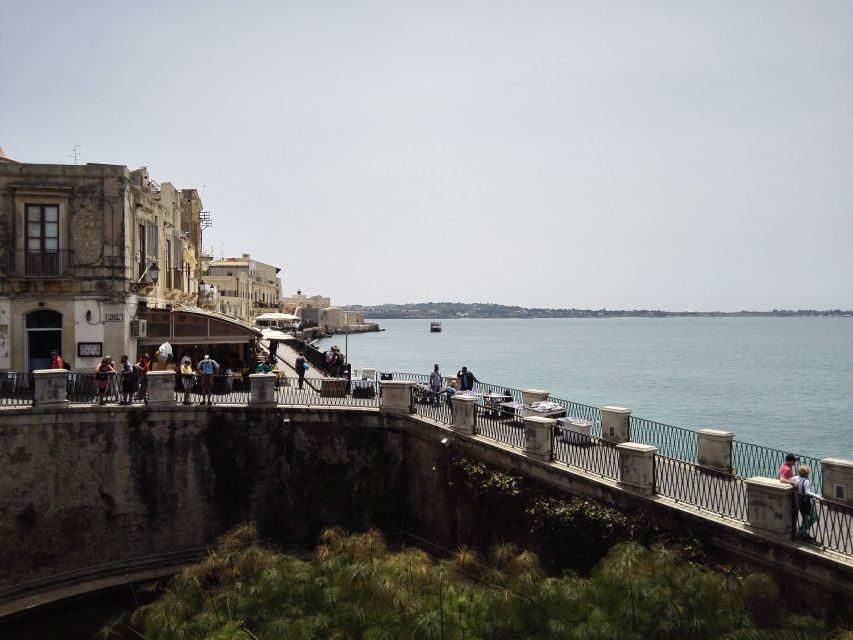
- Neapolis in Syracuse: Greek Theatre, Ear of Dionysius, and the Latomie are the heavy hitters you don’t want to miss.
- Ortigia at walking speed: Temple of Apollo area, Duomo square, and the Aretusa fountain make it feel like a real neighborhood.
- Noto’s baroque set pieces: Porta Reale, St. Francesco’s staircase, and the Cathedral area give you photo-ready symmetry.
- Catania’s Via Etnea approach: a practical way to understand the city without getting lost.
- Private group pacing: pickup and drop-off keep the day from turning into transit roulette.
Why Syracuse, Noto, and Catania in one 8-hour day works
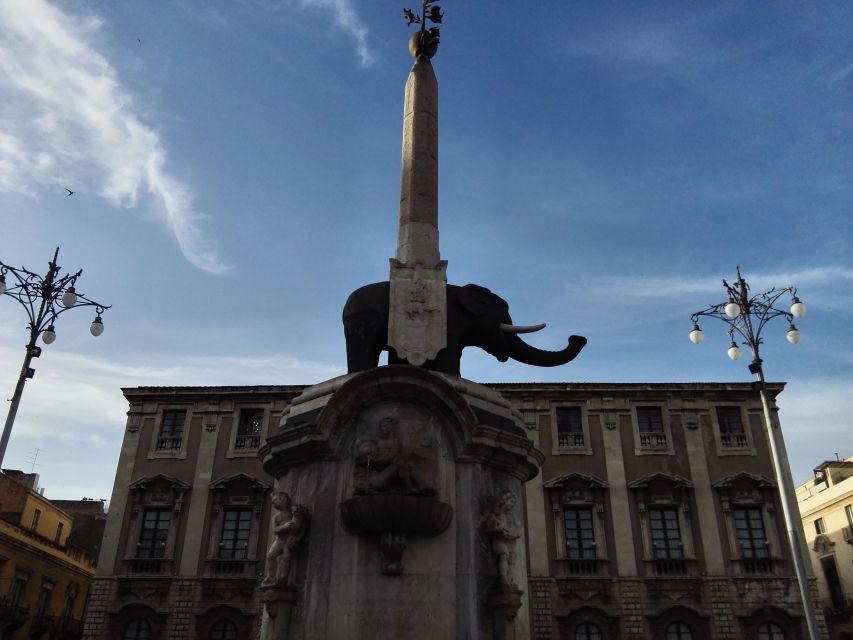
Southeastern Sicily is the kind of region where every town feels different. Syracuse and Ortigia lean ancient—thick history, stone caves, theatrical ruins. Noto turns that dial up to gold-and-white baroque, rebuilt and reimagined in a way that makes streets look planned for walking and viewing. Catania then brings you back to city life with baroque churches and a main boulevard that basically writes postcards for you.
This tour’s value is in the routing. Instead of picking one town and settling, you cover three major stops in one day, with round-trip transport from Catania, Taormina, and Giardini Naxos (starting times vary by availability). For many visitors, that’s the best use of limited time.
And it’s not just sightseeing. A live guide (English and Spanish) helps you connect what you see—why these sites matter, what to look for, and how the different layers of history fit together. In the feedback I’ve seen from previous bookings, guides like Fabio are often praised as accommodating, and Ignazio is specifically noted for steering people toward what matters most once you’re on your own.
Other Taormina day trips from Catania we've reviewed in Catania



First Stop: Neapolis in Syracuse and the Greek Theatre moments
Syracuse starts with Neapolis, the archaeological heart of the city. This is where you shift from modern street-level Sicily to something older than most travel plans.
You’ll visit the Greek Theatre, which is the kind of place where you can almost feel the “setup” of the scene—sightlines, the scale of the seating area, and why this spot was built for performance. If you like theatre history or just like understanding how spaces were designed, this is the anchor stop.
From there, you’ll also see the Ear of Dionysius. It’s famous for a reason: the site is compact, dramatic, and easy to picture even if you don’t know the full backstory. The Latomie (quarries/caverns) are the other big payoff. They’re not just ruins behind a fence; they’re a whole mood—stone walls, echoes, and that eerie “how did they even do this” feeling.
The practical upside of starting with Neapolis is that it’s structured around a concentrated area. You can get your bearings quickly. The drawback is that you’ll want to wear shoes with real grip and plan for uneven ground, especially if the route includes steps.
Ortigia walk: Temple of Apollo, Duomo square, and Aretusa fountain
Ortigia is the postcard version of Syracuse, but in a good way. It feels like a living island town rather than an isolated museum stop. After Neapolis, you’re basically switching from “ancient site” mode to “walk the center” mode.
The highlight here is the Temple of Apollo area. Even when you’re not looking for every detail, it’s a satisfying moment because it ties together the ancient religious past with the everyday movement of the streets around it. Next comes Duomo square, centered on the Cathedral of Saint Mary of the Immaculate Conception. If you like baroque-and-baroque-adjacent religious architecture, this square gives you strong visual anchors fast.
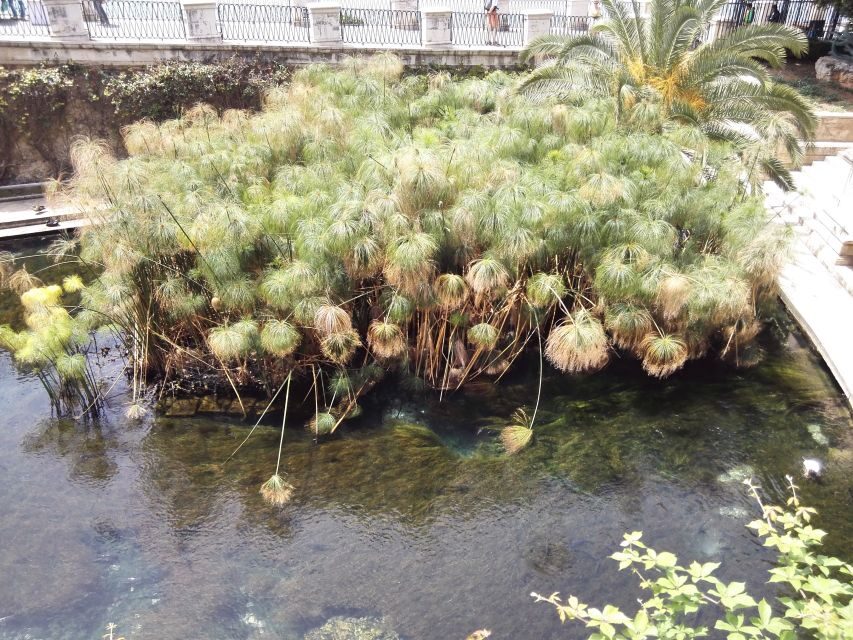
Then there’s the Aretusa fountain, which is one of those places where you pause without meaning to. It’s a practical reminder that Ortigia isn’t only about ruins. It’s about water, public space, and the way people actually use the center.
One tip: because you’ll be walking, this is the segment where you should keep your camera ready and your route flexible. If you’re traveling with a group, it’s also a good time to pair the guided explanations in the beginning with your own “wander time” afterward, so you don’t feel locked into a checklist.
Noto’s baroque story: Porta Reale, St. Francesco staircase, Palazzo Ducenzio
Noto is what happens when a town rebuilds itself with ambition. You arrive and immediately feel the baroque style: clean stone façades, carefully shaped angles, and churches that look like they belong on a theatrical stage.
You start with the Porta Reale, the entry to the baroque city. That alone is useful, because it frames what you’re seeing once you’re inside—Noto wasn’t just randomly pretty. It’s designed as an approach.
Next comes the Church of St. Francesco and its famous staircase. This is the moment where the tour earns its “baroque” label. Even if you’re not an architecture nerd, you’ll understand why it’s photographed constantly: the staircase creates a visual rhythm that pulls your eye upward and outward.
You’ll also have time around Palazzo Ducenzio and the Cathedral. Together, these give you the civic and religious center feeling. Palazzo areas help you see the town as a place where public life happened, not only a place for tourists to stop and look up.
The schedule is tight (because the tour is only 8 hours total), so Noto is where you should prioritize what you care about most. If you’re into architecture, focus on façades and staircases. If you prefer atmosphere, leave a little room for side streets and quiet viewpoints between main stops.
Catania on Via Etnea: baroque city center and Santa Agata Cathedral
Catania can be the hardest city to summarize in one sentence, and that’s exactly why the “panoramic tour” approach works. You get enough orientation to understand the city’s layout and then enough time to connect the dots between the baroque look and modern life.
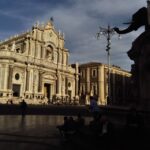
The tour includes a walk or drive along Via Etnea, which is the city’s main spine. This is one of the most practical ways to grasp Catania quickly because it’s a direct line through neighborhoods and landmarks. The baroque buildings along the center are part of the payoff—church fronts, ornate stonework, and that Sicilian habit of putting beauty where you’ll actually pass it every day.
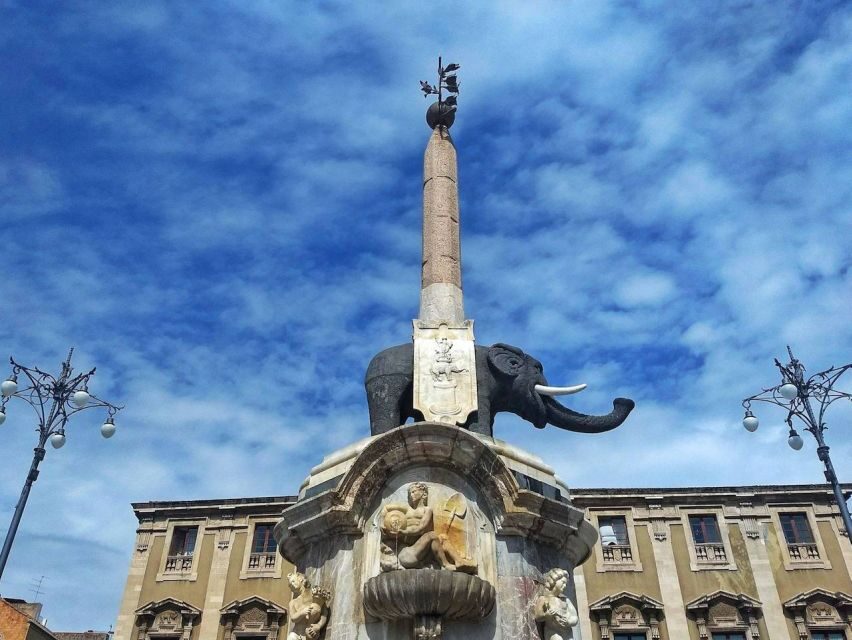
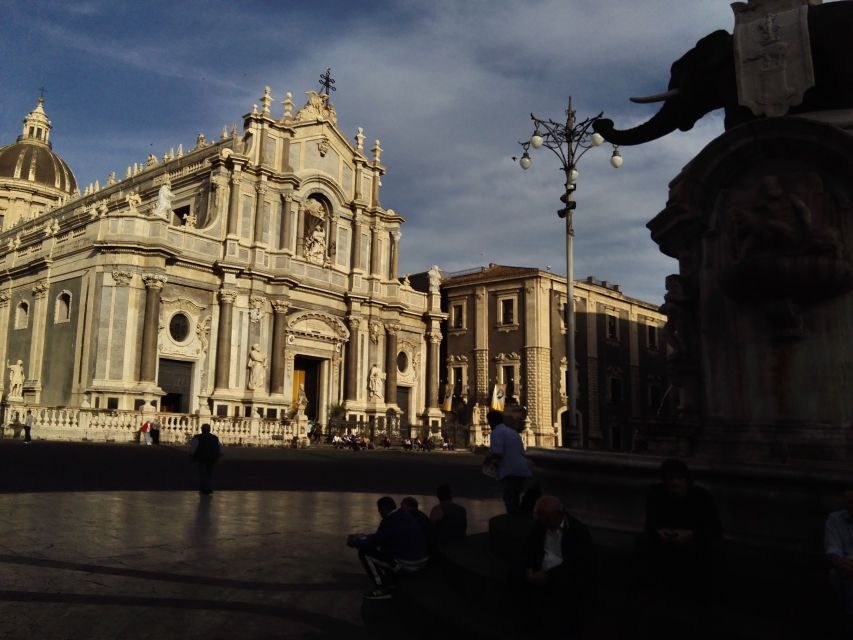
You’ll end at Santa Agata Cathedral, which is a strong final note. It’s a fitting way to close the loop: Syracuse gave you ancient stage and stone caves; Noto delivered baroque form; Catania brings you baroque religious energy in a more urban, lived-in setting.
Because Catania is the last stop, I recommend treating it like your flexible segment. If you’re running behind or your energy dips, you can still get the value by focusing on the main street view first, then choosing how long to linger near the cathedral.
Other Syracuse, Ortigia and Noto tours from Catania we've reviewed in Catania



What the private-group format changes (and why it matters)
This is a private group tour, priced for a group up to 6. That small scale matters more than you might think, especially on a day that includes multiple towns and lots of walking.
First, pickup and drop-off are handled for everyone at an agreed location, which cuts down the usual Sicily stress of meeting points and timing arguments. The driver will be holding a sign with your last name, and you wait in the hotel lobby about 10 minutes before pickup.
Second, your guide can adjust the flow. Even though the city exploration includes time on your own, you still get real guidance: what to look for, what matters, and what’s worth a second glance. The feedback that calls out guides like Fabio and Ignazio usually comes down to this: they make the day easier to navigate, especially once you’re off the bus.
Third, a smaller group can make the “1–2 hours on your own” piece feel less lonely. You’re not constantly waiting on a crowd, and you can decide how to spend time without feeling like you’ll hold anyone back.
Pacing and the 1–2 hour self-guided windows
Here’s the honest rhythm: the tour is guided through key anchor points, but it also gives you time to explore. That’s not a problem by itself—it’s usually what you want in places like Ortigia and Noto, where the best memories come from turning a corner and finding a view.
Still, it changes how you should plan your mindset. Don’t show up thinking you’ll be walked through every street like a scripted museum tour. Instead, treat the self-guided blocks as your chance to apply what the guide told you in the first part of each stop.
In practical terms:
- If you like history, use the guided time to learn what each site represents, then use the free time to locate those details yourself.
- If you like photos, arrive ready to spend a few minutes just setting up shots where the main façades and stair angles line up.
- If you need frequent breaks, pace yourself early, because the overall day is fixed at 8 hours.
Also, keep in mind that pickup points can affect the order of stops. One routing that starts from Giardini Naxos has been known to go to Noto first, then Syracuse, then Catania. Your exact order may vary with your pickup time, so don’t plan a dinner reservation too tightly for later that day.
Price and value: is $677 per group reasonable?
The price shown is $677.54 per group up to 6. On the surface, that’s the kind of number that makes you do the math fast—so here’s what that cost buys you.
You’re paying for:
- A live guide in English or Spanish
- Round-trip transport with pickup and drop-off at agreed points (from Catania/Taormina/Giardini Naxos)
- A focused itinerary hitting three major areas in one day
- A private group setup (not a big bus with a sea of strangers)
- Wheelchair accessibility is listed for this tour
If you were to recreate this with separate tickets, a driver, and guide time, the convenience alone usually pushes you toward paying for a structured tour. The private element matters because it reduces friction. You spend time seeing sites, not negotiating meeting points or changing plans on the fly.
The main reason this might not be the best value for everyone is if you prefer deep, slow city exploration. Since much of each town is self-paced within a limited window, you won’t get the length you might want in one place. But if your goal is to hit the highlights cleanly, this price tends to make sense.
Who this tour suits best (and who should consider other options)
This tour fits best if you:
- Want a high-impact day with Syracuse, Noto, and Catania all covered
- Like mixing ancient archaeology with baroque architecture
- Prefer having a guide explain the important points before you walk on your own
- Travel in a small group, where the private format makes the day feel controlled
You might want a different style of tour if you:
- Plan to spend long hours in museums or want a fully guided stroll for every street
- Need a slow pace with lots of downtime between stops
- Dislike walking in historic centers with uneven streets
Even so, the tour’s structure still helps you get traction quickly. It’s a solid “choose-your-own depth” setup: learn the basics with your guide, then decide how much extra time to give the sites you care about most.
Should you book the Syracuse, Noto, and Catania baroque day trip?
I’d book it if your Sicily time is tight and you want the most famous styles in eastern Sicily without the hassle. The anchor stops are strong: Neapolis in Syracuse (Greek Theatre, Ear of Dionysius, Latomie), then Ortigia’s Temple of Apollo and Duomo square, then Noto’s baroque set pieces like St. Francesco’s staircase, and finally Catania down Via Etnea to Santa Agata Cathedral.
Before you hit reserve, do one reality check: you’re committing to an 8-hour day with some sections where you’re exploring on your own. If that sounds fine—and if you like the idea of using the guide’s tips to navigate your free time—this is a smart way to see a lot and still feel oriented.
If you want, tell me where you’re staying (Catania, Taormina, or Giardini Naxos), and what months you’re going. I can help you think through the order of stops and the most sensible plan for your self-guided time.
FAQ
How long is the tour?
The total duration is 8 hours.
What’s included in the price?
It includes round-trip pickup and drop-off at agreed places, plus a live tour guide (English and Spanish).
Where does pickup happen?
Pickup is offered from Catania, Taormina, and Giardini Naxos. You’ll wait in the hotel lobby about 10 minutes before the scheduled pickup time, and the driver holds a sign with your last name.
Is this tour private?
Yes, it’s a private group tour.
Which towns and key sights does the tour cover?
You’ll visit Neapolis in Syracuse (including the Greek Theatre, Ear of Dionysius, and Latomie), walk in Ortigia (Temple of Apollo area, Duomo square Cathedral of Saint Mary of the Immaculate Conception, and Aretusa fountain), explore Noto (Porta Reale, St. Francesco Church and staircase, Palazzo Ducenzio, and the Cathedral area), and see Catania along Via Etnea ending at Santa Agata Cathedral.
Do I get time to explore on my own?
Yes. Once you arrive at the towns, you typically get about 1–2 hours to visit on your own, using the guide’s pointers for what to focus on.
Is the tour wheelchair accessible?
Wheelchair accessibility is listed for this experience.