REVIEW · ETNA SUMMIT TREKS
Catania: Summit Craters from North Etna with 4×4 vehicles
Book on GetYourGuide →Operated by GRUPPO GUIDE ETNA NORD di RAGONESE BIAGIO & C sas · Bookable on GetYourGuide
Etna’s summit craters feel close. This North Etna hike earns top marks for panoramic views and specialized guidance as you walk toward the Central Crater, spotting gas vents and sulphur tones up at 3,300m; the catch is it’s a real hike with steep bits and altitude wind, so you need solid fitness.
I like how the day balances effort with meaning. You start at Piano Provenzana in the morning, get lifted by off-road 4×4 to the Observatory, then switch to on-foot trekking across a lunar-like volcanic path.
One more thing to consider: this isn’t built for people who struggle with breathing, heart issues, or pregnancy, and it runs only when conditions cooperate. If you’re sensitive to exertion, read this before you book.
In This Review
- Key highlights you’ll actually feel on the ground
- North Etna Summit Craters: the part you came for
- The 8:00am start at Piano Provenzana and why the 4×4 matters
- The trek to 3,300m: lunar ground, 5km sideways, and a real uphill climb
- Summit Central Crater at the edge: fumaroles and sulphur you can see
- The descent: sandy channels and spotting volcanic details
- Price and value: what you get for about $67.97 plus the €60 4×4 ticket
- What gear and clothing actually matter at 3,300m
- Who this tour suits (and who should skip it)
- Practical itinerary walkthrough: what each stop feels like
- Should you book the North Etna summit craters hike?
- FAQ
- Where is the meeting point?
- How long does the tour last?
- What’s the route like once you reach the Observatory?
- Is the 4×4 ticket included in the price?
- What gear does the tour provide?
- What fitness or health limits should I know about?
Key highlights you’ll actually feel on the ground
- Small group (max 10): more time with your guide and less crowd noise near the craters.
- A 4×4-assisted start: you save energy for the higher, steeper walking.
- 500m total uphill climb: around 1h30 up, then about 1h30 back down.
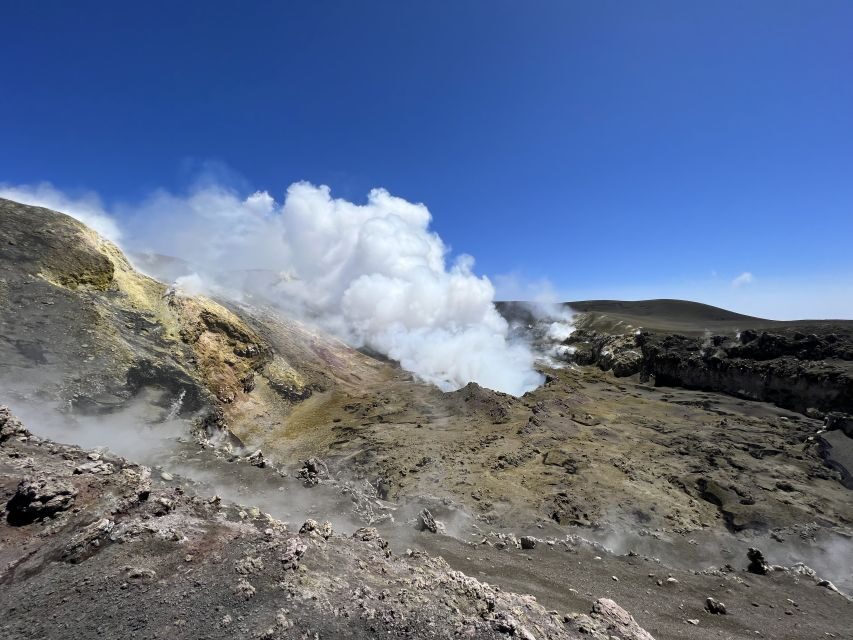
- Summit Central Crater at ~3,300m: gas emission spots, fumaroles, and bright sulphur minerals.
- Descent through a sandy channel: a different kind of volcanic terrain, not just a repeat walk back.
- Wind at altitude: even in summer, plan for cold air and gusts up top.
North Etna Summit Craters: the part you came for
North Etna is quieter than the classic front-row volcano routes. That matters, because the summit area is where Etna stops being an idea and becomes a place you can read with your eyes. From the highest viewpoints on this route, you get wide, open horizons and a real sense of height—especially after the 4×4 takes you up and you’re no longer trudging from sea-level effort.
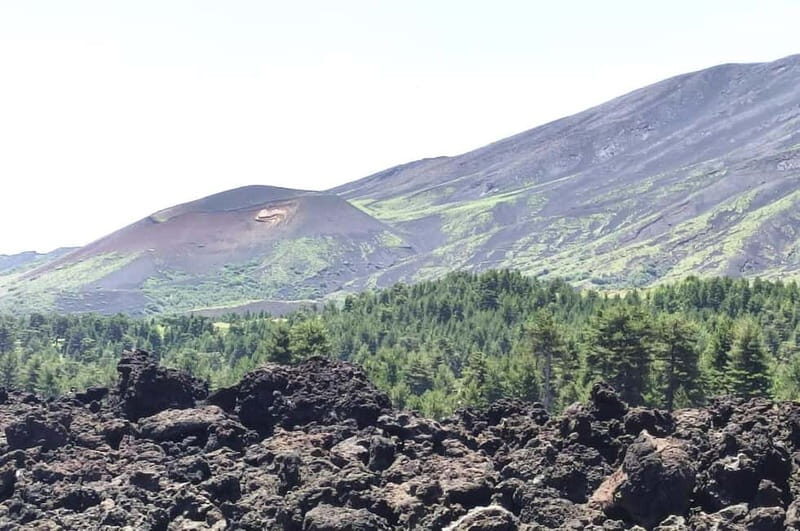
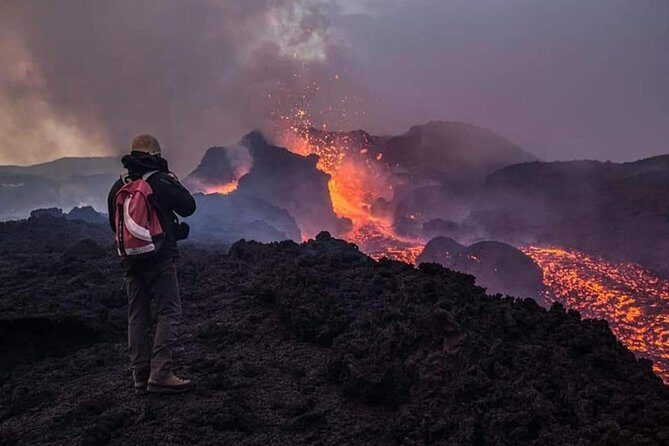
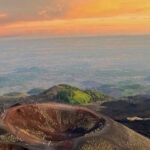
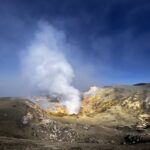
The focus here is the summit craters, not just a scenic walk. You’ll walk a sideways track across volcanic rubble and slag, aiming for the edge of the Summit Central Crater, where the volcano’s activity shows up as gas emission and fumaroles. It’s one of those rare moments where nature gives you a front-row seat to how a volcano works.
My favorite part is the combination of visuals and interpretation. The guide doesn’t just point out the crater; they help you understand what you’re looking at—like why the terrain turns lunar, how volcanic fragments form that rough walking surface, and what you should pay attention to near the vents.
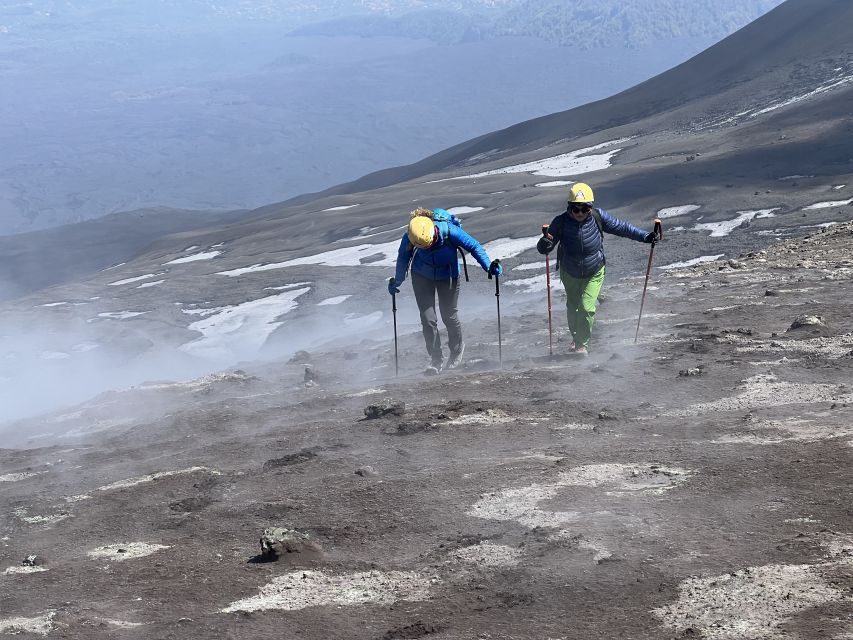
The possible drawback is physical, plain and simple. The route is described as not an easy walk, with steep uphill climbing and a 500m elevation gain total. If you’re expecting a casual stroll, this will feel like work.
Other Mount Etna tours we've reviewed in Catania
The 8:00am start at Piano Provenzana and why the 4×4 matters
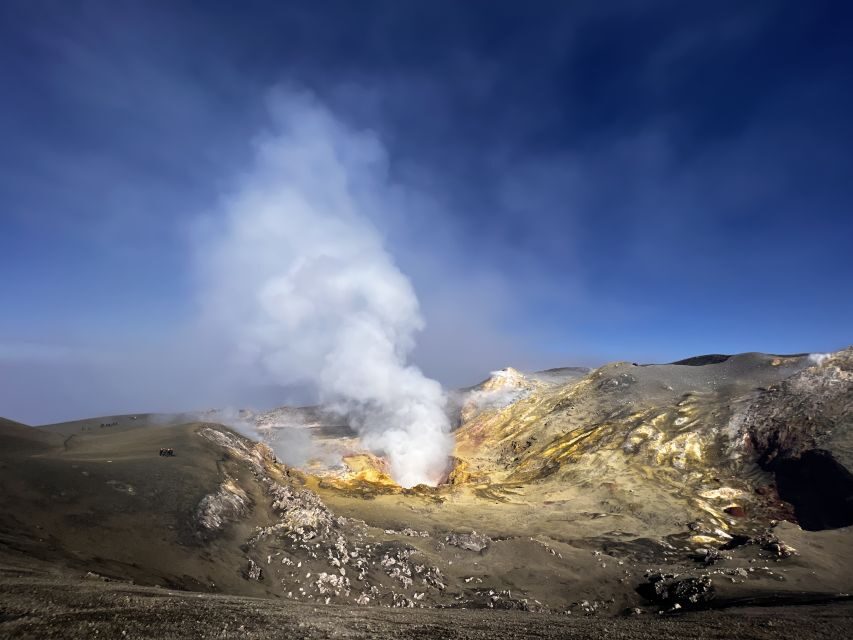
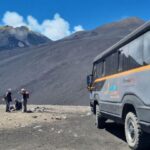
The day begins in Piano Provenzana (North Etna) at 8:00am. The program has you depart from about 1,800m altitude, then use off-road 4WD vehicles to reach the higher starting point at roughly 2,800m.
That 4×4 segment isn’t just convenience—it’s strategy. It lets you spend your energy where it counts: on the higher trek across the summit terrain. You also get a slow reveal of Etna’s different “moods” as the vegetation changes and the volcanic road turns more stark the higher you go.
You’ll also hit the first major viewpoint stop at the Observatory, a panoramic platform around 2,800m. In other words: you get breathing space and photo time before the real ascent begins. This is a good setup if you want photos that actually match the altitude you’re standing in, not just shots from a parking lot.
One more detail: you’re in a small group of up to 10. In practice, that means you’re less likely to get stretched out or feel rushed when stopping for explanations. And it keeps the walk up top calmer.
The trek to 3,300m: lunar ground, 5km sideways, and a real uphill climb
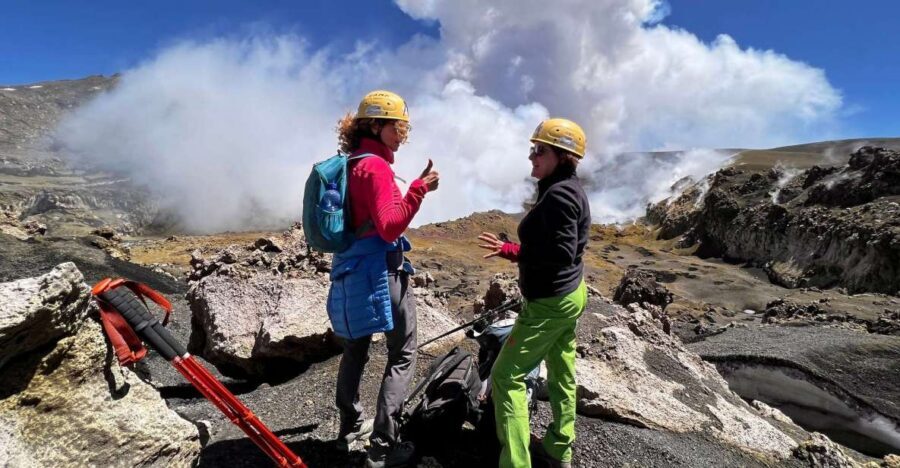
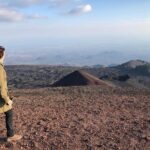
After reaching the Observatory, your hike starts with a 5km uphill trek that begins sideways through a “lunar” landscape. Expect massive bombs and slag along the way—volcanic rock that can look dramatic but also changes how you place your feet.
This is the main physical section of the day:
- Total uphill difference: about 500m
- Uphill walking time: about 1h30
- Total walking time: about 3h depending on the group pace
- Total excursion duration: about 5 hours
Sideways trekking is a smart design for comfort, because it spreads the effort and gives your legs a different rhythm than straight steep stairs. Still, it’s uphill. You’ll feel it, especially once you get closer to the crater edge and the air shifts.
The route description includes the sense that you’re nearing the meeting point of destructive and creative forces—meaning the path is built to lead you into areas shaped by eruptions and gases. When you’re walking on that rough volcanic ground, it becomes very obvious that Etna doesn’t do things politely.
Summit Central Crater at the edge: fumaroles and sulphur you can see
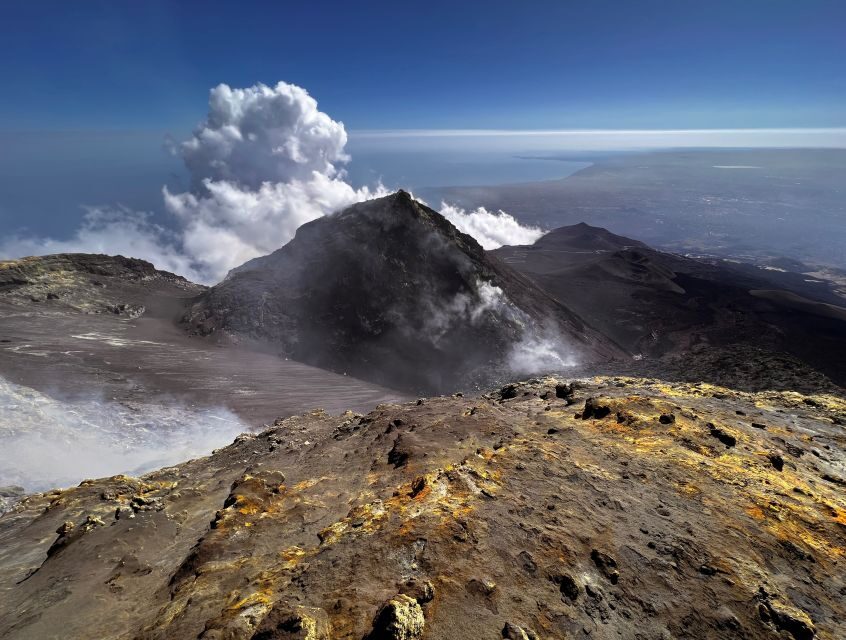
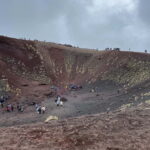
The payoff arrives as you reach about 3,300m and get to the edge of the Summit Central Crater. This is where the day becomes more than hiking—it becomes observation.
You’ll have the guide supporting you on the walk and—at the crater edge—helping you notice things that are easy to miss if you don’t know what to look for. The tour highlights include:
- gas emission
- fumaroles
- bright sulphur minerals
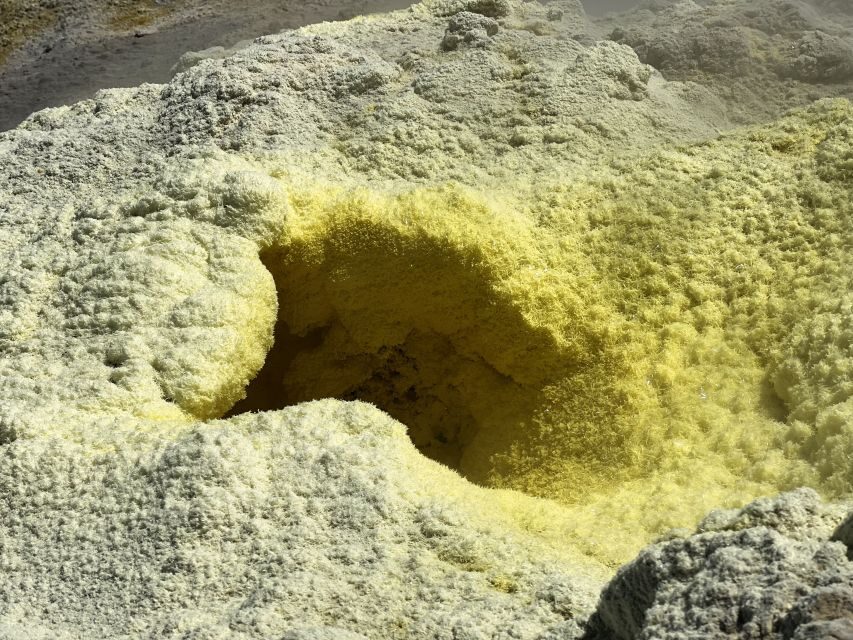
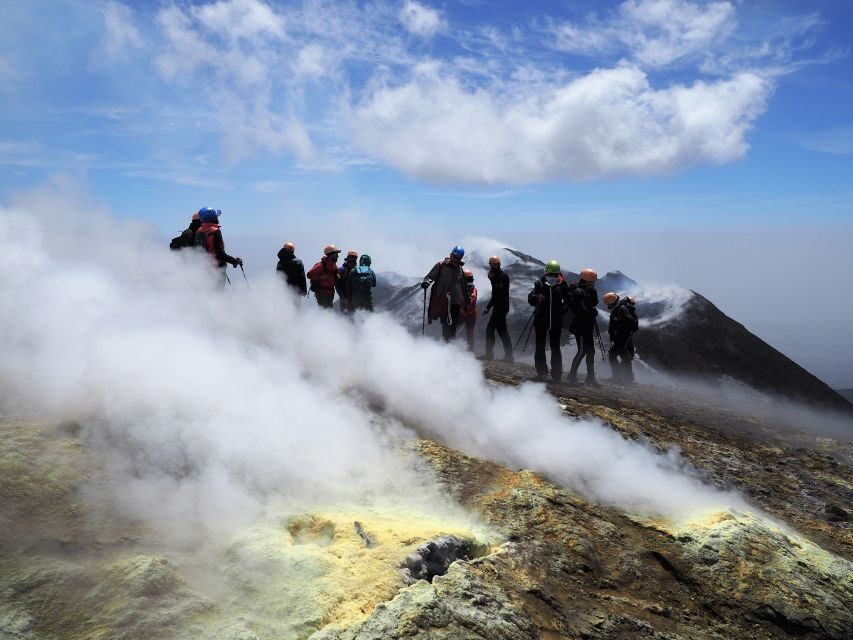
This matters because fumaroles and sulphur tones are among the most visible signs of active volcanic chemistry. Even if you’re not a volcano nerd, you can still read the environment: the way heat and gas affect your sense of smell and the way minerals stain the ground.
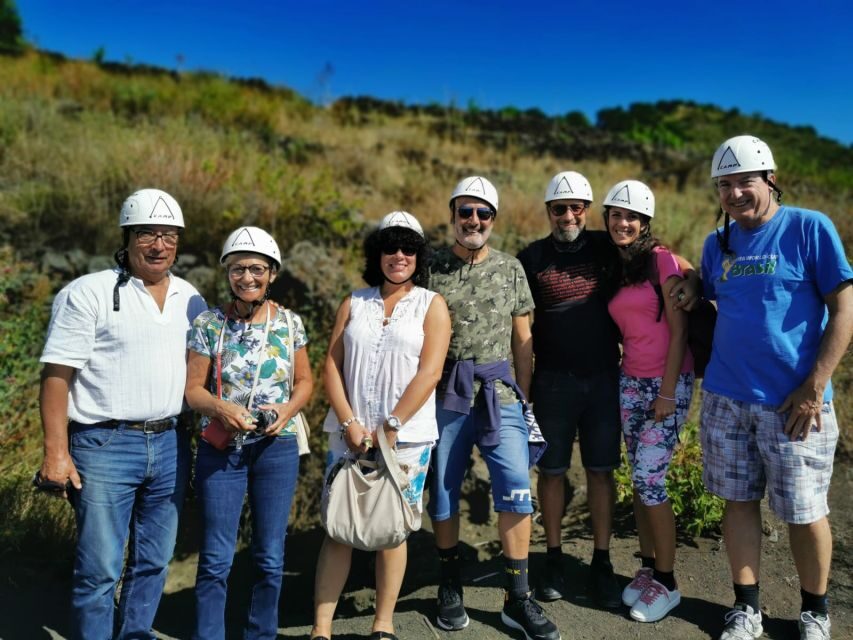
Safety-wise, you’re also given a helmet as part of the included gear. That’s a clue that the environment has hazards you shouldn’t ignore. And in the crater area, your guide’s job is not just storytelling—it’s keeping your group moving at a safe pace.
I also think this is where the guide quality shows most. One review specifically praised the team on site and called out a guide named Gracia for making the moment special. Even if you don’t have that same guide, the point is clear: your time at the crater edge is only as good as the person translating what you’re seeing.
The descent: sandy channels and spotting volcanic details
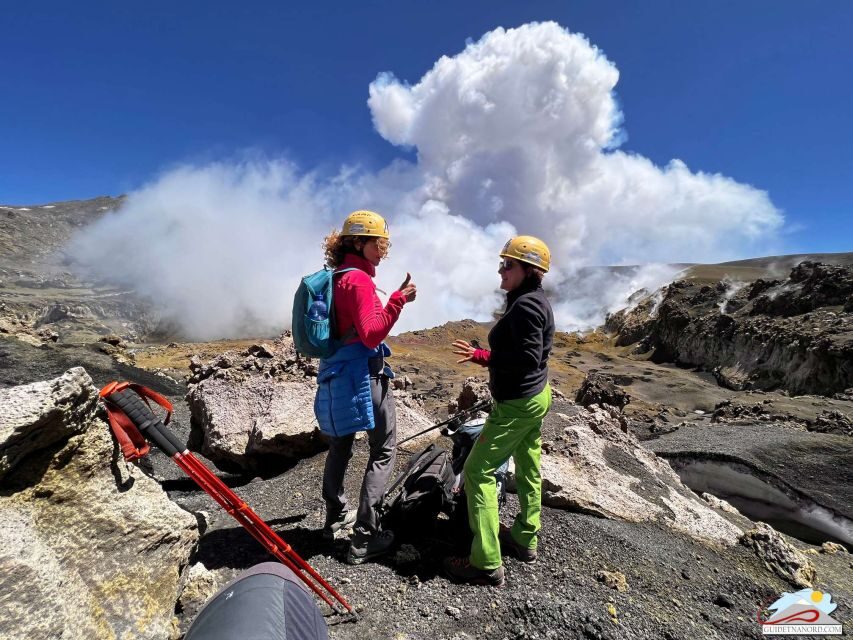
After you reach the top, your expert guide helps you with the descent. This part is described as about 1h30 walking and includes a fascinating route through a sandy channel.
That detail matters more than it sounds. A sandy channel changes footing and posture. You’ll likely find your steps become shorter and more deliberate. It’s not just “downhill equals easy.” It can be easier on your lungs than the climb, but harder on your balance and knees.
The tour also frames this as a journey through interesting volcanic spots, which is exactly what you want on the way back. Many hikes let you see the “big thing” once at the top and then rush you back. Here, the descent gets its own set of sights and explanations, so the day stays meaningful even after the most intense moment.
Eventually, you return to the Observatory in Pizzi Deneri. Then it’s back to Piano Provenzana by 4×4. That final vehicle ride is a lifesaver if you’re tired, and it also cuts down on the chance that you’ll miss the last crater-adjacent impressions simply because you’re spent.
Other Etna summit treks we've reviewed in Catania
Price and value: what you get for about $67.97 plus the €60 4×4 ticket
The listed price is around $67.97 per person, and your day includes a lot more than a basic “walk with someone.” You’re getting:
- a certified guide
- helmet
- walking sticks
- hiking shoes
- jacket
- assurance
That kind of gear bundle can add real value, especially if you don’t want to buy or haul technical footwear. Even if you already own hiking shoes, having sticks and a safety-minded helmet makes the hike feel more organized.
But here’s the budget reality check: the roundtrip 4×4 ticket costs €60, and it’s not included in the base price. You pay it on the day, either by cash or credit card. So if you’re planning, you should think in terms of roughly base price plus €60, before food and drinks.
Food and drinks aren’t included, so bring a packed lunch. The supplied guidance is also clear that you should wear long pants and bring your own jacket and hiking shoes (even though the tour states jacket and hiking shoes are included). When a tour provides gear but also tells you to bring it, I treat it as a signal to pack your own backup. At Etna’s altitude, wind doesn’t care what’s on a checklist.
For value, I’d summarize it like this: you’re paying for access to the summit crater area plus real interpretation plus safety-minded gear. If you want Etna to feel educational and not just scenic, this is where the money goes.
What gear and clothing actually matter at 3,300m
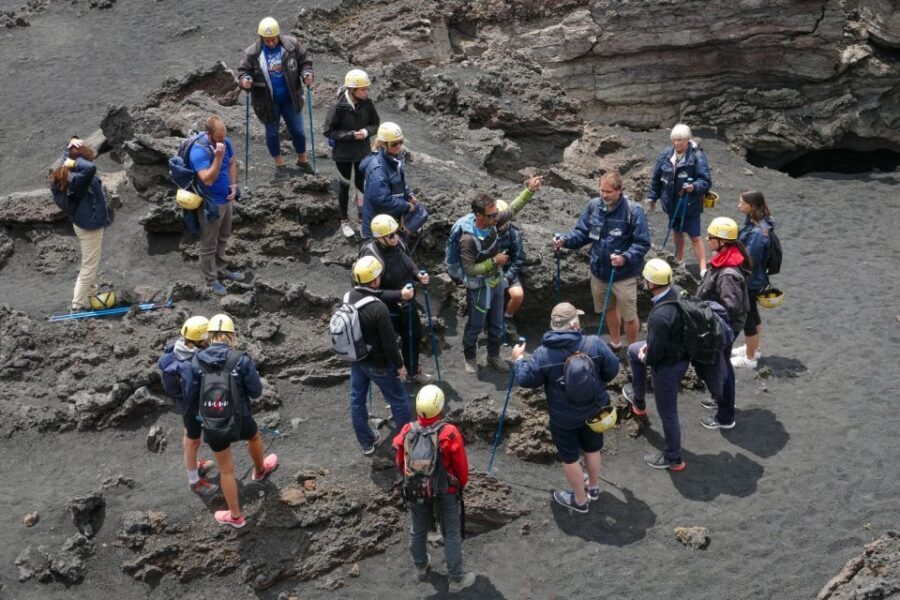
The tour guidance is straightforward: bring hiking shoes, a jacket, packed lunch, and long pants. And the reviews add an important human note: even in summer, you’ll want warmth because wind at altitude can hit fast.
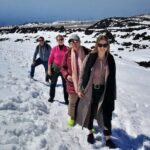
So I recommend planning layers. A jacket is not just for comfort; it’s for wind chill when you pause for crater views and explanations. Also, walking sticks can help on the steep uphill and the sandy descent. Since sticks are included, it’s one less thing to worry about.
If you’re borrowing or using provided shoes and jacket, still do a quick check before you start walking: make sure you’re comfortable, because once you’re on that volcanic ground, you don’t want to spend the hike adjusting gear.
Who this tour suits (and who should skip it)
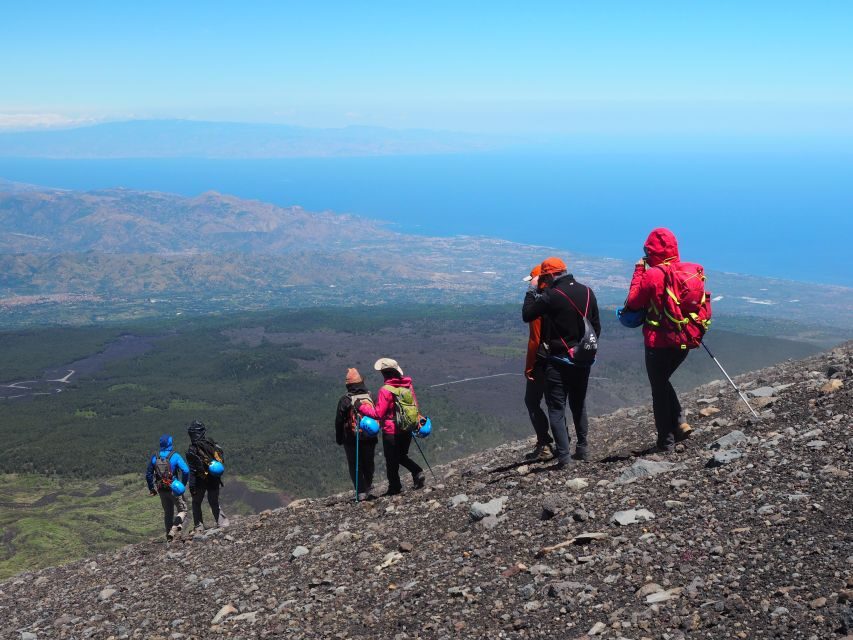
This excursion is for people who can handle uneven volcanic terrain and a steep uphill climb. It’s also not suitable for children under 10, and it’s not recommended for people with breathing difficulties or other serious medical conditions.
The tour’s exclusions are specific:
- not suitable for pregnant women
- not suitable for people with heart problems
- not suitable for people with respiratory issues
I’d take these seriously. At high altitude, your body needs steady effort, and volcano terrain can add uneven footing. If you’re on the fence, choose safety over bravado.
On the plus side, reviews describe it as strenuous but well supported, with regular breaks and explanations. That’s what you want from a summit hike: a guide who keeps the group moving and gives you context along the way.
Practical itinerary walkthrough: what each stop feels like
Here’s how the flow comes across once you’re actually moving through the day.
Stop 1: Piano Provenzana
You meet at 8:00am. Think of this as your briefing zone: gear in place, expectations set, and the small-group feeling starts right away.
Stop 2: Mount Etna en route and the Observatory
You’ll ride up by off-road 4×4, pass through changing vegetation, and arrive at the Observatory platform at ~2,800m. This is where you get the first big panoramic views, plus photo time.
Start trek at the Observatory
You then begin the main hike: a roughly 5km trek that starts sideways through volcanic rubble, climbing about 500m total over around 1h30.
Summit crater edge at ~3,300m
This is the high point. You stop near the Central Crater edge and focus on fumaroles and sulphur minerals, with the guide helping you notice what matters.
Descent and crater-area highlights
You head down through a sandy channel, about 1h30, taking in volcanic spots along the way.
Return to Pizzi Deneri Observatory, then back to Piano Provenzana
You finish back at the observatory area and wrap with the 4×4 ride down. Total time is about 5 hours.
Should you book the North Etna summit craters hike?
Book it if you want the volcano to feel close—up to the edge of the Summit Central Crater—and you like hikes where your guide actually helps you interpret what you see. The small group size, gear support (helmet, sticks, even shoes/jacket), and the structured walk make it a strong value for an Etna summit day.
Skip it if you’re looking for an easy walk, you have breathing or heart issues, or you know altitude and steep, uneven ground are usually a bad mix for you. This isn’t built for gentle recovery days.
If you’re physically ready and you dress for wind and cold, this is the kind of Etna experience you’ll remember as a real place, not just a photo.
FAQ
Where is the meeting point?
You meet in Piano Provenzana on North Etna at 8:00am.
How long does the tour last?
The total excursion is about 5 hours. Walking time is about 3 hours depending on the group’s pace.
What’s the route like once you reach the Observatory?
After reaching the Observatory at about 2,800m, the hike starts with a trek of about 5km sideways through volcanic terrain toward the summit crater edge around 3,300m, then you descend via a sandy channel.
Is the 4×4 ticket included in the price?
No. The roundtrip 4×4 ticket costs €60 and is paid on the day (cash or credit card).
What gear does the tour provide?
The tour includes a certified guide, a helmet, walking sticks, hiking shoes, a jacket, and assurance.
What fitness or health limits should I know about?
This tour is not recommended for people with breathing difficulties or other serious medical conditions. It is also not suitable for children under 10, pregnant women, people with heart problems, or people with respiratory issues.