REVIEW · HIKING & TREKKING
Piano Provenzana: Guided Mt. Etna Snowshoeing Trek
Book on GetYourGuide →Operated by Guide Vulcanologiche Etna Nord · Bookable on GetYourGuide
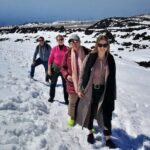
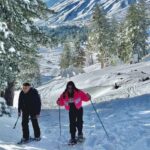
Snow on Etna feels unreal, in the best way. This 3-hour snowshoe trek starts at 1,800 meters near Piano Provenzana and mixes a snowy forest with dark volcanic rock for a view you don’t get anywhere else. I love the contrast of snow on lava and the long panorama toward the sea and Etna’s summit craters. One drawback to plan around: you need real winter prep, because gloves/hats and warm layers aren’t all included.
The route also has strong “science + scenery” value. You’ll cross recent lava terrain on Etna’s north side and reach the big craters that overwhelmed the former tourist area of Piano Provenzana, with a volcanology guide service from Guide Vulcanologiche Etna Nord doing the talking as you walk. If you hate cold hands or you’re hoping for a casual stroll with no effort, you might want to rethink it.
What helps is the hike is short on paper, but serious in winter. It’s about 5 km round-trip with a +300 meter climb and photo stops built in, so you spend most of your time outside in the snow rather than waiting around.
In This Review
- Key things I’d watch for before you go
- Entering Piano Provenzana: why the setting matters
- Meeting at Etna Nord: getting yourself positioned for a smooth start
- Gear reality on Etna: what you need to bring versus rent
- The first walk steps: free time, safety briefing, then photos
- Crossing lava flows: where the trek turns from pretty to meaningful
- The big crater zone: reaching the old Piano Provenzana destruction area
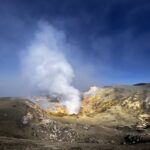
- At the top outlook (~2,200m): snow-covered Etna with active gases
- What the planned stops do for you (and what they cost in time)
- Timing and effort: 3 hours, 300 meters, and snowy footing
- Price and value: how $44 stacks up for Etna snowshoeing
- Who will love this trek most (and who should pass)
- Should you book Piano Provenzana Etna snowshoeing?
- FAQ
- What’s included in the price?
- Where do we meet for the trek?
- Do snowshoes and trekking poles come with the tour?
- How long is the hike and how far do you walk?
- What elevation change should I expect?
- What languages is the live guide available in?
- How much is parking?
Key things I’d watch for before you go
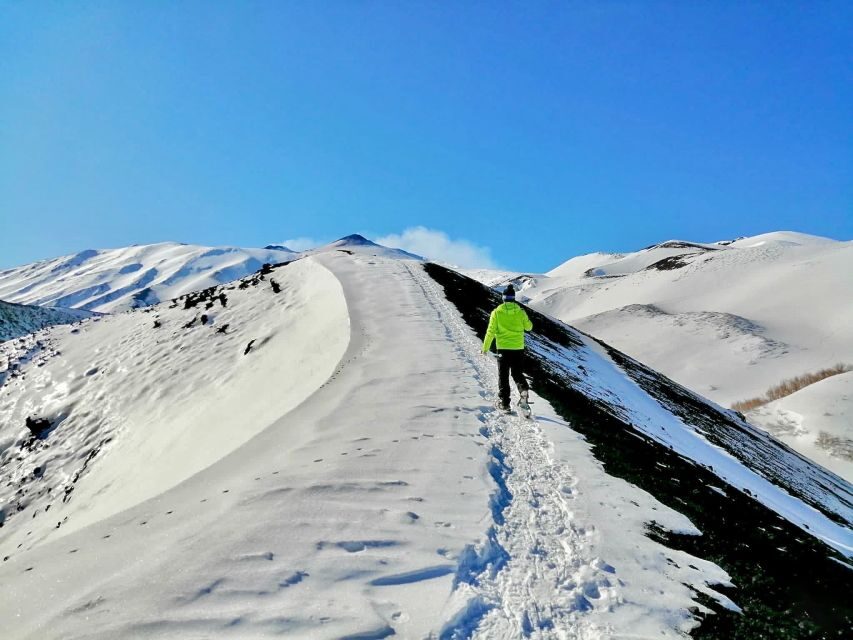
- Snow + black lava contrast for photos that look dramatic even on cloudy days
- Lava flows and crater terrain that tell a story as you move through it
- Sea views toward Giardini Naxos and Taormina, with visibility sometimes reaching Calabria
- A guide-focused walk through volcanic features like fractures and lateral craters
- Top outlook at ~2,200 meters for Etna’s snow-covered summit craters and active gas emissions
Entering Piano Provenzana: why the setting matters
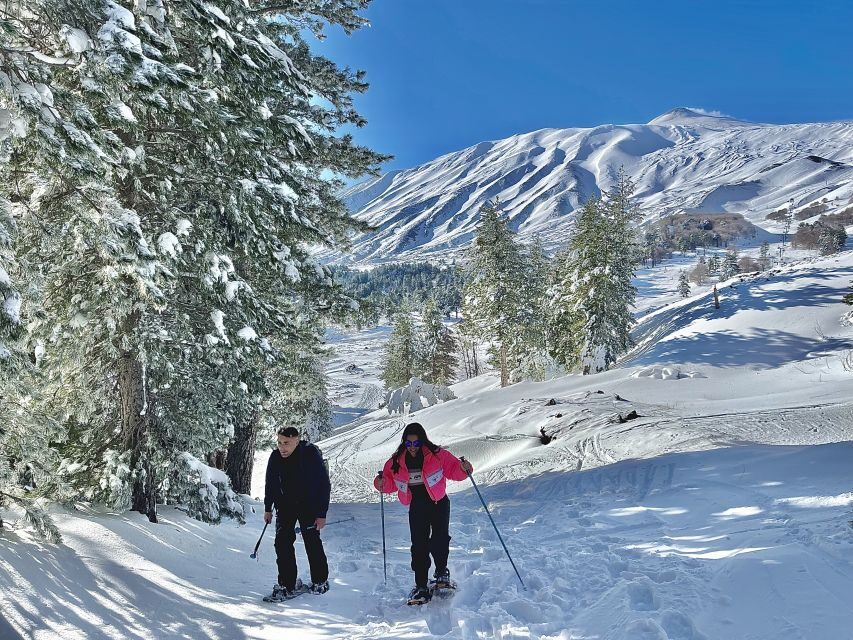
Piano Provenzana is the kind of starting point that instantly changes your expectations of Etna. At this altitude (around 1,800 meters), you’re not hiking “up to the volcano” in the normal sense. You’re stepping into a winter environment where snow makes the volcanic terrain look different—edges are sharper, contrast is stronger, and the scale of the ground formations becomes easier to read.
The goal is simple: help you understand Etna as a living system, not just a mountain with a famous silhouette. On this trek, you walk through woods in snow, then you transition into lava surfaces and crater areas. That shift—snowy forest to volcanic scars—is the reason this excursion feels like a different planet.
Other Mount Etna tours we've reviewed in Catania
Meeting at Etna Nord: getting yourself positioned for a smooth start
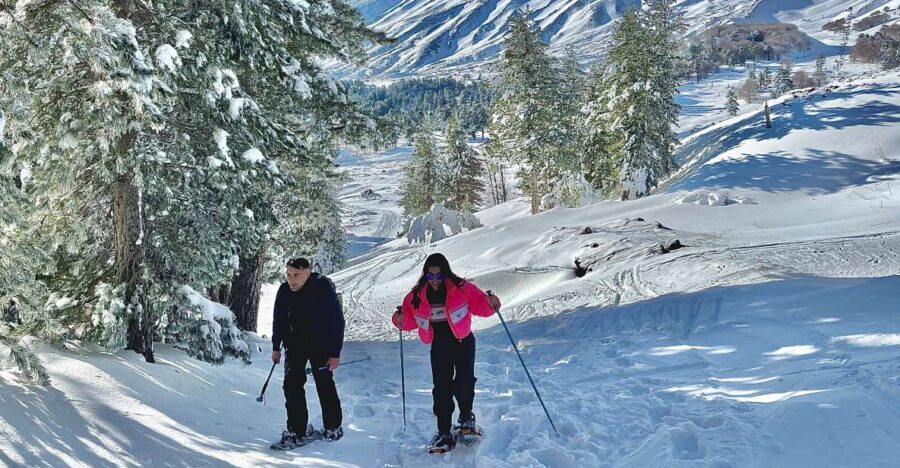
You meet at CHIOSCO BAR MARENEVE DI FERRARO, in the parking area near the active chairlift at Etna Nord in winter. That matters because chairlift activity can affect where people park and how you’ll find your way in the morning rush.
The timing can also move earlier. You may be asked to show up around 8:45 to 9:00 to secure parking, since you’ll be competing with winter skiers and limited spaces. If you’re driving, don’t treat the start time as flexible. Give yourself a buffer so you arrive calm, warm, and ready for the safety briefing.
Gear reality on Etna: what you need to bring versus rent
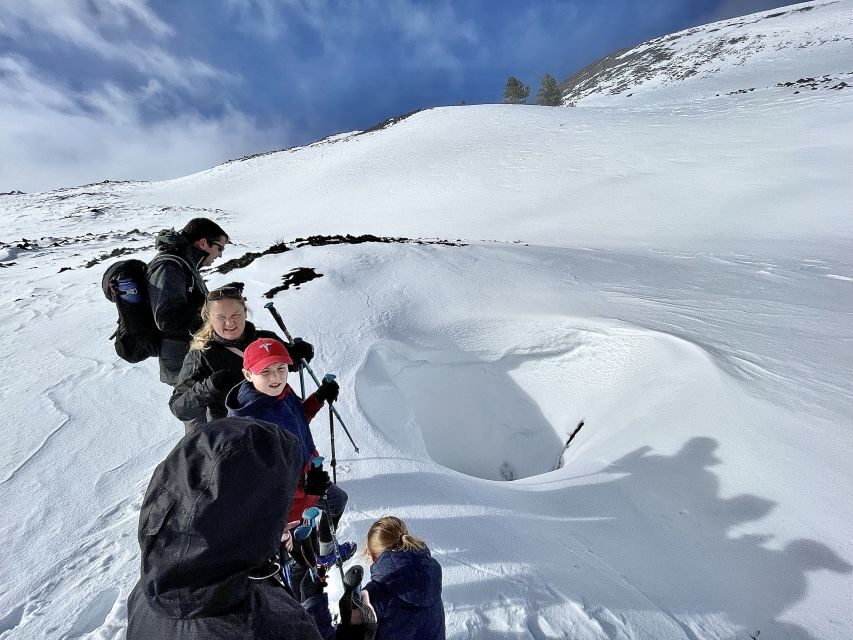
This is one of those tours where the “what to bring” list isn’t busywork. Cold matters up at Etna, and snowshoe hiking is more work than flat walking.
You’ll want:
- Warm clothing, plus a jacket and rain gear
- Gloves and a hat (and bring your own, since they’re not included)
- Sunglasses and sunscreen (snow glare is real)
- Breathable layers, long pants, and proper winter socks
- Change of clothes, so you don’t end your day damp and miserable
What you may need to rent on site:
- Snowshoes + trekking poles: €12 per person
- Windbreaker (if needed): €5
- Trekking shoes: €5 per pair
And a quick reality check: jacket isn’t included, so don’t assume the rental setup covers everything. You also can’t wear high-heeled shoes, sandals, or flip-flops—this is traction-and-warmth territory.
The first walk steps: free time, safety briefing, then photos
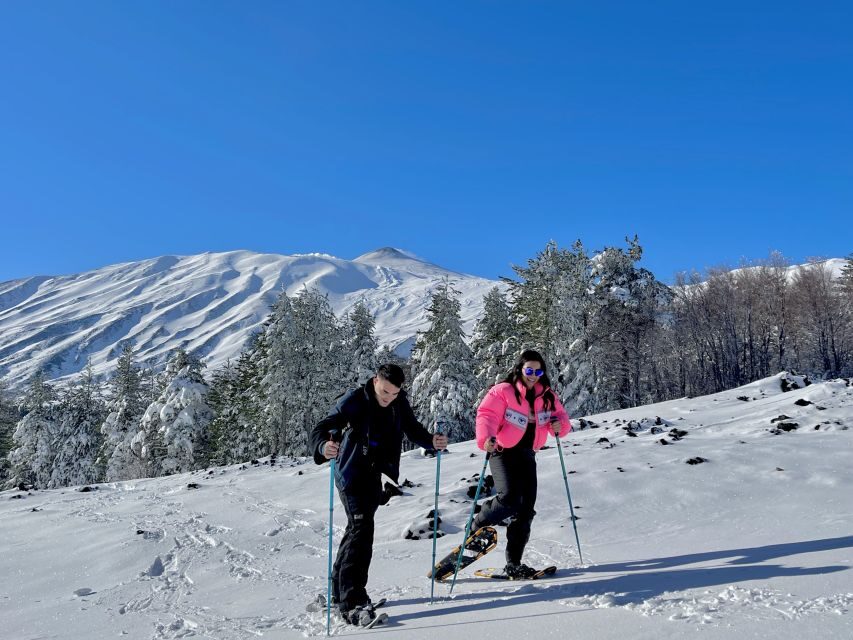
Right after meeting at the bar, you’ll settle in at Piano Provenzana and get a short setup phase. There’s free time before a 15-minute safety briefing, which is usually where you learn how the group will move on uneven snowy ground and volcanic terrain.
Then come the first short breaks built around visuals:
- A 10-minute photo stop gives you a chance to take in the snow-covered context before you start covering distance.
- A 20-minute guided tour follows, which helps you connect what you see on the ground with what the guide will explain as the trek progresses.
I like this structure because it front-loads understanding. You see the terrain first, then you get the reasons for it, instead of learning the “why” after you’ve already passed the interesting bits.
Crossing lava flows: where the trek turns from pretty to meaningful
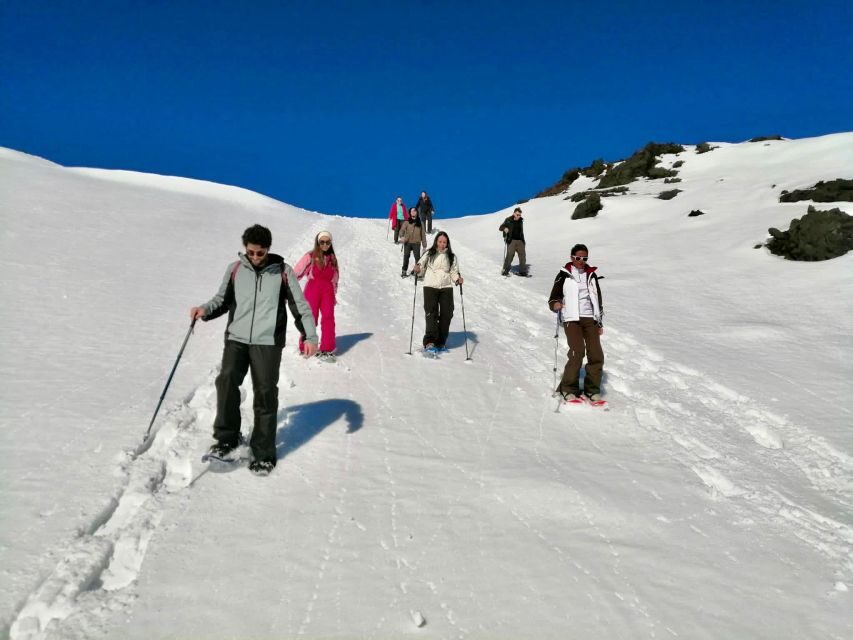
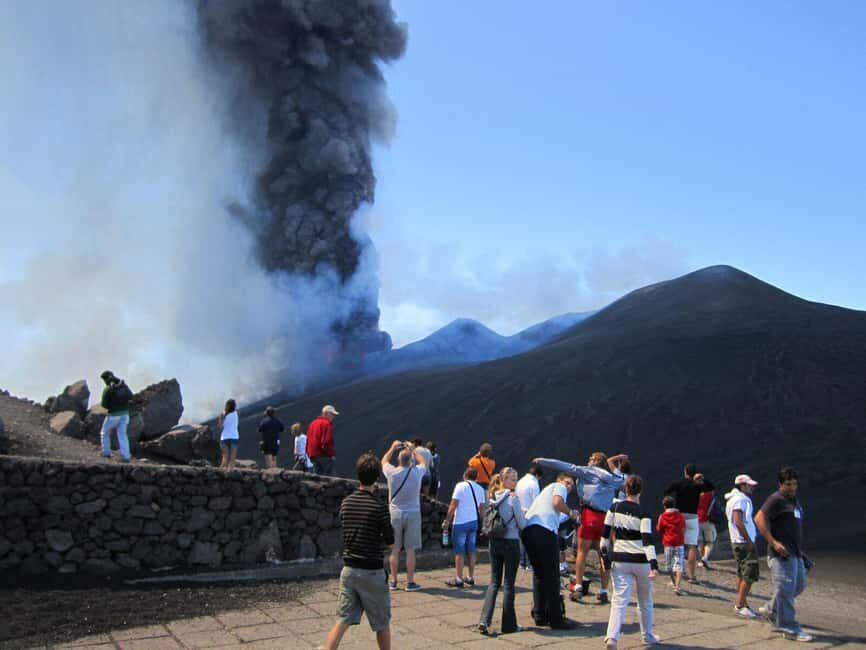
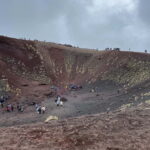
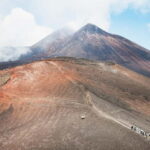
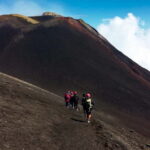
Once you’re moving, the core of the experience kicks in. You cross lava flows from eruptions on Etna’s north side, then work your way toward the large craters associated with the destruction of the tourist resort area of Piano Provenzana.
This is the part that feels most “volcanic” in a grounded way. Lava flows aren’t just black rock. They form uneven surfaces, fractured zones, and paths that can guide your eyes toward past eruption behavior. The route also includes features like woods, lava flows, fractures, and lateral craters, so you’re not walking in a single uniform setting.
What you should take away: the snow doesn’t erase the volcanic landforms—it makes them easier to interpret. The darker rock lines up well against white snow, and your guide can point out what’s fractured, what has broken down over time, and how lateral craters differ from the main crater areas.
Other guided tours in Catania

The big crater zone: reaching the old Piano Provenzana destruction area
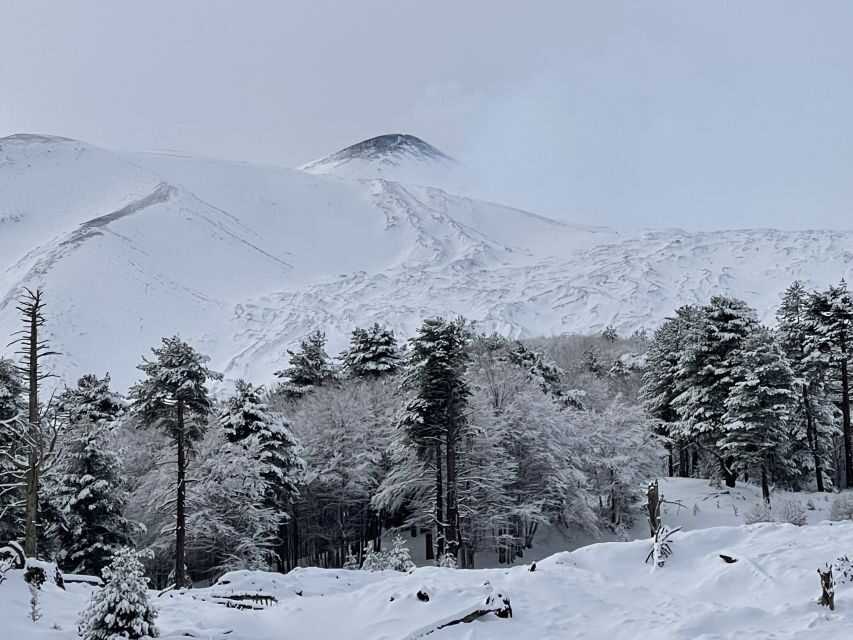
As you climb, you start getting closer to where the terrain becomes more dramatic. You’ll head up to the large craters that destroyed the former tourist resort in the Piano Provenzana area.
There’s a reason the tour includes multiple stops here. Photo time isn’t just for souvenirs; it’s when your brain can switch gears from walking to observing. When the terrain opens up, it’s easier to see patterns—gaps, edges, and the way the ground has been reworked by volcanic activity.
This portion also helps you get comfortable with the scale of Etna. The climb to this zone is not just about altitude. It’s about seeing how far-reaching the volcanic impact can be, even when there’s snow covering everything.
At the top outlook (~2,200m): snow-covered Etna with active gases
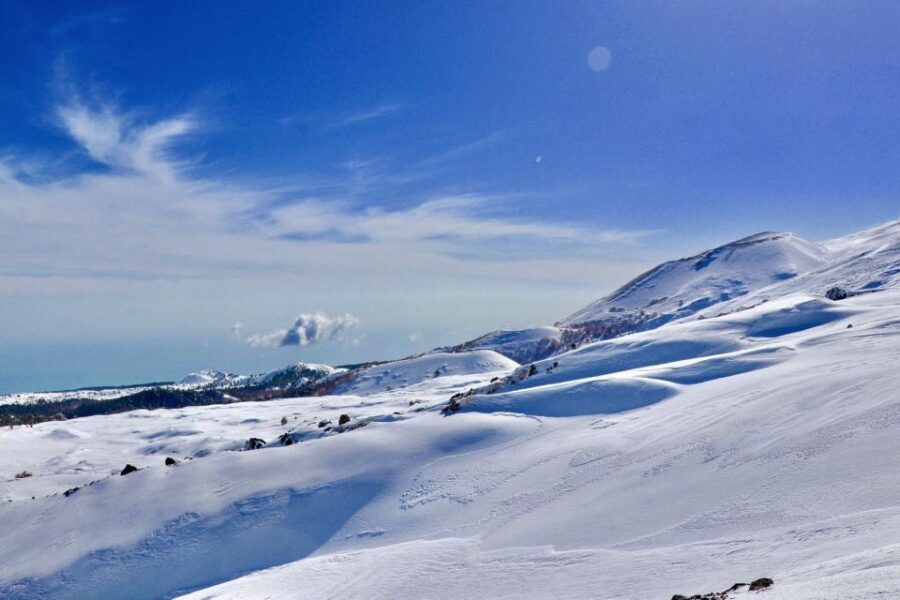
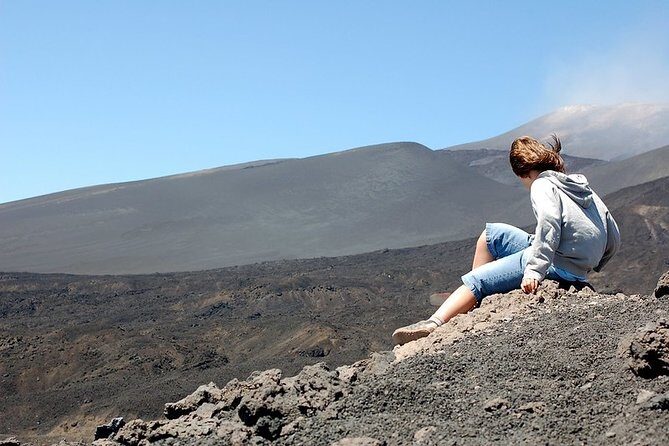
The high point is on the top of the large side craters at about 2,200 meters. This is where you get the panorama that people remember: snow-covered Etna up toward its top, with the sense that the volcano is still doing its job.
Etna is described here as always active with emission of volcanic gases. You likely won’t treat this as a chemistry class, but it changes how you experience the view. It’s not only scenery. It’s a reminder that what you’re looking at is active and changing.
From this altitude, you’ll also get views that extend outward when weather cooperates. You can admire the sea and summit craters of Etna, and with good visibility you can even see as far as Calabria.
What the planned stops do for you (and what they cost in time)
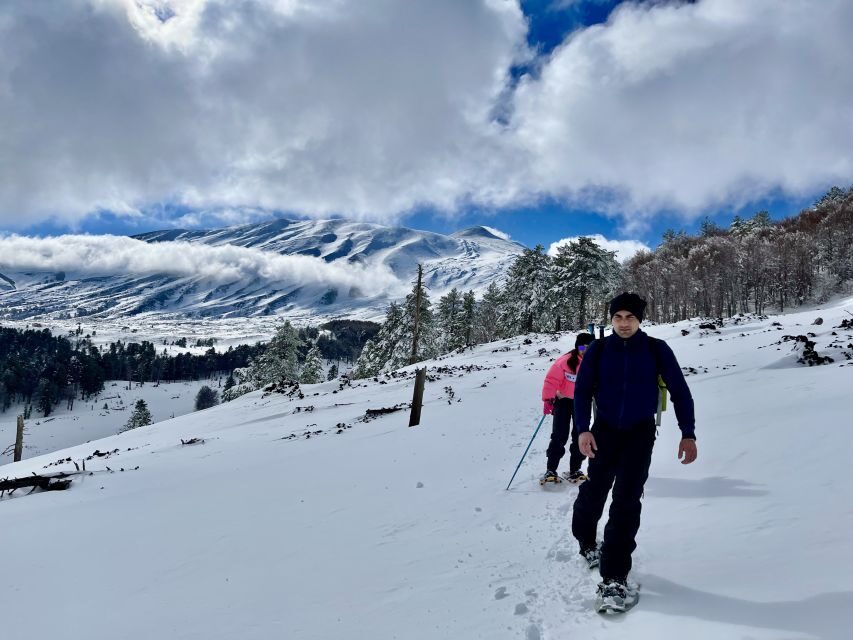
The trek is built to keep you moving but not rushing. After the first guided segments, you’ll hit a 30-minute block that mixes:
- a photo stop
- a visit
- another guided tour
- free time for sightseeing
That time mix is smart. You get guidance during the parts that need explanation (lava forms, crater edges, fractures), then you get freedom when the best thing you can do is look—slowly. On a winter volcano hike, that balance matters because your attention gets pulled between ground-level details and long-distance views.
If you’re the type who wants nonstop movement and zero pauses, you might find the photo/free time breaks a little long. But for most people, it’s what makes the 3 hours feel worth it.
Timing and effort: 3 hours, 300 meters, and snowy footing
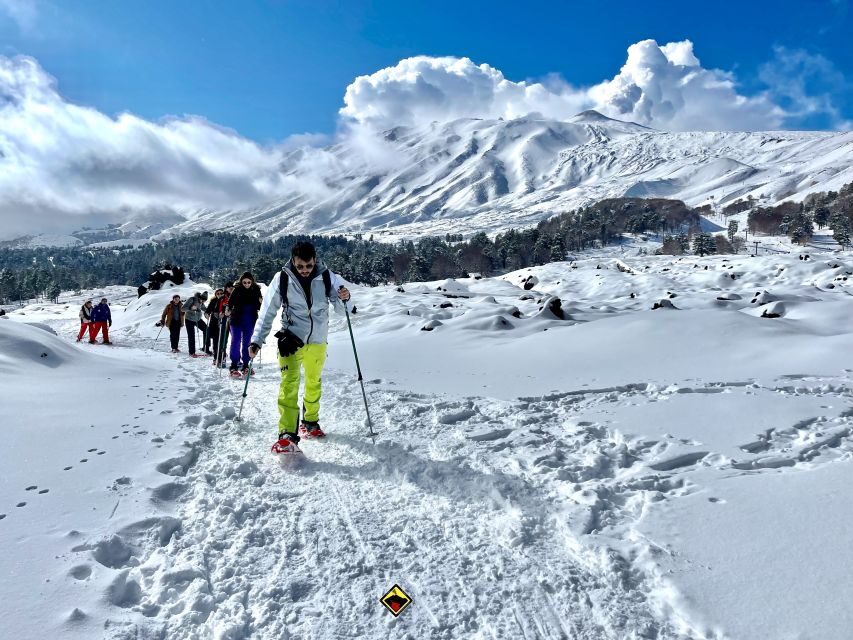
This excursion runs about 3 hours total, covering around 5 km round-trip. The positive elevation gain is about 300 meters, so you’re not dealing with a brutal climb on paper.
Still, winter snowshoe hiking is its own kind of effort. You’re stepping through snow, balancing over uneven ground, and moving across volcanic surfaces that may be rough or fractured. Your pace will depend on conditions and the group’s comfort on slippery terrain.
That’s why the tour is not suitable for everyone. It’s listed as a poor match if you have back problems, mobility impairments, heart problems, respiratory issues, epilepsy, high blood pressure, recent surgeries, or if you have low fitness or are afraid of heights. If any of those apply to you, it’s worth avoiding the risk and choosing something lower impact.
Price and value: how $44 stacks up for Etna snowshoeing
At $44 per person for a 3-hour guided snowshoe trek, you’re paying for the main experience: walking Etna in snow with a volcanology guide. The included piece is the Volcanological Guide Service, and that’s the true value driver here.
Why the guide matters: you’re not just seeing crater edges and lava flows—you’re learning what you’re looking at while you walk. The contrast between snow and dark volcanic rock is great for photos, but the guide gives it meaning, turning a scenic hike into a “now I get it” hike.
What’s not included affects your real cost:
- snowshoes + poles: €12
- windbreaker if you rent one: €5
- trekking shoes if you rent: €5
- parking ticket (day fee): €5 weekdays and €8 Sundays and public holidays
- snack, bottled water, snow clothing, and jacket aren’t included
So for a quick estimate, budget for rentals and parking too. Even with that, the experience still tends to feel good value because you’re getting guided time in a high-altitude winter setting where self-guiding is harder and safer with the right expertise.
Who will love this trek most (and who should pass)
This is a good choice if you want Etna in its winter form and you like tours that mix explanation with walking. You’ll likely enjoy it most if you:
- feel comfortable hiking on snowy ground
- can handle cold temperatures for a multi-hour outdoor session
- are curious about volcanic terrain and want the story behind what you see
- want panoramic views—sea to Etna’s craters—without spending all day planning
On the other side, if you’re not comfortable with heights, have significant medical limitations listed above, or you’d struggle with winter gear and effort, skip it. This isn’t a “sit and admire” activity. It’s active, cold, and outdoors the whole time.
Should you book Piano Provenzana Etna snowshoeing?
I’d book this if you want a short, focused winter experience that shows you Etna’s volcanic features up close, with a guide from Guide Vulcanologiche Etna Nord doing the explanatory work while you’re actually in the terrain. The standout parts—excellent guide, incredible views, and a memorable trail—are exactly what make the trek worth your time.
But only book if you can handle the winter logistics: bring your warm layers, plan for gloves and hats, and expect to rent what you don’t have. If you’re unsure about fitness or medical constraints, be honest with yourself. Etna in snow rewards confidence.
FAQ
What’s included in the price?
The included part is the volcanological guide service.
Where do we meet for the trek?
Meet in the parking lot near the active chairlift at Etna Nord in winter, outside CHIOSCO BAR MARENEVE DI FERRARO.
Do snowshoes and trekking poles come with the tour?
No. You can rent snowshoes and trekking poles on site for €12 per person at authorized rentals.
How long is the hike and how far do you walk?
It lasts about 3 hours total and covers a 5 km round trip.
What elevation change should I expect?
The trek has a total positive elevation difference of about 300 meters.
What languages is the live guide available in?
The guide works in Italian, French, and English.
How much is parking?
The parking ticket cost is €5 for weekdays and €8 on Sundays and public holidays for the entire day.