REVIEW · ETNA SUMMIT TREKS
Mount Etna: Guided Trek 3,000 Meters to the Summit
Book on GetYourGuide →Operated by Etna Est · Bookable on GetYourGuide
Mount Etna at summit height feels unreal. This guided hike pushes you to Europe’s tallest active volcano with a volcanologist guide and real crater views.
I especially like the volcanologist-led explanations that turn big scenery into something you can actually understand. I also love that the trip combines a cable car lift with a proper hike, so you get both convenience and the satisfying effort of getting up there.
One thing to consider: this is not a casual walk. Parts of the path can be exposed, and strong wind or volcanic risk can change the route or timing at the guide’s discretion.
Key Things to Know Before You Go
- Summit altitude: You trek up to the 3,000-meter area on Europe’s tallest active volcano
- Cable car viewpoint time: You get a lift and panoramic breaks as you move from base altitude toward the crater zone
- Volcanology in plain language: Expect geology and “how Etna works” talk from a volcanologist guide
- 2001 Crater stop: You’ll see the 2001 Crater still producing fumes at around 2,700 meters
- Gear support included: Helmets and trekking poles are provided to help you handle rocky, uneven ground
- Not for everyone: Vertigo, respiratory issues, heart problems, and pregnancy are listed as non-starters
In This Review
- Etna’s Summit Trek Isn’t Just a Hike
- Starting at La Terrazza Dell’Etna and the Cable Car Up to 2,500 m
- The Main Hike: Climbing from 2,500 m Toward the Summit Craters
- Crossing the Summit Zone and Reaching the 3,000 m Feeling
- The 2001 Crater Stop at 2,700 m: Where You’ll See Etna’s Activity
- Descent Back to 2,500 m, Lunch Break, and Getting Off the Mountain
- What’s Included, What Might Cost Extra, and What You’ll Actually Use
- Fitness, Stability, and Who Should Skip This Etna Day
- Guide Impact: When Luca, Marco, or Manuel Sets the Tone
- Price and Value: Is It Worth 113-ish Dollars?
- Should You Book This Etna Summit Trek?
- FAQ
- How high does the trek go?
- How long is the tour?
- What’s the main route like?
- Is the cable car ticket included?
- What should I bring?
- Can I wear contact lenses?
- Is lunch included?
- What languages is the guide available in?
- Who is the tour not suitable for?
- What if the weather or volcanic risk changes?
Etna’s Summit Trek Isn’t Just a Hike
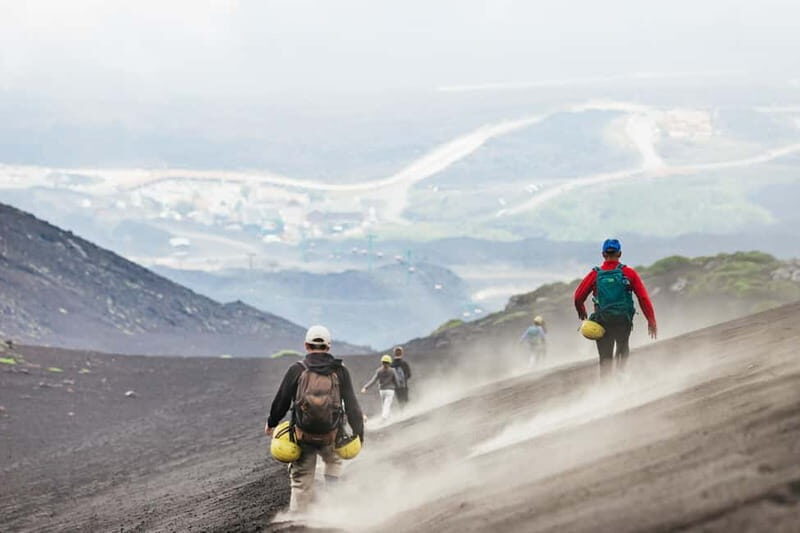
There are volcano experiences that look good on paper. This one also makes sense in real life because you’re not just walking—you’re learning what you’re seeing while you walk it. The goal is the summit craters area, with the kind of high-altitude views that make Etna feel close enough to touch.
At the top, the air, the rock textures, and the way the ground changes are the whole story. And unlike a viewpoint-only trip, you actually move across the volcanic terrain, so you feel how dramatic and layered the landscape gets as you gain height.
Still, set your expectations correctly. The trek is built for people with medium physical training. You’ll be walking on sand and rock in places where there may not be clear trails, and some sections can feel exposed. If you want a stroll, this will feel demanding. If you want real effort plus real meaning, it’s a great match.
Starting at La Terrazza Dell’Etna and the Cable Car Up to 2,500 m
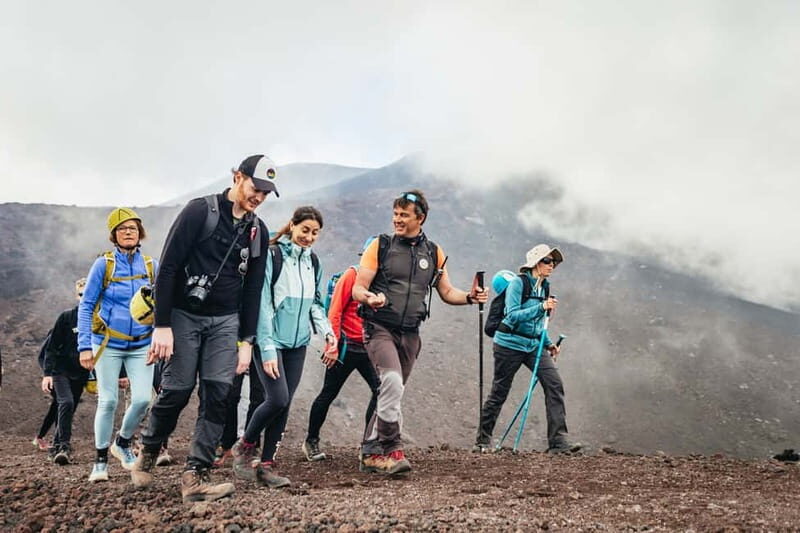
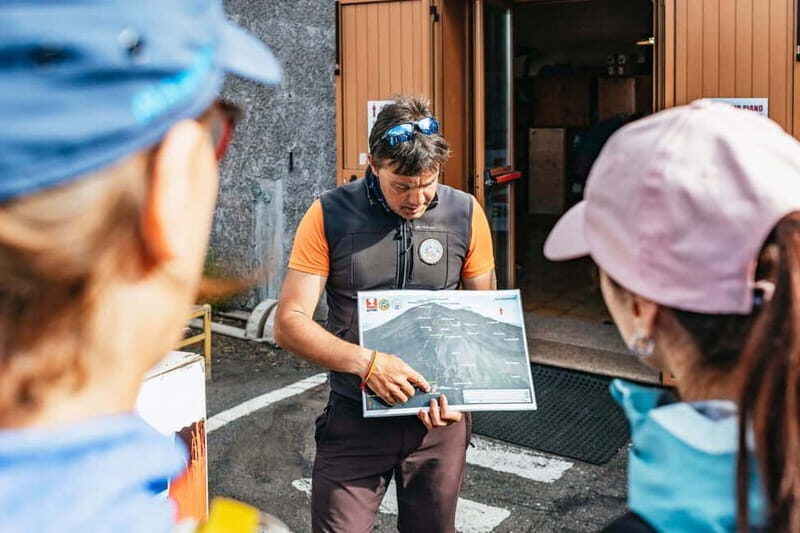
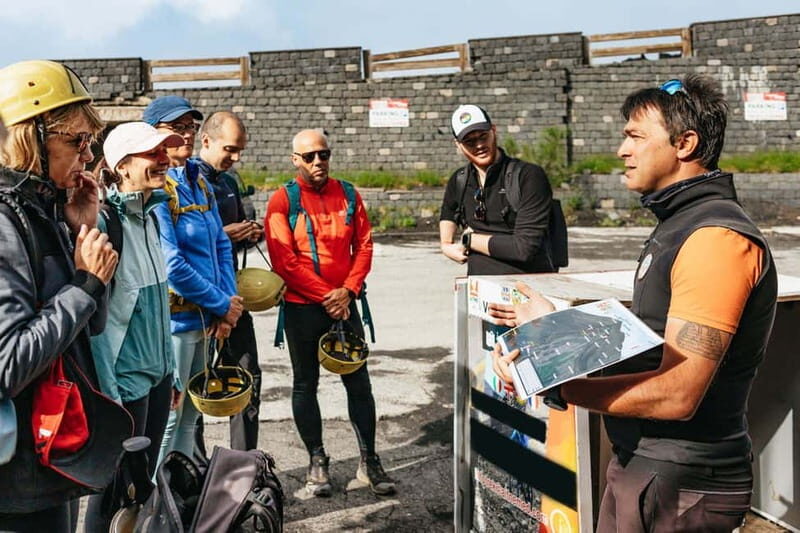
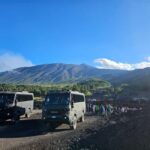
Your day begins at La Terrazza Dell’Etna, where you meet your guide and get a briefing. This matters more than it sounds. You’re going to higher ground on uneven volcanic surfaces, and the briefing helps you know how the day can shift with conditions and where to focus your footing.
After that, you head toward the cable car. The trip uses the cable car to lift you to about 2,500 meters, which is a smart trade: you save energy for the steep, crater-area hike. You also gain those early panoramic moments as you rise—use them to check wind direction and decide whether you’ll need extra layers.
One practical note: you’ll want sunglasses and sunscreen even before the summit. At altitude, light can be intense, and you’ll be outdoors for hours.
Other Mount Etna tours we've reviewed in Catania
The Main Hike: Climbing from 2,500 m Toward the Summit Craters
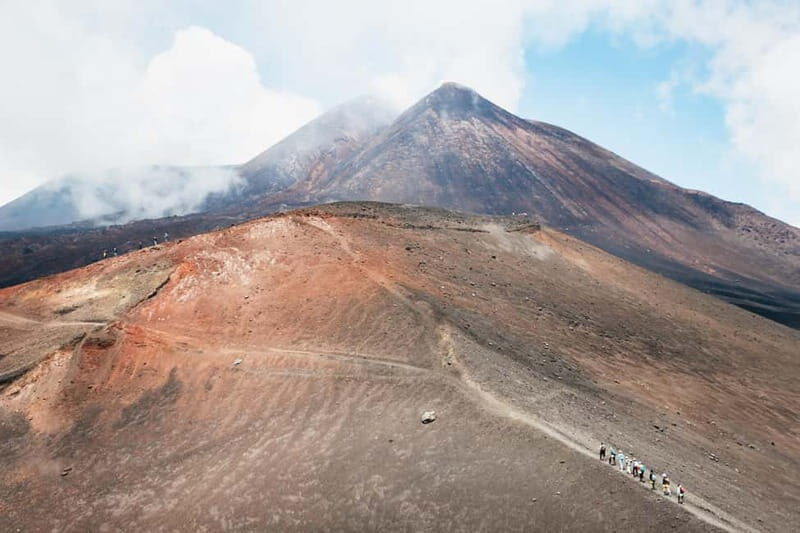
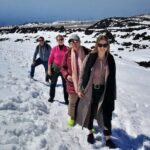
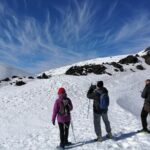
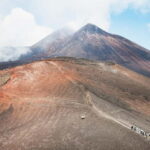
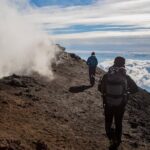
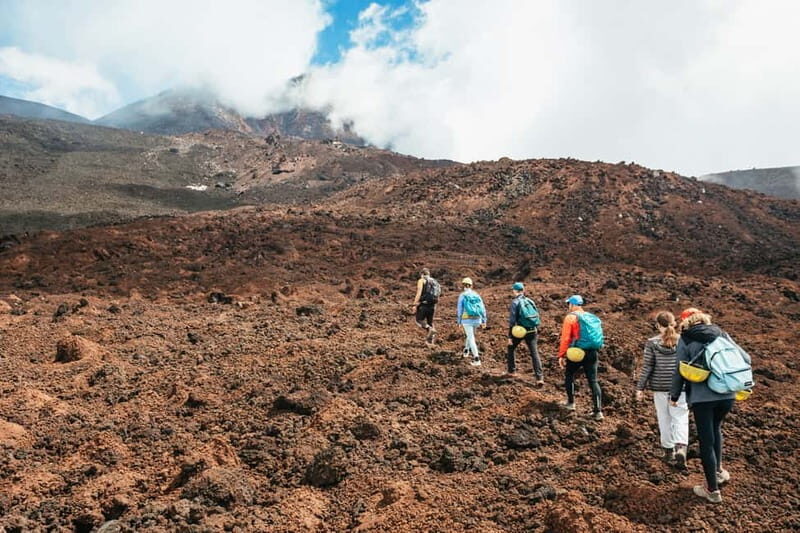
From the cable car drop-off, you move into the main hiking stretch. The day’s rhythm is simple: hike up toward the summit craters, cross otherworldly volcanic terrain, and pass sites tied to old and more recent lava flows.
This is where the tour earns its “worth it” reputation. The ground isn’t just scenic—it’s textured and rough, made by eruptions and their aftermath. Your guide helps you read it. Even if you’ve never studied volcanology, you’ll start to connect things like ash, lava remnants, and crater formations into a story that explains why Etna looks the way it does.
You’ll be moving with a volcanologist guide who provides context as you go. That’s a big deal for value: it turns “we walked for two hours” into “we walked through processes.” When your route changes due to conditions, you’re still getting meaning from the terrain you’re experiencing.
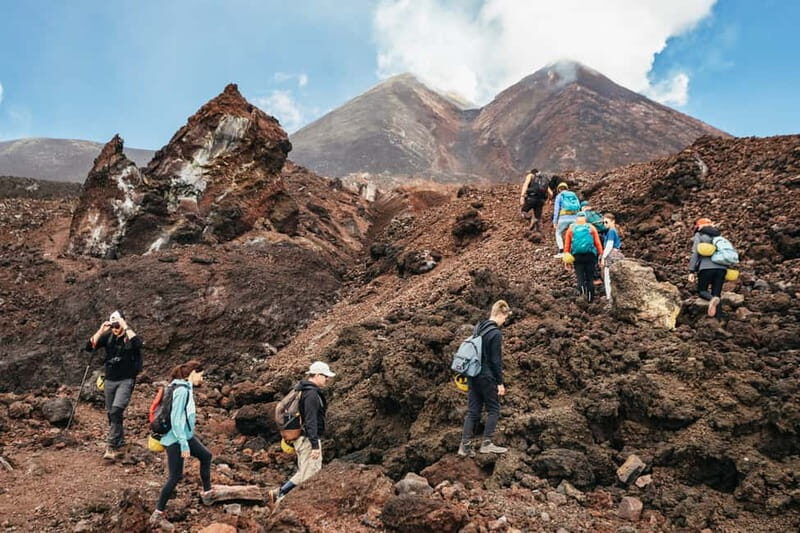
Gear helps a lot here. Helmets and trekking poles are included, and they aren’t just check-the-box items. Trekking poles help stabilize you on uneven ground, and the helmet matters because you’re in a volcanic zone where safety equipment is part of the plan.
Crossing the Summit Zone and Reaching the 3,000 m Feeling
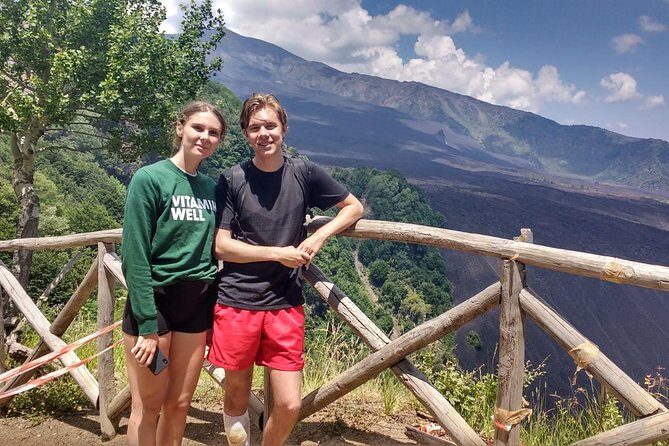
The highlight you’re paying for is the ascent into the 3,000-meter area near the summit craters. At this point, the views can be jaw-dropping, but the real win is perspective. You start to understand why Etna dominates Sicily’s landscape—and why people travel here specifically to stand above crater fields.
The tour is designed to move you up with enough structure to keep the day manageable. The time on the mountain is split into two hiking blocks (a longer push and then a shorter follow-up hike), with the cable car used again for the return leg. That structure reduces the “all-at-once” fatigue that can hit hard when you’re already breathing thinner air.
Also, expect wind. Even when weather looks fine from below, crater zones can feel much tougher. Your best defense is layers you can add or remove fast. Reviews around the experience consistently point out the same theme: bring warm, wind-resistant clothing, not just a light jacket.
The 2001 Crater Stop at 2,700 m: Where You’ll See Etna’s Activity
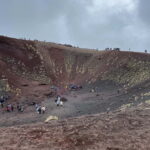
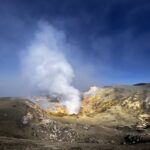
A major moment comes when you stop at the 2001 Crater, around 2,700 meters. This crater still releases fumes, which makes Etna feel alive in a way that photos can’t fully capture.
This is one of those stops where your guide’s role becomes more than entertainment. You’ll learn what the fumes mean and how volcanic activity can be read from the ground-level signs you’re seeing. If gases are moving with the wind, it can get uncomfortable fast, so it’s smart to bring something to cover your nose and mouth just in case.
If you’re sensitive to odors or breathing irritation, pay attention to the tour’s suitability notes. People with respiratory issues are listed as not suitable, and I’d take that warning seriously.
Descent Back to 2,500 m, Lunch Break, and Getting Off the Mountain
After the crater area time, you start descending back toward 2,500 meters. Descent can be surprisingly rough on legs because you’re controlling your step on uneven rock and ash. Your trekking poles can make a difference here, especially when you’re tired and your footing gets less precise.
You’ll also get a break for lunch, but lunch is not included. Plan to carry a packed lunch and a snack. The tour guidance suggests bringing water plus enough food to keep your energy steady during the climb and later the return.
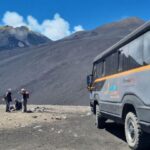
After the descent, you ride the cable car back down and return to La Terrazza Dell’Etna, where the tour ends. The structure keeps you from spending the entire day in one continuous grind, but it still adds up to a full, active half-day. If your afternoon plans are big, consider scheduling something flexible.
Other Etna summit treks we've reviewed in Catania
What’s Included, What Might Cost Extra, and What You’ll Actually Use
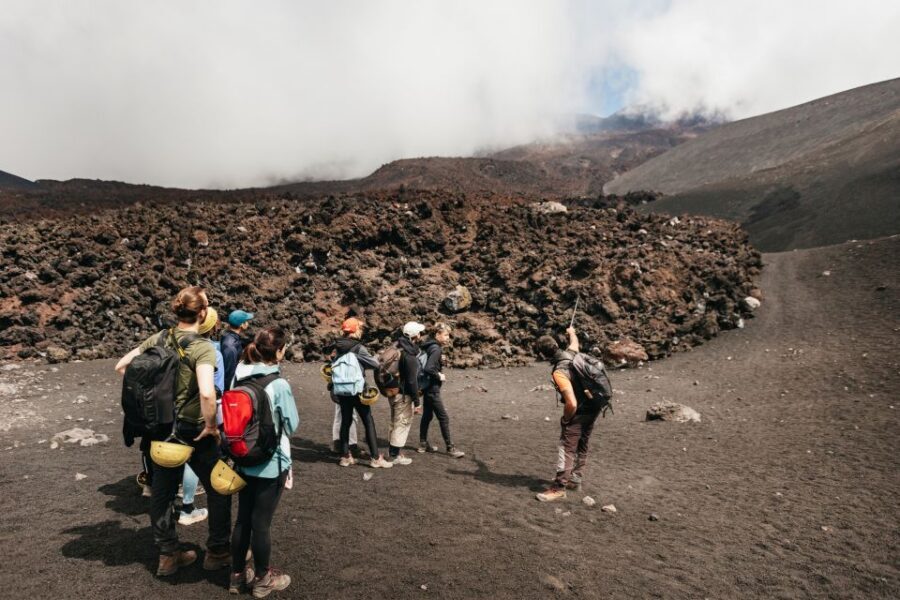
The experience includes:
- A guide
- Helmets
- Trekking poles
- Cable car ticket (listed as included)
- Insurance
But there’s a small snag you should plan for: the details also state that the cable car ticket is 50 EUR paid on site. Because the information conflicts, the safest move is simple: check your confirmation and keep a bit of flexibility in your budget (or carry a way to pay on site).
No matter what, the practical gear list is clear. You’ll want:
- Hiking shoes (high socks help)
- Sunglasses and sunscreen
- Warm layers (and windproof outerwear if you run cold)
- A hat, gloves, and an extra T-shirt
- A 10 to 20 liter backpack
- At least 1.5 liters of water
- A snack and packed lunch
One detail that matters in the field: contact lenses are forbidden due to volcanic ash spread by wind. If you wear contacts, plan on glasses or bring a backup solution.
Fitness, Stability, and Who Should Skip This Etna Day
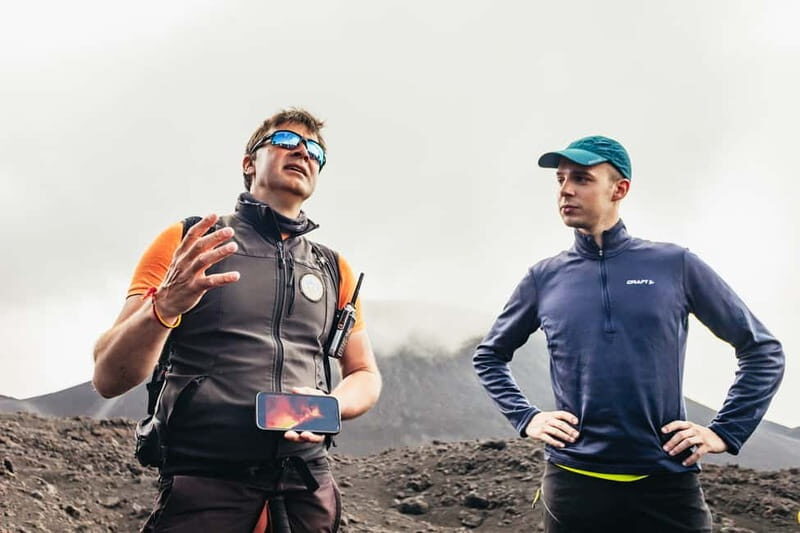
This is best for hikers who can handle uneven surfaces and changing ground. The tour guidance specifically says it’s suitable for those with medium physical training, and you should be comfortable walking on sand and rock when there are no trails.
It’s listed as not suitable for:
- Children under 10
- Pregnant women
- People with mobility impairments
- People with heart problems
- People with vertigo
- People with respiratory issues
If you fall into any of these categories, don’t “hope for the best.” The summit zone is exposed and windy at times, and the fumes at the crater stop are part of the experience.
If you’re on the fence because of fitness, be honest with yourself. The climb is the point, and the reward comes from earning your way into the crater area.
Guide Impact: When Luca, Marco, or Manuel Sets the Tone
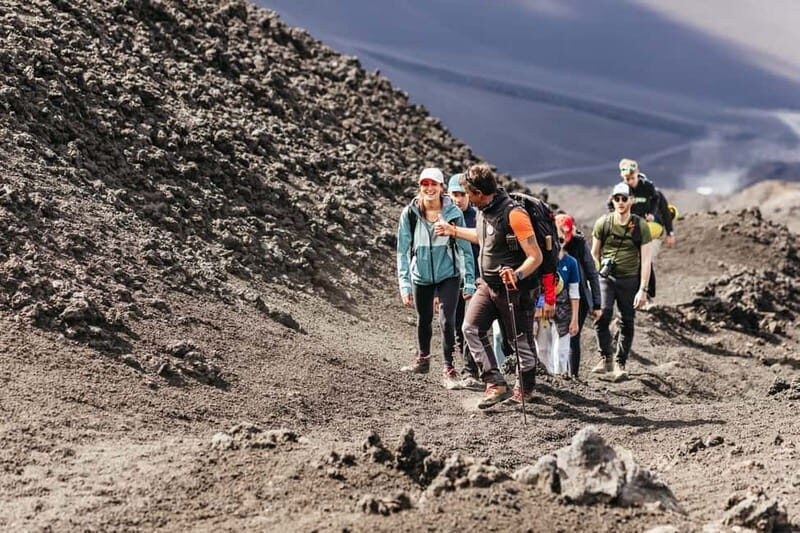
The quality of this trek depends heavily on the guide, and the names that come up again and again are Luca/Luka, Marco, and Manuel. People talk about the way these guides balance pace, keep the group moving safely, and explain the volcano in a way that stays fun—not lecture-y.
You’ll also feel it in small decisions. For example, when weather turns (rain, frost, even snow in some months), guides like Manuel are credited with adapting the trail and keeping everyone safe. That’s exactly the kind of competence you want in an active-volcano environment.
The tour description also says schedules can shift if conditions or volcanic risks create danger. In practice, that means your guide is the decision-maker. Go with the flow, follow instructions, and you’ll have a calmer day even if the route changes.
Price and Value: Is It Worth 113-ish Dollars?
The listed price is $113.29 per person for a 6-hour experience. On paper, that’s not cheap for “just hiking.” But for Etna summit access, it’s actually the right category of spending because you’re getting several things bundled together:
- Guide time from a volcanologist
- Safety and comfort gear (helmets, trekking poles)
- Cable car transport up to the main hike area
- Insurance
On a volcano day, the value isn’t only the ticket. It’s the guidance that helps you move confidently on rough terrain and understand what you’re looking at once you reach 2,700–3,000 meters. If you want Etna as a story you can tell (not just a view you snapped), this is the kind of tour that pays off.
Just do one smart thing: confirm the cable car situation for your booking, given the mixed notes about paying 50 EUR on site.
Should You Book This Etna Summit Trek?
Book it if you want a real Etna summit experience: a guided walk into the crater area, a volcanologist explaining what’s happening beneath the surface, and the kind of high-altitude views you can’t easily recreate on your own.
Skip it if you’re trying to travel light and easy, or if you have conditions listed as non-suitable—especially vertigo, respiratory issues, or heart problems. And if you’re not comfortable on rocky, possibly exposed paths, this will be more stressful than enjoyable.
If you’re a steady hiker with the right gear and a tolerance for wind and changing conditions, you’ll likely feel like you climbed the volcano, not just looked at it.
FAQ
How high does the trek go?
You’ll trek to the summit craters area up to about 3,000 meters. The cable car takes you up to around 2,500 meters, and there’s a stop at the 2001 Crater at about 2,700 meters.
How long is the tour?
The total duration is about 6 hours.
What’s the main route like?
You meet at La Terrazza Dell’Etna, ride the cable car up to about 2,500 meters, hike toward the summit craters, then hike back down to about 2,500 meters, stop for lunch on the way, visit the 2001 Crater, and return.
Is the cable car ticket included?
The information shows a cable car ticket as included, but it also states the cable car ticket is 50 EUR and paid on site. Check your booking confirmation and be prepared for the on-site payment if needed.
What should I bring?
Bring hiking shoes, sunglasses, sunscreen, warm clothing, and a backpack (10 to 20 liters). You should also bring at least 1.5 liters of water, a snack, and packed lunch.
Can I wear contact lenses?
No. Contact lenses are forbidden due to volcanic ash spread by wind.
Is lunch included?
Lunch is not included, but there is a lunch break on the way during the descent.
What languages is the guide available in?
The tour guide is available in English and Italian.
Who is the tour not suitable for?
It’s not suitable for children under 10, pregnant women, people with mobility impairments, people with heart problems, people with vertigo, and people with respiratory issues.
What if the weather or volcanic risk changes?
Schedules can change or the activity can be interrupted at the guide’s discretion due to weather, environmental causes, or volcanic risks. Safety decisions are part of the plan.