REVIEW · MOUNT ETNA TOURS
Mount Etna: Sunrise Excursion with an expert Local Guide
Book on GetYourGuide →Operated by AccuraExplorer · Bookable on GetYourGuide
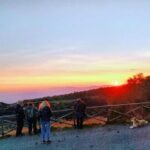
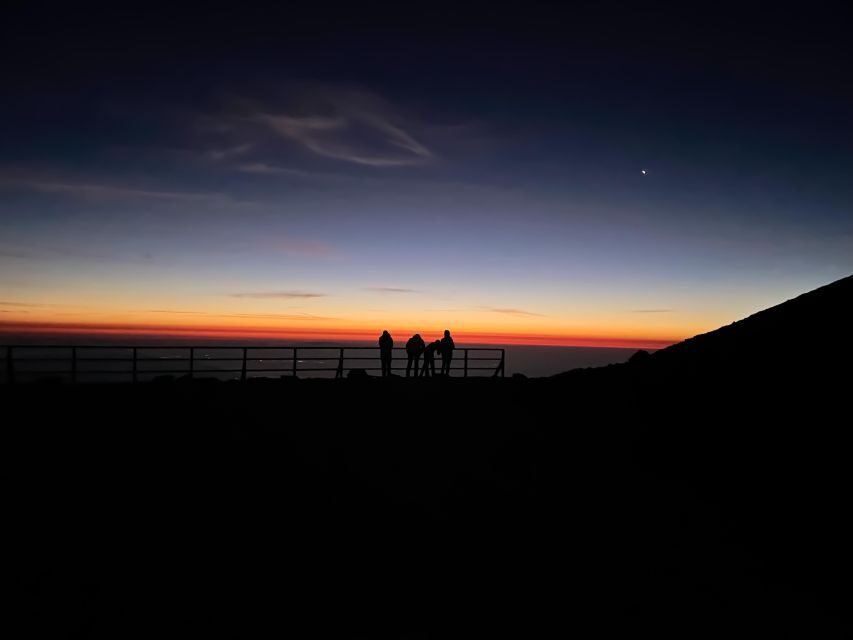
Etna at sunrise is pure drama. This 5-hour walk on the volcano’s southern slopes takes you off the main tourist route while you catch the first light over Catania and the Ionian Sea. I love the sunrise panoramas and I love the stop-to-stop geology, from endemic plants like Astragalus Siculus to volcanic formations you can actually name. One drawback to plan for: it’s an early start on uneven ground, and Etna’s ash means you should think about what’s on your face (yes, contact lenses).
What makes this one feel more thoughtful is the human side. Your guide meets you at Parcheggio Schiena d’asino, and after booking you’ll get their picture via WhatsApp so you can spot them fast. You’ll also have solid gear for low-light walking, including a headlamp and helmet, plus trekking poles—though you still need to bring your own water and plan for snacks rather than a full meal.
In This Review
- Key things to know before you go
- Sunrise on Mount Etna: why the timing matters
- Parcheggio Schiena d’asino: getting there and finding your guide
- Gear included: helmet, headlamp, poles, and what to bring yourself
- The first walking section: endemic plants and crater views before the big caldera
- Sciambro streams: why these narrow cuts matter
- Valle del Bove: the 10,000-year caldera viewpoint with a wide horizon
- Basaltic dykes, juniper, and the Hornitos turret structures
- Grotta Pitagora: the right-angle entrance concept
- Grotta Acqua Vitale: the finishing formation and final views from Etna
- How much walking is it, and who this sunrise trek suits best
- The guide experience: communication that makes the meeting easy
- Price and value: what $112.15 covers (and what it doesn’t)
- Should you book Mount Etna sunrise with this local guide?
- FAQ
- How long is the Mount Etna sunrise excursion?
- What time does the sunrise excursion start?
- Where is the meeting point for the tour?
- What does the guide provide for the hike?
- Are trekking shoes included?
- Is food or drinks included?
- What languages is the tour guide available in?
- Is it recommended to wear contact lenses?
- Do I need to tell the provider about health conditions?
- Is free cancellation and pay-later booking available?
Key things to know before you go
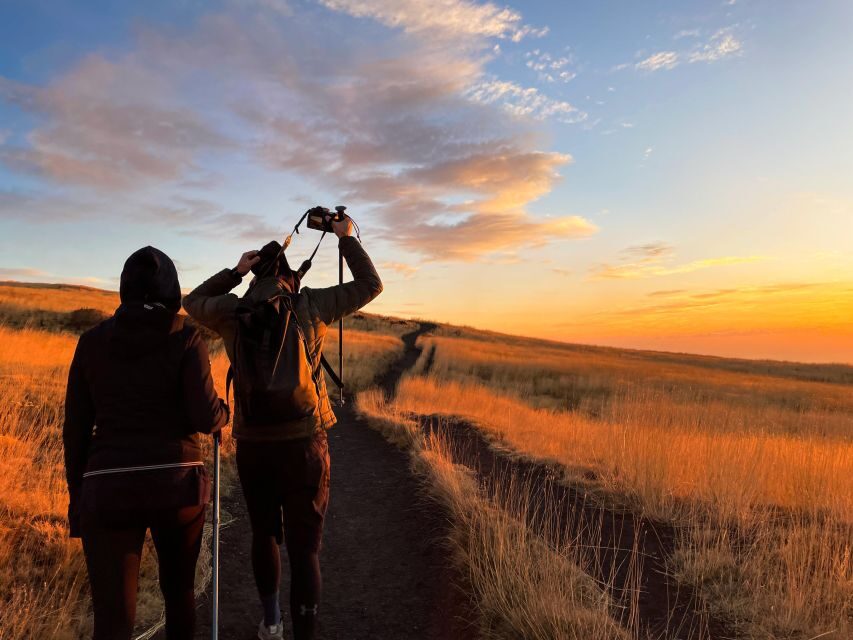
- Sunrise route off the beaten path: You’re steering away from the usual crowds and working your way through quieter parts of the volcano.
- Geology you can see up close: Adventitious craters, basaltic dykes, Hornitos, and caves show up in a guided, practical way.
- Included safety gear for low light: Helmet, headlamp, and trekking poles help you move confidently before the sun fully clears the ridge.
- Flora with a real Etna connection: You’ll look for endemic plants like Astragalus Siculus, tied to what makes Etna unique.
- Big caldera views at Valle del Bove: The timing for the viewpoint is built around the early light.
- Guide communication and flexibility: You’ll receive your guide’s photo ahead of time, and in practice guides can adjust with extra viewpoints if conditions allow.
Sunrise on Mount Etna: why the timing matters
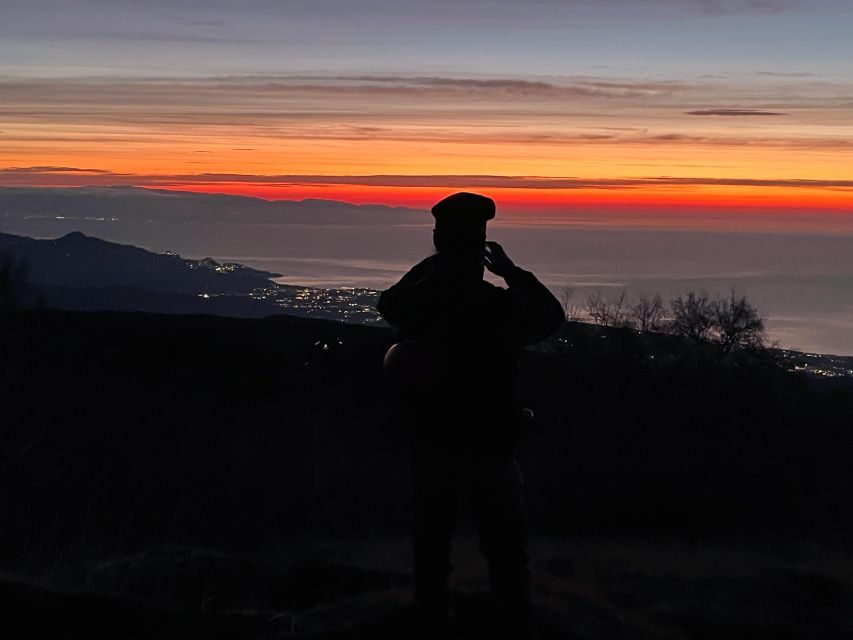
Sunrise on Etna isn’t just pretty. The early hours change how the whole volcano reads. Shadows stretch across the slopes, light hits rock edges at angles, and details in volcanic formations become easier to see. You’re also walking before the area gets busy, which makes the experience feel more like a morning outing with a local expert than a production line.
This trek focuses on the southern slopes, with a plan that mixes short photo moments and guided walking. That rhythm matters because you’re not only marching for views. You’re stopping often enough to absorb what you’re looking at—streams that cut through volcanic terrain, crater fields, and the wide, open view lines that appear as you gain height.
Other Mount Etna tours we've reviewed in Catania
Parcheggio Schiena d’asino: getting there and finding your guide
Your start point is Parcheggio di Schiena dell’Asino, near the south tourist station of Etna. Look for the meeting area across from a crossroads marked with a barrier where the trail begins.
Two practical details help a lot:
- The guide waits 10 minutes before the scheduled time.
- After booking, you’ll receive a WhatsApp picture of the guide, so you can match a face to the name when you arrive.
If you’re driving, leave a little extra time. Sunrise hikes are one of those activities where arriving rushed tends to make the rest of the morning feel harder than it needs to be.
Gear included: helmet, headlamp, poles, and what to bring yourself
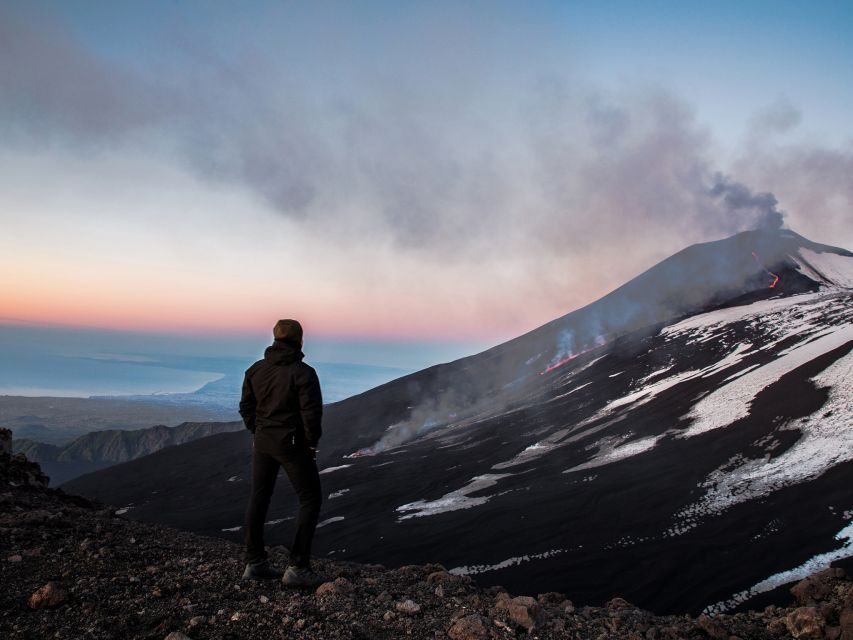
This is one of the better “gear-for-the-condition” setups I’ve seen for a morning trek. You get:
- Trekking poles
- Helmet
- Headlamp
- A disposable cap to wear under the helmet
That matters because the hike starts before full daylight. A headlamp isn’t glamorous, but it’s useful when you’re stepping carefully on uneven volcanic ground. The helmet and cap are there for protection and comfort in an environment where ash can be present.
What you should bring:
- Sturdy trekking shoes. If you didn’t pack hiking footwear, rental trekking shoes are available on request for €8.
- Water and simple snacks. Food and beverages are not included in the tour listing.
- Plan for ash: contact lenses are not recommended, since ash particles can irritate your eyes.
If you wear glasses, you’ll be fine to keep it simple. If you wear contacts, reconsider before the hike. This is one time where comfort is not optional.
The first walking section: endemic plants and crater views before the big caldera
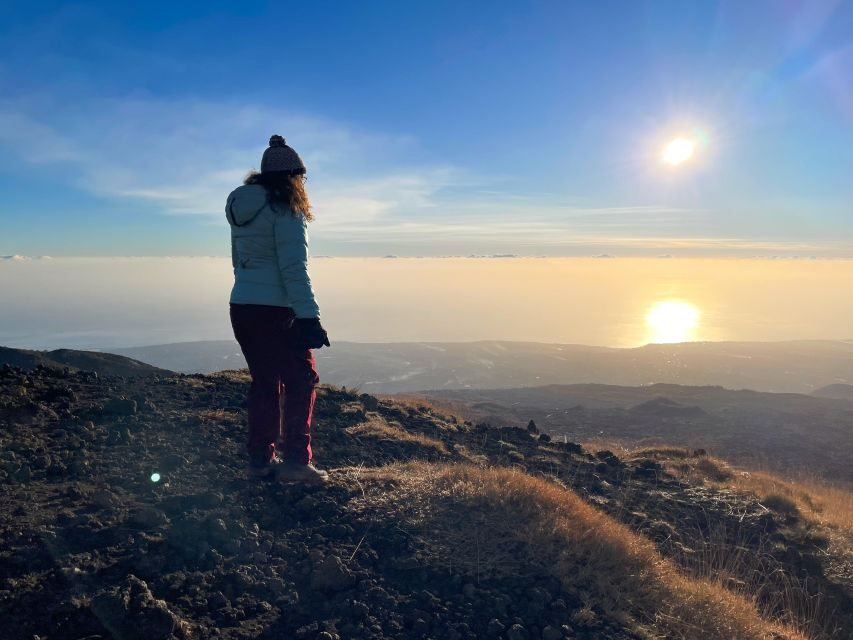
Early on, the pace is built for seeing. The guide leads you through a walk filled with endemic flora—plants that you won’t find in the same way elsewhere. One named highlight is Astragalus Siculus, which is exclusive to Mount Etna. Even if plant names aren’t your thing, it’s a nice reminder that this volcano isn’t just rocks. It’s an ecosystem shaped by geology.
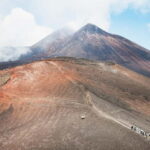
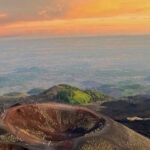
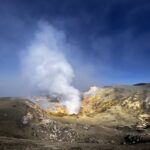
As you move, you’ll also spot numerous adventitious craters dotting the slopes. These are the kinds of volcanic features that make the mountain feel busy, even when it looks quiet from a distance. You’ll get photo stops along the way, including viewpoints with the city of Catania in view.
If weather cooperates, you might also catch sight toward the Syracuse province coastline. Sunrise lighting helps here too; a hazy horizon can still look spectacular when the sun is low.
Sciambro streams: why these narrow cuts matter
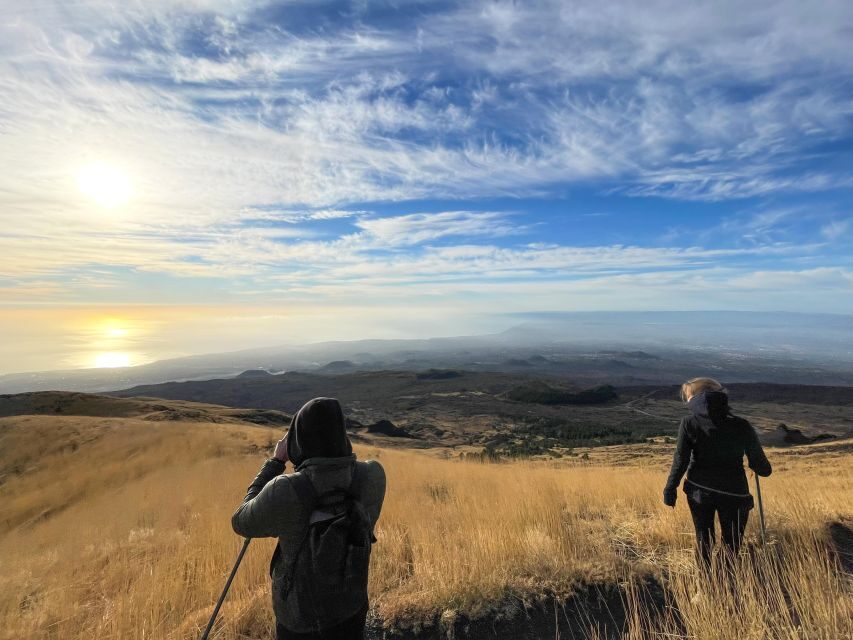
Midway through the trek, you’ll come across winding streams called Sciambro. These channels carry water sourced from snowmelt or heavy rainfall. The point of this stop is not just a quick photo. It helps you understand how water moves through volcanic terrain—how it carves, how it changes, and why certain paths feel the way they do.
And here’s the practical bonus: these features act like natural markers. When your guide points out what formed the route around them, the hike starts to feel like a guided map rather than random walking.
Other private tours with a local guide in Catania we've reviewed in Catania


Valle del Bove: the 10,000-year caldera viewpoint with a wide horizon
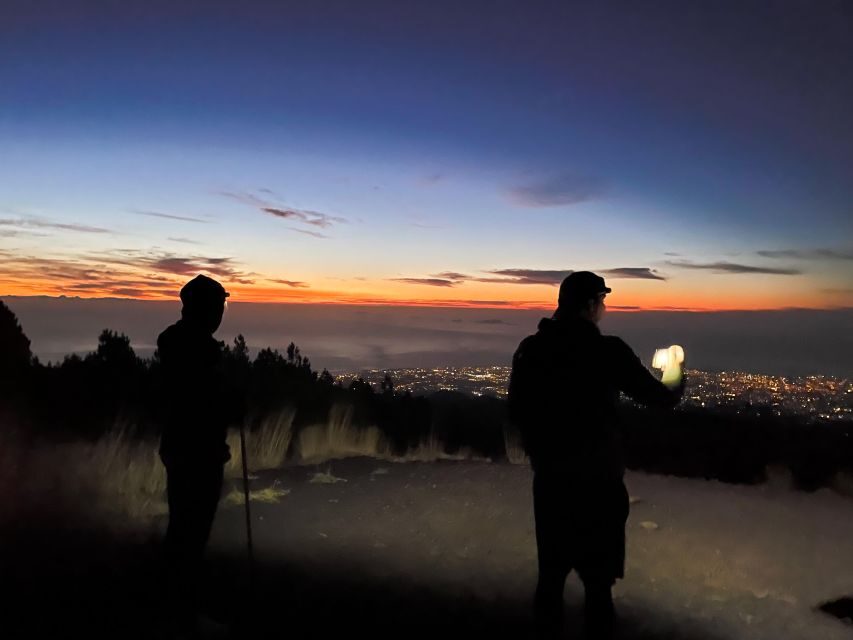
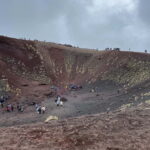
One of the main “stop and stare” moments comes at Valle del Bove. This ancient volcanic caldera is dated to roughly 10,000 years ago and stretches about 6 kilometers long and 4.5 kilometers wide.
You’ll spend around 1.5 hours around this section, including a sunrise-focused viewpoint moment and guided time on site. The view is the star:
- summit craters to the southeast crater
- Calabria
- Giardini Naxos and Taormina
- Catania and the port of Catania
- the Ionian Sea
This is where the guide’s narration really pays off. Without guidance, it can be just “big scenery.” With guidance, you start relating what you’re seeing—crater positions, valley shape, and the way volcanic walls frame the horizon—to a real story of the mountain’s formation.
You’ll also have a break with snacks and time to take photos. Plan to use that break to slow down. Sunrise climbs are a bit of a mental workout, even when the walking feels manageable.
Basaltic dykes, juniper, and the Hornitos turret structures
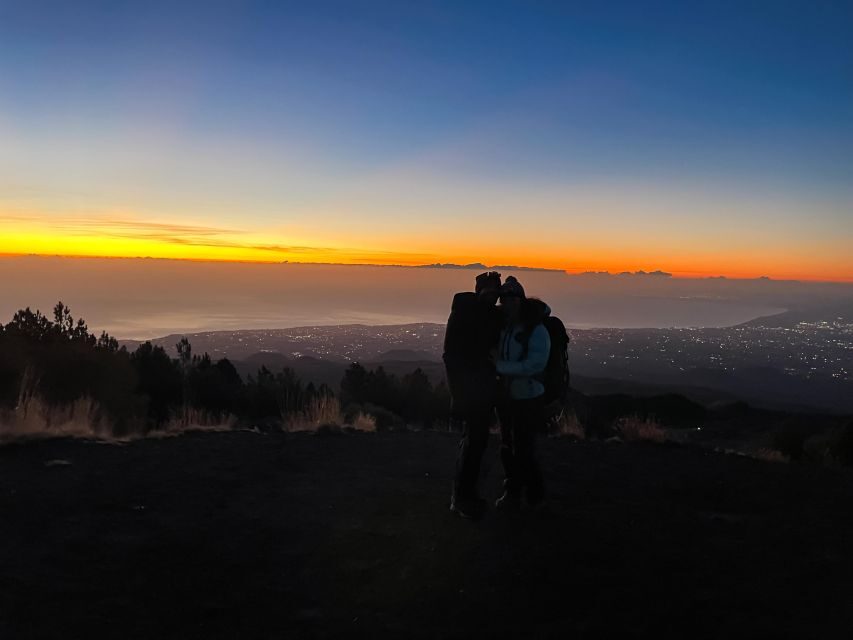
After the caldera viewpoint, the trek continues along the valley ridge. This part is about learning to see textures in the rock.
You’ll encounter basaltic dykes close by. A dyke is a sheet of magma that forced its way into cracks, then solidified. On Etna, these features help explain why the terrain looks layered and segmented.
Another named highlight here is the juniper plant, linked to Etna’s Gin. It’s a fun connection because it ties the volcanic world to something you can recognize later as a Sicilian product, not just a scientific label.
Then you’ll look for Hornitos—volcanic structures shaped like small turrets. The guide will point out features formed around 1600 from welded rocks. If you like “hands-on geology” moments, this is one of them: you’re seeing results of specific volcanic activity, not just generic rock.
There’s even a small “window” viewpoint where rock formations can look like a framed cityscape. It’s the kind of stop that makes you feel like the volcano is being theatrical just for photos.
Grotta Pitagora: the right-angle entrance concept
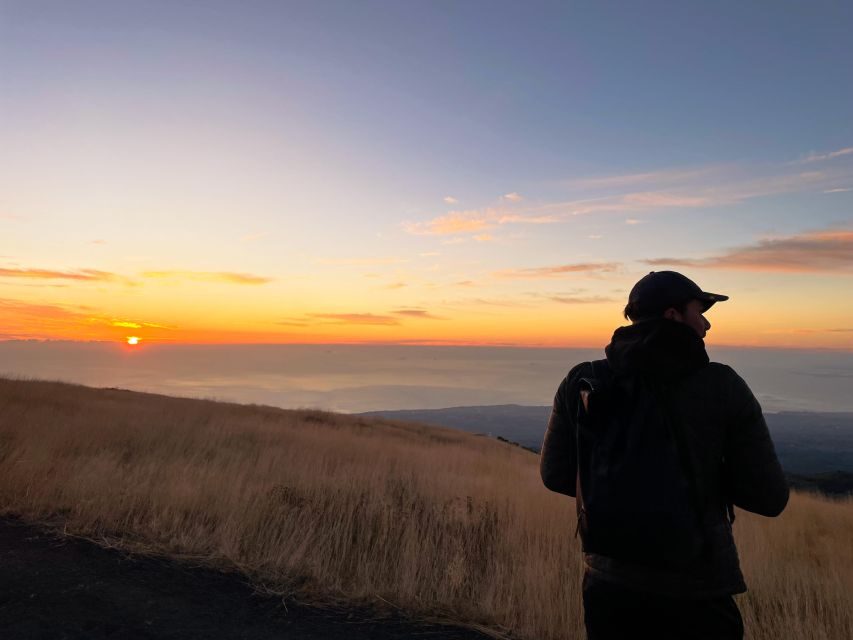
Next comes Grotta Pitagora. The name comes from the entrance shape, described as resembling a right-angled triangle, similar to Pythagoras’ theorem.
This part works well because it’s short—about 30 minutes including photo and guided time—yet it gives you a clear visual anchor. You’ll look at the formation, listen to the explanation, then take your own view of the entrance.
If you’re the type who likes to understand names instead of just memorize them, you’ll probably enjoy this stop.
Grotta Acqua Vitale: the finishing formation and final views from Etna
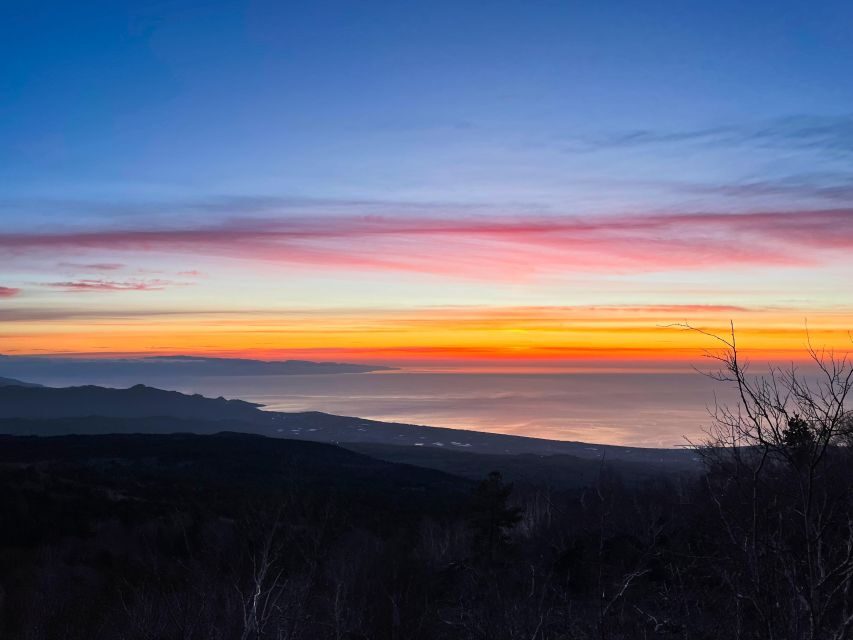
The tour finishes with Grotta Acqua Vitale, another cave stop with about 1 hour for photo and guided viewing and walking time. The key value here is the shift from open views back to close-in geological details.
Caves and water-related volcanic features tend to change the air and temperature a bit, and that break from the open ridge can feel like a reset for your legs and your attention.
After that, you drive through the volcanic terrain for a final glimpse before returning to Parcheggio Schiena d’asino.
How much walking is it, and who this sunrise trek suits best
This is a 5-hour excursion, and you’ll be on foot for multiple guided walking stretches, with photo stops and viewpoint time built in. You’ll want to be comfortable with early light and uneven ground.
It suits:
- first-time Etna visitors who want more than a generic view
- people who like geology explanations they can actually connect to what they see
- hikers who want a structured route without the stress of figuring out the details
- anyone who values a guide who adjusts to your pace and questions
It may be less ideal if you’re expecting a slow, flat stroll. This is a volcano morning, not a park walk.
The guide experience: communication that makes the meeting easy
The guide is a big part of why this tour tends to land well. The tour includes English and Italian live guiding, and the meeting process is designed to reduce confusion with the WhatsApp picture system.
In practice, guides are also attentive to how the group is doing. For example, at least one guide setup has included answering lots of questions and adjusting the plan to include another crater viewpoint when possible. That kind of flexibility is exactly what you want at sunrise, because weather and light can shape what’s worth seeing.
Price and value: what $112.15 covers (and what it doesn’t)
At $112.15 per person for 5 hours, you’re paying for a guided sunrise trek plus safety and movement gear. Included items are not small:
- trekking poles
- helmet
- headlamp
- disposable cap under the helmet
- experienced live guide
Not included:
- hotel transfer service
- food and beverages
- trekking shoes (though rental is available for €8)
So the value calculation comes down to this: if you already have hiking shoes and you planned your own water/snack situation, the included gear offsets part of the cost. If you need to rent shoes and you arrive without a plan for snacks, you’ll spend more.
For many people, the biggest “cost” is time and planning. This tour helps with that because it’s organized and structured around sunrise, not around a vague “morning of Etna.”
Should you book Mount Etna sunrise with this local guide?
Yes, if you want a sunrise Etna experience that treats geology and local plant life as part of the show, not an afterthought. The mix of viewpoint time at Valle del Bove, named volcanic formations, and a guided route that avoids the densest tourist flow is a strong fit for active travelers who enjoy learning while they walk.
Book it if:
- you want sunrise views over Catania, the Ionian Sea, and the wider horizon
- you like explanations tied to specific rocks and features
- you appreciate having proper gear for early walking
Skip it or reconsider if:
- you aren’t comfortable with early starts and walking on volcanic terrain
- you use contact lenses and don’t want to follow the ash guidance
- you want a tour that includes meals and drinks
If you go in with hiking shoes (or budget for €8 rentals) and a simple hydration plan, you’ll get a very efficient, very memorable Etna morning.
FAQ
How long is the Mount Etna sunrise excursion?
The tour duration is listed as 5 hours.
What time does the sunrise excursion start?
Starting times vary. The listing asks you to check availability to see the specific start time for your date.
Where is the meeting point for the tour?
You meet at Parcheggio di Schiena dell’Asino, near the south tourist station of Etna, across from a crossroads where a barrier marks the start of a trail.
What does the guide provide for the hike?
The tour includes an experienced guide, trekking poles, a helmet, a headlamp, and a disposable cap to wear under the helmet.
Are trekking shoes included?
No. Trekking shoes are not included, but rental is available upon request for €8.
Is food or drinks included?
Food and beverages are not included.
What languages is the tour guide available in?
The live tour guide is available in English and Italian.
Is it recommended to wear contact lenses?
The tour advises against contact lenses due to ash, which can be irritating or risky for your eyes.
Do I need to tell the provider about health conditions?
Yes. The tour advises you to communicate your health conditions to help minimize potential issues during the excursion.
Is free cancellation and pay-later booking available?
Free cancellation is available up to 24 hours in advance for a full refund, and you can reserve now & pay later (pay nothing today).
![|FROM CATANIA| Etna and Taormina Tour [PRIVATE TOUR] - Photo Stops at Grotta dei Tre Livelli and a Local Producer Tasting](https://cd.cataniatravel.com/wp-content/uploads/from-catania-etna-and-taormina-tour-private-tour.jpg)