REVIEW · AIRPORT TRANSFERS
Mt Etna: Winter Trekking Tour with Optional Catania Transfer
Book on GetYourGuide →Operated by Sicilying S.R.L. · Bookable on GetYourGuide
Winter Etna walks feel like science.
This 3-hour trek on the Bove Valley route is a standout for its big winter views (from the Gulf of Catania toward the Ionian Sea) and for the way you hike through real volcanic terrain, not just lookouts. I also like that the experience includes safety-minded gear for cold conditions—wind jacket, hiking poles, and snowshoes—so you can focus on the hike. One drawback to plan for: this is rugged, cold, high-altitude walking, so it isn’t a fit if you have heart issues, high blood pressure, or you need wheelchair access.
If you want Etna in winter—quiet, sharp air, and dramatic geology—this route gives you plenty to work with.
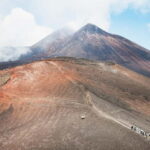
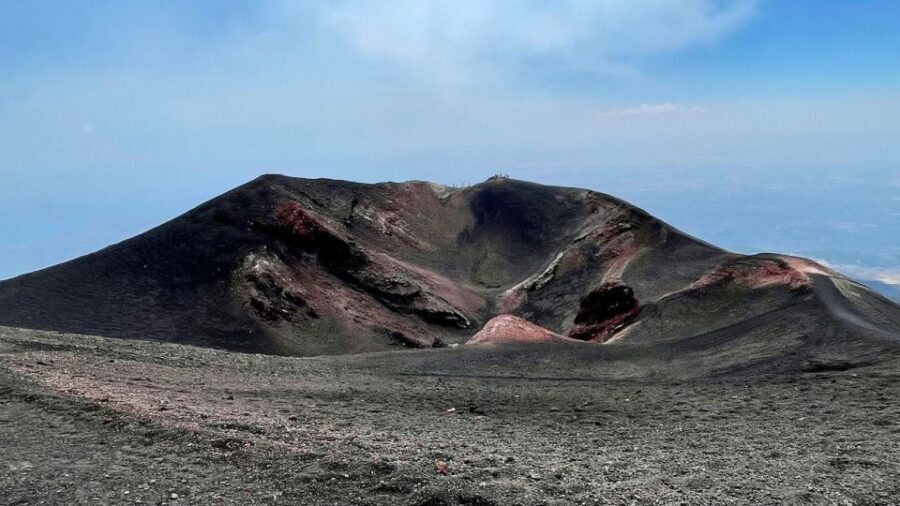
You’ll move from forested slopes up toward active summit craters, then into the wide lava basin of Valle del Bove, ending with the 2001 eruption fracture area and the upper Silvestri craters.
In This Review
- Key highlights worth your attention
- Where this winter Etna trek really starts: Rifugio Sapienza at 1850m
- Gear and pace: snowshoes, poles, and a small-group feel
- Walking through black larch pine and Etna’s winter plants
- The Gulf of Catania to Ionian Sea panorama: how the guide helps you orient
- Southeast crater views: understanding Strombolian activity up close
- Valle del Bove: the massive lava basin that channels danger away
- The 2001 eruptive fracture at 2100m: seeing consequences in the ground
- Upper Silvestri craters: finishing with crater-country views
- Value and price: is $58 worth it?
- Optional Catania transfer: best for visitors staying downtown
- Who this trek is best for (and who should skip)
- My take: the best reason to book this Etna winter walk
- Should you book Mt. Etna: Winter Trekking Tour with Optional Catania Transfer?
- FAQ
- How long is the Mt. Etna winter trekking tour?
- Where does the trek start?
- Is pickup and drop-off available from Catania?
- What languages is the guide available in?
- What hiking equipment is included?
- What should I bring?
- Is food included?
- What type of group size should I expect?
- Where do I get dropped off?
- Who is this tour not suitable for?
Key highlights worth your attention
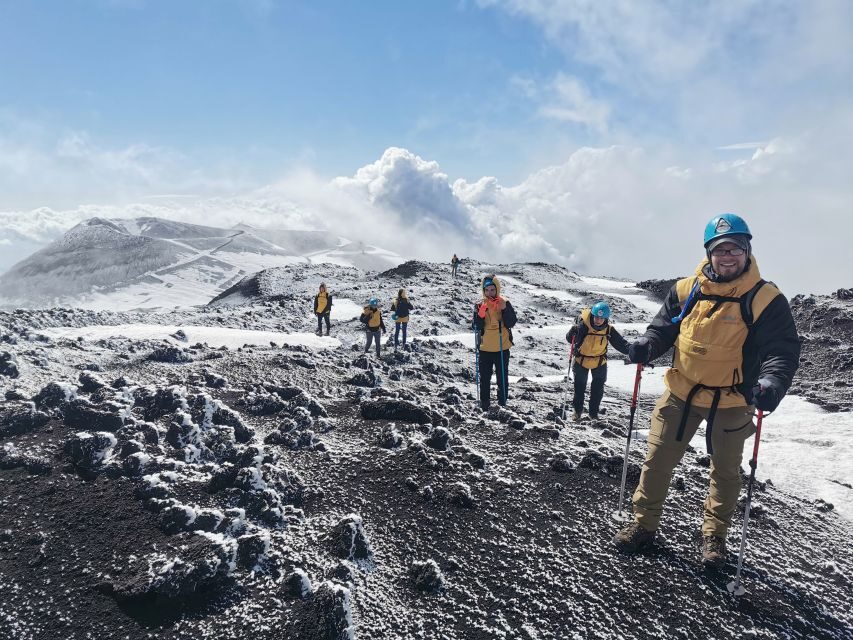
- Winter snowshoes and winter layering included: wind jacket, poles, and snowshoes mean less packing and better traction.
- Panoramas you can orient yourself with: views stretch from the Gulf of Catania toward the Ionian Sea.
- Bove Valley’s scale is the point: a basin about 10 km long and 5 km wide that channels lava away from populated areas.
- You’ll get close to current activity: the southeast crater area has shown Strombolian activity and lava flow that can change the crater shape.
- Two major “geology stops”: the 2001 eruptive fracture zone around 2100 m and then the upper Silvestri craters.
- Guides that explain clearly in English/Italian: Alfredo and Alfonso-style guiding is praised for being clear, professional, and confidence-building.
Where this winter Etna trek really starts: Rifugio Sapienza at 1850m
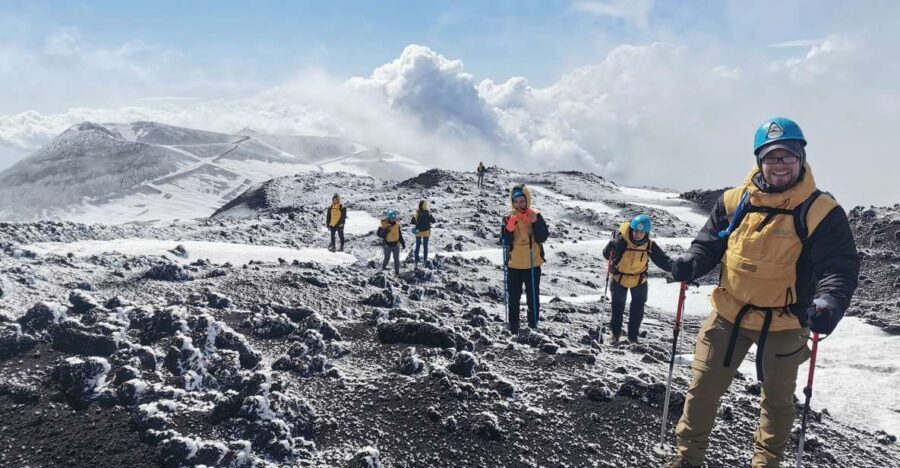
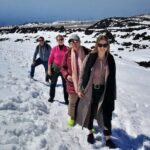
This tour begins around Rifugio Sapienza (1850 m), which matters because it sets the tone fast. At this elevation in winter, you’re not just sightseeing—you’re hiking in real mountain weather, often with snow on the ground. That’s exactly why the tour includes snowshoes and a wind jacket. If you’ve ever done a cold hillside walk without the right footwear, you’ll appreciate the built-in solution here.
From the start, your path runs along slopes and sandy ground through a zone known for winter vegetation. Even in cold season, there’s life to notice if you slow down for a moment and watch what grows where. It’s not about pretty postcard fluff. It’s about how plants survive on a volcanic mountain that changes shape over time.
Other Mount Etna tours we've reviewed in Catania
Gear and pace: snowshoes, poles, and a small-group feel
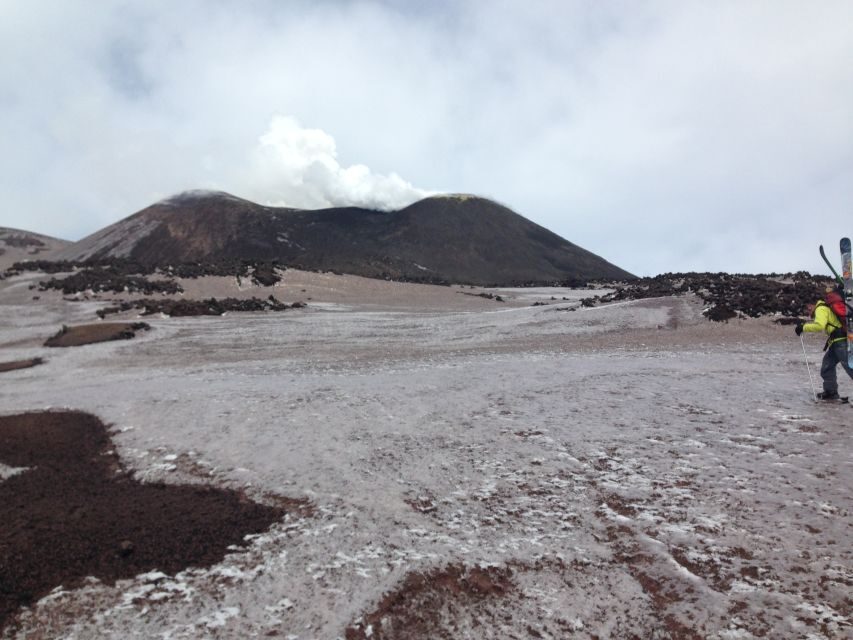
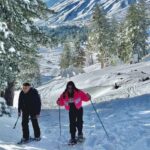
The included gear is one of the smartest parts of the value. You get:
- Wind jacket
- Hiking poles
- Snowshoes
That means you don’t need to hunt for rentals or guess what you’ll need. You still need to bring your own warm clothing and water, but the biggest winter unknowns are handled for you.
The hike is also built around a guide-led pace with stops for photos and time to look. The itinerary includes a longer break period around Valle del Bove (about 1 hour total of free time plus guided elements like photo stops and visits). That’s useful. On Etna, winter conditions can make you feel like you’re working the whole time; having planned breathing room helps you enjoy the views instead of just surviving the terrain.
Group size is listed as small-group available, and that usually means you don’t get stretched out so far that you lose the context of the guide’s explanations.
Walking through black larch pine and Etna’s winter plants
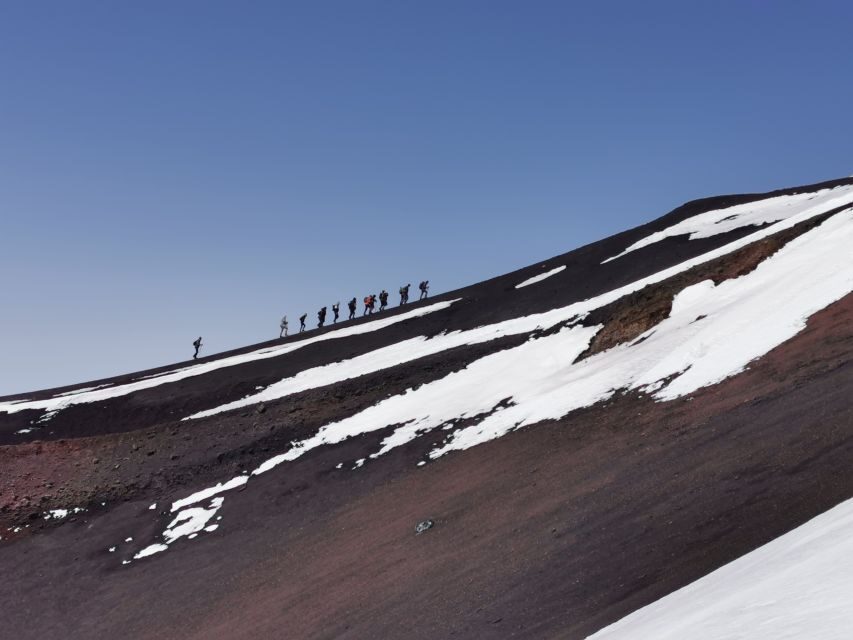
One reason I like this route in winter is the plant story. Your early walking segment passes through a black larch pine forest with endemic vegetation that you might otherwise miss if you only show up in summer.
As you move along the slope, the tour highlights winter plant types such as:
- soapwort
- low shrubs
- Etna violets
These names help you “read” the mountain as more than rock and ash. In other words, you’re not only looking at geology—you’re also seeing how life clings on in a place that keeps changing. It also gives your guide an easy way to explain the ecosystem in practical terms: where vegetation can take hold, what grows at altitude, and how the volcanic ground influences what survives.
Practical tip: in winter, you’ll be tempted to keep your eyes down for traction. Do that for a few minutes, then lift your gaze when you feel steady. The views and the plant details are both part of the experience.
The Gulf of Catania to Ionian Sea panorama: how the guide helps you orient
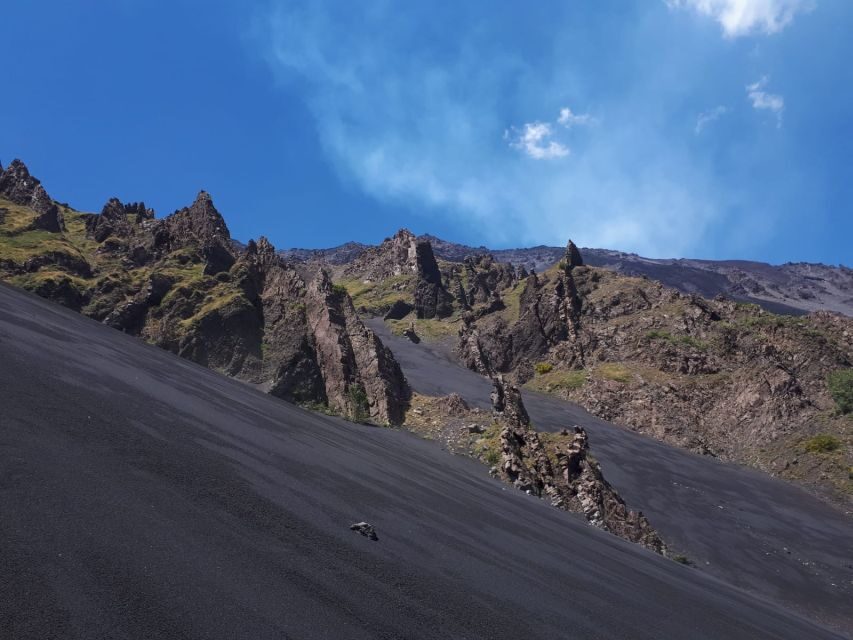
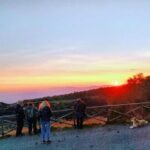
A standout moment is the panorama from the Gulf of Catania out toward the Ionian Sea. This is one of those views where your brain wants a map, so it helps to have a guide who can point things out.
What you’re seeing isn’t just beauty—it’s context. With the coast and sea in frame, Etna’s scale becomes real. The mountain feels less like a single peak and more like a system that reaches out toward the inhabited coastlines below.
In winter, the air can make the distance feel crisp, and you’re more likely to get a clean line of sight. If clouds roll in, you might get more dramatic, muted light instead. Either way, the experience is built around seeing the horizon, not just looking at a nearby crater.
Southeast crater views: understanding Strombolian activity up close
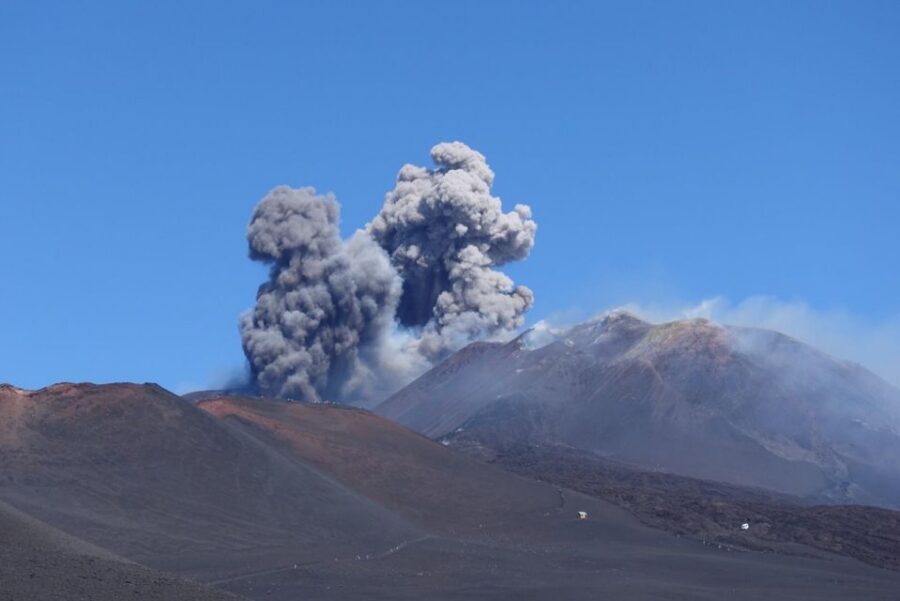
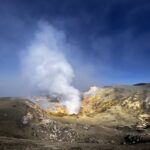
Later, the tour takes you toward the active summit crater area, with the southeast crater in the foreground. The important part isn’t that you’ll see a specific eruption on your date. It’s that you’re hiking in a zone where the mountain has been active recently.
The tour notes that during 2021 and the first months of 2022, the southeast crater produced intense eruptive events, including Strombolian activity and lava flow that changed the crater’s morphology. Even if the volcano isn’t actively erupting at that exact moment during your walk, you’re still in a place shaped by recent, ongoing behavior.
This is one of the reasons a guide matters. When you’re close to volcanic features, you’ll likely want answers fast:
- What does Strombolian activity look like?
- Why does lava change the crater form?
- What are you actually seeing, versus assuming?
A well-explained walk turns uncertainty into understanding. And the guide experience here is specifically praised for clear, professional explanations that make you feel secure on the slopes.
Other airport transfer services in Catania we've reviewed in Catania

Valle del Bove: the massive lava basin that channels danger away
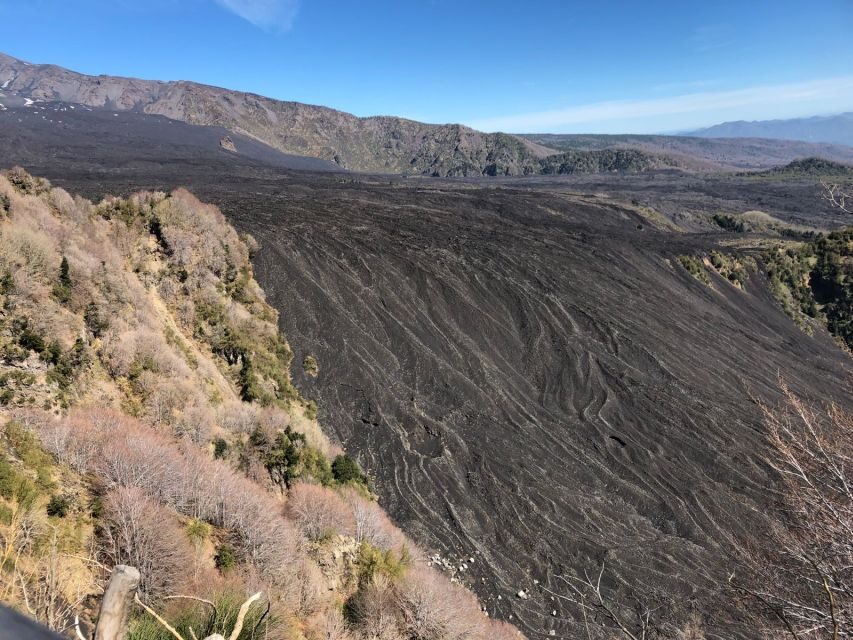
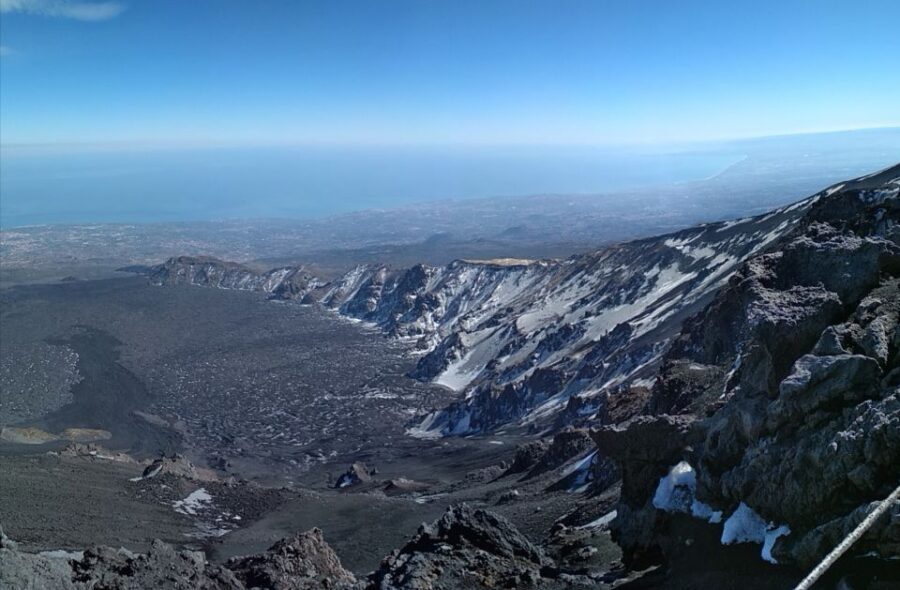
Then you move into Valle del Bove, and this stop is where the mountain story becomes practical. The guide helps you understand the valley as a physical feature with a job during eruptions.
Here’s what makes the basin so important:
- It’s described as about 10 km long and 5 km wide
- It acts like a barrier during eruptions, helping channel lava away from populated areas
Standing in winter conditions—where everything feels quieter—this explanation lands differently. You can see how the terrain funnels movement. It’s not abstract. It’s a huge bowl-shaped volcanic feature that influences where molten rock goes.
You’ll hike along the south wall of this basin, and there’s a built-in rhythm to the experience: move, pause for a photo, and let the scale hit you. There’s also a planned stop with break time, photo stop, guided visit, and about an hour of free time, which is exactly what you need here. Valle del Bove begs for time.
The 2001 eruptive fracture at 2100m: seeing consequences in the ground
After the Valle del Bove segment, you head west to reach the 2001 eruptive fracture area at about 2100 m, then continue toward the upper Silvestri craters before returning.
This is where Etna becomes more than a current-activity story. You’re walking along traces of earlier eruptive change, and the ground itself is part of the lesson. A fracture zone is basically the mountain showing you where it broke open and how material moved afterward.
Even if you don’t know volcanic terms before you go, you can still get something out of this stop because it’s anchored to a date and location on the route. That makes the geology easier to picture: this place experienced an event, and you’re walking through the aftermath.
Upper Silvestri craters: finishing with crater-country views
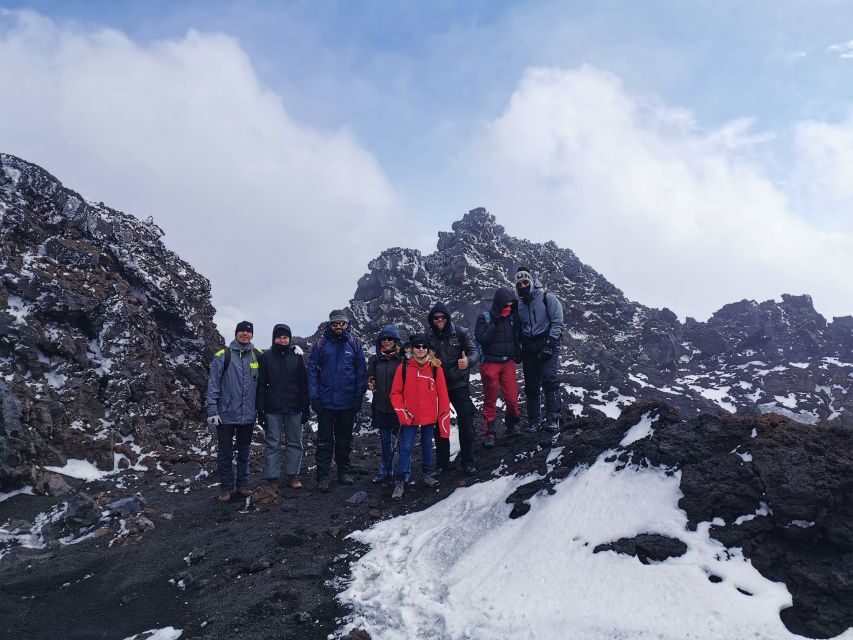
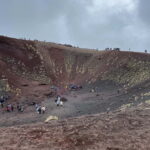
The final crater stop is the Silvestri craters zone, with break time and photo stops, plus guided touring. This part is short enough to fit comfortably into a 3-hour total duration, but it usually leaves you with that satisfying feeling that you didn’t just scratch the surface.
The upper crater terrain tends to feel more rugged and visually complex than the earlier slope segments. In winter, everything reads sharper: edges, textures, and the shape of the volcanic terrain.
Also, this is a natural place to ask questions. When you’re standing among crater features, you get a chance to connect the earlier explanations (like the role of valleys during eruptions and the meaning of summit activity) to what you’re seeing in front of you.
Value and price: is $58 worth it?
At $58 per person for about 3 hours, this tour is priced in a way that can feel very fair—especially because key winter items are included. You’re not just paying for a guide. You’re paying for:
- multilingual guidance (English and Italian)
- wind jacket, hiking poles, and snowshoes
- a route that covers both panorama viewpoints and multiple volcanic stops
If you were to rent snowshoes and figure out transport and last-mile logistics on your own, the cost can creep up quickly. Here, the math is simpler. You show up with warm clothing and water, and the rest is taken care of.
Your cost doesn’t include food and drinks, so that’s your main “extra” item. If you’re planning a day around this, pair it with a lunch plan in Catania or your next stop so you don’t end up hungry afterward.
Optional Catania transfer: best for visitors staying downtown
The tour offers optional pickup and drop-off in Catania, plus two drop-off locations (Catania and Monte Gebel). If you’re based in Catania and you don’t want to wrestle with winter timing and mountain access, this can be a big stress reducer.
There’s also a practical note: drivers wait no longer than 5 minutes after the scheduled pickup time. That’s short. So if you choose the transfer option, plan to arrive early and avoid last-minute delays.
Even if you don’t take the transfer, keep in mind that winter Etna logistics can add friction. The optional pickup is one of those details that matters more than it sounds like it will.
Who this trek is best for (and who should skip)
This is a winter mountain trek. It’s best for you if you want:
- real guided hiking on Etna in winter
- active crater-country viewpoints (not just a bus stop)
- a route that includes panorama time, crater explanation, and Valle del Bove scale
It’s not suitable for:
- pregnant women
- people with heart problems
- wheelchair users
- people with high blood pressure
If you’re unsure about your fit, consider that altitude plus uneven terrain can add physical demand. The tour also uses snowshoes, which can feel awkward if you’re not used to it, even if the pace is guided.
On the plus side, the guiding style is described as confidence-building and clear, with one comment noting it’s suitable for kids. That suggests the guide knows how to manage a mixed group and keep the experience understandable.
My take: the best reason to book this Etna winter walk
If you care about volcanoes, this tour gives you both the drama and the structure. You get panorama views you can orient to (sea and coast), then you move into a route that explains why certain valleys and crater areas matter during eruptions.
It’s also a rare kind of winter activity that doesn’t feel like a compromise. Instead of viewing snow as a problem, the tour turns it into part of the experience with included snowshoes and a winter-ready setup.
Yes, it’s cold and it’s physical. But that’s the point. Etna in winter is a different feeling than Etna in summer, and this route is designed to make that winter version meaningful.
Should you book Mt. Etna: Winter Trekking Tour with Optional Catania Transfer?
I’d book it if you want a guided winter Etna hike that balances views, active-volcano context, and big geology stops in just 3 hours, with key gear provided. The $58 price works best if you’d rather not worry about renting snow equipment or figuring out mountain access.
I’d skip it if you’re not comfortable with cold, uneven walking, or if you fall into the listed health and accessibility limits. Also, if you want a fully food-included outing, plan to bring snacks or arrange lunch, since food and drinks aren’t included.
If you’re flexible on winter weather and you like learning what you’re seeing, this is a solid, practical way to experience Etna’s crater-world and the scale of Valle del Bove.
FAQ
How long is the Mt. Etna winter trekking tour?
The duration is 3 hours.
Where does the trek start?
It starts around Rifugio Sapienza at 1850 m.
Is pickup and drop-off available from Catania?
Yes. Pickup and drop-off at Catania are included if you choose the transfer option.
What languages is the guide available in?
The live tour guide offers English and Italian.
What hiking equipment is included?
You get a wind jacket, hiking poles, and snowshoes.
What should I bring?
Bring warm clothing and water.
Is food included?
No. Food and drinks are not included.
What type of group size should I expect?
Small group is available.
Where do I get dropped off?
There are two drop-off locations listed: Catania and Monte Gebel.
Who is this tour not suitable for?
It is not suitable for pregnant women, people with heart problems, wheelchair users, or people with high blood pressure.