REVIEW · SCUBA DIVING
Catania: Scuba Diving Experience
Book on GetYourGuide →Operated by Jonio Pro-Dive Catania · Bookable on GetYourGuide
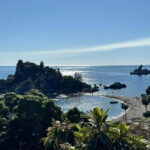
Catania’s coast turns lava into a real underwater route. I love how this setup keeps things simple and safe, with a maximum depth of 5 meters max, and I also love the human side: instructors like Samantha, Bruno, and Vicki are calm, patient, and strong at explaining gear and steps before you go. One drawback to plan around: you need to be in good health and comfortable in the water—non-swimmers aren’t a fit, and it’s not for kids under 10 or pregnant women.
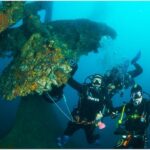
This is a 2-hour Ionian Sea experience built for people who want their first real look at volcanic seabeds. You’ll start at the Catania scuba center inside Camping Jonio, get fitted with everything you need, then head out to see submerged caves, lava formations, and the biodiversity living right there on the edge of Sicily’s geology.
And yes, the meeting spot is inside a camping area. That’s not a problem, just a heads-up: it feels casual, so come a few minutes early and follow the staff lead.
In This Review
- Key Things I’d Tell a Friend Before You Go
- Meeting at Camping Jonio: Where You Start the Clock
- Gear Included: What You Won’t Have to Pack
- Safety Briefing Before You Go: The Real Secret Ingredient
- Into the Ionian Blue: How the Underwater Time Usually Flows
- The Volcanic Seafloor: Lava Flows, Caves, and What It Means
- Language Support That Actually Helps You Learn Faster
- Small Group Size: Why Up to 6 People Changes Everything
- What to Bring (So You Don’t Get Stuck in “Gear Confusion”)
- Duration and Depth Reality Check
- Price and Value: Is $94 Worth It?
- After You’re Back: Debrief, Snack, and Photos
- Who Should Book This Catania Session
- The Post-Dive Etna Rule: Plan Your Day Around It
- Should You Book This Catania Scuba Experience?
- FAQ
- How deep do you go during the Catania scuba experience?
- Where is the meeting point in Catania?
- What scuba equipment is included in the price?
- Is this activity suitable for non-swimmers or kids?
- What languages are available for the instructor?
- What should I avoid after the dive?
Key Things I’d Tell a Friend Before You Go
- First-breath coaching that reduces panic: If you’re nervous, the instructors’ whole thing is making you feel steady before you go under.
- The 5-meter limit keeps the session focused: You’re not hunting depth. You’re learning control and exploring the seabed close to the surface.
- Volcanic terrain is the whole point: Expect to look at seabed shapes created by ancient lava flows and the story they tell under the water.
- Small groups mean more attention: With a cap of 6 participants, it’s easier to get help with breathing, equalization, and gear.
- Staff communication in multiple languages: Italian, English, French, Spanish, and German are all supported.
- Post-water debrief and a snack: You’re not just released into the day—you get a check-in, photos, and something to eat.
Meeting at Camping Jonio: Where You Start the Clock
Your experience starts in Catania, inside Camping Jonio, at the scuba center listed for the booking. Plan to arrive a bit early so you can get through check-in smoothly, because once you’re set, the staff moves quickly through equipment and safety.
After you meet the team, you’ll register and then get your gear fitted. This part matters more than it sounds. A good fit on mask and fins changes how the rest of the experience feels—less fiddling, more comfort.
If you’ve never worn scuba gear before, you’ll also appreciate that the staff doesn’t treat this like a factory line. People in reviews described getting clear guidance on how to use the equipment and how to stay calm, which is exactly what you want at the start.
Other scuba and snorkeling tours in Catania we've reviewed in Catania

Gear Included: What You Won’t Have to Pack
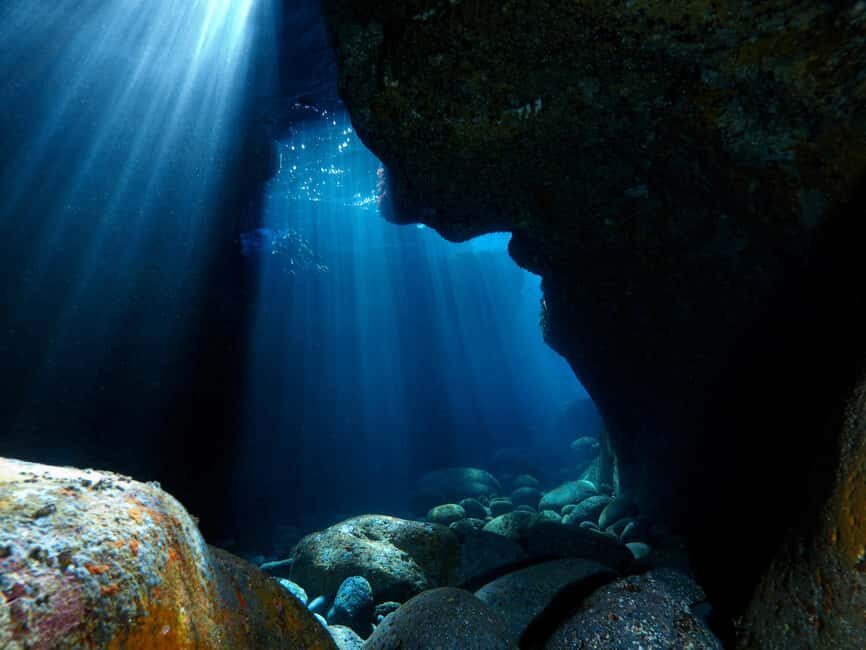
The price includes full scuba equipment, so you can travel light. Here’s what’s provided:
- Wetsuit
- Mask
- Fins
- BCD/jacket
- Regulator
- Tank
- Weights
What’s not included is equally important. You’ll want to bring a swimsuit and plan for changing; a beach towel and flip-flops aren’t included either.
This is one of the best value parts of the offer. When you arrive with the right clothing and a couple basics, you avoid the usual add-ons that pop up in gear-rental scenarios.
Safety Briefing Before You Go: The Real Secret Ingredient
Before you enter the water, you’ll get a briefing that covers your equipment and what you’ll do in the session. This is where instructors set expectations. You learn how the gear works, what signals you’ll use, and how the group will move together.
This tour is designed as a test session with an instructor in total safety, with a maximum depth of 5 meters. That low depth isn’t just for beginners—it’s also practical. It keeps buoyancy and breathing manageable, so you can actually enjoy the volcanic scenery instead of thinking about staying in control.
In the reviews, a pattern shows up: when someone was nervous, the instructor stayed patient and explained steps clearly. One first-timer described panicking at the start, but calm coaching helped them settle quickly. Another person noted their oxygen went down a bit faster than the rest; the instructor remained cautious and made sure everything stayed under control. That’s the vibe you want.
Into the Ionian Blue: How the Underwater Time Usually Flows
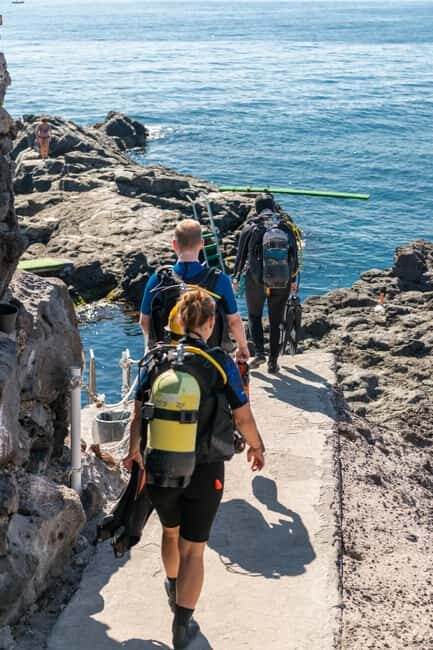
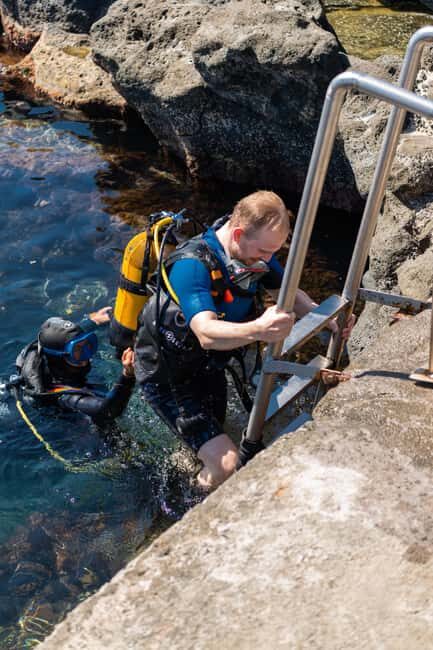
Once everyone is ready, you’ll enter the water and head out into the blue off Catania. The session is short by design—about 2 hours total—so the plan is to get you comfortable fast and then let you focus on the environment.
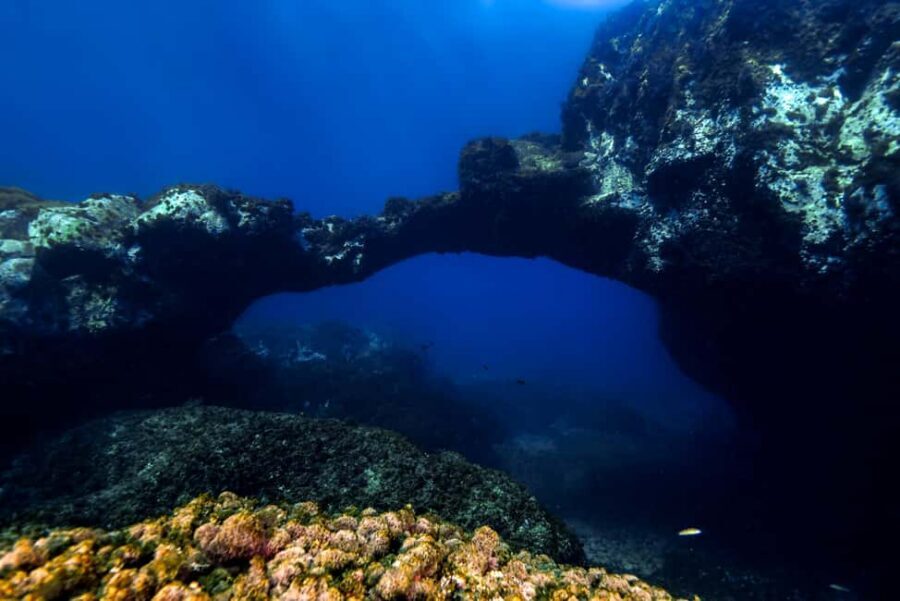
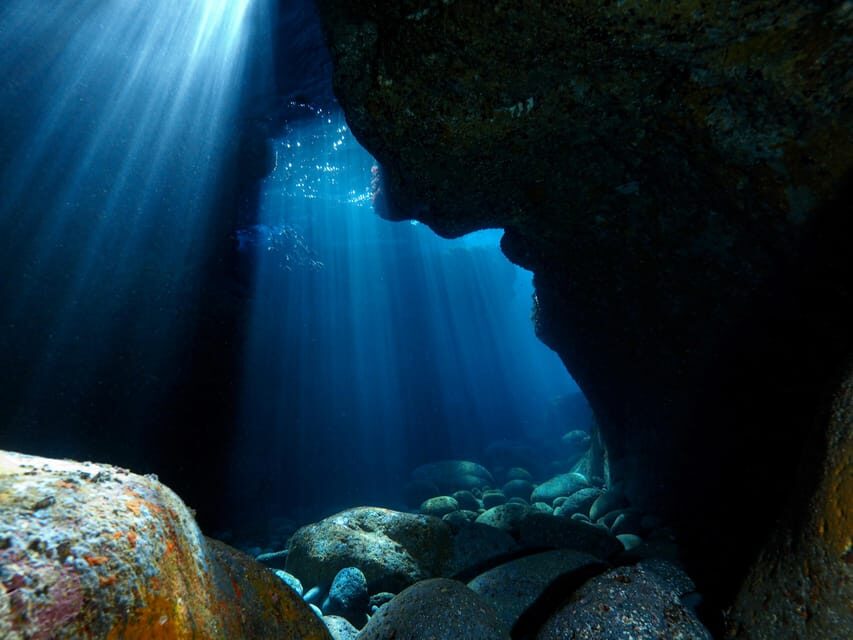
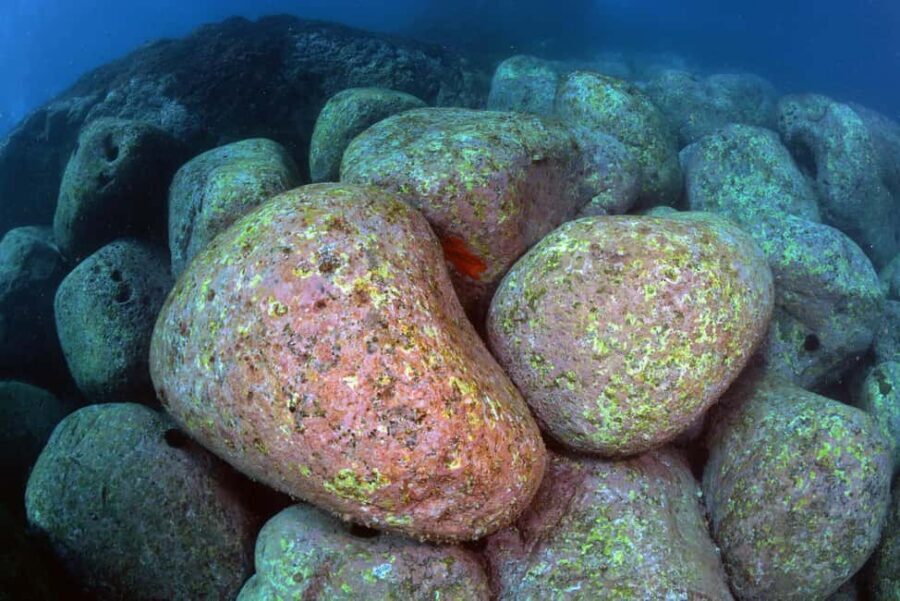
What you’ll see is not generic reef scenery. The seabed here is shaped by ancient lava flows, and the tour is built around that volcanic texture under the water. One key detail from the tour description: the last lava that reached the sea dates back roughly 15,000 years ago. That timeline makes the experience feel grounded in a real place, not a set piece.
As you move along, you’ll pass areas of submerged caves and see lava-based morphology. This is where the scenery gets interesting for non-experts. Instead of just looking at fish, you can look at the forms—angles, ridges, and surfaces that weren’t made by waves or sand alone.
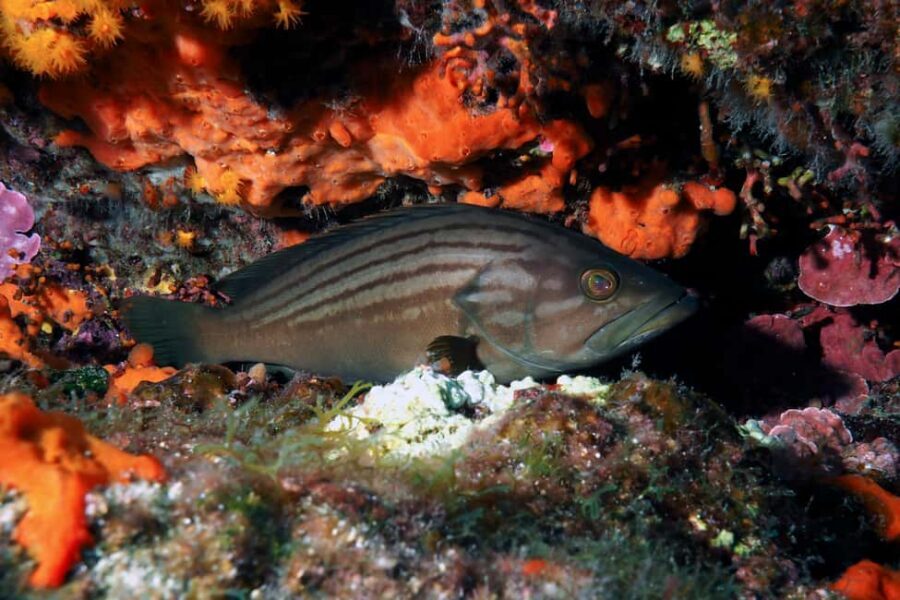
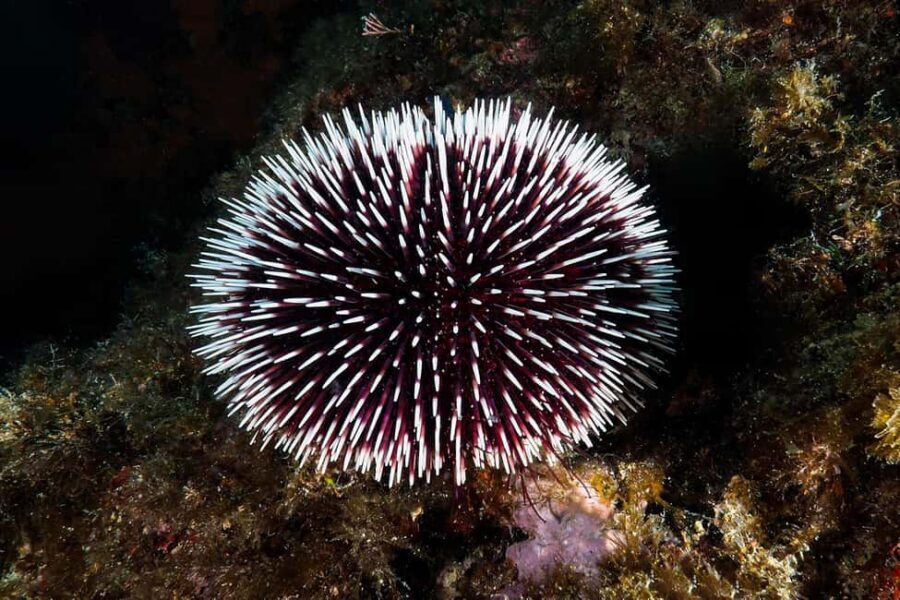
You’ll also see biodiversity up close. Reviews mention watching octopus and different kinds of fish near their natural spaces. You’re not chasing animals for photos; you’re learning how to watch them without disturbing them.
The Volcanic Seafloor: Lava Flows, Caves, and What It Means
Here’s why the volcanic part is more than a fun label. When you look at lava-flow terrain underwater, you start understanding how Sicily’s geology stays active in everyday life—even when you’re hundreds of miles from any eruption.
At this low depth, you can take your time looking at details. The cave shapes and lava textures create visual “paths” that guide your eyes. You might notice how the seabed changes from smoother patches to more rugged areas. Even without a geology degree, you’ll feel the difference between water-worn surfaces and volcanic structure.
And because the session keeps the group together, you’ll often be looking in the same direction as the instructor, which helps you learn faster. It’s easier to spot what you’re being asked to observe—like particular formations, or how marine life positions itself around the structure.




Language Support That Actually Helps You Learn Faster
The instructors support multiple languages: Italian, English, French, Spanish, and German. That matters because scuba instructions are technical.
If you’re not fluent in Italian, for example, you still won’t be guessing. Clear language reduces mistakes, and fewer mistakes means less stress. In reviews, people praised instructors for calm explanations and excellent communication, including strong English.
Guide names that came up repeatedly include Samantha, Bruno, and Vicki. If you see one of these names attached to your time slot, that’s a good sign for a patient, reassuring experience.
Small Group Size: Why Up to 6 People Changes Everything
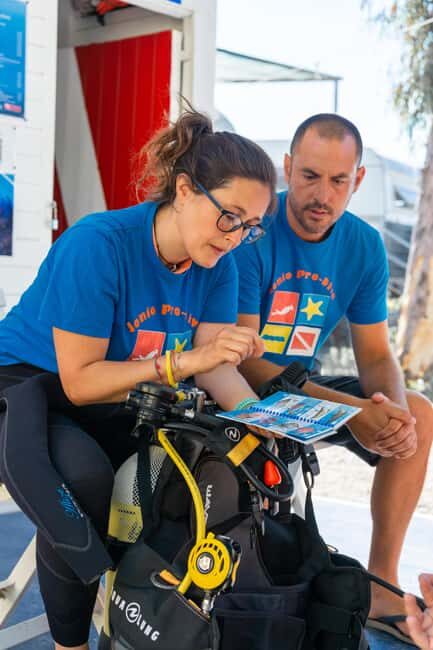
This is limited to 6 participants. That cap is not just marketing math. Small groups mean the instructor can track breathing, check your buoyancy, and respond quickly if you feel off.
It also helps with confidence. If you’re worried about keeping up or messing something up, fewer people makes it easier to ask questions and get hands-on coaching.
One review also mentioned that a couple was able to go down together. You shouldn’t expect that every time, but the small size is exactly what makes “together” feel more possible than on large boats.
What to Bring (So You Don’t Get Stuck in “Gear Confusion”)
You’ll be provided scuba equipment, so your main job is to arrive ready to change clothes and handle damp conditions. Bring:
- Swimsuit (needed since the wetsuit is worn over it)
- Beach towel
- Flip-flops (helpful for walking around after)
Also, mentally prepare for equalization and breathing control. If you tend to feel stuffed or pressure-sensitive in your nose, practice equalization techniques on land before you go whenever possible. One review’s hint about nose handling was basically a reminder: if you struggle there, don’t just power through—tell your instructor and slow down.
Duration and Depth Reality Check
The session lasts about 2 hours, and the maximum depth is set at 5 meters. That means you get a real underwater look without turning it into a long endurance workout.
If you’re a first-timer, that limit is especially reassuring. You can focus on comfort and movement rather than worrying about managing risk at greater depth.
If you’re an experienced diver, this still works as a gentle, controlled learning session. But you should know it’s not positioned as an exploration for deeper sites. It’s about safety, volcanic scenery near the surface, and building skills with close guidance.
Price and Value: Is $94 Worth It?
At $94 per person for around 2 hours, this is priced like an organized, instructor-led activity with equipment included. The biggest value lever is that you don’t need to rent or buy scuba gear separately—everything from wetsuit to tank and weights is part of the package.
The second value lever is the small group. Gear rental plus a low student-to-instructor ratio often costs more if you book components separately. Here, you’re paying for the whole guided structure: fit, briefing, controlled depth, underwater time, and a debrief afterward.
One caution from a review: someone felt it was a little pricey. That doesn’t mean it’s overpriced for everyone—it just means you should judge it against what you’d otherwise pay for equipment rental, instruction, and safety coverage in Catania. If you want a full guided intro with all equipment handled, the $94 feels fair.
After You’re Back: Debrief, Snack, and Photos
When you surface, there’s a debrief. This is useful even if you think you did everything perfectly, because it helps you understand what worked and what to improve next time.
You’ll also get a snack, plus the usual photos taken during the experience. Then you say goodbye and you’re free to keep exploring Catania.
This “finish strong” part matters. Some tours stop at the water’s edge and leave you to figure out your next steps. Here, you get a closing moment with the instructor team.
Who Should Book This Catania Session
This is a strong fit if:
- You want your first scuba experience or a confidence-building test session
- You’re interested in volcanic formations—lava flows and underwater caves—without complicated logistics
- You prefer small-group attention and clear coaching
- You need multi-language instruction support
It’s not a fit if:
- You don’t swim and can’t meet the non-swimmer requirement
- You’re pregnant
- Your age is under 10
Also, follow the health rules. The tour description says you must be in good health, which is standard for scuba activities.
The Post-Dive Etna Rule: Plan Your Day Around It
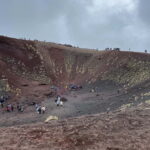
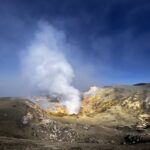
A specific rule is included: do not climb above 600 meters (Etna and/or airplane) for at least 12 hours after the dive. So if you’re planning an Etna excursion, think ahead.
This is a real planning detail. Even if your dive was shallow, the instruction is clear. If you’re set on Etna the same day, you might need to schedule it before your scuba session or the next day.
Should You Book This Catania Scuba Experience?
If you want a safe, guided introduction that actually shows you something special—lava-flow terrain, submerged caves, and sea life at shallow depth—this is a solid choice. The small group size and the coaching style (names like Samantha, Bruno, and Vicki come up for a reason) make it especially friendly for first-timers and nervous swimmers.
I’d book it if:
- you want the underwater world with extra instruction
- you’d rather pay for a complete package than manage rentals
- you’re curious about Sicily’s volcanic story up close
Skip it if:
- you’re not comfortable in the water
- you need a kid-friendly activity
- you can’t follow the post-dive 12-hour limit on climbing above 600 meters
If you’re flexible with timing and you show up ready to listen and practice, you’ll come away with that first real look at the Ionian Sea off Catania—and probably with a new reason to explore Sicily’s geology from another angle.
FAQ
How deep do you go during the Catania scuba experience?
The maximum depth is 5 meters, with an instructor providing a safety-focused test session.
Where is the meeting point in Catania?
You meet at Catania inside Camping Jonio, at the scuba center listed for your booking.
What scuba equipment is included in the price?
The experience includes a wetsuit, mask, fins, jacket/BCD, regulator, tank, and weights.
Is this activity suitable for non-swimmers or kids?
No. It’s not suitable for non-swimmers, and it’s not suitable for children under 10. It’s also not suitable for pregnant women.
What languages are available for the instructor?
Instruction is available in Italian, English, French, Spanish, and German.
What should I avoid after the dive?
For at least 12 hours after the dive, you should not climb above 600 meters, including Etna and/or airplane travel.