REVIEW · CYCLING TOURS
Etna: Guided Quad Bike Tour
Book on GetYourGuide →Operated by ETNA SUMMIT · Bookable on GetYourGuide
Etna has a way of making everything else feel tame, and this quad tour gets you close to the action. You start from Nicolosi and head into volcanic terrain where the ground shifts from black sand to old lava formations.
I like that the tour is built for motion, with a guide leading you through multiple types of Etna ground, not one straight line. You’ll also get the basics you need for comfort and safety—helmet, gloves, and a windbreaker—so you aren’t scrambling for gear.
The main thing to consider is the cost on top of the tour price: the quad rental is €50 per quad, paid on site, and you’ll need a driver’s license to get behind the handlebars.
In This Review
- Quick reasons this tour works
- Meet at Crateri Silvestri: your launch point for Etna terrain
- Gear and rules: what you need to ride
- Silvestri Craters and the 10-minute safety briefing
- Off-road Etna power: from eruptive fracture to long lava fields
- The lava sliding cave stop: a quick look with big atmosphere
- Pagghiaru-style homes: seeing Etna’s people, not just its fire
- Etna Ginestre forest: plants, petrified lava, and slower moments
- Etna pine forest and the dry streambed: lava and woods in alternation
- Lava scroll channels: the ride back that ties it together
- Price and value: why €59 might not be the full cost
- Who this tour suits (and who should skip it)
- What to bring and what to plan for
- Guides and communication: what to expect from the team
- Weather reality: comfort on a windy, volcanic day
- Should you book Etna: Guided Quad Bike Tour?
- FAQ
- Where do I meet for the Etna quad tour?
- What’s included in the price?
- What isn’t included?
- Do I need a driver’s license?
- How long is the guided experience?
- What languages do the guides speak?
- Can I cancel and get a full refund?
Quick reasons this tour works
- Small group feel with a limit of 4 participants
- Actual volcanic terrain: black sand, lava fields, crater areas, and lava formations
- Included safety gear: helmet plus windbreaker and gloves
- Stops with context at pagghiaru-style stone homes and in Etna’s Ginestre and pine forests
- Guides in English or Italian, with a safety briefing before you go
Meet at Crateri Silvestri: your launch point for Etna terrain
This experience starts at the bar restaurant Crateri Silvestri in Nicolosi. You enter the bar to check in, then the team gets you fitted with the windbreaker, gloves, and helmet before any riding begins. If you want a smooth start, show up early; you’ll be asked to arrive at least 30 minutes ahead.
That early arrival matters because you’ll also need to handle the quad rental on site. The base price covers the guided experience, but the quad bike itself is a separate line item once you’re there. Plan it like a two-part cost so you’re not doing math while everyone else is getting ready.
Other Mount Etna tours we've reviewed in Catania
Gear and rules: what you need to ride
To drive your quad, you’ll need a driver’s license. The operator is clear that drivers are responsible for their vehicle, which is how you should think about it: follow the guide’s instructions, keep your spacing, and take it slow when the terrain turns.
This is not a casual stroller-and-views type of tour. You’re moving over uneven volcanic ground, so wear your sensible clothes and be ready for wind. Even with a windbreaker included, Etna can push air around, especially near crater areas and open lava fields.
Also, this tour is not suitable for everyone. It’s not listed for pregnant women, people with epilepsy, children under 5, and older adults beyond the stated age limits. If any of those apply, skip it—this is meant to be active and hands-on.
Silvestri Craters and the 10-minute safety briefing
You’ll begin at the Silvestri Craters area, right after your quick safety rundown. Ten minutes doesn’t sound long, but it’s the right length to cover the essentials: how to mount safely, how to handle braking and speed control, and how to ride in the guide’s rhythm.
This is where you learn what to pay attention to once you’re off asphalt and into the volcanic stuff. The terrain changes fast on Etna, and the safest way through is usually the simplest way: steady throttle, smooth turns, and trust the route the guide leads.
Off-road Etna power: from eruptive fracture to long lava fields
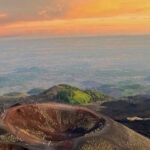
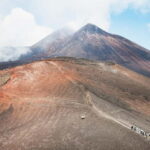
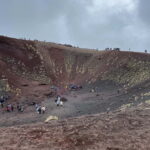
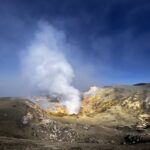
Once you head out, the tour leans into what makes Mt. Etna so memorable. Expect sections like crossing an eruptive fracture, then blasting across longer lava fields. This is the part most people come for, because it’s not just looking at geology—you’re physically traveling over it.
You’ll also hit volcanic black sand, where traction and footing feel different from regular dirt. That contrast is part of the point. The tour is paced to let you enjoy the visual drama—explosive craters, lava formations, and more—while still keeping you safe in a moving group.
If you’re the type who gets excited by “how it works,” this portion is especially fun. You can feel the scale of past volcanic activity in the way the ground is built and rebuilt. You’re not reading a sign about it. You’re riding through the aftermath.
The lava sliding cave stop: a quick look with big atmosphere
There’s time built in for a visit related to a lava sliding cave. You’ll have a short stop—enough to get oriented and look closely—then you move on. This isn’t a long exploration like you’d see on a full hiking excursion, but it gives you a sense of how dramatic volcanic processes can be.
What I like about short stops like this is that they keep the tour from turning into a slow drive with long explanations. You get a visual anchor, then you continue riding while the rest of Etna’s features keep stacking up.
Just keep your expectations realistic: you’re on a quad tour, so time off the machine is limited.
Other cycling tours in Catania
Pagghiaru-style homes: seeing Etna’s people, not just its fire
One of the best surprises in this tour is a cultural stop at typical stone buildings called pagghiaru. These are small structures tied to local life, and they give the volcanic environment a human layer.
This matters because Etna isn’t only geology. It’s a place where people built ways to live, store things, and adapt to the land around them. Even a brief visit helps you connect the volcanic ground with the surrounding community, which makes the whole experience feel more grounded.
Etna Ginestre forest: plants, petrified lava, and slower moments
After crater and lava sections, the route shifts into Etna Ginestre forest. This is where you’re meant to look slower and notice what’s growing in volcanic conditions. The tour points out the area’s unique flora and fauna, plus you’ll ride past wooded islands that sit within petrified lava.
That combination is one of Etna’s signatures: life finding footing on ground shaped by extreme force. The effect is visual and a little mind-bending. You see trees and scrub alongside hardened lava, side by side, like two different eras meeting.
Even if you’re mostly focused on steering and staying in line, it’s worth taking a few seconds when the guide pauses. The fun part is that this isn’t only about speed—it’s about contrast.
Etna pine forest and the dry streambed: lava and woods in alternation
Next comes a stretch through a forest of Etna pines, then you reach the riverbed of a dry stream. This section is described as alternating lava and woods, which creates a different riding feel and a different look at Etna’s structure.
On tours like this, it’s easy to focus only on the most dramatic parts—black sand, craters, and caves. But the forest-and-riverbed stretch is where you see how the volcanic story keeps going after the eruptions. It’s not just the fiery moment. It’s the slow aftermath: rock meeting roots, shade meeting heat.
Lava scroll channels: the ride back that ties it together
Toward the end, you ride down lava scroll channels. These are another sign of how moving water and heat can shape terrain over time. They also make a satisfying finale because the ground features look like they were designed for a quad to trace.
This is the moment where the earlier stops start clicking into place. When you’ve seen craters and lava formations, then you end by following shaped channels, Etna feels less like a list of sights. It starts to feel like one connected place.
Then you return to the meeting point at Bar Ristorante Crateri Silvestri.
Price and value: why €59 might not be the full cost
The tour price is listed as $59 per group up to 2, for a duration of about 1.5 hours. That sounds like a good deal until you add the quad rental.
The quad bike hire fee is €50 per quad, paid on site. That means your real cost depends on how many machines you’re renting. If you’re coming as a duo and both want to ride, budget for two quad rentals. If one person rides and the other handles passenger time, you might still need to confirm how the operator counts “per quad” with your booking.
So is it still good value? Often, yes—because you’re paying for a live guide, included safety gear, and a route that mixes lava terrain with forest stops. You’re not just getting a short off-road loop. You’re getting a guided circuit that’s meant to show multiple sides of Etna in a compact time window.
Who this tour suits (and who should skip it)
This quad tour fits best if you:
- Want a hands-on way to experience active-volcano terrain without a long hike
- Like short stops that keep momentum and still give meaning (craters, pagghiaru homes, forest sections)
- Are comfortable riding over uneven ground and keeping your focus on safety
Skip it if you:
- Don’t have a driver’s license for the quad
- Prefer a slow walking pace with lots of time off the ground
- Fall into one of the listed no-go categories like epilepsy, pregnancy, young children under 5, or older age limits
If you’re traveling with anyone who needs extra calm, smooth terrain, consider a different Etna experience. This one is about motion.
What to bring and what to plan for
You only get one “must” item listed: a driver’s license. Beyond that, think practical. You’ll be outside for about 1.5 hours, and the route can include windier volcanic areas.
Since the tour doesn’t include food or drinks, handle that before you go. Also, keep in mind that you’ll be paying the €50 quad rental on site, so have cash or a payment method that works for the operator.
Guides and communication: what to expect from the team
Guides are described as giving a clear, structured start, including the safety briefing. The tour includes live guidance in English and Italian, which is a big plus when the terrain is complex and instructions matter.
One name that stands out from the guide experience in the feedback you’ll see tied to this tour is Dario—described as prepared and friendly, and good at making the day feel memorable. That kind of guide energy helps when you’re riding through places that feel surreal.
Weather reality: comfort on a windy, volcanic day
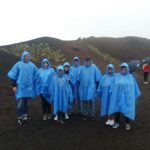
Etna can bring wind, and the terrain can make rain and low visibility feel more intense than they do in town. The tour includes a windbreaker, but it’s still a quad ride outside for about 90 minutes.
If you’re sensitive to cold, rain, or strong wind, dress accordingly and treat comfort as part of the plan. The guide may adjust how you ride based on conditions, but you should assume the environment can be changeable.
Should you book Etna: Guided Quad Bike Tour?
Book it if you want a focused, active Etna experience that mixes craters, lava terrain, and forest sections in a small-group setup. The included safety gear and small group limit are good signs that this isn’t mass-tour chaos.
Hold off (or choose another Etna option) if you:
- Don’t want extra on-site cost from the quad rental fee
- Want a long, slow, hike-style experience with lots of time at each viewpoint
- Have health or age limits that make quad riding unsafe or unsuitable
If your goal is to feel the scale of Etna by riding over its aftermath, this is a strong match. Just go in knowing this is a quad adventure first—and an Etna sightseeing day second.
FAQ
Where do I meet for the Etna quad tour?
You meet at the bar restaurant Crateri Silvestri in Nicolosi. You enter the bar restaurant for check-in, and you can find it using Google Maps.
What’s included in the price?
The tour includes a guide and safety gear: a helmet, a windbreaker, and gloves.
What isn’t included?
The quad bike hire fee is not included and must be paid on site (EUR 50.00 per quad). Food and drinks are also not included, and there’s no hotel pickup or drop-off.
Do I need a driver’s license?
Yes. You need a driver’s license to drive the quad, and drivers are responsible for their vehicle.
How long is the guided experience?
The experience is valid for 1.5 hours.
What languages do the guides speak?
The live tour guide speaks English and Italian.
Can I cancel and get a full refund?
Yes. You can cancel up to 24 hours in advance for a full refund.