REVIEW · FOOD & DRINK
Catania: Etna Morning Excursion with Tasting and Pickup
Book on GetYourGuide →Operated by Exclusive Etna Excursion · Bookable on GetYourGuide
Etna has a way of changing your mood fast. This morning excursion combines Silvestri Craters at about 2,000 meters with a lava cave guided walk and quick local tastings, all timed to keep it fun and manageable.
You’re not just looking from a bus window. You hike a bit, go inside old lava tunnels, and learn what you’re seeing along the way—while staying within easy trekking limits.
Here’s what I like most. The soft trekking is real enough to feel like Etna, but gentle enough for many people (max height around 2,100 meters, no summit). And the small group size (limited to 8) makes it easier to hear the guide, ask questions, and move at a human pace instead of rushing.
One thing to weigh: the start can be a little chaotic. Pickup at popular spots in Catania can feel like organized confusion at first, and the van seating may be tight if you’re tall. Once everyone’s onboard, the trip settles into a smooth rhythm.
In This Review
- Key highlights you’ll actually use
- Morning pick-up from Catania: the smart way to reach Etna
- Van drive + Etna briefing: what your guide sets up before you hike
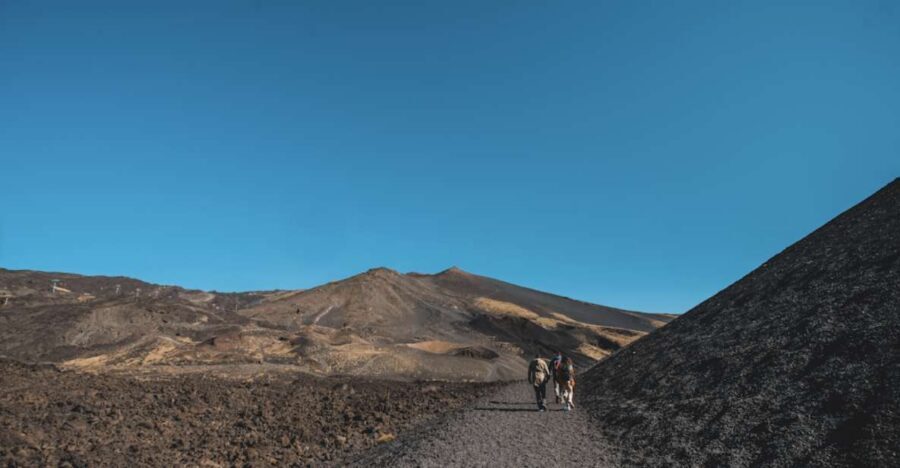
- Silvestri Craters at about 2,000 meters: the hike that feels worth it
- The lava cave walk: where the tour really stands out
- Bove Valley + the 1991 lava stream: eruption history in plain view
- Zafferana Etnea break + tastings: food that stays low-pressure
- Price and value: what $67.97 buys you here
- What to pack (and how to avoid the common mistakes)
- Who should book this Etna morning excursion
- Should you book it?
- FAQ
- FAQ
- How high do you go on this Mount Etna tour?
- Is the hiking difficult?
- What’s included in the tasting?
- Do you go into a cave?
- Is pickup from Catania included?
- What should I bring?
- What languages are offered?
- Is lunch included?
Key highlights you’ll actually use
- Silvestri Craters colors: a guided stroll on Etna’s volcanic terrain at roughly 2,000 meters
- Lava cave tour gear: helmet and flashlight, plus a guide explaining how these spaces form
- Bove Valley stops: photo moments tied to real eruption stories, including the 1991 lava stream
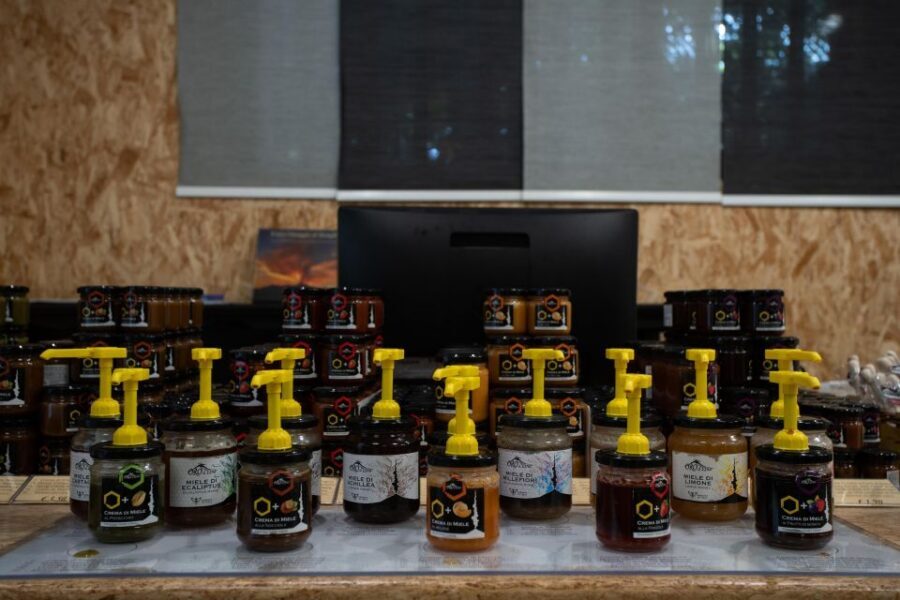
- Local tastings: small samples of honey and olive oil, plus wine (and sometimes pestos) without a hard sell
- Pickup + drop-off in Catania: two common meeting points, with a backup spot if your lodging is farther out
Morning pick-up from Catania: the smart way to reach Etna
The best part of an Etna morning tour is not the mountain. It’s the logistics you don’t have to manage. You get picked up in Catania and driven toward Etna in an air-conditioned car or van, so you avoid the “how do I get there?” problem that can eat half a day.
You’ll typically start from one of two main meeting points in central Catania: the Roman Amphitheater area or Pasticceria Savia. If your hotel isn’t close, you’ll be assigned another nearby pickup spot. The operator also emails or messages the exact pickup time and the guide’s name before you go.
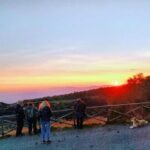
Timing matters here. Leaving in the morning helps you beat the worst crowds and often gives better light for photos around the craters. It also keeps the whole thing feeling like a focused half-day outing rather than a tiring odyssey.
Other Mount Etna tours we've reviewed in Catania
Van drive + Etna briefing: what your guide sets up before you hike
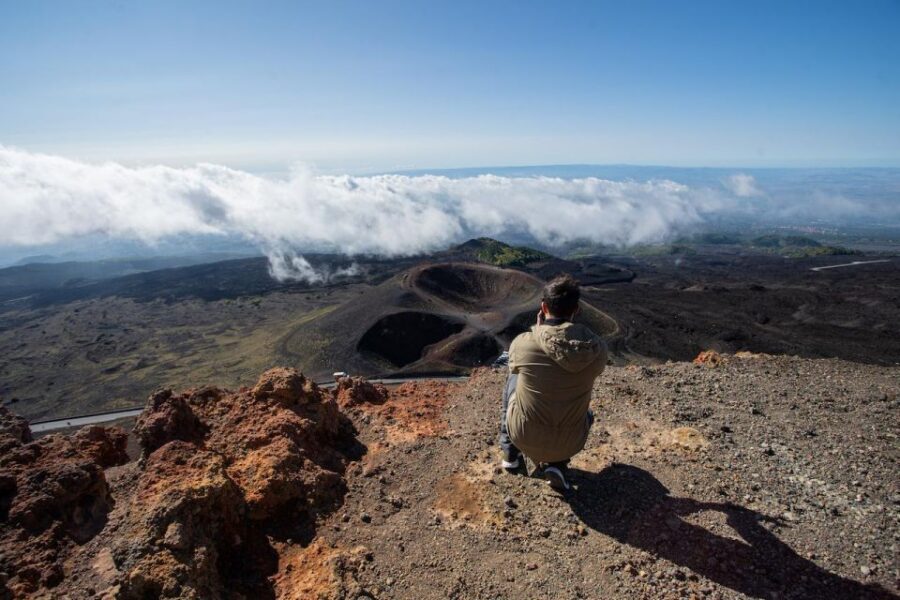
On the ride up, you’re not wasting time. The guide explains Etna’s role as the highest volcano in Europe, and you’ll get the kind of “what you’re about to see” context that makes the stops click.
This is where guide quality matters. In the reviews, guides such as Zelia and Simone stand out for explaining Etna’s geology and the surrounding ecosystem clearly, then adjusting the pacing so you can actually take in what’s in front of you. Others, including Janet, Constanza, Alessio, Francesco, and Salvo, also get praised for keeping the tone friendly and the talk practical.
Even if you’re not a volcanology nerd, you’ll appreciate this. When you later see different rock colors and old flow lines, you’ll know what you’re looking at instead of just thinking, Wow, rocks.
Silvestri Craters at about 2,000 meters: the hike that feels worth it
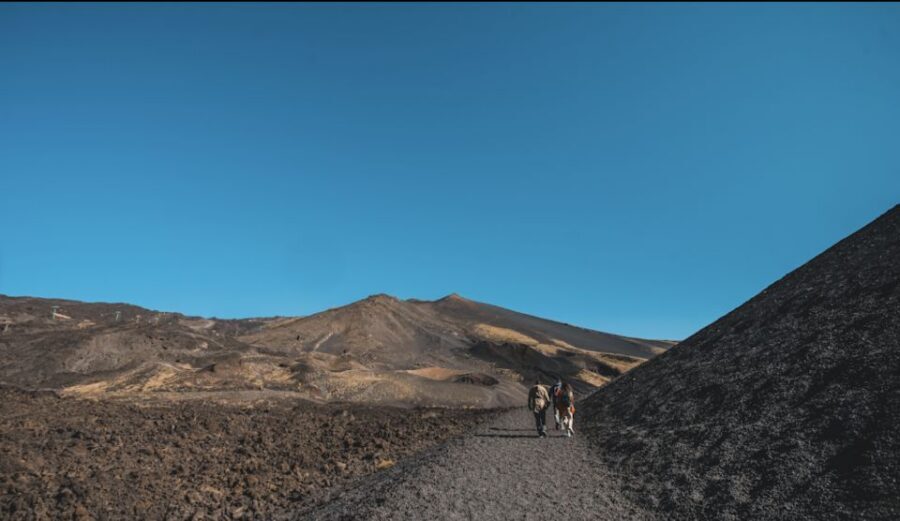
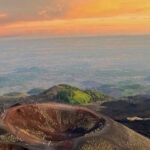
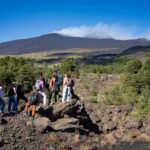
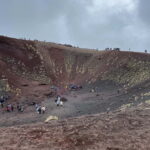
The main walk happens at the Silvestri Craters area at around 2,000 meters. This is where the tour turns from scenic drive into real Etna time.
You’ll get:
- a photo stop so you can frame the crater views
- a guided segment
- then some free time to walk at your own pace
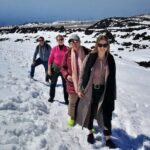
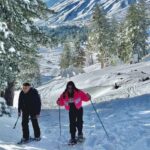
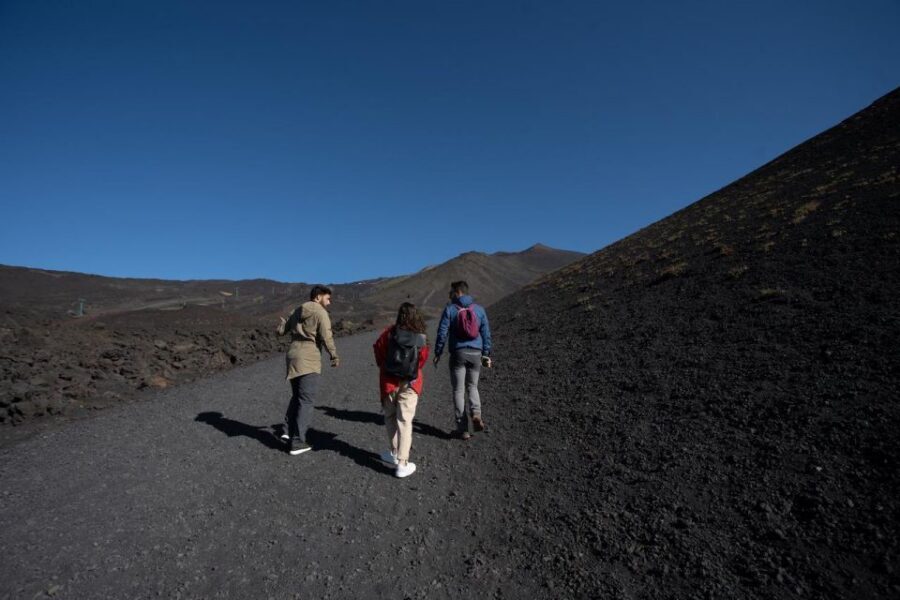
The walking is described as a soft trekking option suitable for many people, and the elevation is capped so the summit isn’t visited. In practice, you should still expect uneven volcanic ground. Bring shoes with solid grip and plan on taking it slow. The “easy level” comes from route choice and pacing, not from a smooth sidewalk.
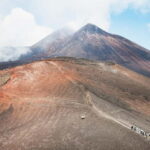
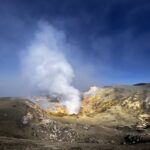
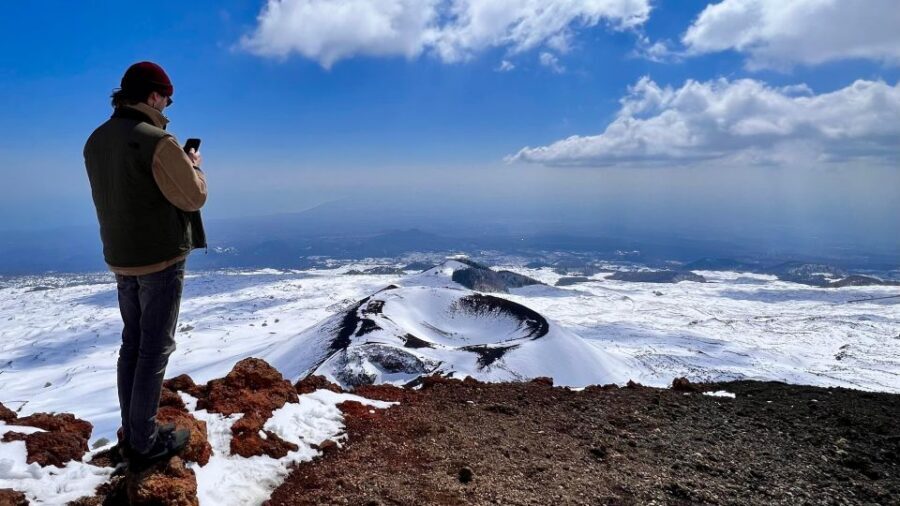
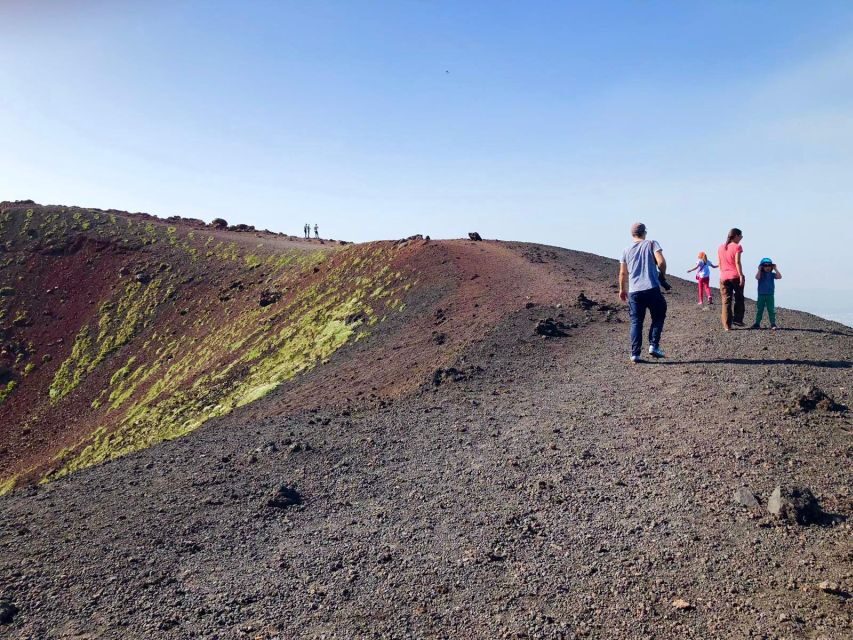
What makes this part special is the color variation. Etna’s craters can look almost otherworldly, with bands and patches that make it easy to understand why people describe the terrain as lunar. You’ll also be moving through areas with Etna vegetation typical of the Etna park—so you see how life adapts to harsh volcanic conditions.
Possible drawback: if weather is rough, plans can shift for safety. That doesn’t kill the trip, but it does mean you might get less hiking time than you’d hoped.
The lava cave walk: where the tour really stands out
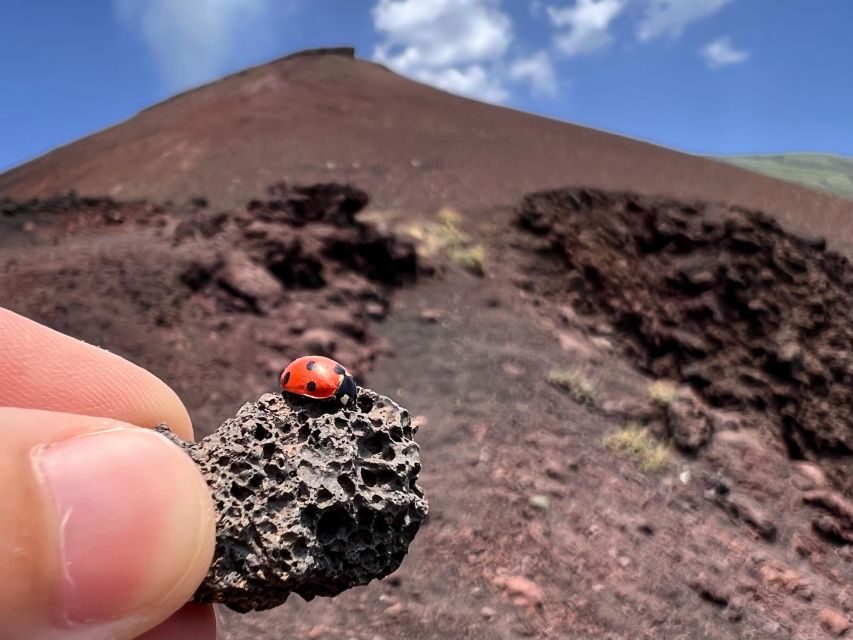
If you want one “wow” moment, make it the lava cave. You’ll explore a volcanic cave formed by ancient lava flows, and you’ll go in with gear: a helmet and a flashlight.
What you’ll learn here tends to be the tour’s most memorable education. A cave like this isn’t just a hole in the ground. It’s a record of how lava traveled—when it cooled, how it tunneled, and what the environment can look like long after an eruption. Guides in the reviews mention cave formation in a way that makes it feel less abstract.
This is also why the guided portion matters. Without someone’s explanation, you can still see the cave. But you’re less likely to understand what shapes the walls, why the space feels the way it does, and how it connects back to surface eruptions you saw earlier.
Practical note: older legs may feel this more than the crater walk. The cave visit is described as part of the day’s experience, and you’ll want to be comfortable with walking indoors on uneven or dark footing.
Bove Valley + the 1991 lava stream: eruption history in plain view
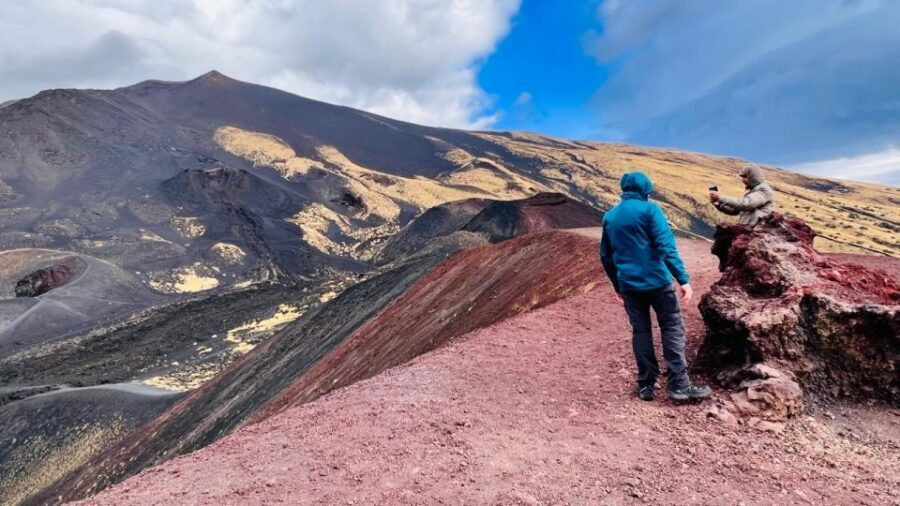
After the crater area, the tour moves into broader Etna scenery with a couple of key stops and viewpoints. A scenic drive sets you up, and you’ll likely pause for photos.
Then comes the Valle del Bove (Bove Valley). This is where you see lava pathways and the way eruption history reshapes the terrain over time. It’s also tied to a specific story you’ll hear during the tour: the 1991 lava stream that almost reached a village.
This matters because it links geology to human reality. You’re not only looking at rocks that formed millions of years ago (though that’s part of it). You’re also connecting to more recent events and the way lava can travel downslope in dramatic, fast-moving ways.
The review vibe for this section is consistent: people like it because the guide ties each viewpoint to an explanation, not just to a photo opportunity.
Other food & drink experiences in Catania


Zafferana Etnea break + tastings: food that stays low-pressure
You’ll stop in Zafferana Etnea for a break. This is one of those times where the tour shows it’s designed for enjoyment, not just ticking boxes.
During this stop you can expect:
- some down time
- a wine tasting
- local snacks
Then there’s the tasting at a local company tied to typical products like honey and olive oil, plus wine. The tastings are described as small and not pushy. Reviews note you can taste different variations, and some mention sampling things like pestos alongside oils and honeys.
This is the right approach. If you’re on a short excursion, you don’t want a long meal. You want a few bites that help you remember the place. And since the tasting is part of the story of Etna’s environment—soil, farming, and local production—it complements the geology rather than feeling random.
If you have dietary restrictions, keep it practical: the tour data says tastings and snacks are included, but it doesn’t list specific dietary options. Plan to ask ahead if you need anything special.
Price and value: what $67.97 buys you here
At $67.97 per person for a roughly 6-hour outing, you’re paying for more than “a bus to Etna.” The value comes from what’s bundled:
- Pickup and drop-off from Catania (major time saver)
- Soft trekking through the crater area
- Guided cave tour with helmet and flashlight
- Tastings (honey, olive oil, and wine; plus snacks at the break)
- A guide who stays with you through multiple stops
If you tried to do this on your own, you’d likely spend time on transport and lose the guided cave explanation. Even if you found a way to reach the right viewpoints, you’d be missing that sequence: craters → cave → eruption valley stories → tastings. This tour is built like a storyline.
The only “value tax” is comfort. The van can be tight for taller passengers, and pickup can feel chaotic for a few minutes. But once you’re moving, the bundle makes sense for a half-day plan.
What to pack (and how to avoid the common mistakes)
Etna mornings can feel cooler than you expect, especially near higher elevation. Bring layers and don’t rely on a single weather app.
For what you’re doing, pack:
- comfortable shoes with grip (open-toed shoes aren’t allowed)
- a windbreaker
- water
- comfortable clothes for hiking and changing conditions
A helmet and flashlight are provided for the cave, so you don’t need to bring headgear or gear for that part.
One more tip: go easy on the pace. Even with an easy route, volcanic terrain and altitude near 2,000–2,100 meters can make you breathe a little harder than you’d expect. People with altitude sickness are listed as not suitable, and anyone with heart problems should also skip this.
Who should book this Etna morning excursion
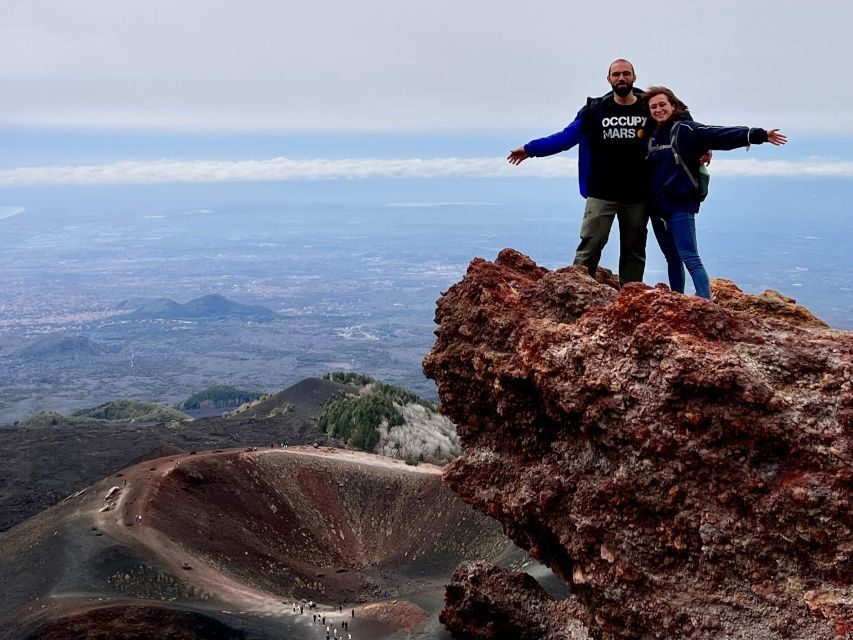
This fits best if you want:
- an Etna experience without driving yourself
- a guided explanation that makes the terrain make sense
- a day that includes both outdoor walking and an indoor cave visit
- local tastings without a long sit-down lunch
It’s also a solid pick for couples, solo travelers, and small groups because max 8 people keeps the experience personal. In the reviews, people repeatedly mention that the guides—like Simone—make room for questions and keep the experience lively without turning it into a lecture.
If you want a summit scramble or a hardcore trek, this isn’t that. It caps around 2,100 meters and does not include the summit. Think “real Etna,” not “climb everything.”
Should you book it?
I’d book it if you want the highest payoff per hour. You get the crater walk, the lava cave tour with helmet and flashlight, the Bove Valley eruption stories (including the 1991 lava stream), and tastings—while staying within a manageable walking level and avoiding the Catania-to-Etna transportation headache.
Don’t book it if you’re dealing with mobility limitations, heart issues, or altitude concerns. And if you’re sensitive to rough pickup logistics or tight van seating, be prepared for that at the start.
FAQ
FAQ
How high do you go on this Mount Etna tour?
The tour reaches a maximum height of about 2,100 meters, and it does not include the summit.
Is the hiking difficult?
The trekking is described as soft and suitable for both children and adults because it’s an easy level of activity, but you should still expect walking on volcanic terrain.
What’s included in the tasting?
You get small tastings of local products such as honey, olive oil, and wine, plus local snacks during the Zafferana Etnea break. Some reviews also mention pestos with the tasting.
Do you go into a cave?
Yes. You’ll have a guided visit in a volcanic cave, with a helmet and flashlight provided.
Is pickup from Catania included?
Yes. Pickup and drop-off are included, typically from the Roman Amphitheater of Catania or Pasticceria Savia, with an alternative nearby pickup point if needed.
What should I bring?
Bring comfortable shoes (no open-toed shoes), a windbreaker, water, and comfortable clothes.
What languages are offered?
The live tour guide is available in Italian, English, and Spanish.
Is lunch included?
No. Additional food and drinks are not included, and lunch is not part of the tour.