REVIEW · HIKING & TREKKING
Mount Etna: Hike to the top 3400mt from the North Side
Book on GetYourGuide →Operated by Ashàra Etna & Stromboli Guides · Bookable on GetYourGuide
Etna feels close enough to touch on this hike. You start on the North side at Piano Provenzana with certified volcanology and mountain guides, drive up by 4×4, then walk toward the active crater rim when conditions allow.
Two things I really like: the volcanological guide approach, which turns scary rock into understandable Earth science, and the on-foot feel of the summit zone, with gas emissions, volcanic bombs, and weird color changes in the ground that come from minerals heating and releasing elements.
One caution: Etna stays unpredictable, so the North route can be adjusted or switched if safety conditions require it, meaning you should book with a little flexibility in mind.
In This Review
- Key points worth knowing before you go
- Why the North-Side Crater Hike is such a different Etna experience
- Meeting at Piano Provenzana: where the day really starts
- The 4×4 ride: high altitude without wasting your legs
- Stop for the Central Crater: the guided rim walk feeling
- What could slow you down
- Piano delle Concazze and the summit crater views
- Descent through ash and slag: great views, tired legs
- The guide experience: science you can actually use
- Price and logistics: what you’re really paying for
- Who this hike fits best (and who should skip it)
- Weather and volcano risk: why “North 3,400 m” is not a promise
- Should you book this Etna North hike to the crater rim?
- FAQ
- Is the 4×4 ride included in the price?
- Where do I meet for the North Etna hike?
- How long is the experience?
- What’s included in the tour?
- Do I need to bring my own food and drinks?
- What should I bring for the hike?
- Are there limitations on who can join?
- What languages is the live guide available in?
- What footwear and luggage rules apply?
- What happens if conditions are unsafe?
Key points worth knowing before you go
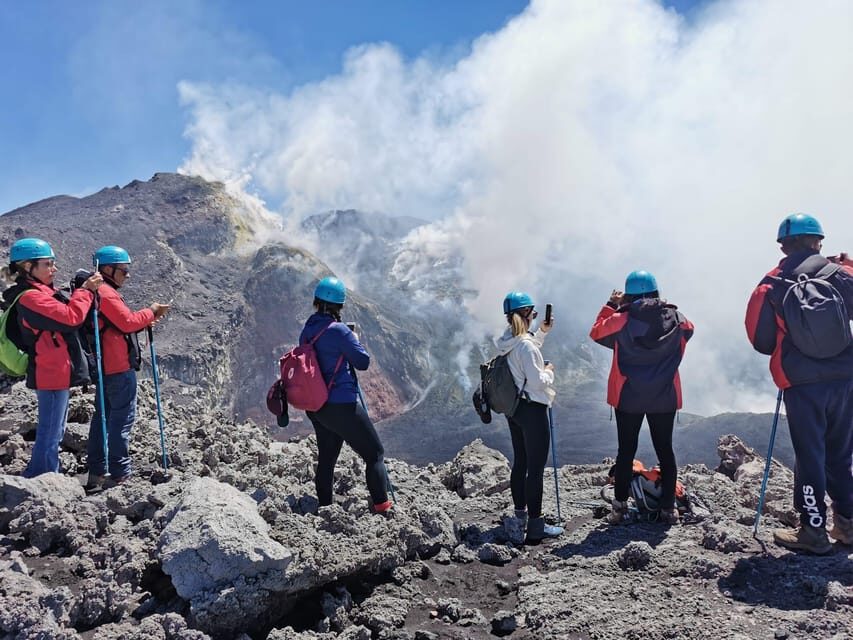
- Certified volcanology + mountain guidance so you get both safety and real explanations of what you’re seeing
- Small group size, which helps on uneven, sandy, ash-covered terrain
- 4×4 gets you high first, then it’s a focused hike to the crater rim around 3,320 m and the summit crater area
- Lunar terrain on active ground, with views over multiple crater systems
- Equipment included: trekking poles, helmets, and hiking boots
- You descend through fine ash and slag, which is scenic but takes your legs seriously
Why the North-Side Crater Hike is such a different Etna experience
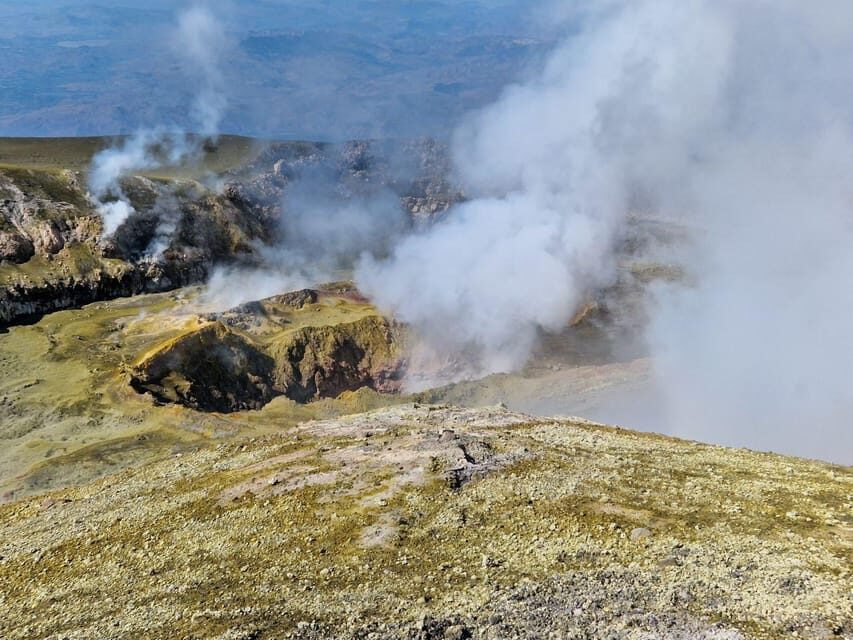
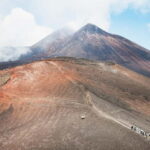
Most Etna tours are about getting to viewpoints. This one is about moving through the working parts of the volcano. You’re going to the active summit crater area, not just looking at it from afar. That changes the whole vibe: the air can smell of sulfur, the ground looks cooked, and the guide’s explanations become practical because you’re literally standing on the same kind of surface that forms during eruptions.
From a value standpoint, I like that the core hiking kit is included—boots, poles, and helmets—and you’re led by a guide with volcanology training, not just a guide with good stories. You still have extra costs on top (the 4×4 ticket), but at least you’re not paying extra for the basic climbing gear.
The hike is pitched at moderately trained hikers who can handle sandy and uneven surfaces. That matters because Etna’s surface at altitude can be loose underfoot. If you’re expecting smooth trails like on a European hiking brochure, you’ll want to reset your expectations.
Other Mount Etna tours we've reviewed in Catania

Meeting at Piano Provenzana: where the day really starts
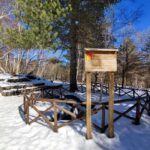
Your starting point is in Linguaglossa at Ashàra info point, in front of Chiosco Bar Mareneve on Etna North (Piano Provenzana). This is a key detail: you’re not meeting in Catania and getting whisked directly to the top by road. You’re setting up at the base area first, then building altitude in steps.
The day begins with a short ride by Jeep/SUV (about 25 minutes). That short transfer does two useful things for you. First, it reduces fatigue before the main climb. Second, it gets you into the zone where the climb to the higher crater area can be done in safer conditions.
Also, plan for a “smart packing” approach. The tour rules exclude luggage and large bags, and you can’t use open-toed shoes. So keep it simple: a daypack with water and layers, and your feet ready for uneven terrain.
The 4×4 ride: high altitude without wasting your legs
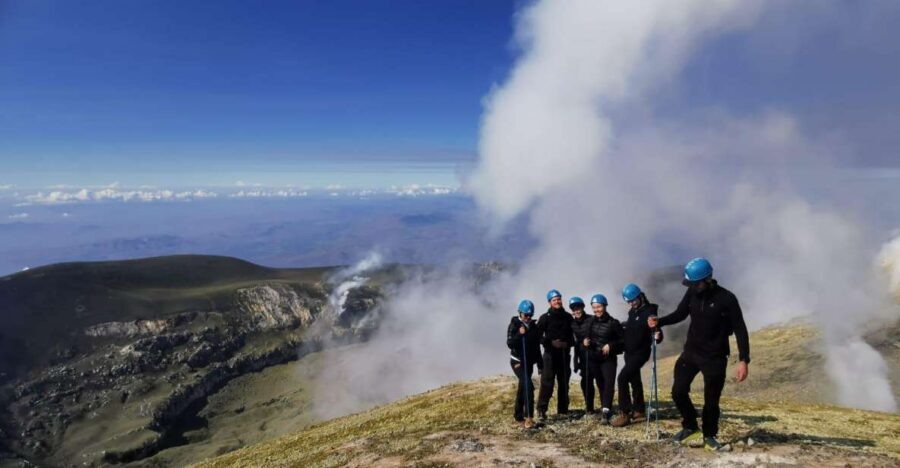
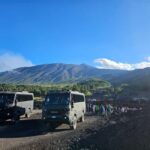
Right after meeting, the 4×4 portion takes you up on the slope that currently allows the climb to the summit in safer conditions on the North side. You’ll pass through typical Etna terrain as you rise.
Then you get dropped at around 2,825 m near Piano delle Concazze. This is where the day becomes “real hiking.” I like this design because you don’t spend hours climbing from sea-level conditions. You spend your energy where it counts: on the crater approach and the rim walk.
One logistical note: the 4×4 ticket is not included and is paid in cash on the spot (60€ per person). So your real budget isn’t just the advertised price. For most people, that’s still reasonable because you’re paying for the ability to reach the high starting area safely.
Stop for the Central Crater: the guided rim walk feeling
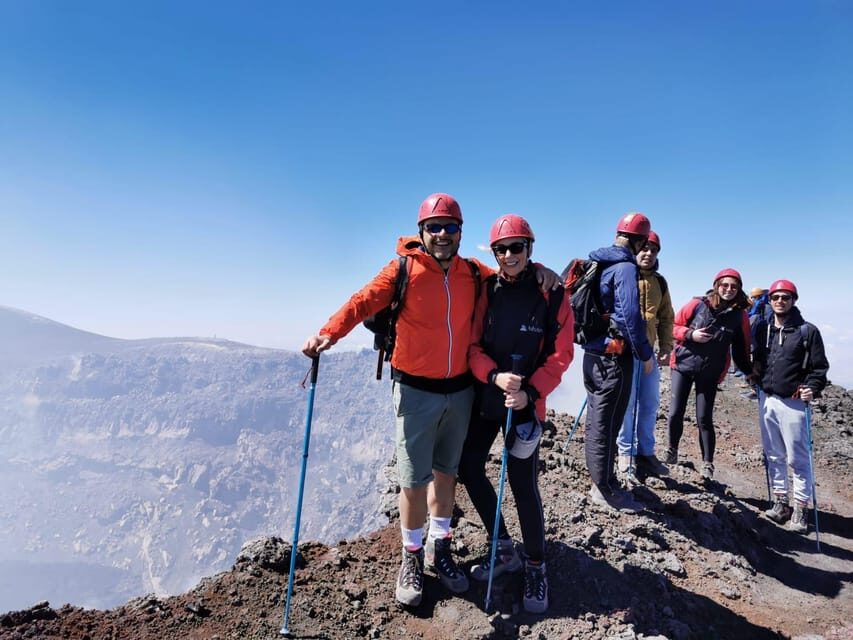
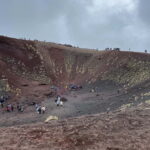
From roughly 2,825 m, the ascent to the main crater rim takes about 2 hours. The goal is the Central Crater area near 3,320 m, with time built in for guided stops and photos along the way.
This is where the volcanology guidance makes a big difference. Etna can look like sci-fi scenery, but without context it can also feel random. With a certified guide, you learn how the volcano evolves and what the crater system means historically and geologically.
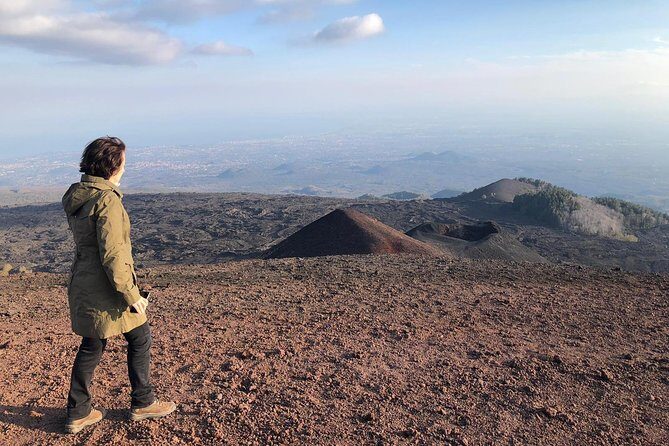
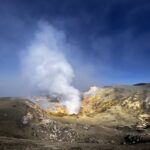
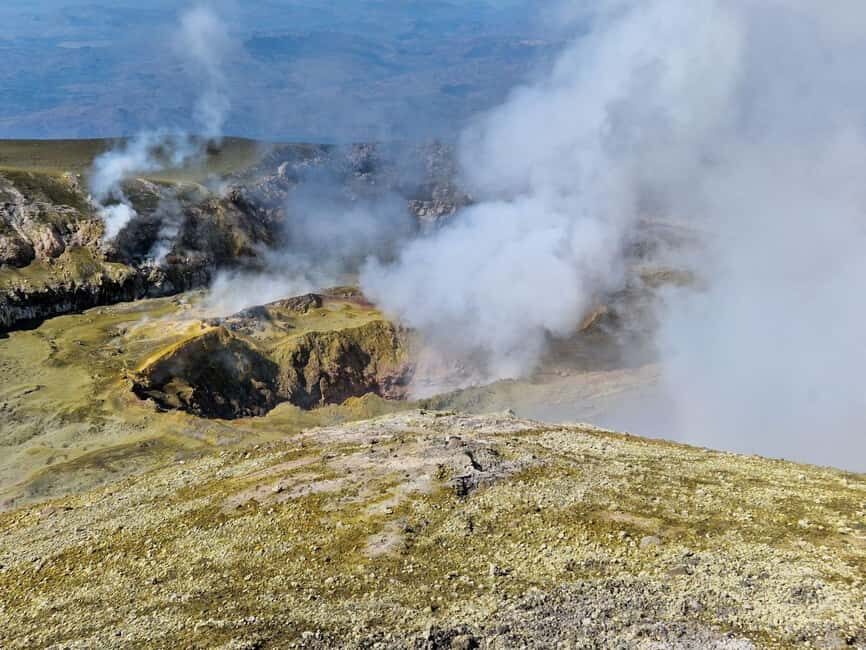
On the ground, you’re looking at active features: gas emissions and volcanic bombs can be visible, and the colors can look almost painted. Those sparkling tones come from mineral sublimation—sulfur shows up in the story, especially in how the ground looks and how the air can feel.
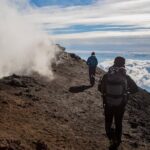
What you’ll enjoy most here is the change from “hiking” to “observing at work.” You’re moving along the rim zone, with a sense of why this is one of Europe’s most active volcanoes. The guide explains as you go, so you’re not just following a route—you’re learning the reason behind it.
What could slow you down
Altitude plus loose volcanic surfaces can make a steady pace harder. Even if you’re fit, you may feel the climb more than you expect. This tour is built for moderately trained hikers, but your breathing and footing matter more than speed.
Other hiking tours in Catania
Piano delle Concazze and the summit crater views
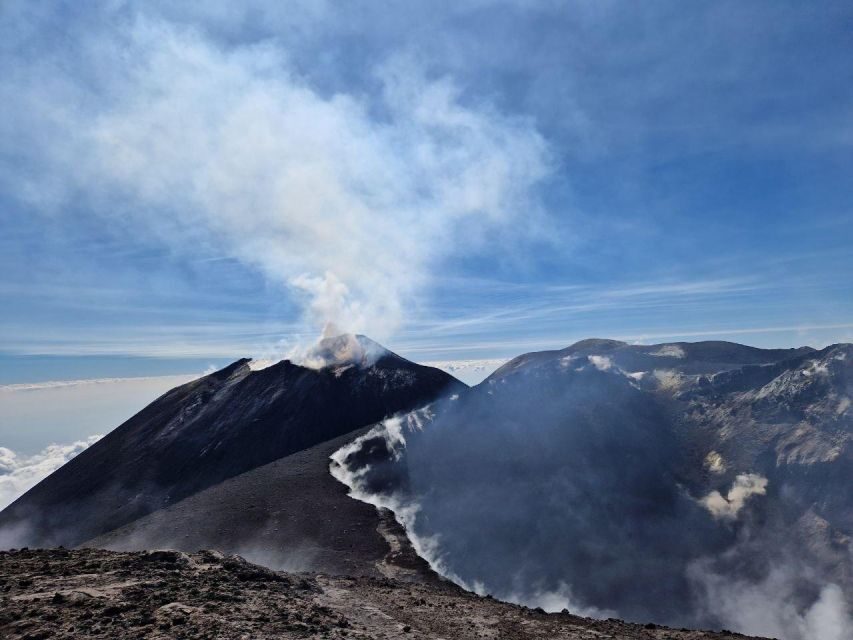
After reaching the rim area, you’ll spend time at the higher crater zone and then return toward Piano delle Concazze. The day includes about 2 hours in this higher area phase (timing can shift depending on conditions).
This is the part that most people remember: the close-up look at the crater system. You walk on the edge of the Central Crater, then you face the Northeast Crater and you can admire the Southeast Crater nearby—the one tied to the most recent and impressive eruptions.
If you’ve seen eruption photos online, this is your reality check. You’re not looking at a single spectacular view. You’re seeing how crater systems sit next to each other, how different parts of the volcano behave, and how the ground changes as elements heat and release.
One practical thing I appreciate: you get breaks built in. That’s not just for chatting. It helps you manage the physical side of it—especially when the terrain turns finer with volcanic ash and slag.
Descent through ash and slag: great views, tired legs
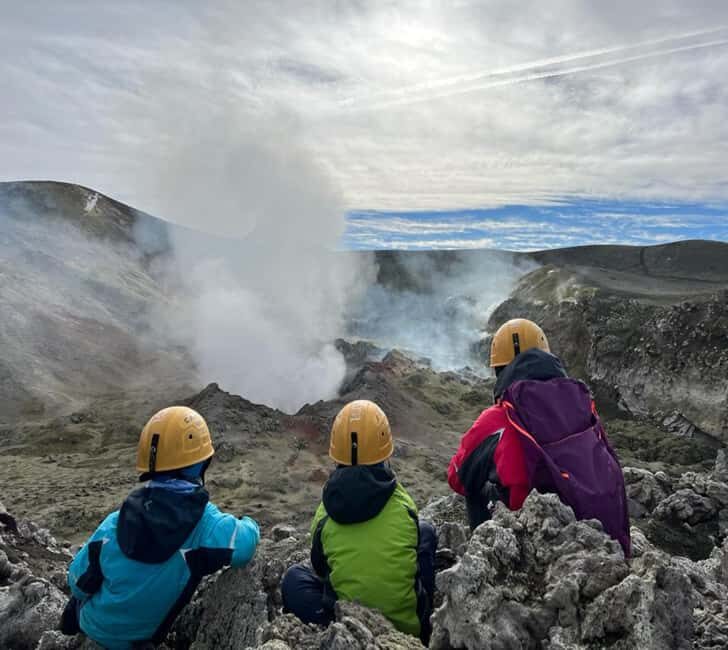
After the top crater visit, the descent brings you back down through fine volcanic ash and slag. This is often where people realize the tour is more than just a climb.
It’s panoramic—your eyes keep moving toward the wider world, including views over the Sicilian coast—but ash on a downhill can make footing feel “slippery-grainy.” Trekking poles help a lot here, and the included boots are there for a reason.
If you’re tempted to wear fashion sneakers because they look fine in a store window, don’t. You’ll want shoes that can grip and protect on uneven, gritty terrain. The tour includes hiking boots, but you should confirm sizes early and plan to use them comfortably.
The guide experience: science you can actually use
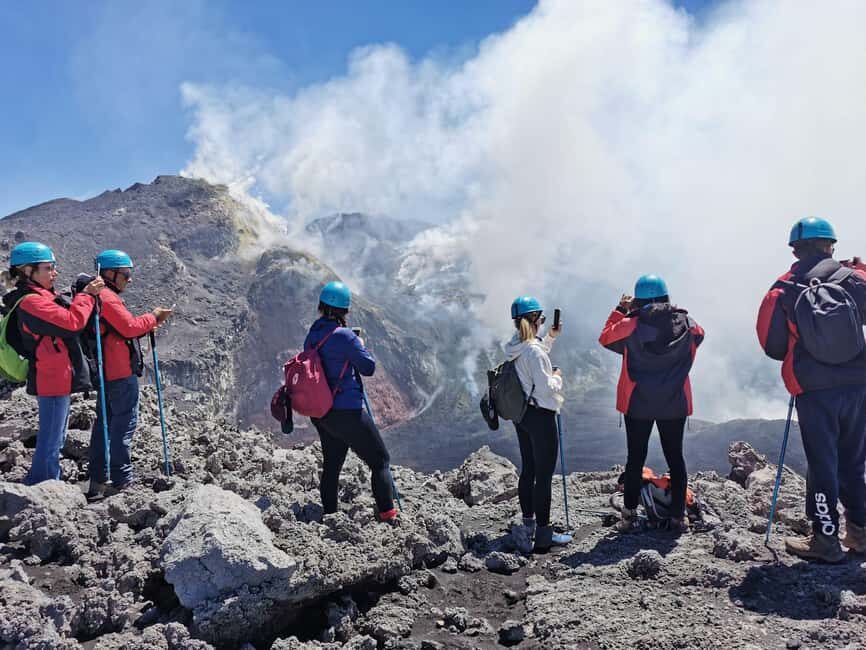
The best part of a summit volcano hike isn’t just what you see. It’s whether you understand what you’re seeing as it changes. That’s why I’d pick a tour that’s led by a guide with volcanology credentials.
One thing you can count on here is clear communication in Italian, English, and French. That matters on Etna because the guide might explain changes in risk zones or why you’re taking a particular path. You don’t want to guess what’s going on.
From the guide style, you’ll also likely get enthusiasm. In the past, a guide named Gino has been noted as calm, competent, and very good at explaining. Even if you don’t get the same person, the overall approach is the same: you’re not just passed around photos. You learn while you walk.
Price and logistics: what you’re really paying for
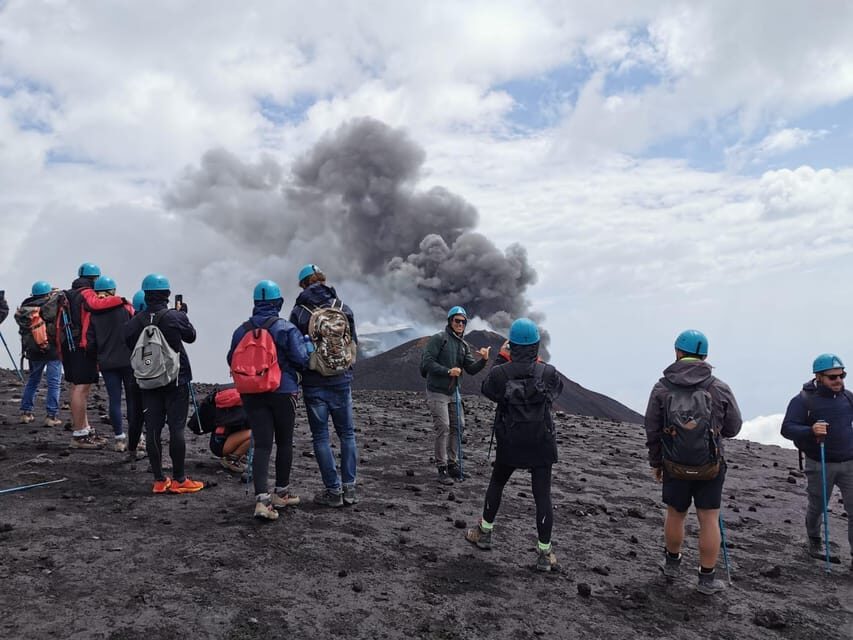
The listed price is $67.97 per person, and the duration is about 5 hours (starting times depend on availability). That’s a solid chunk of time for a high-altitude crater walk.
But the real pricing picture includes the 4×4 ticket. You pay 60€ cash on the spot for the vehicle portion. Since the 4×4 is part of how you safely reach the high starting zone, it’s not an optional add-on in the way some tours treat it.
Also consider what is included:
- Volcanological or mountain guide
- Insurance
- Trekking poles
- Helmets
- Hiking boots
Not included:
- 4×4 tickets (60€ cash on spot)
- Pick up or drop off from your hotel
- Food and drinks
For me, that combination reads as fair value: you’re paying for qualified guidance and real gear, and you’re paying extra for the vehicle access that makes the climb possible.
If you’re traveling light and bringing your own snacks and water, you can keep costs reasonable. If you expect the provider to handle meals and transfers, you’ll want to plan ahead so you’re not surprised at the meeting point.
Who this hike fits best (and who should skip it)
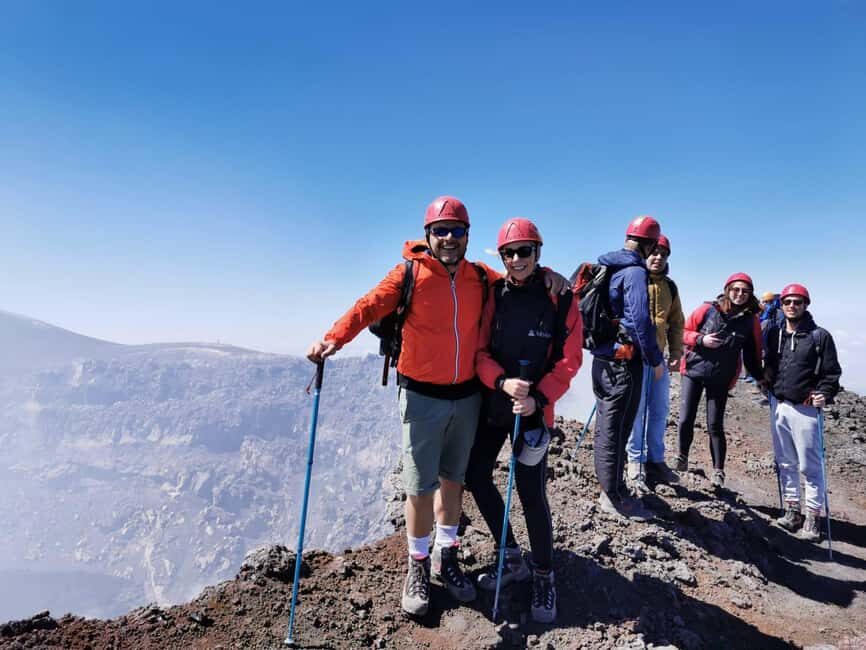
This is built for hikers who can handle sandy and uneven terrain and feel comfortable moving on volcanic surfaces.
You’ll likely love it if:
- You enjoy geology or you want your volcano experience explained in plain language
- You want a high-altitude crater walk, not a short scenic stop
- You’re okay with a demanding descent on ash-covered ground
You should think twice or avoid it if:
- You have heart problems, epilepsy, high blood pressure, or recent surgery (the tour specifically lists these as not suitable)
- You’re pregnant (not suitable)
- You’re looking for something kid-friendly under age 9 (not suitable for children under 9)
And if you’re nervous about altitude, don’t ignore that feeling. This is an active summit area at very high elevation, and the route can vary based on volcanic risk.
Weather and volcano risk: why “North 3,400 m” is not a promise
The North-side climb is described as the slope that currently allows the climb to the summit in safer conditions. But Etna’s activity can change. The guide has the right to modify the excursion for weather and environmental factors or possible volcanic risks, and they can stop it for safety.
There’s also a real chance the plan shifts if the North-side route is too active at that time. Some departures may end up being adjusted, which means you might not hit the exact same high point as you hoped.
So my practical advice is simple: go in with a mindset of participation, not control. You’re booking the best-guided attempt to reach crater zones safely, not a guaranteed checkbox for a specific number.
Should you book this Etna North hike to the crater rim?
I’d book this if you want the real Etna experience: guided crater walking, volcanology explanations, and lunar-feeling terrain where the volcano is actively shaping the ground. The included helmets and boots are a big deal, and the guide-led science makes it more than just strenuous sightseeing.
Skip it if you want an easy walk, you have health limitations listed by the tour, or you’re the type who needs a rigid plan with no chance of route changes. Etna is alive. The best trips are the ones where you treat the day like a collaboration with the mountain, guided by people who know how to read risk and terrain.
If you’re planning around photos, know this too: conditions can affect how close you get to particular crater rims. But you’ll still get a strong day on Etna—high, close, and explained as you walk.
FAQ
Is the 4×4 ride included in the price?
No. The 4×4 ticket costs 60€ per person and is paid in cash on the spot.
Where do I meet for the North Etna hike?
You meet at the Ashàra info point, in front of Chiosco Bar Mareneve, at Piano Provenzana (Etna Nord) in Linguaglossa.
How long is the experience?
It lasts about 5 hours. Starting times depend on availability.
What’s included in the tour?
The tour includes a volcanological or mountain guide, insurance, trekking poles, helmets, and hiking boots.
Do I need to bring my own food and drinks?
Yes. Food and drinks are not included, so you should bring them.
What should I bring for the hike?
Bring a windbreaker, sunglasses, a hat, sunscreen, a jacket, a T-shirt, long pants, socks, and a daypack. Also bring your food and drinks.
Are there limitations on who can join?
Yes. It is not suitable for children under 9, pregnant women, and people with heart problems, epilepsy, high blood pressure, or recent surgeries.
What languages is the live guide available in?
The guide is available in Italian, English, and French.
What footwear and luggage rules apply?
Open-toed shoes aren’t allowed. There’s also no luggage or large bags allowed. Baby strollers and baby carriages are not allowed either.
What happens if conditions are unsafe?
The guide can modify the excursion based on weather, environmental factors, or volcanic risk, and they can stop it if needed for safety.