REVIEW · ETNA SUMMIT TREKS
Mount Etna: North Upper Craters Guided Tour by 4×4 with Trek
Book on GetYourGuide →Operated by SAT Group · Bookable on GetYourGuide
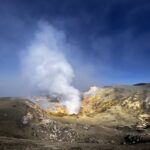
You feel Etna’s power fast. This guided North Rim 4×4 tour gets you up toward the craters from Piano Provenzana, then adds short walks so the views aren’t just from a window. You’ll visit standout spots like the Umberto and Margherita craters and the Pizzi Deneri promontory, reaching high altitudes around 2,900 meters when conditions cooperate.
I especially like the mix of ride and walking. The trip gives you several photo stops plus a couple of short treks at altitude, including a 15-minute walk at Pizzi Deneri. And the guides bring the volcano to life with clear talk and practical pacing; Vincenzo, for example, is praised for being both informative and funny, while Arturo is noted for having both heart and know-how.
One drawback to consider: this isn’t a sit-and-smile ride. It includes uneven off-road driving and trekking at altitude, and it’s not suitable for pregnant women or people with heart problems.
In This Review
- A few things you’ll notice right away
- Getting to Piano Provenzana: your climb starts before the 4×4
- The 4×4 North Rim ride: traveling through Etna by window
- Le Betulle Hotel ruins: seeing 2002’s footprint up close
- Umberto & Margherita craters plus the 2,380m trek
- Pizzi Deneri observatory: the viewpoint you’re aiming for
- The 2002 buttonhole craters and the sandy descent back
- What to wear (and what not to): cold, wind, and boots matter
- Price and value at $94: what you’re paying for
- The guide factor: how the best tours feel
- Who should book this Etna north upper craters tour
- Should you book it: the quick decision check
- FAQ
- How long is the Mount Etna North Upper Craters guided tour?
- Where do I meet the guide?
- What languages are the guides?
- Is transportation to the meeting point included?
- What should I bring?
- Are open-toed shoes allowed?
- Is the tour suitable for everyone?
A few things you’ll notice right away
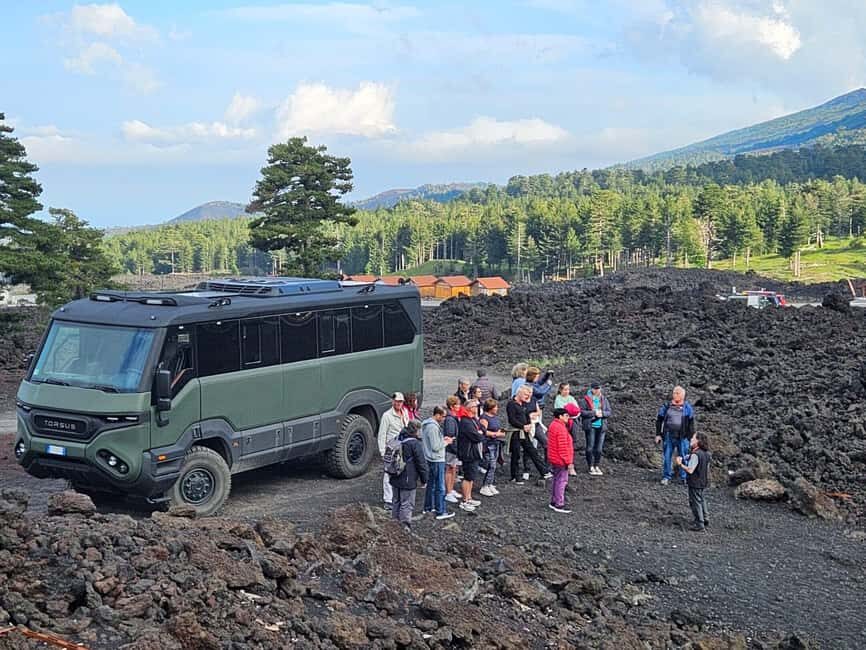
- 4×4 from Piano Provenzana: off-road access on Etna’s north side, starting around 1,800 meters
- Crater sequence that makes sense: Umberto + Margherita first, then Pizzi Deneri, then the 2002 eruption area
- Short treks, not long hikes: one mini-walk near 2,380 meters plus a ~15-minute promontory trek
- Big-sky viewpoint stops: if weather allows, you can see the Aeolian Islands, the Ionian coast (from Syracuse to Taormina), the Giardini Naxos gulf, and the Calabrian coast
- Cold-weather reality: warm layers and wind protection matter up high
- Some people will feel the altitude: you’re going to higher elevations quickly, so plan for breath and pace
Getting to Piano Provenzana: your climb starts before the 4×4
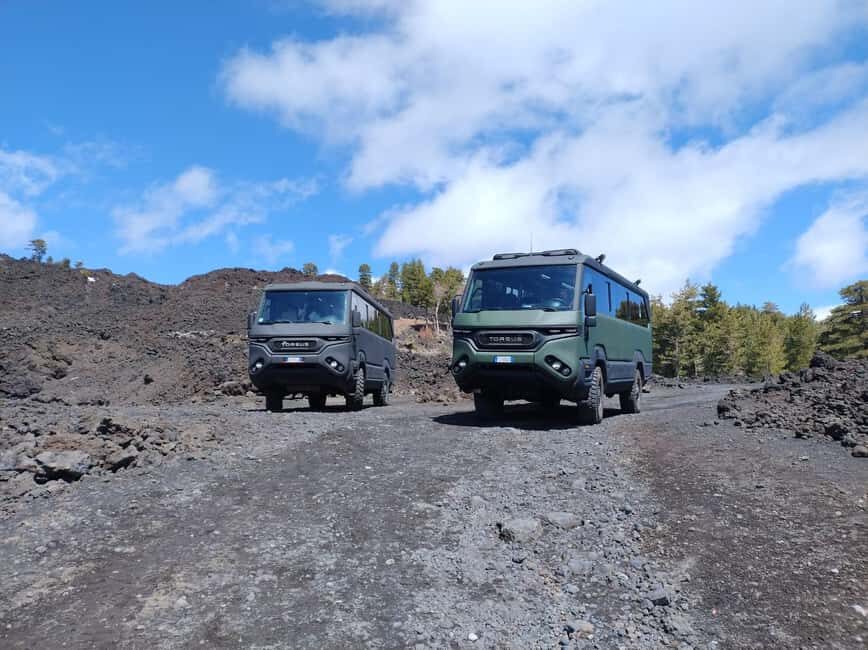
The tour meeting point is the Etna Travel Service office at Piano Provenzana on Etna’s north side. You’ll want to arrive a bit early, because you check in with your guide there and then start the ascent from roughly 1,800 meters. If you’re planning your own transport to the meeting point, that’s on you—your ride to Piano Provenzana is not included.
This matters because Piano Provenzana is already on the mountain. In practical terms, it means you’re not wasting time doing a long transfer from the low coast, and you get to the action while the day still feels fresh.
Also, the tour is offered with live guiding in English, Italian, and French. If you’re not confident in Italian, you can still get the explanations without translation guessing.
Other Mount Etna tours we've reviewed in Catania

The 4×4 North Rim ride: traveling through Etna by window
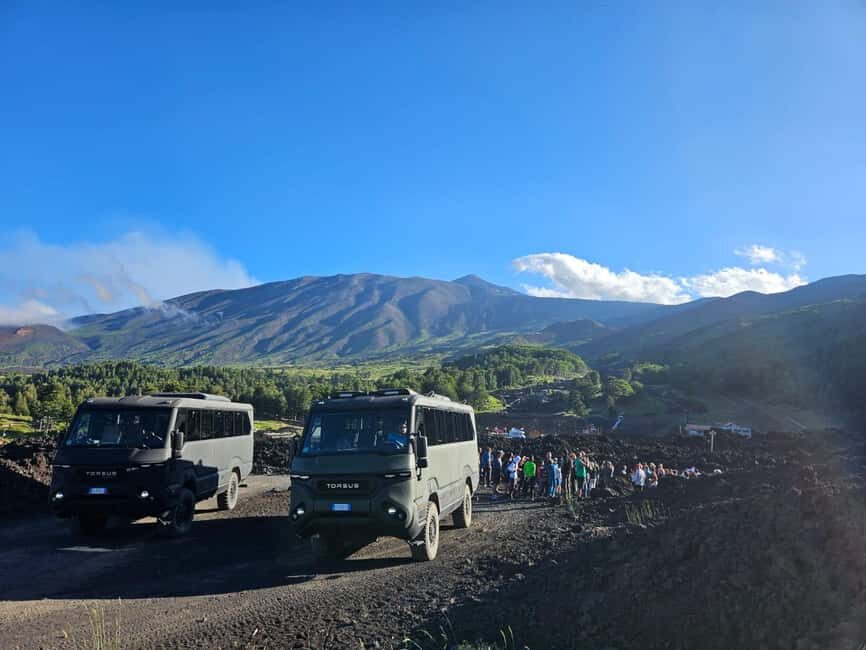
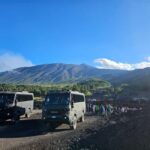
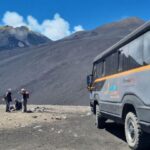
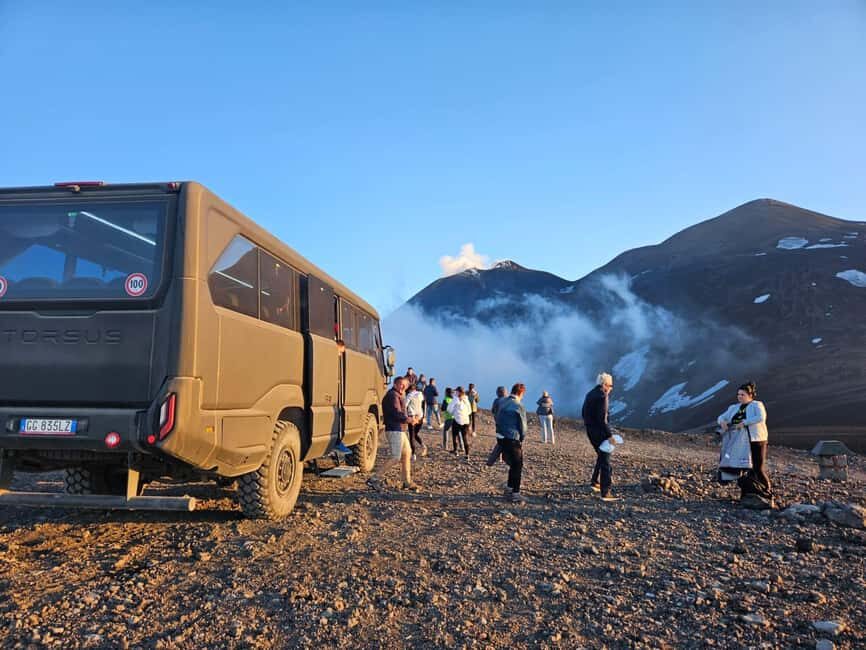
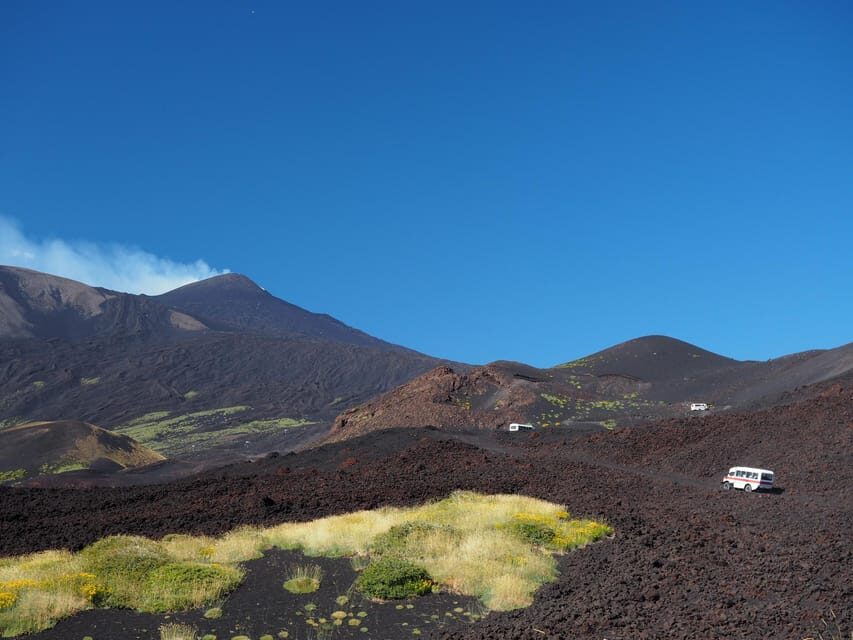
The star vehicle is a specially-equipped 4×4, and you’ll travel through the volcano area using its off-road access. A key detail here is that you’ll also view the terrain through the vehicle window, which helps when the ground is active or rough. It’s a good way to cover a lot of ground in a short time while keeping the pace manageable.
You’re going to see the north rim’s major landmarks without having to commit to a full-day summit expedition. You’ll also get those stop-and-stare moments, where the guide points out what you’re looking at and how it connects to past eruptions.
And yes, it’s thrilling in the way only Etna can be: you’re not just going uphill, you’re shifting environments fast. Low brush can feel far away once you’re higher and the air changes. Keep an eye on your footing when you get in and out too—open-toed shoes are not allowed, and that rule is there for a reason.
Le Betulle Hotel ruins: seeing 2002’s footprint up close
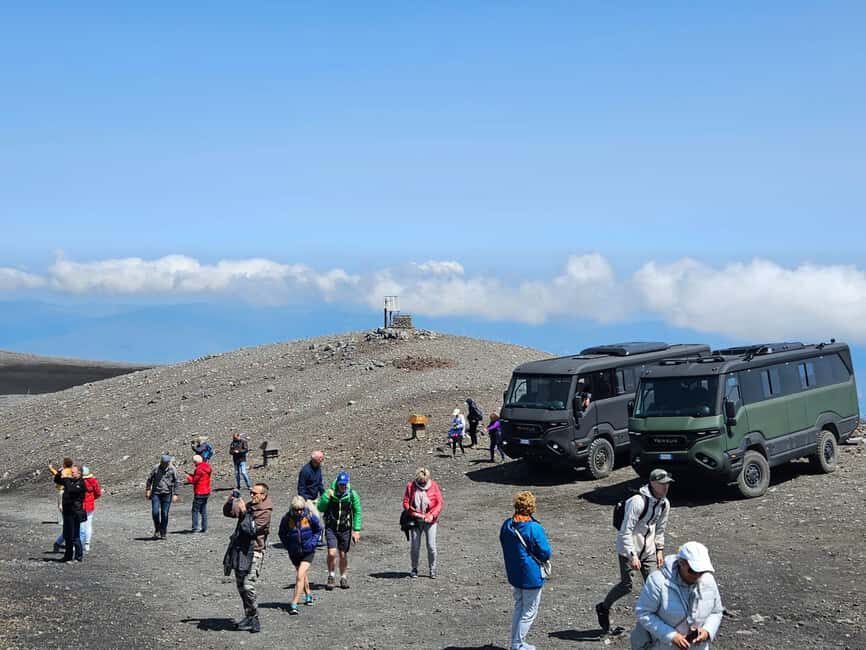
One early stop is the ruins of the Le Betulle Hotel. This is described as the only visible structure from the lava flow of 2002, which makes it a rare, concrete reference point on a mountain where nature moves faster than memory. You’ll take a moment here not just for photos, but to connect the crater scenery to a real event.
The value of this stop is how it anchors the day. When you later look at craters and lava features, it’s easier to understand what you’re seeing if you already have one “this actually happened” landmark in your head.
You’re also viewing everything from a safe distance. The goal isn’t to get close enough to feel heat; it’s to learn the terrain and see how eruptions reshape the slopes.
Umberto & Margherita craters plus the 2,380m trek
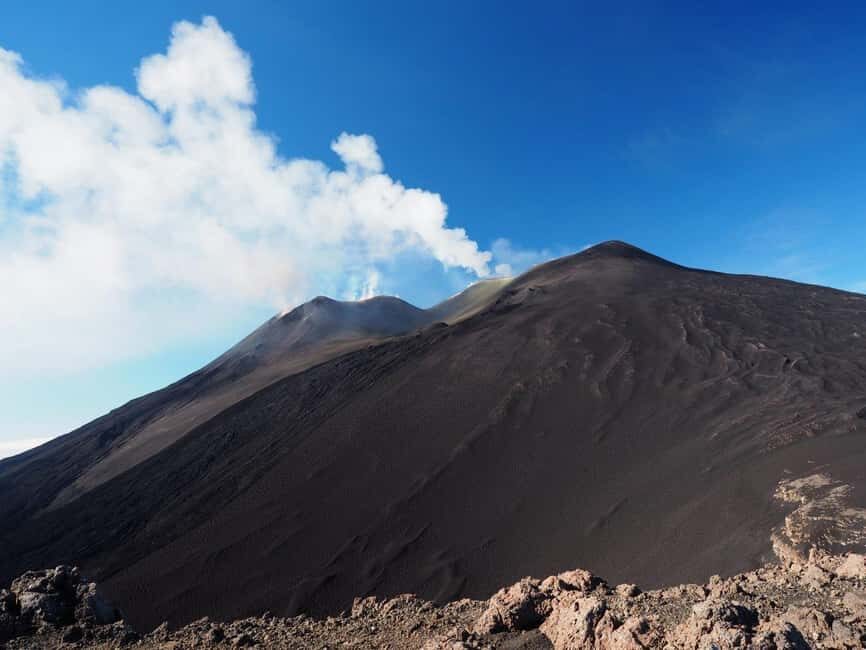
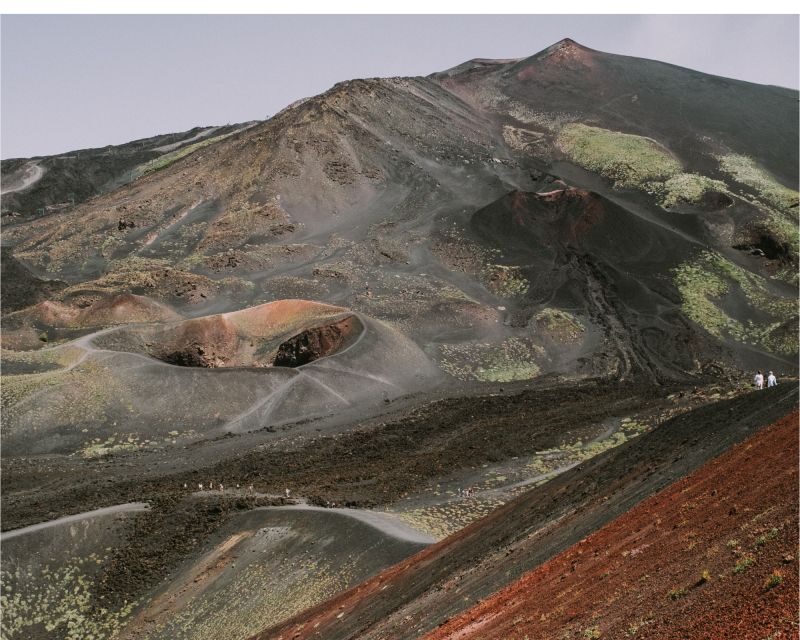
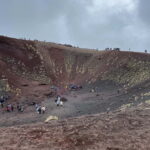
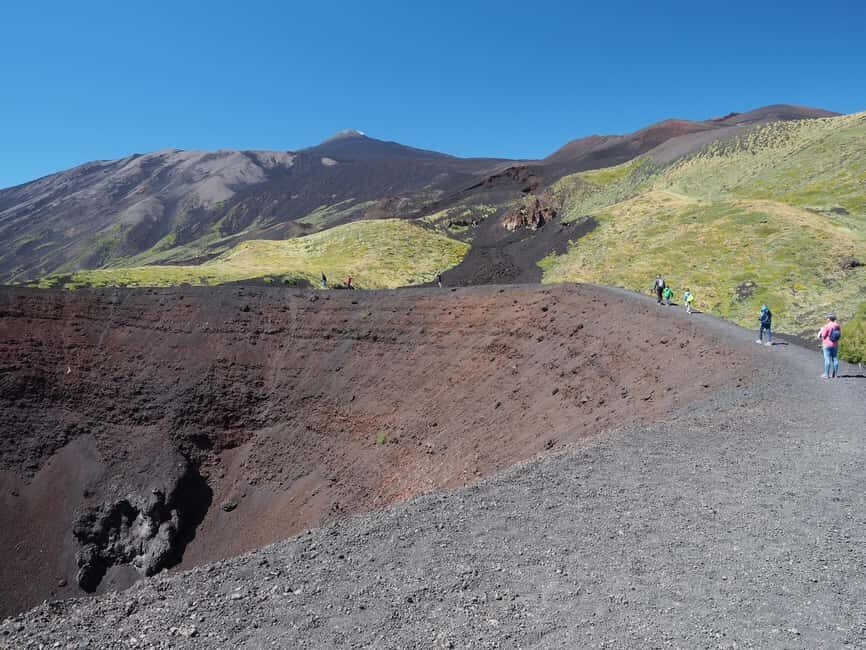
After the Le Betulle Hotel ruins, the route heads toward the enormous Umberto and Margherita craters. These are big names on Etna’s north side, and you’ll feel why once you’re looking at their scale up close—big enough to make you quiet for a second, even if you’re usually chatty.
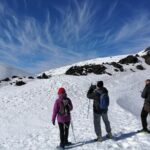
Then comes a short trek at about 2,380 meters. This is the part where the tour turns from viewing to doing: you step out, walk briefly, and get a better sense of how the rim sits in the larger volcanic geography.
Why this section is worth your time: it gives you a balanced Etna experience. You see the craters from the road, then you trade vehicle comfort for a quick leg-stretch at altitude. If you’re the type who wants something more than a bus window, this is where you feel rewarded.
Pizzi Deneri observatory: the viewpoint you’re aiming for
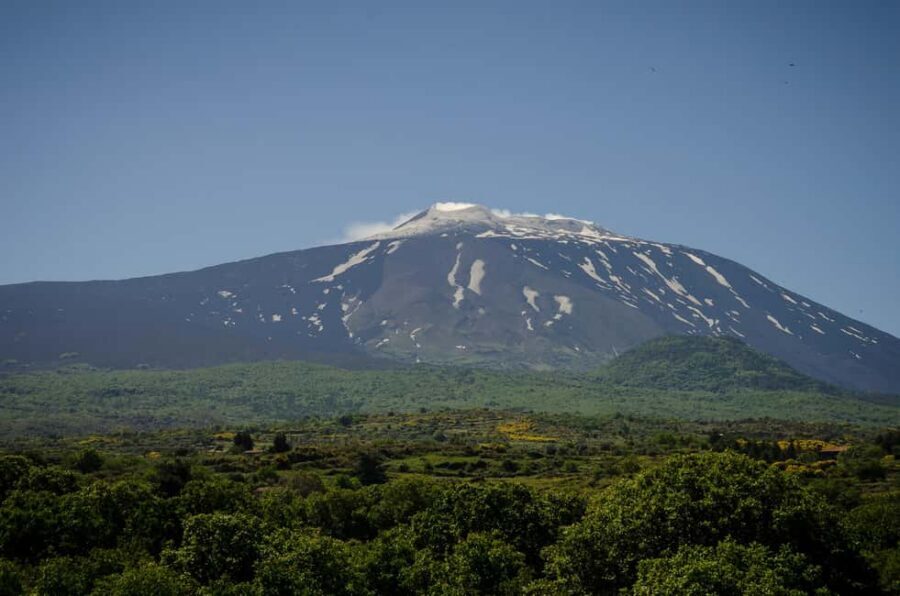
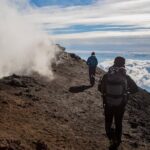
Next you head to the volcanological observatory at Pizzi Deneri, around 2,818 meters up. The tour then includes a roughly 15-minute trek to the top of the Pizzi Deneri promontory. That short walk is simple in distance, but not in altitude—so go steady and let the air catch up with you.
From this promontory, you get the kind of panorama that makes Etna feel like a planet-sized project. If weather conditions permit, you can admire the Aeolian Islands, the Ionian coast from Syracuse to Taormina, the Giardini Naxos gulf, and even the Calabrian coast.
The tour also sets you up to observe the summit craters that dominate the Valle del Bove. You’re not hunting for details like a scientist, but you are learning the layout—what sits where and why the north rim is such a strong vantage point.
One practical note: if the day is hazy or windy, the promised far views may be limited. That’s not a tour failure. It’s just Etna’s weather doing what it does.
Other Etna summit treks we've reviewed in Catania
The 2002 buttonhole craters and the sandy descent back
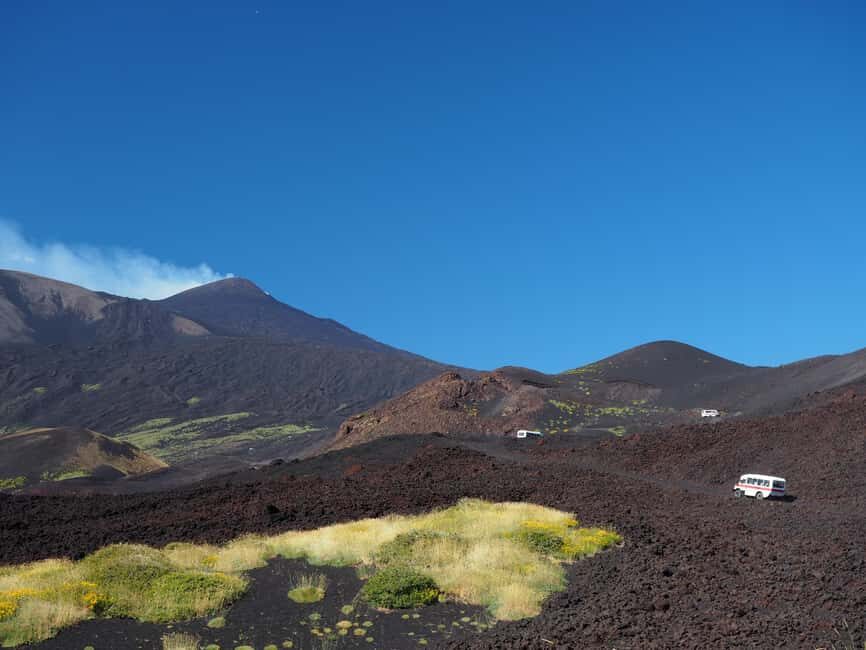
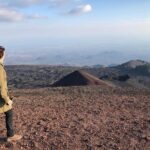
After the observatory area, you continue toward the zone linked to the 2002 eruption and the characteristic buttonhole craters. The name helps, but what matters most is how the terrain looks there: the craters and eruption features act like a map of the event, visible at a scale that’s hard to grasp from brochures.
Then you do a short descent down a sandy slope back to the off-road vehicles. This is one of those “pay attention” moments, especially if you’re wearing thin soles or if your footwear isn’t grippy. Comfortable, closed-toe shoes are not just a suggestion here—they help you enjoy the ride instead of thinking about it.
By the time you return to Piano Provenzana, the full arc of the tour clicks: ruins that anchor the past, craters that show the volcano’s structure, and eruption features that show how quickly the mountain can change.
What to wear (and what not to): cold, wind, and boots matter
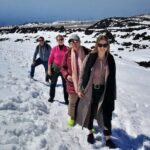
Etna at altitude can feel sharply different from the coast. Plan for it. Bring warm clothing and a windbreaker, and wear comfortable shoes that you trust on uneven ground. Open-toed shoes are not allowed, and that rule is worth respecting because the terrain can be rough at stop time.
Jacket and boots rental are not included. So if you were hoping to show up light and rent on site, make other plans. If you already have decent hiking shoes and a wind layer, you’re basically set.
Also, the tour isn’t listed as suitable for people with heart problems. If that applies to you, it’s better to choose a calmer option. Altitude plus off-road movement can be a challenging mix.
Price and value at $94: what you’re paying for
At $94 per person for about 2.5 hours, you’re paying for a few things together: guided crater access, specially-equipped 4×4 transportation on Etna’s north side, and short treks with a knowledgeable guide. You’re not buying a simple viewpoint ticket. You’re buying a structured route with altitude stops and interpretation.
Is it good value? For most first-timers, yes—because you get multiple major sites in one go: Le Betulle Hotel ruins, Umberto and Margherita craters, Pizzi Deneri observatory, and the 2002 eruption area with buttonhole craters. Doing that alone would be harder, slower, and less efficient.
Where value depends on you: if you hate short hikes or you’re strongly altitude-sensitive, the price won’t feel as justified. But if you’re okay with a little walking for big crater access, this is a fair spend.
The guide factor: how the best tours feel
The experience lives or dies on how the guide manages the day. When things go well, you get clear explanations, good timing between stops, and a sense that the route was chosen for what you can actually see. That’s exactly what strong guides like Vincenzo are praised for: being super informative, with humorous touches that keep people alert. Arturo is also praised for combining heart and practical understanding.
You’ll likely hear the day framed around safe viewpoints and what each stop teaches. That’s useful because Etna is active and complex. Good guiding helps you interpret what you see without overloading you with science you didn’t ask for.
The one caution I’d give: if a guide’s pacing doesn’t match what you expected, it can feel like you lost time. So if you care most about reaching the observatory area, check that the timing for your departure day matches the itinerary expectations.
Who should book this Etna north upper craters tour
This tour is a strong match if you want:
You want the north side specifically, with crater stops and short treks.
You like guided interpretation, not just a scenic drive.
You want a half-day outing that feels like more than a photo stop.
It can also work for families with young kids who can handle short treks and altitude. The tour is described as doable for a 3-year-old in one case, which suggests the walking portions are managed and not overly long. Still, use common sense: young kids may struggle more with wind and cold.
It’s probably not for you if:
You need a fully flat, low-impact experience.
You have medical concerns that make altitude or uneven terrain risky.
You expect a long hike or summit-style challenge. This is short, timed walking, not a full summit adventure.
Should you book it: the quick decision check
Book it if you want a well-structured Etna taste of the north rim: craters, eruption features, and a promontory trek—all within about 2.5 hours. The $94 price tends to feel fair because you’re getting multiple major Etna stops, not just one overlook, plus live guiding in English/Italian/French.
Skip this one if altitude or uneven ground is a dealbreaker for you, or if you’re hoping for a very slow, minimal-walking day. And because jacket/boots rental isn’t included, make sure you’re dressed for cold wind at high elevation.
If you can handle a short trek and you want crater access with expert context, this is one of the more practical ways to experience Mount Etna’s north side.
FAQ
How long is the Mount Etna North Upper Craters guided tour?
The tour duration is listed as 2.5 hours.
Where do I meet the guide?
Meet your guide at the Etna Travel Service ticket office at Piano Provenzana on the north side of Mount Etna.
What languages are the guides?
Live tour guides are available in English, Italian, and French.
Is transportation to the meeting point included?
No. Transportation to the meeting point must be arranged by you. The tour includes transportation during the experience.
What should I bring?
Bring comfortable shoes, warm clothing, and a windbreaker.
Are open-toed shoes allowed?
No. Open-toed shoes are not allowed.
Is the tour suitable for everyone?
It’s not suitable for pregnant women or people with heart problems.