REVIEW · HIKING & TREKKING
Special trekking on the most authentic and wild side of Etna
Book on GetYourGuide →Operated by Guide Vulcanologiche Etna Nord · Bookable on GetYourGuide
Etna gets crowded, but the north side keeps its secrets. This trek targets the less-visited volcanic features of Etna, with volcanology experts guiding you past fractures, craters, lava-flow “mouths,” and even into an intact cone. It’s the kind of hike where the mountain feels active, not just scenic.
Two things I really like: you climb by 4×4 to reach higher ground quickly, then you do real walking on crater edges and ash slopes. Also, you get explanations that match what you’re actually seeing up close, from Rift-style fractures to eruption timelines like February 24, 1947. (You might even meet a guide like Ciccio, whose clear science talk makes the mechanics stick.)
One drawback to consider: this is not a casual stroll. High altitude, crater-edge walking, and a few tight, enclosed volcanic spots can be tough if you have vertigo, claustrophobia, or altitude sensitivity.
In This Review
- Quick reasons to pick this Etna Nord trek
- Etna’s north side, less crowded and more “real”
- Meeting at Chiosco Bar Mareneve and getting organized fast
- The 4×4 climb: from about 1800 to 2800 meters
- Short first hike around 2900 meters: summit views from a safe angle
- Rift and crater edges: the long walk on the north side
- Entering an intact cone: helmets on, claustrophobia risk
- Highest safe access when summit craters are closed
- What’s included, and what you’ll need to bring
- Pace, fitness, and health limits that actually matter
- Group size and language: how you’ll experience the walking
- Price and value: what $62.63 covers, plus the 4×4 fee
- Practical tips so your day runs smoothly
- Should you book the Etna Nord crater walk?
- FAQ
- What is the duration of this Etna north trek?
- Where do we meet for the excursion?
- What languages are the guides?
- What does the price include, and what costs extra on the spot?
- Is lunch included?
- Are helmets provided?
- What should I bring and wear?
- What if summit craters are closed due to volcanic risk?
Quick reasons to pick this Etna Nord trek
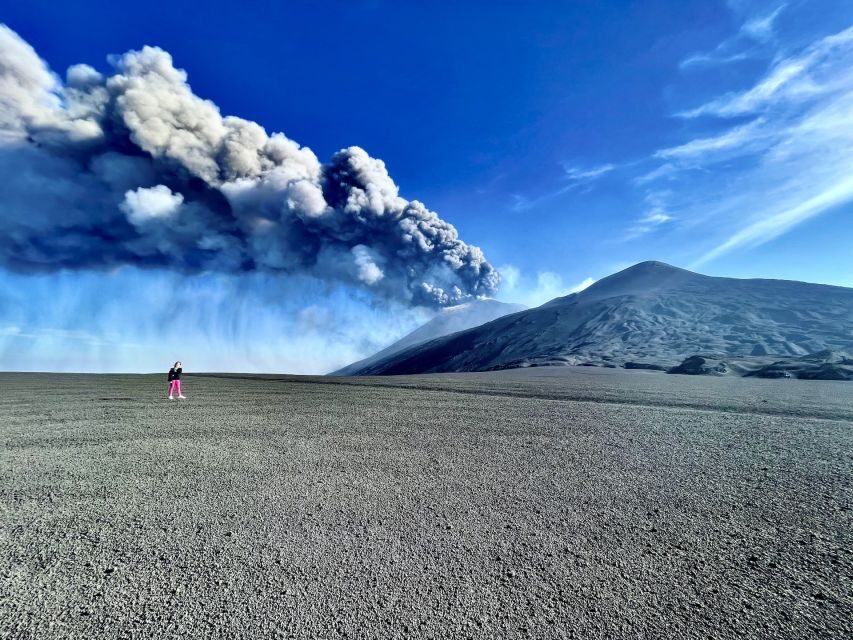
- Wild north slope: You’ll spend most of the time where fewer tourists go, with fractures, caves, and crater edges.
- Panorama early on: A stop around 2900 meters gives views over Sicily, with visibility that depends on weather.
- Crater-edge walking: The longest part takes place on ash slopes and around craters from multiple lateral eruptions.
- Inside a volcanic cone: You’ll enter an intact volcanic cone chimney with protective helmets.
- A smart alternative to summit closures: If the summit craters are closed for risk, you still reach the highest safe area the guides allow.
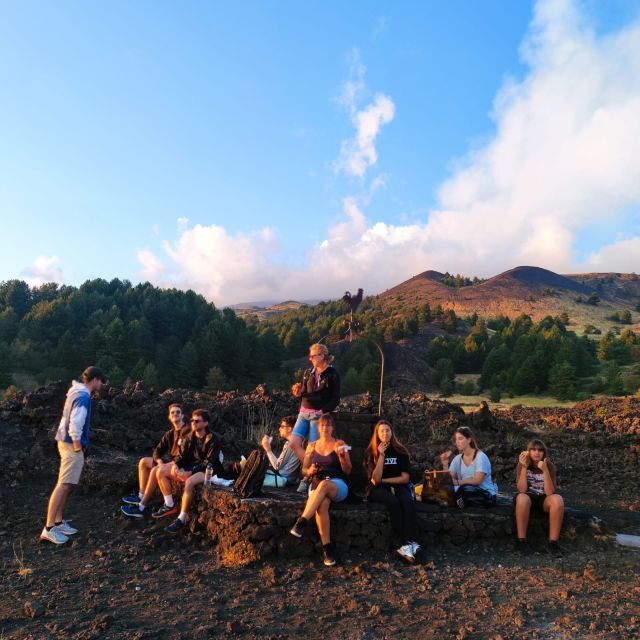
- Small-group handling: The operator groups people by number and language to help avoid big crowds on the ground.
Etna’s north side, less crowded and more “real”
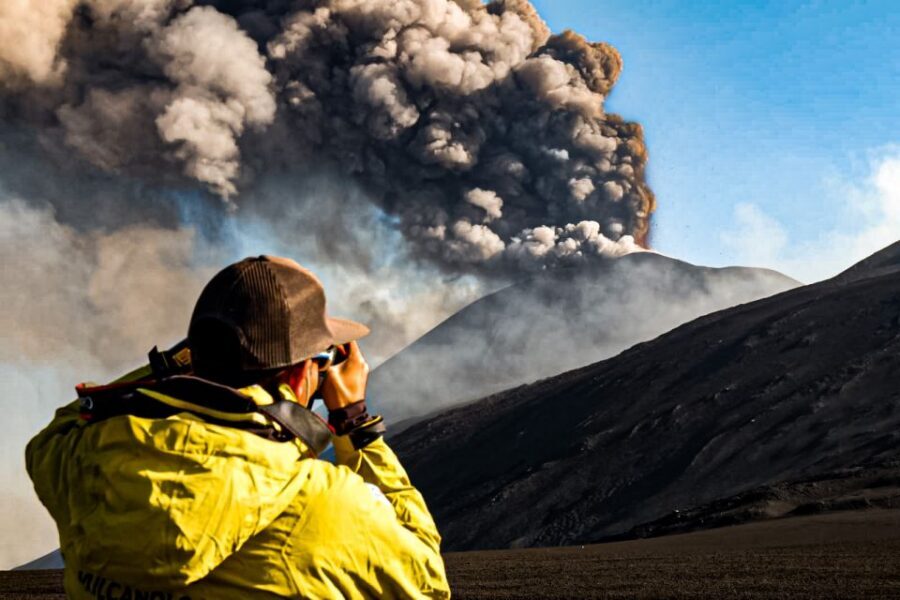
This tour is built around one idea: if you want Etna to feel wild, you go where the crowds don’t linger. Instead of orbiting the most famous viewpoints, you work along the north slope’s volcanic scars, fractures, and crater rims at altitude.
I like that the guides are volcanological experts authorized for active volcano walking. They follow the rules tied to volcanic risk levels, using the allowed safe altitudes so you’re not just chasing access, you’re chasing the right kind of access.
If you’re the sort of hiker who enjoys geology on the move, you’ll likely appreciate the way the route ties together what you see: ground fractures, eruption craters from different years, and structures that tell you how lava and gases traveled. It’s not just photos. It’s understanding.
Other Mount Etna tours we've reviewed in Catania
Meeting at Chiosco Bar Mareneve and getting organized fast
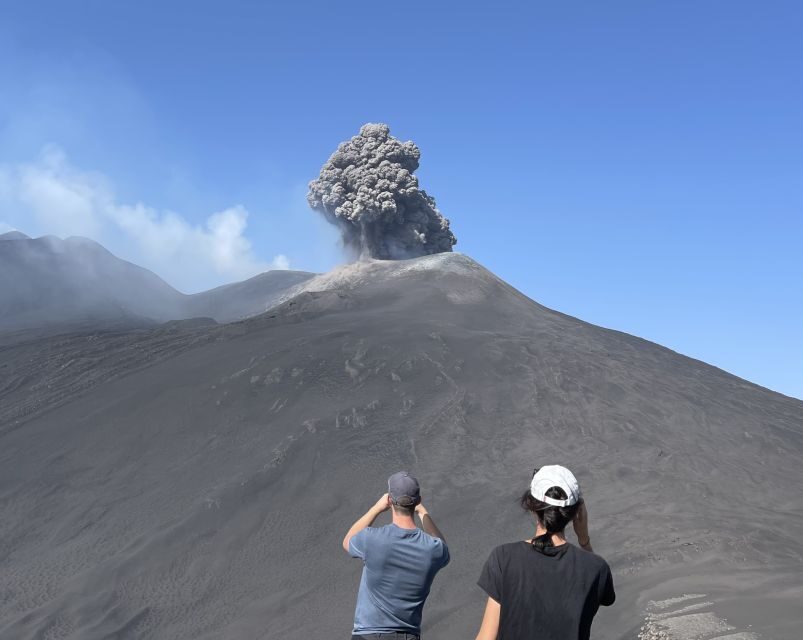
You start at the Chiosco Bar Mareneve near the chairlift used by skiers in winter. It’s in the parking lot, and you’ll look for the second house among the four present there. Show up a little early so your group can check in and get set with gear.
This matters because you’ll need to move efficiently once you’re assembled. You’ll be outdoors at altitude, and the whole rhythm depends on everyone leaving together for the first part of the day.
You’ll also pay a parking ticket fee on the spot (3 euros) after the excursion. If you’re planning lunch and snacks, do it before you arrive so you’re not juggling things mid-morning.
The 4×4 climb: from about 1800 to 2800 meters
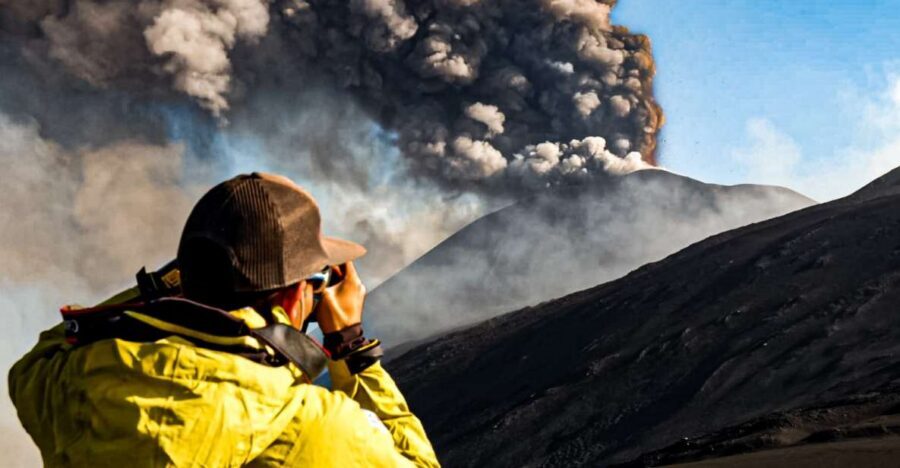
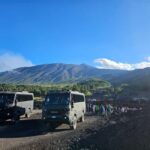
The day starts with an ascent by 4×4 vehicles. You leave from around 1800 meters and head up to about 2800 meters, covering roughly 8 km of rough road.
The nice part of this approach is time. It puts you high enough to feel like you’re on Etna, not just walking up the mountain’s lower foothills. While you ride, the volcanologist guide begins the explanations so you’re not hearing the science after you already walked past the clues.
Also, you’ll want to treat the vehicle ride as part of the experience, not just a transfer. The terrain can be bumpy, and alcohol isn’t allowed in the vehicle, which keeps the group focused and safe.
Short first hike around 2900 meters: summit views from a safe angle
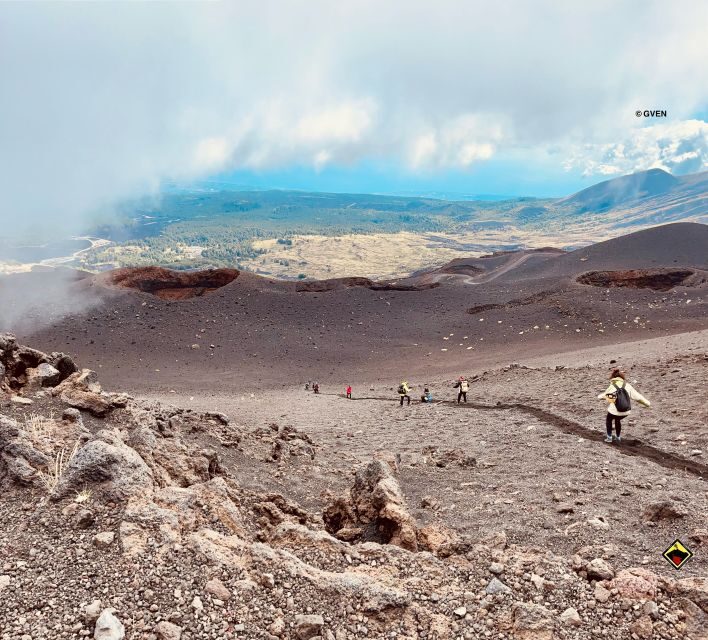
Once you reach the high point, your first on-foot stretch begins at about 2800 meters and rises to around 2900 meters. You’ll stop at a panoramic point where the guides show you what you’re looking at.
This is where views can really land: you can look toward Taormina and potentially the Aeolian Islands, depending on visibility. On clear days it’s dramatic; on haze days, you’ll still get value from the way the guide orients the volcanic features to the horizon.
Then you head back into the 4×4. The plan uses this first walk as a warm-up for altitude and terrain awareness, while still giving you a real crater-facing viewpoint.
Rift and crater edges: the long walk on the north side
After the 4×4 moves you toward the north-side crater area, you start the longest part of the trek. This is where you switch from “getting up there” to “working the ground,” and it’s designed for solid volcanic interest.
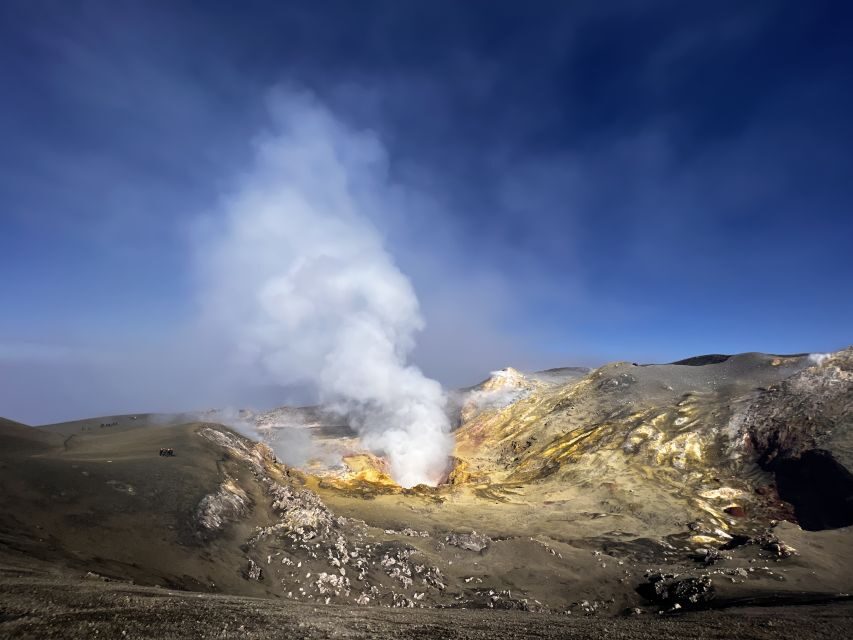
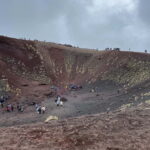
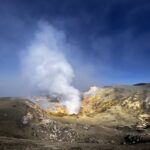
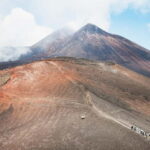
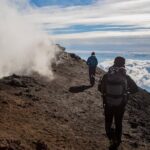
On this section, you’ll visit the north-side Rift area and see craters tied to the eruption of February 24, 1947. From there, you’ll walk along edges of large explosive craters, with descents that include slopes of volcanic ash.
This is also the segment that connects many eruption eras. You’ll move through crater zones linked to lateral eruptions across different years, including 1914/24, 1809, 1874, 1879, 1911, 1923, 1974/75, and activity more recent than 2002. The result is a route that feels layered in time, not one single moment in Etna’s story.
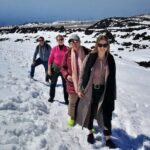
You’ll cover about 6 km on foot total for the day, and the walking is paced for moderately trained hikers. High altitude and crater-edge conditions are part of the design, so don’t plan this like a flat trail hike.
Other hiking tours in Catania
Entering an intact cone: helmets on, claustrophobia risk
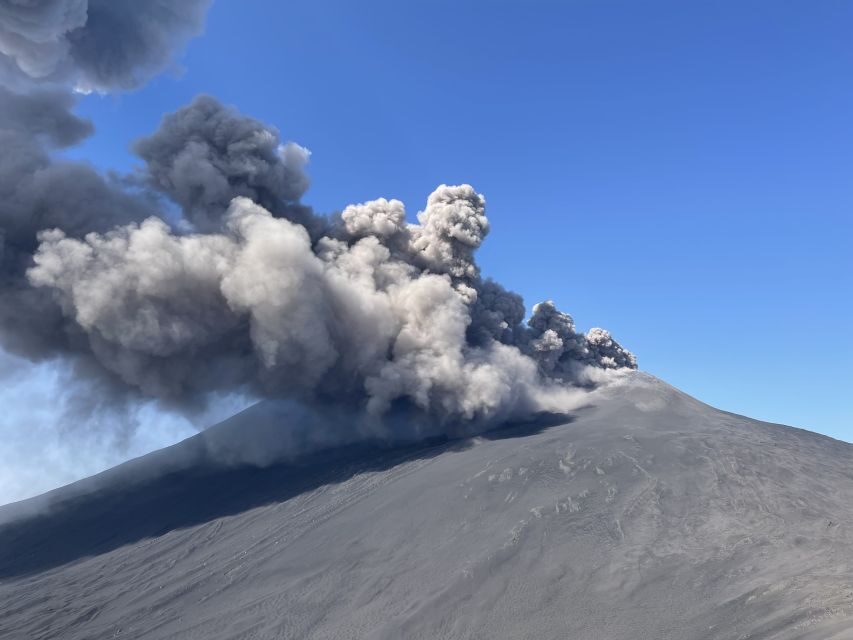
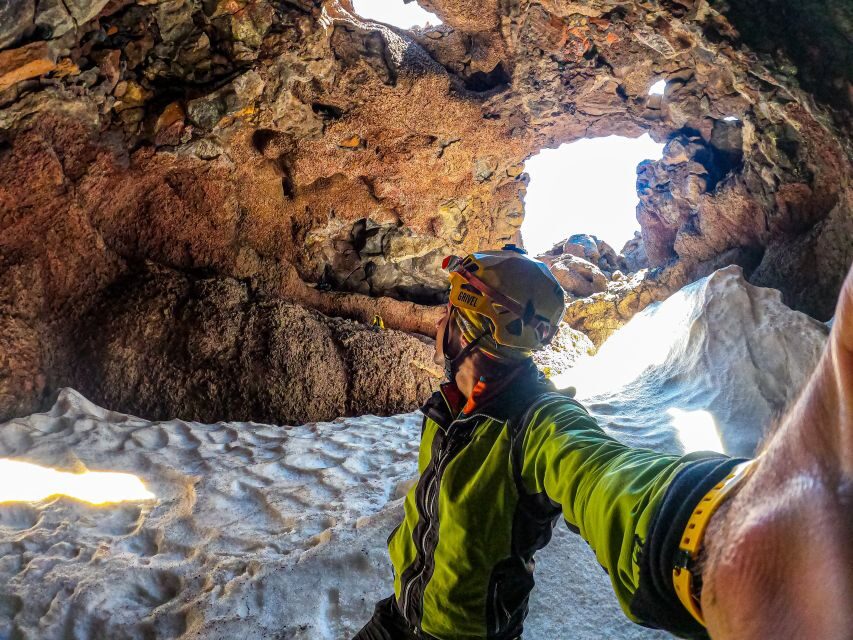
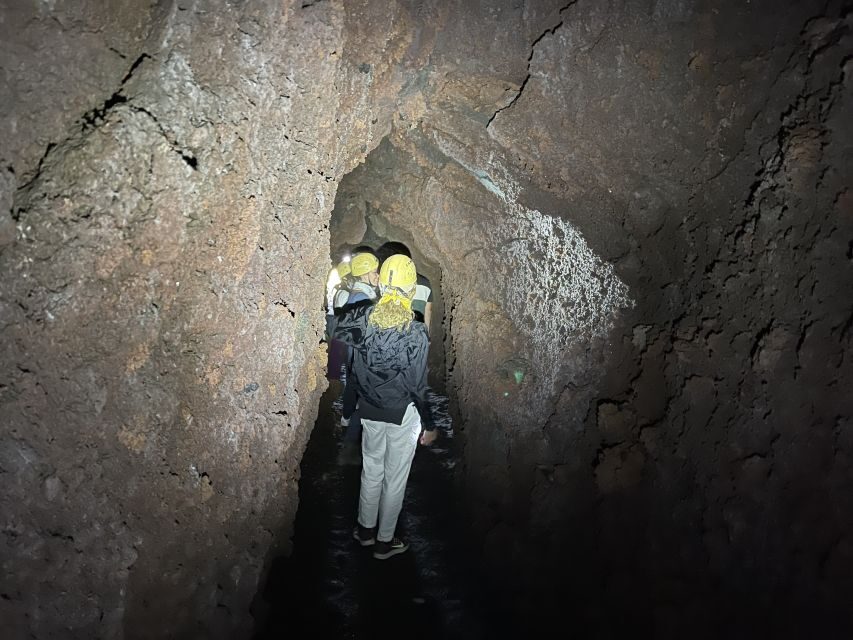
One of the most striking parts is the chance to enter a volcanic cone chimney that’s described as perfectly intact. You’ll wear protective helmets, and you’ll go inside parts of the cone associated with the eruption mechanisms and pathways.
You’ll also enter the mouths where lava flows were produced. This is the kind of detail that turns Etna from a mountain you look at into a mountain you experience.
But here’s the key caution: this is not suitable if you have claustrophobia or strong discomfort in enclosed spaces. Even if you’re fine with hiking, the cone interior adds a different mental challenge.
You should also know that the route can cause dizziness for people susceptible to it, since you’ll be moving along crater edges and at high altitude. If you’re prone to vertigo, this isn’t the right call.
Highest safe access when summit craters are closed
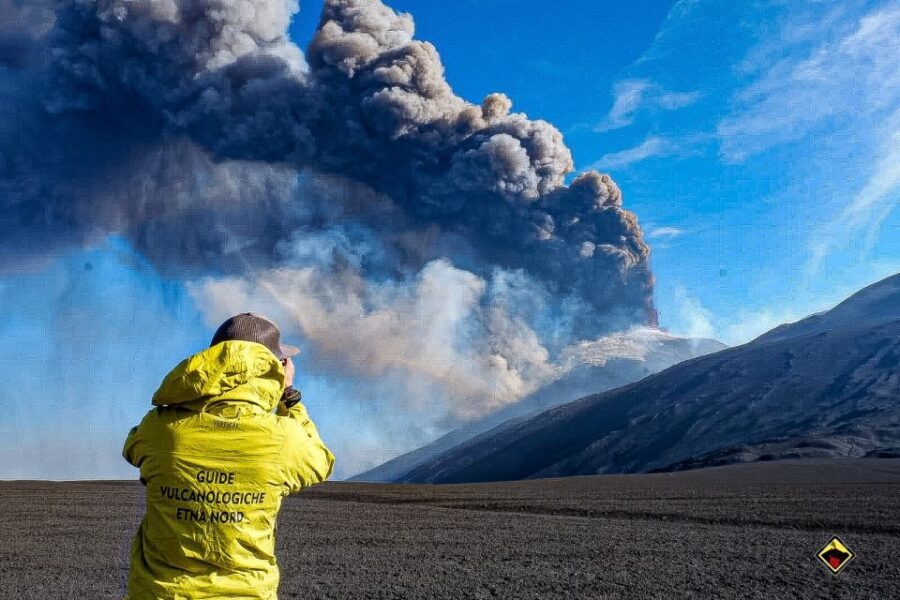
Etna’s summit can close at times due to volcanic risk. The good news is that this tour is set up to function as a valid alternative when Sommital Craters aren’t available to the public.
If summit craters are closed, the guides can route you to the highest safely reachable area under the permitted limits. That means you don’t lose the whole day to a closure. You still get a crater-focused trek that matches the risk-based rules for active volcanic areas.
This is also why having authorized volcanological guides matters. You’re not just hoping conditions improve. You’re walking within the safety boundaries that are set based on real-time guidance.
What’s included, and what you’ll need to bring
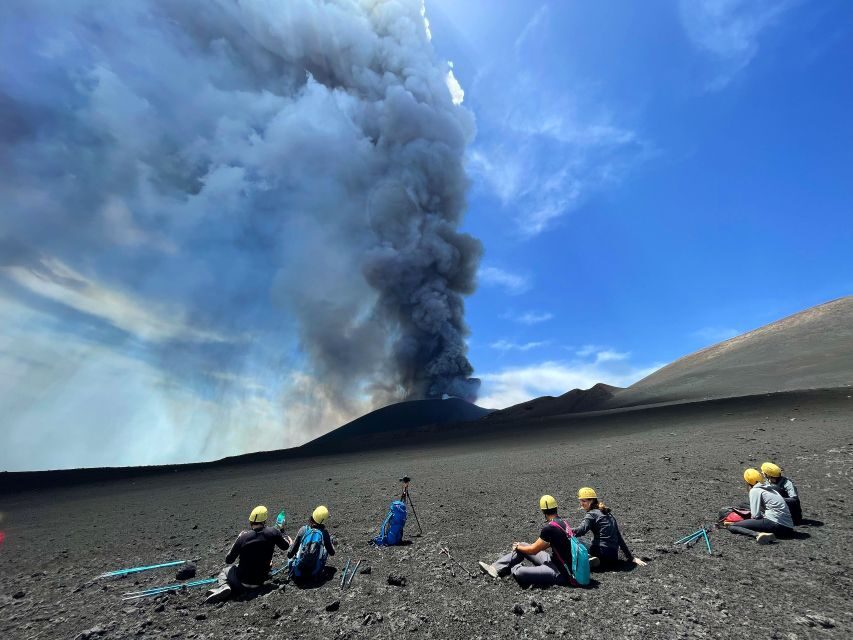
Included gear is genuinely helpful here: trekking poles, protective helmets, warm jackets, extra socks, and a backpack. You also get accident insurance and trekking shoes as part of the package, which reduces the amount of gear you must bring.
Two things to plan around: meals and water are not included. Lunch, bottled water, and snack are on you, and it’s smart to bring them so the day stays steady.
You’ll also want weather protection. The tour list mentions warm layers, and while a rain solution like a K-way is not included, your own windbreaker and jacket are part of the recommended kit. Sunglasses and sunscreen matter at altitude, and long pants are a must.
What to avoid is also clear: no sandals or flip-flops, no open-toed shoes, and no high-heeled footwear. And keep alcoholic drinks out of the vehicle.
Pace, fitness, and health limits that actually matter
This is for moderately trained hikers. You’re at high altitude for extended parts of the day, and the terrain includes crater edges, ash slopes, and steep ground segments during descents.
The “not suitable” list is strict for good reason. It includes people with mobility impairments, back problems, claustrophobia, heart problems, epilepsy, respiratory issues, low fitness, recent surgeries, and anyone with altitude sickness issues. If you’re afraid of heights or have vertigo, plan to skip this.
You should also avoid going if you haven’t had hiking experience. The route is designed for people who can handle uneven volcanic ground and feel comfortable moving with guidance at altitude.
If you have any health concern, tell the guides. The day runs under safety limits, and the operator specifically notes it’s good to know health conditions ahead of time.
Group size and language: how you’ll experience the walking
A neat detail is that groups are distributed based on language and number to help avoid large clusters on the trail. That matters on crater edges, where having too many people in one place can slow things down and reduce comfort.
The guide will work in French, Italian, or English, depending on the group. If language matters for you, confirm the language options when you check availability, since the guide talk is a big part of why the tour feels educational rather than just scenic.
The overall duration is about 4 hours, and you’ll be a mix of vehicle time plus walking at altitude. If you’re short on time in Sicily but want a real Etna experience, that compact format helps.
Price and value: what $62.63 covers, plus the 4×4 fee
The listed price is $62.63 per person, and that sounds reasonable for a specialized, expert-guided volcano experience. But here’s the practical part: the $62.63 covers the guide service, not the 4×4 transport.
On the day, you pay an additional 50 euros per person for the 4×4 vehicles. The notes specify this covers rides from about 1800 m to 2800 m, and then from 2800 m down to about 2500 m during the route plan.
So your real “all-in” cost is more like the guide fee plus that vehicle fee. Still, for what you’re getting—authorized volcano guiding, helmeted access to crater structures, and high-altitude positioning—that extra transportation cost often feels justified. You’re paying to get you into the right volcanic zones without adding a long slog up from the lower slopes.
If you’re comparing options, do the math with both numbers, not just the base price.
Practical tips so your day runs smoothly
If you want an easier time, plan like this:
- Bring a packed lunch and snacks. You’ll want steady energy for the ash-slope walking.
- Wear hiking shoes you trust. The tour notes that without adequate shoes, insurance won’t cover you.
- Don’t skip long pants. Volcanic ground isn’t gentle on legs.
- Add layers for wind. You’ll be at altitude, and conditions can change quickly.
- If you’re sensitive to heights or tight spaces, take your “no” seriously. This route includes both crater edges and cone interiors.
For photos, remember that visibility changes the entire look of Etna. Even on cloudy days, the volcanic textures and crater structure still photograph well, but you’ll get less of the long-distance panorama.
Should you book the Etna Nord crater walk?
Book it if you want the wild north side of Etna, with a volcanology expert guiding you through fractures, craters across multiple eruption eras, and helmeted access inside a cone. The 4×4 + crater-edge walking combo is also great if you want a high-altitude experience without turning the day into an all-day grind.
Skip it if you have any issues with vertigo, claustrophobia, respiratory or heart concerns, or altitude sensitivity. This trek is built for moderately trained hikers who can handle uneven ground and crater-edge conditions.
If you’re in Sicily during a time when summit areas might be restricted, this is the kind of plan that still gives you a serious Etna experience, just with a route designed around the safe altitudes allowed that day.
FAQ
What is the duration of this Etna north trek?
The activity lasts about 4 hours.
Where do we meet for the excursion?
Meet at the Chiosco Bar Mareneve near the chairlift used by skiers in winter, in the parking lot (the second house among the four present).
What languages are the guides?
The live tour guide is available in French, Italian, and English.
What does the price include, and what costs extra on the spot?
The listed price includes the authorized volcanological guide, trekking poles, protective helmets, accident insurance, trekking shoes, warm jackets, extra socks, and a backpack. Transport by 4×4 from about 1800 m to 2800 m, and from 2800 m to about 2500 m, costs 50 euros per person paid on the spot.
Is lunch included?
No. Lunch is not included, and you should bring a packed lunch plus drinks and snacks.
Are helmets provided?
Yes. Protective helmets are included.
What should I bring and wear?
Bring hiking shoes, long pants, sunglasses, sunscreen, a windbreaker, and comfortable clothes. The guidance also suggests snacks and drinks, plus a jacket and packed lunch. Items like sandals or open-toed shoes are not allowed.
What if summit craters are closed due to volcanic risk?
The trek is described as a valid alternative if the summit craters are closed. The guides will aim for the highest safely reachable area allowed by current risk conditions.