REVIEW · HIKING & TREKKING
From Catania: Mount Etna Guided Panoramic Trek
Book on GetYourGuide →Operated by Etna Hiking · Bookable on GetYourGuide
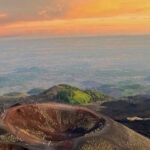
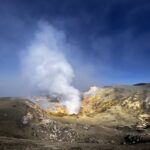
Mount Etna has a way of making you pay attention. This guided trek takes you from the black lava desert up toward summit craters, with a naturalist guide explaining what you’re really standing on. You’ll get panoramic views of the Silvestri Craters and Valle del Bove, plus time to walk volcanic ground that feels strangely alive.
What I like most is the combination of an organized naturalist-led route and hands-on, boots-on-lava walking. You’re not just staring at scenery; you’re learning the geology as you move, then taking a fast, fun run downhill across dark volcanic sand. The guide on my day (Alessandro) was friendly and passionate, and his English was easy to follow even if your Italian is still at hello level.
The main drawback to think about: this is a real hike on steep volcanic terrain. It’s a 6-kilometer loop with a tough 500-meter steep section, and the day isn’t a fit for everyone (altitude, vertigo, heart or respiratory issues, pregnancy, and ages outside the recommended range).
In This Review
- Key highlights you’ll feel right away
- From Catania pickup to lava altitude: how the day actually moves
- Your naturalist guide: why the explanations matter on Etna
- The hike from 1,800m to 2,400m: black lava under your feet
- A lava-cave visit and why conditions can change
- Lunch at 2,400 meters: silence, wind, and a better kind of break
- Running downhill on black lava sand: the moment you’ll remember later
- Views you can’t fake: Silvestri Craters, Valle del Bove, and far-off coast
- What’s included (and what you still need): gear, clothes, and the real packing list
- Price and value: is $62.63 worth your time on Etna?
- Who this Etna trek suits best (and who should skip it)
- Should you book the Mount Etna guided panoramic trek?
- FAQ
- How long is the Mount Etna guided panoramic trek?
- What’s the hiking distance and steepness?
- What should I bring?
- Is hiking gear included?
- Is food included?
- Do you visit a lava cave?
- What languages is the guide?
- Who is this tour not suitable for?
Key highlights you’ll feel right away
- Small group (up to 10), so you can ask questions without shouting on a wind-blown ridge
- Naturalist guide with real geology focus, including how eruptions shape what you see
- Gear included (jacket, hiking shoes, hiking poles), which cuts down your packing stress
- Lava cave stop on the route, with safety rules that can change the plan
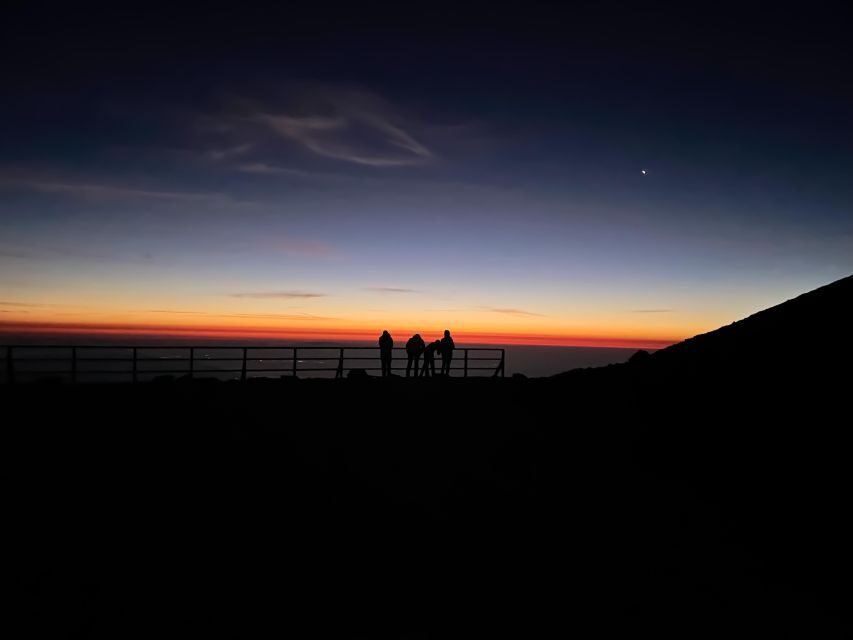
- Big crater and valley views from around 2,000 to 2,400 meters
- Run downhill on black lava sand, a rare chance to turn a hike into a grin
From Catania pickup to lava altitude: how the day actually moves
Your day starts with a pickup from central Catania options. Depending on the meeting point you choose, you’ll head out toward the Etna side of the mountain with your group and guide. Then the fun part begins: you’re climbing high enough that weather, wind, and light can change quickly.
The total outing runs about 7 hours, but the most active portion is the guided hike. You’ll be walking roughly 3.5 hours with a route that climbs from about 1,800 meters up to around 2,400 meters. This matters because the hardest uphill work is concentrated, not spread out forever.
Other Mount Etna tours we've reviewed in Catania
Your naturalist guide: why the explanations matter on Etna
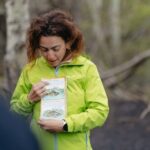
On a volcano, it’s easy to watch your brain switch to wow mode and forget to ask questions. That’s where the naturalist guide earns their place. The guide helps you connect the visible shapes—craters, hollows, lava textures—to the processes that formed them.
My favorite part of this setup is that it’s practical. You’re learning while you’re looking: why lava behaves the way it does, how eruption history leaves patterns on the ground, and how the mountain’s activity shapes the valleys around you. When Alessandro was pointing out features, it felt like getting a map for the landscape in real time, not just reciting facts.
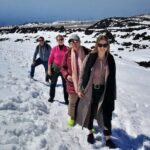
And because it’s a small group, the pace can adjust. If your group moves slower, the guide can adapt without turning the outing into a sprint. That flexibility is a big deal when you’re walking on uneven volcanic material.
The hike from 1,800m to 2,400m: black lava under your feet
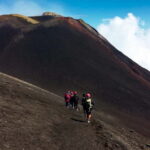
The route is built for crater views and volcanic ground access. You’ll walk over black lava rocks and along a steep loop that totals 6 kilometers, with a 500-meter steep section. In other words: it’s not a flat nature walk, and the trail surface is loose in spots where you’ll want careful footing.
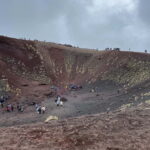
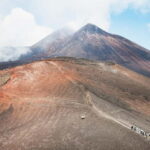
As you climb, you’ll get close to dramatic volcanic forms—large, cauldron-like hollows and crater terrain that feels both ancient and current. The altitude also changes what you notice. At higher points, the air can be cooler and the wind can cut through, which can make the climb feel sharper but the views clearer.
A smart tip: treat your first hour as your warm-up. Once you settle into a steady rhythm, the terrain becomes easier to read—how the lava breaks, where the sand gives way, and how to place your steps. Your poles help here; they’re included for a reason.
A lava-cave visit and why conditions can change
Part of the experience includes exploring a small lava cave and walking among black volcanic rocks and crater terrain. This is one of those stops that can turn the hike from pretty scenery into a “wait, this is real” moment—because you’re not just outside looking in, you’re moving through volcanic shapes.
But here’s the important reality check: if there are strong tremors or eruptions, visiting the lava cave won’t be possible. Even after the immediate danger passes, the cave may stay off-limits depending on conditions. That’s the safety-first tradeoff for doing something this close to active geology.
If the cave visit doesn’t happen on your day, you’ll still get the guided hike, the crater views, and the volcanic ground walking. Just don’t plan your whole emotional narrative around one specific room in a cave.
Lunch at 2,400 meters: silence, wind, and a better kind of break
At around 2,400 meters, you’ll stop for lunch. This is a high-altitude break, so it’s not just about eating—it’s about absorbing the scale of what’s around you. When you’re up there, the mountain stops feeling like a destination and starts feeling like a place.
The tour info notes that sandwiches are available for sale before the hike, and it’s also your responsibility to bring food and drinks. That gives you flexibility: you can buy something before you start, or pack what you know you’ll actually want to eat.
One more practical point: it can get windy at altitude. Even in good weather, take a moment to shield your lunch and keep an eye on your hat or sunglasses before the group moves on.
Other guided tours in Catania

Running downhill on black lava sand: the moment you’ll remember later
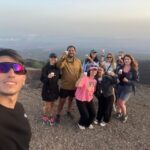
Etna isn’t only a “slow and steady” mountain. After you’ve done the climbing, you get a downhill segment on black lava sand. It’s described as a chance to run downhill—meaning you’re going from tough uphill effort to playful speed while still on volcanic terrain.
This is where the tour feels different from a standard guided walk. The downhill part is fun, but it also takes control: your shoes have to grip, and your brain has to stay focused. If you’re tired in the legs, the downhill can feel more intense than you expected, so pace yourself earlier.
Think of it like this: you’re earning the grin. The best way to enjoy the downhill is to start the hike with enough energy left to move smoothly.
Views you can’t fake: Silvestri Craters, Valle del Bove, and far-off coast
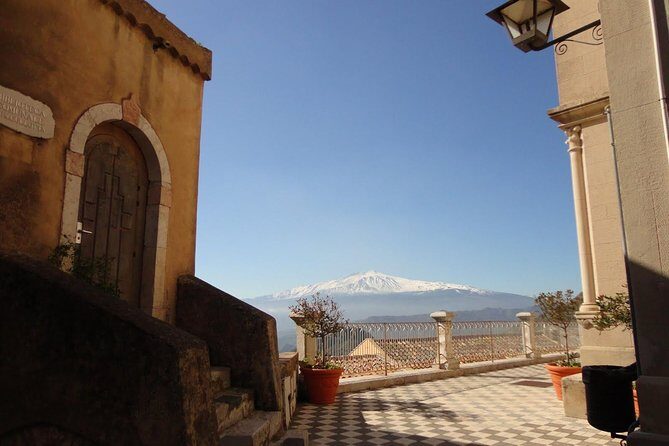
The scenery is a major reason people do this hike. On clear days, you’ll see colorful Silvestri Craters and look out toward Valle del Bove, a massive volcanic valley. You may also take in views toward Calabria and the Ionian Coast, depending on visibility and conditions.
What makes these views special is how they tie back to the geology you hear about during the walk. When your guide explains how eruptions carve and reshape the mountain, the landscape becomes more than a photo background. It becomes a story you can walk through.
In plain terms: you’ll understand the mountain better after your feet have moved across it. That’s a huge part of the value here.
What’s included (and what you still need): gear, clothes, and the real packing list
This tour includes several things that make the day easier, especially if you’re traveling light:
- pickup and drop-off
- guided hiking tour
- jacket, hiking shoes, and hiking poles
That last part matters. On Etna, footwear is everything. Having the right shoes and poles reduces the risk of slipping and makes the hike more comfortable on steep volcanic ground.
What you should bring:
- sunglasses, sun hat, sunscreen
- comfortable clothes and a daypack
- comfortable shoes (if you prefer your own, though the tour provides shoes)
- food and drinks
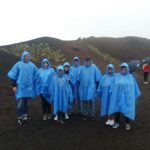
Also note what’s not allowed: sandals or flip-flops, baby strollers, luggage or large bags. The hike route and the volcanic surfaces don’t leave much room for bulky items, so travel smart.
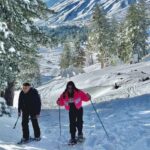
Seasonal reality: in winter, the itinerary may vary due to snowfall. That can change walking conditions, so if you’re visiting during colder months, expect some flexibility in the exact path.
Price and value: is $62.63 worth your time on Etna?
At about $62.63 per person, you’re paying for more than a hike. You’re paying for a guided naturalist experience, transportation pickup/drop-off, and the key gear (jacket, shoes, poles). Those inclusions can cut the hassle and cost of renting or scrambling for equipment, especially if you’re already tired from moving around Catania.
You’re also paying for access to a route that gets you onto volcanic ground with crater views, plus a chance to enter a lava cave when conditions allow. The “value” is in what you do with your time: learning while walking, then getting both intense views and a playful downhill segment.
So when does the price feel most worth it? If you want a structured day that balances safety, geology education, and real physical effort, it’s a strong deal for the length and included extras. If you want a gentle sightseeing loop with minimal exertion, you might feel the cost is high for what you get physically.
Who this Etna trek suits best (and who should skip it)
This hike needs a basic level of physical fitness. The route includes steep terrain, and you’ll be at high altitude, walking on volcanic material. You should also be comfortable with the fact that your body will work for the views.
It’s not suitable for:
- children under 10
- pregnant women
- people with heart problems
- people with vertigo
- people with respiratory issues
- people with altitude sickness
- people over 70
That list is important. Even if you’re used to hiking, altitude and steep volcanic ground can change how safe the experience is for you. If any of those categories apply, you’re better off choosing a different Mount Etna option.
If you do fit the physical profile, this is ideal for:
- people who want a guided geology angle, not just scenery
- visitors who like small groups and direct interaction
- travelers who want a high-impact day from Catania without planning every detail
Should you book the Mount Etna guided panoramic trek?
I’d book it if you want a day on Etna that feels active, not passive—and if you like learning while you walk. The included gear makes the day simpler, and the small group size helps the guide keep things understandable and on pace. Alessandro’s style—friendly, passionate, and easy to follow in English—fits the kind of tour where you come away with more than just pictures.
I’d hesitate if you’re worried about steep terrain, high altitude, or getting tired on uneven ground. And if you’re specifically chasing the lava cave, remember it can be canceled in the case of strong tremors or eruptions.
If your goal is crater views, volcanic textures, and a guide who helps you read the mountain as you go, this is a very solid use of a Catania day.
FAQ
How long is the Mount Etna guided panoramic trek?
The full experience lasts about 7 hours. The guided hiking portion is around 3.5 hours, climbing from roughly 1,800 meters up to around 2,400 meters.
What’s the hiking distance and steepness?
The walk on volcanic material is about 6 kilometers total, including a loop section with a steep climb of about 500 meters.
What should I bring?
Bring sunglasses, a sun hat, sunscreen, comfortable clothes, a daypack, and food and drinks. Comfortable clothes and a basic daypack are important because this is a full high-altitude outing.
Is hiking gear included?
Yes. You’ll get a jacket, hiking shoes, and hiking poles included with the tour.
Is food included?
Food and drinks are not included. Sandwiches may be available for sale before the hike, and you should plan to bring your own food and drinks as well.
Do you visit a lava cave?
A small lava cave is part of the experience, but it may not be possible to visit if there are strong tremors and eruptions.
What languages is the guide?
The live guide speaks English and Italian.
Who is this tour not suitable for?
It’s not suitable for children under 10, pregnant women, people with heart problems, vertigo, respiratory issues, altitude sickness, or people over 70.