REVIEW · ETNA SUMMIT TREKS
Mount Etna: Ascent to 2800m by 4×4
Book on GetYourGuide →Operated by ALTERNATIVETNA · Bookable on GetYourGuide
Etna feels closer up here. You ride a 4×4 up the unpaved slopes from Piano Provenzana to Pizzi Deneri, then look out from over 2800m with a certified volcanologist explaining what you’re seeing. I love how the trip mixes vehicle access with short, doable walks close to real volcanic features, and I love the sea views that suddenly make the whole mountain feel understandable. One catch: it can get cold and windy at altitude, and the crater-rim viewpoints mean you’ll need to pay attention to safety guidance.
This is a compact outing (about 2.5 hours) that focuses on the big, awe-inducing stops without dragging you across the island. If you’re in Sicily and want Etna at eye level, this is a strong fit, and it’s offered by Alternativetna with meeting at their office at Alternativetna.
In This Review
- Key things I’d watch for on this Etna 4×4 trip
- Getting to 2810m: the 4×4 ride from Piano Provenzana to Pizzi Deneri
- Views that make Etna click: coastline panoramas and Valle del Bove
- The short push toward 2865m and why the altitude matters
- From 2200m back down: reaching the 2002 eruption crater edge
- A volcanologist guide who can answer what you’re actually seeing
- Price and value: what $100 buys on an Etna summit day
- What to wear: cold, wind, and crater-rim closeness
- Who should book this Etna trip (and who should skip it)
- Should you book Mount Etna by 4×4 to 2800m?
- FAQ
- How long is the Mount Etna 4×4 ascent tour?
- Where do I meet for the tour?
- What’s the highest point you reach on this experience?
- What does the tour include?
- Which languages are available for the live guide?
- Is the tour wheelchair accessible?
- What should I bring?
- Is the tour refundable if my plans change?
Key things I’d watch for on this Etna 4×4 trip
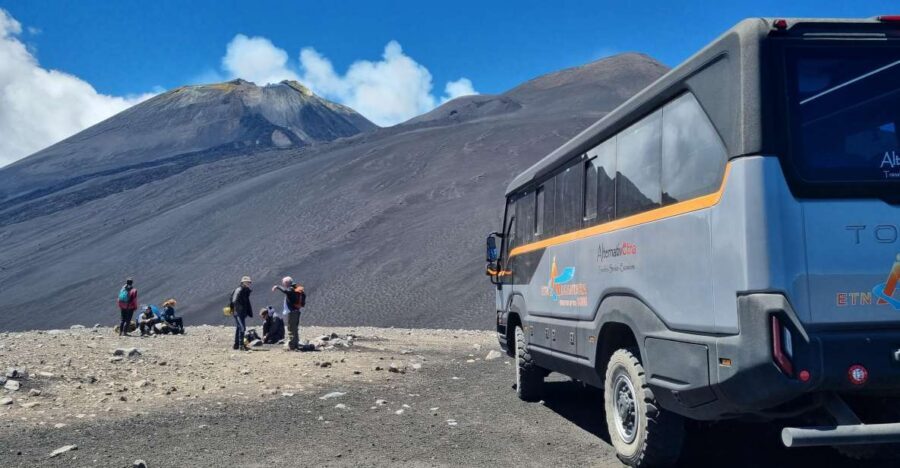
- You gain altitude fast: the vehicle takes you to Pizzi Deneri around 2810m, so your time at higher elevation is efficient
- You’re learning as you look: a licensed volcanologist guide helps connect terrain to volcanic activity
- Short hikes, big payoff: you’ll walk for brief stretches up to roughly 2865m when conditions allow
- Valle del Bove shows the scale: the northeast crater area gives you a clear view down into the valley system
- The 2002 eruption edge is the finale: after descending, you’ll reach the rim area from that eruption with a short trek
- Safety matters at the rim: the viewpoints can feel close, so follow instructions and keep your distance
Getting to 2810m: the 4×4 ride from Piano Provenzana to Pizzi Deneri
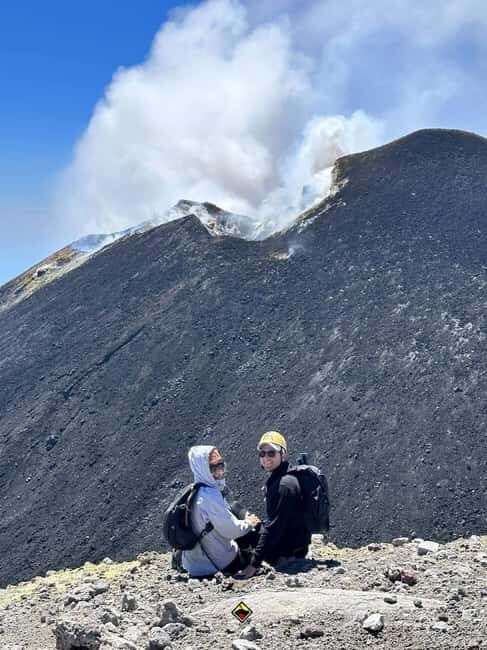
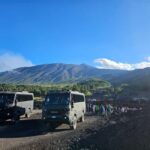
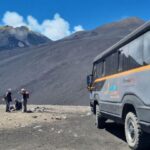
The experience starts on the north side of Etna in Piano Provenzana. From there, you’re loaded into a comfortable 4×4 bus and driven up an unpaved road toward the astrophysical observatory area at Pizzi Deneri.
This part matters more than it sounds. Etna’s higher zones can feel far away when you’re driving normal roads, and the 4×4 access is what turns a long, exhausting day into a focused 2.5-hour outing. You’ll spend time looking out at active-looking terrain instead of burning hours just getting there.
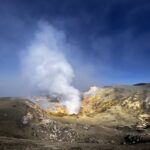
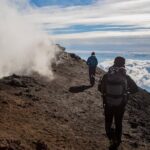
On a clear day, you’ll see how Etna changes as altitude rises: old craters, rough lava surfaces, and that moon-like sense that you’re no longer in the same world as sea level. If the weather is bad, you’ll still get the value, but you should expect it to feel colder and possibly slick near the higher points.
Other Mount Etna tours we've reviewed in Catania
Views that make Etna click: coastline panoramas and Valle del Bove
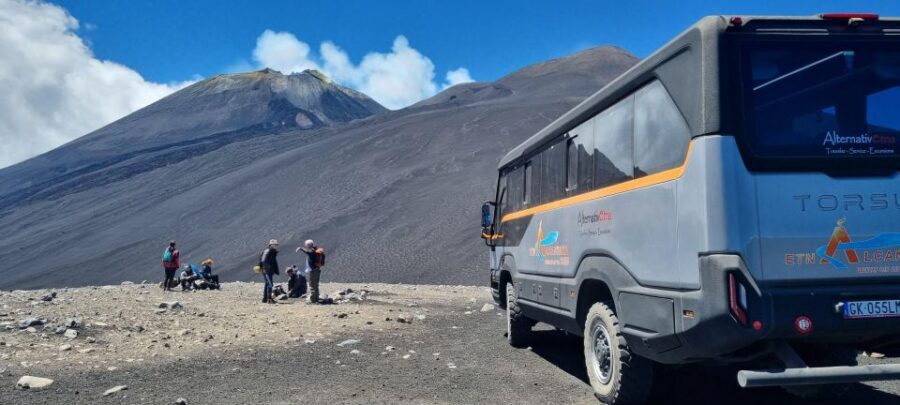
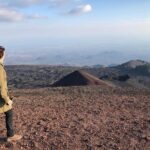
Once you arrive at the upper stop near Pizzi Deneri (about 2810m), the first wow moment tends to be the mix of terrain and distance. From here, you get sweeping vistas that can reach the coastline, which helps you understand Etna as a mountain surrounded by sea, not an isolated volcano in a vacuum.
Then comes the teaching moment. At around 2805m, you shift from pure viewing to a short trek toward a higher viewpoint (with the top walking altitude depending on volcanic activity). This is where the terrain helps the guide explain how the mountain’s structure and past eruptions shape what you see today.
A standout view is the Valle del Bove, visible underneath the northeast crater from the viewpoint area. Seeing that valley system while standing near the upper slopes turns a name from a textbook into a real, visible scale model of Etna’s power.
The short push toward 2865m and why the altitude matters
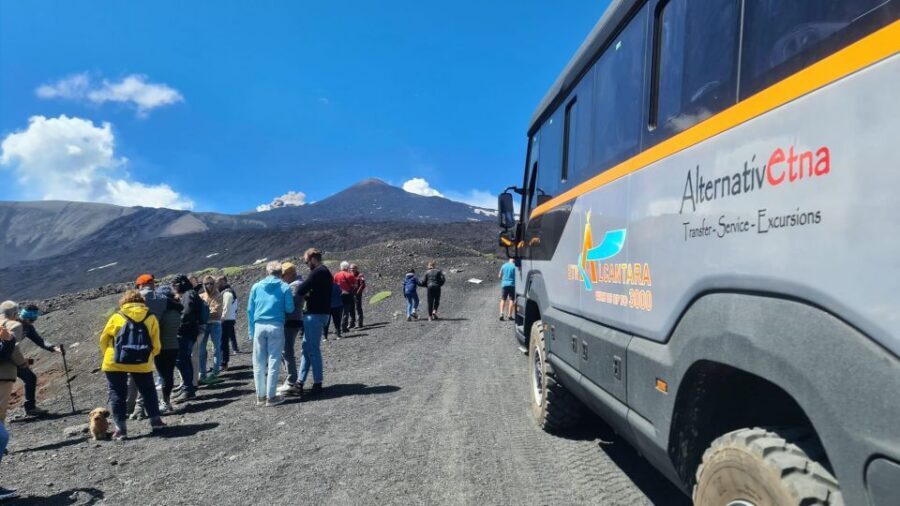
At about 2805m, you step off for a trek that climbs to roughly 2865m, depending on conditions. The walk is described as short, but altitude makes everything feel more intense, especially if you arrive from sea-level weather.
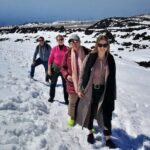
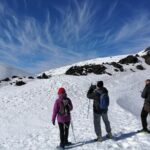
This is also where the weather can surprise you. I’d take seriously the warning that temperatures can drop fast at the top, and that snow can happen even in periods when you’d expect summer conditions in Sicily. Bring the right clothing plan so the views don’t come with misery.
What you’re really buying with this step up is perspective. You get a better angle on the crater areas, clearer sightlines over the Sicilian coast when visibility is good, and a stronger feeling of height compared to simply looking from a single roadside stop.
If the volcano is active or conditions change, the exact highest point may vary. That’s part of the deal with Etna, and it’s also why this tour keeps the walking time relatively brief: it’s built to stay flexible.
From 2200m back down: reaching the 2002 eruption crater edge
After the upper viewing and short hike, you return by 4×4 down to around 2200m. The day doesn’t feel rushed because the descent resets you for the next highlight without turning the outing into a long slog.
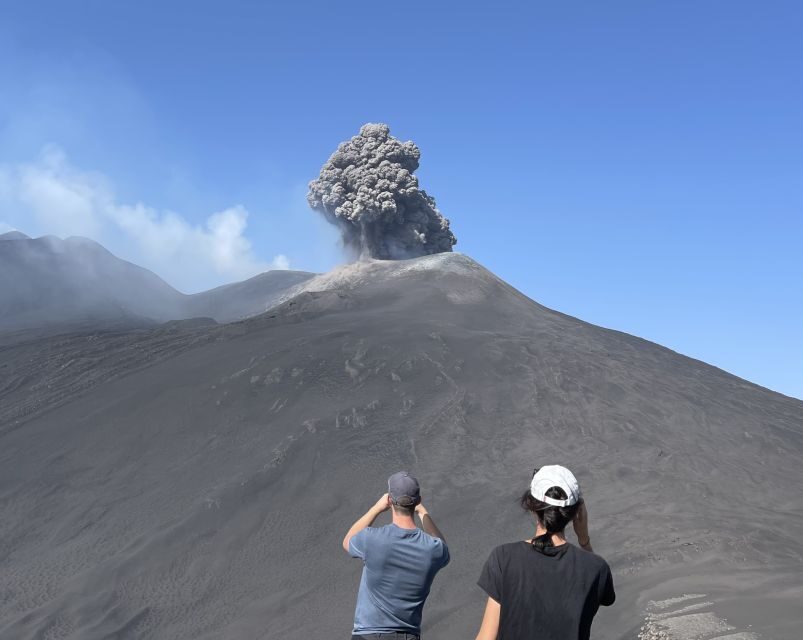
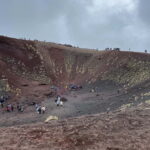
From about 2200m, you take another short trek, roughly around 20 minutes, to reach the edge of a crater left from the eruption back in 2002. This is the moment that makes the volcano feel current, not just historical. Instead of talking in general terms, you’re looking at a specific aftermath.
One practical note: crater rims can feel dramatic and close, and safety rules matter here. Keep your footing steady, stay behind the guidance line, and don’t treat the rim as a place for risky photos. The edge is part of the attraction, but it’s also where the consequences of bad moves are highest.
When conditions are cloudy, the crater viewpoints can feel even more surreal. If visibility is good, you’ll get stronger contrast between the rough black lava textures and the surrounding air and sky.
A volcanologist guide who can answer what you’re actually seeing
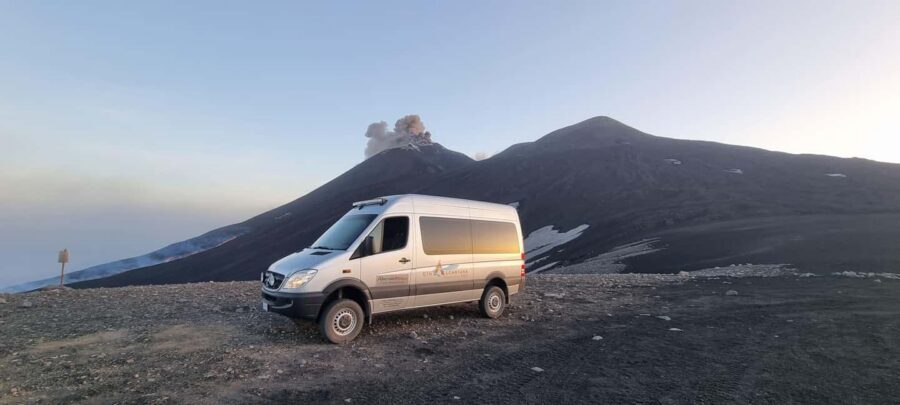
The real value in this tour is the guide. You’re not just riding around on a vehicle with a headset script. You get a licensed volcanological guide who explains what you see as you see it.
Some guides you might encounter include Giuseppe and Flavio (names that show up in past experiences), and the common theme is clear communication. If you care about understanding the why behind the scenery, you’ll likely enjoy the way questions get handled in plain language, with patience for follow-ups.
You’ll also hear explanations about Europe’s most active volcano while you’re looking directly at crater zones and old lava fields. That timing is key. Learning after the fact is fine, but learning at the viewpoint makes the information stick.
If you’re the kind of person who likes to ask things like how eruptions change terrain or what specific crater features mean, this tour structure supports that. The stops are designed to give you multiple angles on the mountain, so your questions aren’t stuck waiting until the drive ends.
Other Etna summit treks we've reviewed in Catania
Price and value: what $100 buys on an Etna summit day
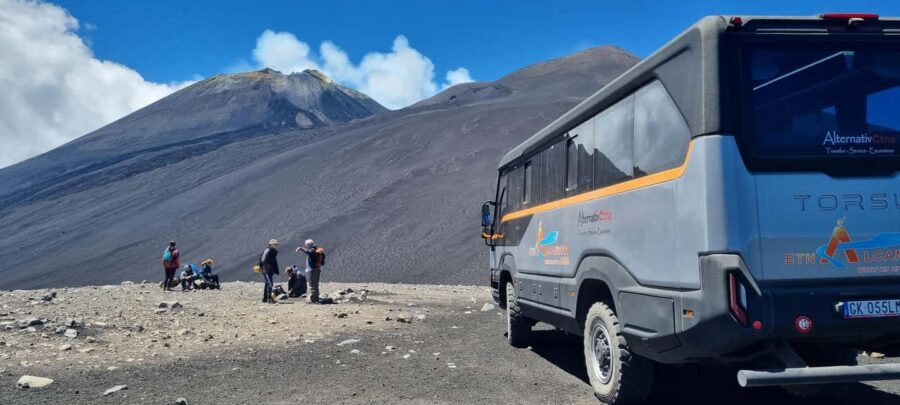
At $100 per person for about 2.5 hours, you’re paying for two things that are hard to replicate on your own: vehicle access to near 2800m and guided interpretation from a volcanologist.
If you’ve tried to plan Etna independently, you already know the big challenge is getting close to the upper zones without turning the day into a logistics headache. Here, the 4×4 transport is the core value, and it reduces the amount of time you spend simply traveling.
The short hikes also help with value. You’re not signing up for a half-day of heavy endurance walking, but you still get out at key points for viewing and learning. That’s ideal if you want Etna’s highlights without committing to a longer, more physically demanding route.
Is it worth it for everyone? If you already have your own plan to reach crater zones and you don’t care about a scientific guide, the guided portion may feel less necessary. But if you want someone to translate the terrain into understandable volcano processes, the price starts to look fair.
What to wear: cold, wind, and crater-rim closeness
Bring a daypack, hiking shoes, and hiking pants. Even when the forecast sounds mild at street level, the higher altitude can change the comfort fast. Sunglasses help too, since brightness at elevation can be intense.
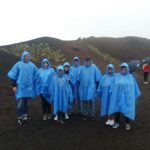
I’d plan for cold. Some experiences include snow starting while people were up near the higher stops, which means you can’t rely on “it’s Sicily” as your clothing strategy. Dress in layers so you can add or remove warmth as you move from vehicle to treks to viewpoints.
Also, keep your expectations about comfort in the crater areas realistic. You’ll be near rims, so you should stay alert, slow down on uneven ground, and keep the group moving calmly. This is not the kind of place where rushing pays off, and it’s the kind of place where extra caution matters if you’re with kids.
Who should book this Etna trip (and who should skip it)
This works best if you want a concentrated Etna experience: altitude access, short hikes, and a guide explaining active-volcano features without turning the day into a full expedition.
It’s also a good option for people who want to limit time on their feet. The itinerary is structured around brief walking segments, and the vehicle handles the long climb up and down, which can feel like a smarter way to experience the mountain.
That said, it’s not for everyone. The tour is listed as not suitable for pregnant women, people with back problems, people with heart problems, people with high blood pressure, and babies under 1 year. It also lists people over 95 years as not suitable. Even though the experience is described as wheelchair accessible, the combination of altitude, short treks, and rim proximity still means you should judge your personal limits carefully.
If you’re uncomfortable with cold conditions or you don’t like being near edges, this might be stressful. But if you can follow safety guidance and you’re comfortable with short hikes on rough terrain, it’s an exciting way to see Etna up close.
Should you book Mount Etna by 4×4 to 2800m?
Book it if you want Etna’s highlights in a compact format: 4×4 access near 2810m, a short climb toward around 2865m when conditions allow, sea-level scale views, and a stop at the crater edge connected to the 2002 eruption. You also get real value from a volcanologist guide who can explain what you’re seeing while you’re standing in front of it.
Skip it if you’re looking for a long, independent hike, or if you know crater-rim environments and higher-altitude conditions won’t work for you. Also, if you have any of the listed medical limitations, it’s better to choose a different kind of Etna visit designed around your needs.
If you’re ready for cold layers, solid shoes, and a smart route to the most dramatic parts of Etna, this is one of those Sicily experiences that turns a famous volcano into something you can actually picture.
FAQ
How long is the Mount Etna 4×4 ascent tour?
The duration is 2.5 hours.
Where do I meet for the tour?
You meet at the Alternativetna office.
What’s the highest point you reach on this experience?
The 4×4 takes you to around 2810m at Pizzi Deneri, and then you hike to about 2865m (depending on volcanic activity and conditions).
What does the tour include?
It includes a licensed volcanological guide and round-trip transportation by 4×4 bus.
Which languages are available for the live guide?
The tour offers a live guide in English and Italian.
Is the tour wheelchair accessible?
Yes, it is listed as wheelchair accessible.
What should I bring?
Bring sunglasses, hiking shoes, a daypack, and hiking pants.
Is the tour refundable if my plans change?
You can cancel up to 24 hours in advance for a full refund.
![|FROM CATANIA|Tour of Siracusa, Ortigia, Noto [PRIVATE TOUR] - Neapolis Archaeological Park: 90 minutes that hit the highlights](https://cd.cataniatravel.com/wp-content/uploads/from-cataniatour-of-siracusa-ortigia-noto-private-tour.jpg)