REVIEW · CATANIA STREET FOOD TOURS
Catania: Underground and Street Food Walking Tour
Book on GetYourGuide →Operated by Etna 'Ngeniousa · Bookable on GetYourGuide
Catania has a second city under your feet. This tour strings together underground passageways, Roman remnants, and the underground river Amenano, then swaps darkness for a loud open-air market meal. I especially like the mix of real archaeology moments (including an ancient funeral chapel) and hands-on local food time at Piazza Carlo Alberto.
One thing to think about first: this isn’t for everyone. The tour involves steps (some uneven) and it’s not suitable for claustrophobia or mobility limits, plus it can be heavy going in crowds and underground spaces.
In This Review
- Key things worth knowing before you go
- Starting at the Roman amphitheater, then walking straight into the past
- The underground city of Catania: passageways, war scars, and hidden places
- Etna’s power in a prehistoric cave (and why it matters)
- An ancient Roman funeral chapel: small space, big context
- Piazza Carlo Alberto market time: street food in the loud, real setting
- Dessert and second bites back at Piazza Carlo Alberto
- Via S. Gaetano alla Grotta kiosk drink: mandarino e limone
- Amenano to the thermal baths: the underground river’s payoff
- Finishing in Piazza del Duomo with black lava stone symbolism
- Timing, pace, and who this tour fits best
- Not the right fit if…
- Is it good value? Access, food, and expert interpretation
- Rain or shine, and when sites change
- Should you book this Catania underground and street food tour?
- FAQ
- Where is the meeting point for the tour?
- How long is the Catania underground and street food walking tour?
- What happens at the start of the tour?
- Which underground sites does the tour include?
- Does the tour include street food?
- What drink is included at the kiosk?
- Is there an underground river connection on the itinerary?
- What is the end point of the tour?
- Is the tour suitable for wheelchair users or people with mobility impairments?
- Does the tour operate in bad weather?
Key things worth knowing before you go
- Small group size (max 10) keeps the guide’s attention on you, not just the loudest person in line.
- Expert guides with archaeology background come through clearly in the way sites get explained.
- Amenano underground river to the thermal baths gives the underground part a strong, easy-to-follow storyline.
- Piazza Carlo Alberto market stop is where you get the traditional street food in the middle of the action.
- Prehistoric cave tied to Etna eruptions connects volcanic power to daily life in Catania.
- Mandarino e limone at a kiosk is a simple, very local finish that feels like part of the ritual.
Starting at the Roman amphitheater, then walking straight into the past
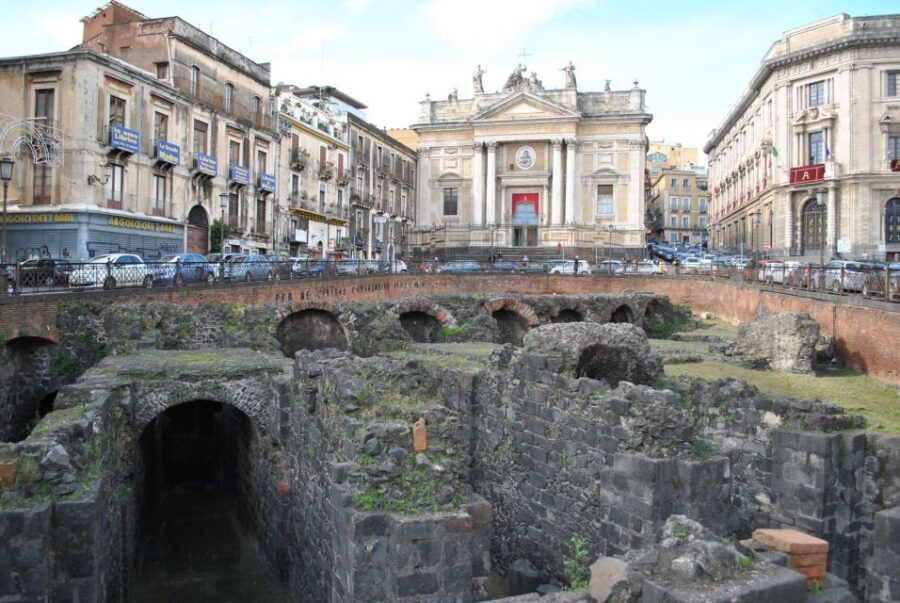
Most tours start with a scenic vibe. This one starts with something sharper: you meet at Piazza Stesicoro, then you’re directed to the Roman Amphitheater of Catania. The meeting point is the entrance with two columns, where your guide waits with a nameplate.
Right away, you’re in the right mindset. The amphitheater is the kind of landmark that helps you understand why Catania’s current streets feel built on layers. From there, the walk isn’t long on paper, but it’s long on context: you move from major ruins to the tighter world of underground spaces where the city’s earlier lives were literally covered over.
What I like for you: having the Roman anchor first makes the underground stops easier to connect to what you see above ground. Even if you’re not a “history person,” the structure helps you follow the story.
Other Catania walking tours we've reviewed in Catania



The underground city of Catania: passageways, war scars, and hidden places
The core of the experience happens underground, and it’s not just one room. You get a guided visit (about 30 minutes) through Catania’s underworld—areas tied to secret churches and mysterious passageways. Expect ruins you wouldn’t casually stumble onto: bombed church remains and older religious spaces hidden under the modern street level.
This is where the guide quality matters. Multiple guides mentioned in the available feedback (including names like Oreste and Matilde) are praised for explaining what you’re looking at in plain terms. That matters because underground sites can feel confusing without a map in your head. When the guide frames what you’re seeing—where it fits, why it exists—you’ll feel the tour “click” faster.
Practical tip: wear shoes you can trust. You’ll be walking on city surfaces and then moving through underground areas where the ground may not be smooth or uniform.
Possible drawback: this part is the hardest mentally if you’re sensitive to enclosed spaces. The tour is explicitly not suitable for people with claustrophobia, and it includes a few steps that can be irregular.
Etna’s power in a prehistoric cave (and why it matters)
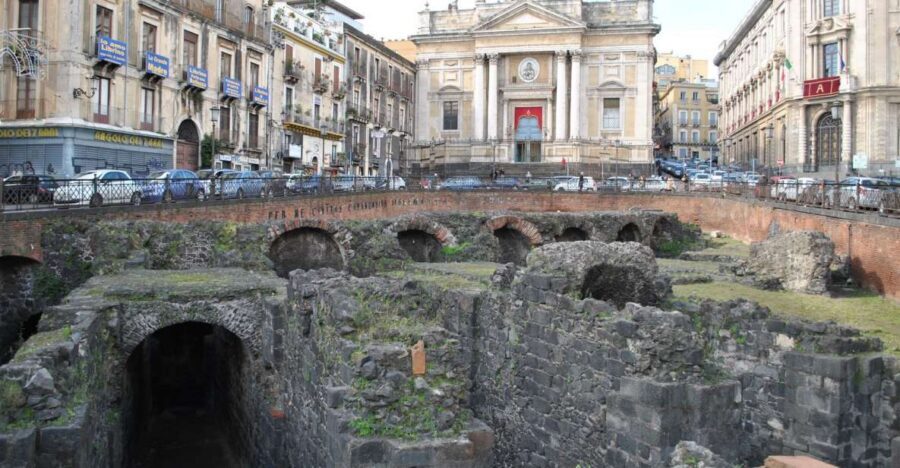
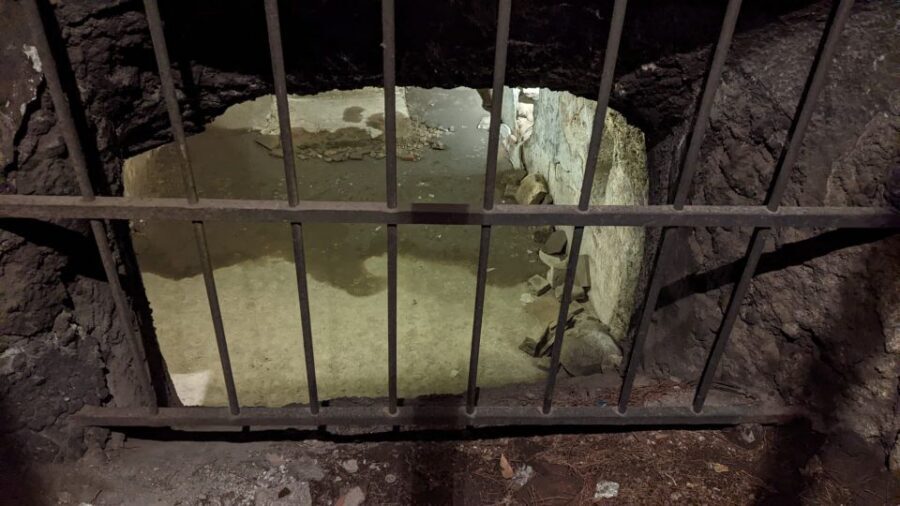
One of the stand-out themes is volcanic reality. You’ll get a look at the power of Etna and its eruptions in a prehistoric cave setting. That doesn’t just sound cool—it helps explain Catania’s identity. The city isn’t only near Etna. It’s shaped by it, physically and historically, including the way underground spaces were formed and repurposed.
In plain terms: you’re watching the underworld connect to the atmosphere above. It’s not fantasy. It’s geology and human reuse meeting in the same place.
Why this stop is valuable for you: it turns “Etna” from a distant volcano into something you can point at in the city. If you’re short on time, this kind of explanation gives you a stronger sense of place than a list of monuments.
An ancient Roman funeral chapel: small space, big context
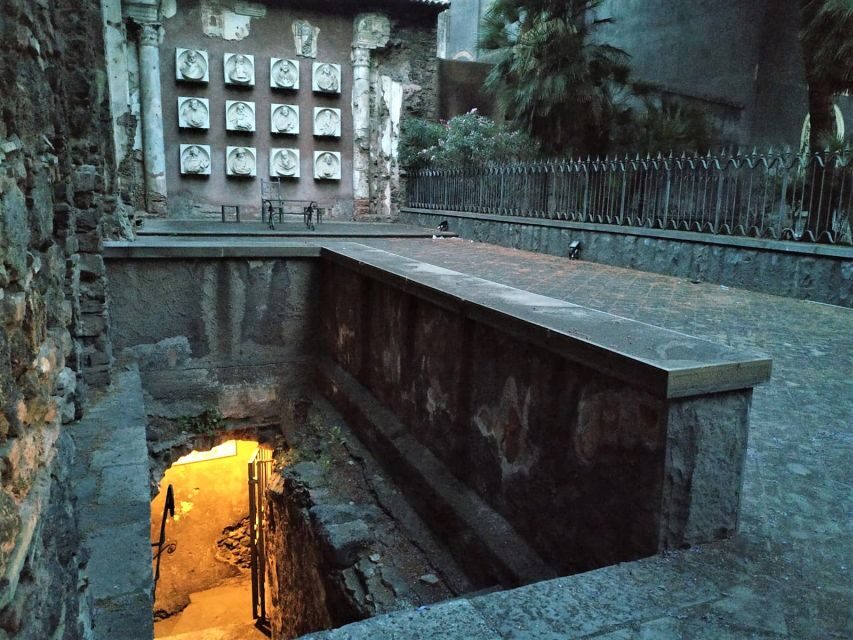
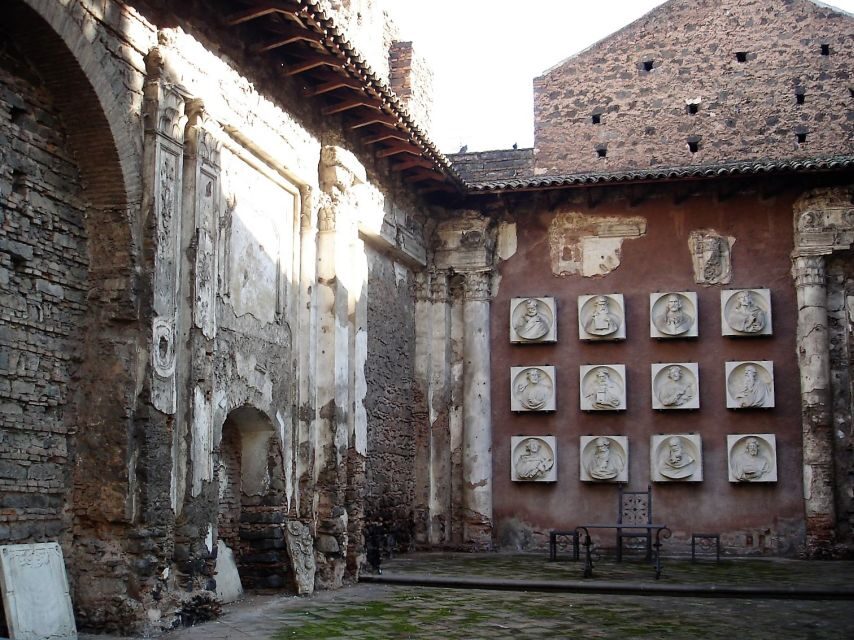
Catania’s layers aren’t only about emperors and amphitheaters. The tour also includes an ancient Roman funeral chapel, which is the kind of site that changes how you think about the city’s past. Funerary spaces tend to feel intimate in scale, but they tell major stories about belief, ritual, and who controlled space in earlier centuries.
This is also the kind of stop where a great guide can make or break the experience. The praise for guides repeatedly points to archaeology-style interpretation and clear explanations. That’s what you want here—someone who can translate stonework and layout into meaning.
What to expect: time here is guided and focused, not a free wander. You’ll be looking at a specific site with context, not just taking photos and moving on.
Piazza Carlo Alberto market time: street food in the loud, real setting
Then you surface, and it’s a different world. You’ll spend around 30 minutes in Piazza Carlo Alberto, with a market visit and a street food stop. The market experience is described as crowded and noisy, which is exactly what makes it feel authentic. This isn’t a quiet tasting room. It’s the daily scene where locals actually eat.
You’ll get local snacks and street food as part of the experience, built for maximum taste and minimum guesswork. There’s also a short break built into this section so you’re not rushing from underground darkness into another hard stretch without a breather.
My practical advice: come ready to eat. This portion is designed to make you hungry, then feed you. If you’re the type who likes to plan every calorie and then avoid the messy parts of food culture, this isn’t that tour.
Other Catania street food tours we've reviewed in Catania





Dessert and second bites back at Piazza Carlo Alberto
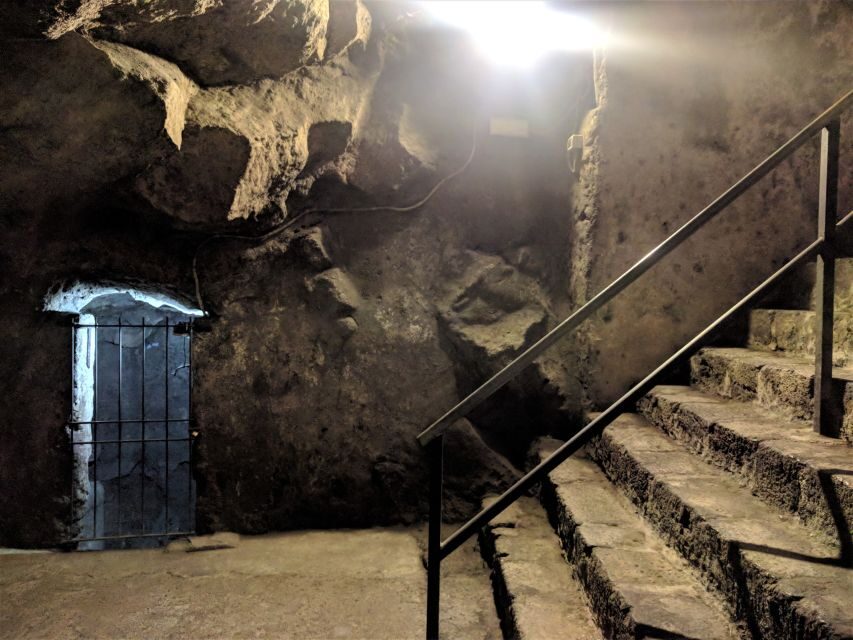
Food tours sometimes rush the taste. This one gives you a second chance to enjoy the market. There’s an additional stop at Piazza Carlo Alberto for dessert and more street food/local snacks for a shorter stretch.
That structure is smart. First you learn what’s happening at the market level. Then you circle back with smaller bites—often the part where you find what you liked most the first time.
You’ll get more value if you pace yourself: try a little of what the guide recommends early, then let the later bites be your follow-up.
Via S. Gaetano alla Grotta kiosk drink: mandarino e limone
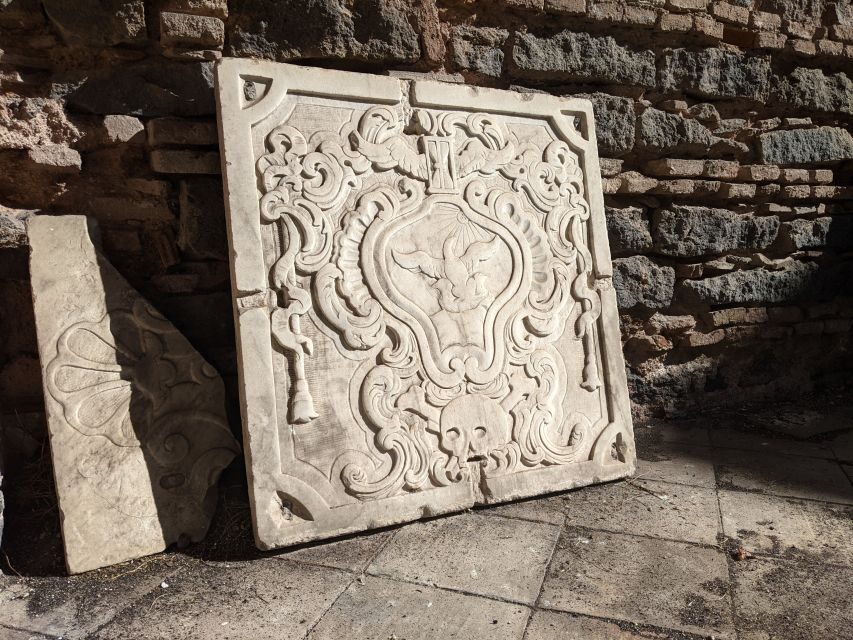
Next comes a very Catania-style moment: a kiosk stop at Via S. Gaetano alla Grotta, 5 for a drink called mandarino e limone. The point isn’t fancy presentation. It’s the flavor profile and the local ritual.
This drink also works as a “bookmark” in the tour flow. After underground and market intensity, a simple beverage helps you reset without turning the afternoon into a long detour.
Why it’s worth paying attention: you’re being guided through the city’s food culture the way locals experience it, not the way a brochure imagines it.
Amenano to the thermal baths: the underground river’s payoff
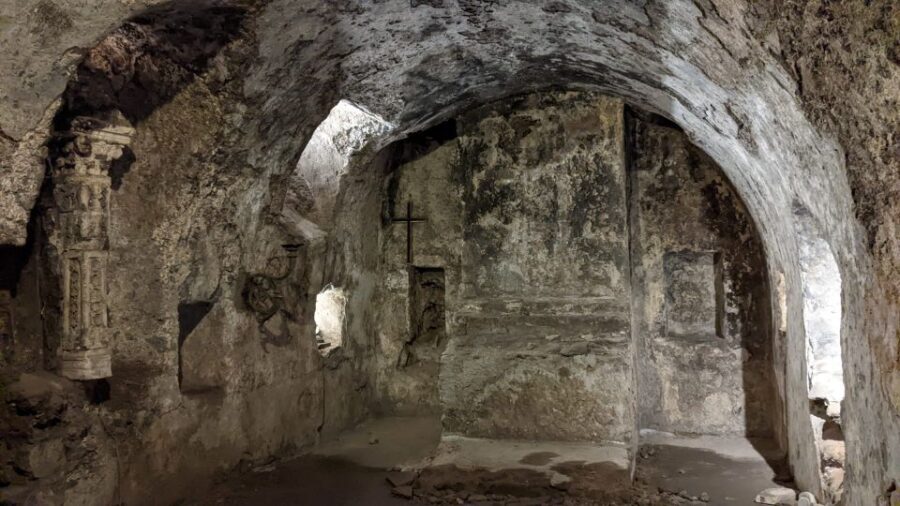
One of the tour’s best narrative threads is the underground river Amenano, which you follow to the thermal baths. You’ll move on foot for about 15 minutes after the kiosk stop, then you reach the baths for a guided visit (around 30 minutes).
This is an important shift: you go from “look at underground stuff” to “watch how underground water shapes life.” The Amenano river connection makes the underground feel purposeful instead of random.
What to expect in your senses: thermal bath spaces can feel different from other underground stops—more built-up, more designed for public use (at least as a visitor). Keep in mind the tour includes walking and steps, so don’t plan a marathon right after.
Finishing in Piazza del Duomo with black lava stone symbolism
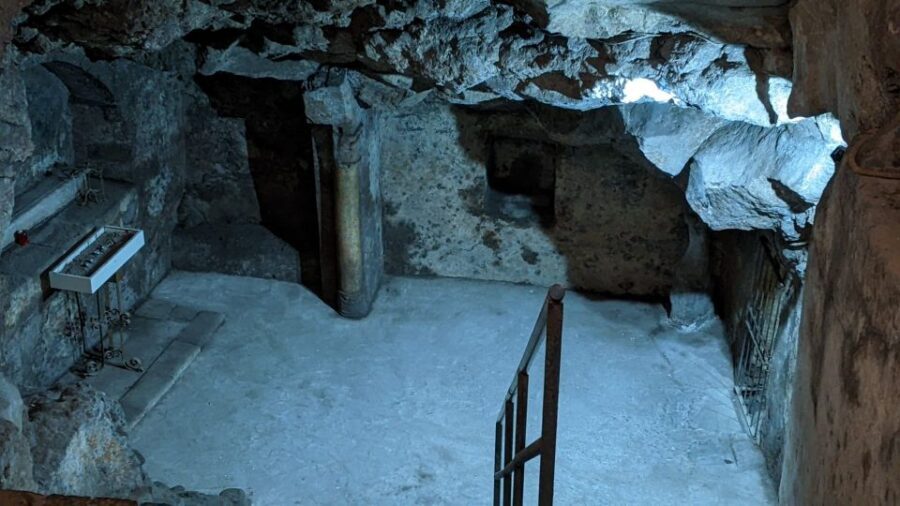
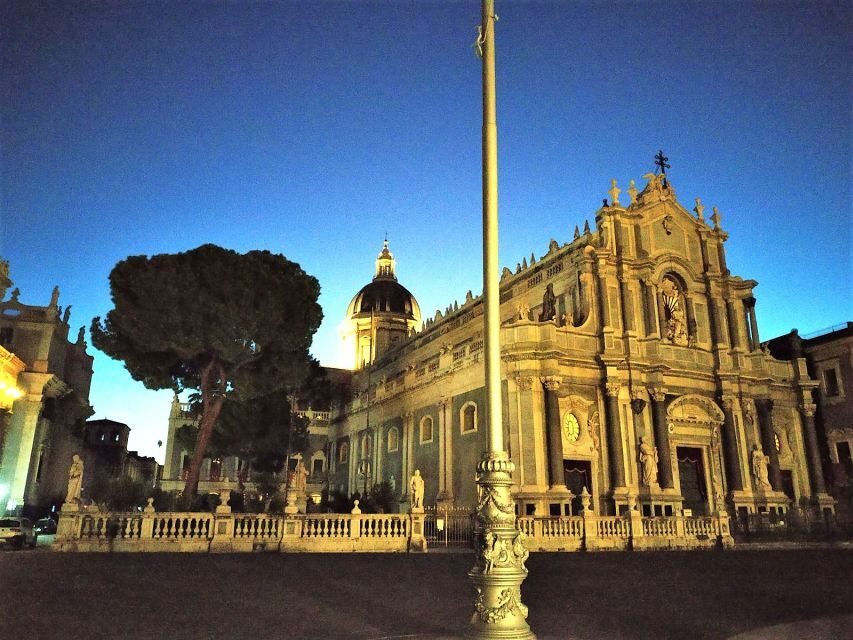
The tour ends in Piazza del Duomo, where you also get a major visual stop: the black lava stone elephant in the square. You’ll also be pointed toward the basement of the cathedral, which adds another layer to the “what lies under Catania” theme.
This final portion gives you a neat ending: you started with a Roman monument, moved down into religious and volcanic underground spaces, then returned to one of Catania’s most symbolic public squares.
Small but satisfying detail: finishing with the lava stone elephant helps the underground story “stay with you.” It’s not just a stop. It’s a reminder that this city’s building materials come from the same forces that shaped its underworld.
Timing, pace, and who this tour fits best
The total duration is about 2.5 hours, and the pacing is built around keeping you in a sequence: big landmark → underground → market → more underground storytelling → baths → cathedral square finish.
This is also a small-group tour, limited to 10 participants, and that matters. In places like underground sites and markets, crowd density can eat your attention. With fewer people, you’re more likely to hear the guide and ask questions.
Languages available: Italian, French, Spanish, and English. If you want history explained in a way that’s easy to follow, choose your language carefully so you get the full benefit of the guide’s explanations.
Not the right fit if…
The tour is not suitable for:
- People with mobility impairments
- Wheelchair users
- People with claustrophobia
- People with motion sickness
- People over 280 lbs (127 kg)
It also says you’ll climb a few steps, some irregular, to reach different sites.
If any of those apply, you may want a different Catania tour with easier logistics.
Is it good value? Access, food, and expert interpretation
There’s no single “price” detail here, so I’ll judge value by what you actually receive. You’re paying for three things that are harder to DIY:
- Guided access to underground spaces that most visitors won’t reach on their own. The feedback stresses that some sites can be off limits without a tour, and that the guide can include lesser-known locations.
- Food done right, not just “walk past stalls.” You get street food at the market and a local drink (mandarino e limone), with short breaks so you’re not constantly rushing.
- Interpretation from guides who are praised for archaeology-style knowledge and clear explanations. In underground settings especially, that interpretation is what turns “random rooms” into a coherent story.
If your priority is a fast, high-impact taste of Catania, this tour fits that goal. If you want a long, slow photo walk with lots of free time, you might feel boxed in by the schedule.
Rain or shine, and when sites change
This tour runs rain or shine. The operating rule is simple: only under prohibitive conditions would the tour be reconsidered if some sites are unusable. And if a site can’t be accessed, it will be replaced by another underground site chosen by the organization.
That matters because underground tourism depends on access. It’s good to know you won’t be left with a half-day of nothing.
Should you book this Catania underground and street food tour?
Book it if you want a 2.5-hour hit of Catania that pairs underground archaeology with real market eating. It’s a strong choice for first-timers, food lovers who also like context, and anyone who wants to understand Catania’s volcanic and Roman layers without spending days sorting it out alone.
Skip it if you’re dealing with claustrophobia, motion sickness, mobility limits, or you’re uncomfortable with steps—because this one is built around getting into spaces under the city.
FAQ
Where is the meeting point for the tour?
You meet at the entrance (with two columns) of the Roman amphitheater. The guide will be waiting there with a nameplate.
How long is the Catania underground and street food walking tour?
The duration is 2.5 hours.
What happens at the start of the tour?
You start at Piazza Stesicoro, then there’s a photo stop at the Roman Amphitheater of Catania.
Which underground sites does the tour include?
The tour includes Catania Underground visits with secret churches and passageways, and it also references the prehistoric cave tied to Etna eruptions and an ancient Roman funeral chapel.
Does the tour include street food?
Yes. You’ll visit the open-air market at Piazza Carlo Alberto and taste traditional street food and local snacks.
What drink is included at the kiosk?
You’ll stop at a kiosk at Via S. Gaetano alla Grotta, 5, and drink mandarino e limone.
Is there an underground river connection on the itinerary?
Yes. The tour follows the underground river Amenano to the thermal baths.
What is the end point of the tour?
The tour finishes in Piazza del Duomo.
Is the tour suitable for wheelchair users or people with mobility impairments?
No. It is not suitable for wheelchair users or people with mobility impairments.
Does the tour operate in bad weather?
It runs rain or shine. Only in prohibitive conditions will there be a decision about canceling if sites are unusable.