REVIEW · CATANIA WALKING TOURS
Catania: City Highlights Walking Tour
Book on GetYourGuide →Operated by Kemedia · Bookable on GetYourGuide
Catania rewards slow walking. In just 2 hours, you get a focused route through the city center with a local guide, plus a story of how Catania’s streets connect back to Greek colonization in the 8th century B.C. I love the low-stress pace and the fact that you’re not just looking at sights—you’re learning how locals make sense of them.
I also like the specific stops: Castello Ursino and the Piazza Vincenzo Bellini Theatre are both on the list, and they’re the kind of landmarks that make the rest of the route click. One consideration: it’s a walking experience, and it’s listed as not suitable for people with mobility impairments, even though it’s marked wheelchair accessible—so it’s worth checking what your route comfort level is.
In This Review
- Key things I’d center on before you go
- Why Catania’s city-center highlights work so well on foot
- Meeting at Via Erasmo Merletta, 3 and what you’ll actually do
- Piazza Duomo and the market energy of Pescheria
- Castello Ursino: the fortress that anchors the story
- Via Crociferi to Piazza Stesicoro: streets that feel like a timeline
- Piazza dell’Università, scalinata Alessi, and via Gesuiti: learning the city’s layout
- Via Teatro Greco and Piazza Dante: where the route hints at older Catania
- Piazza Vincenzo Bellini Theatre: a standout finale in a real public square
- Price and value: is $14 a smart deal for a local guide?
- Who this Catania highlights walk is best for
- Quick practical takeaways before you go
- Should you book this Catania highlights walking tour?
- FAQ
- How long is the Catania city highlights walking tour?
- Where does the tour start?
- What landmarks are included on the walk?
- Is a local guide included?
- Are entrance fees included?
- Is the tour wheelchair accessible?
Key things I’d center on before you go
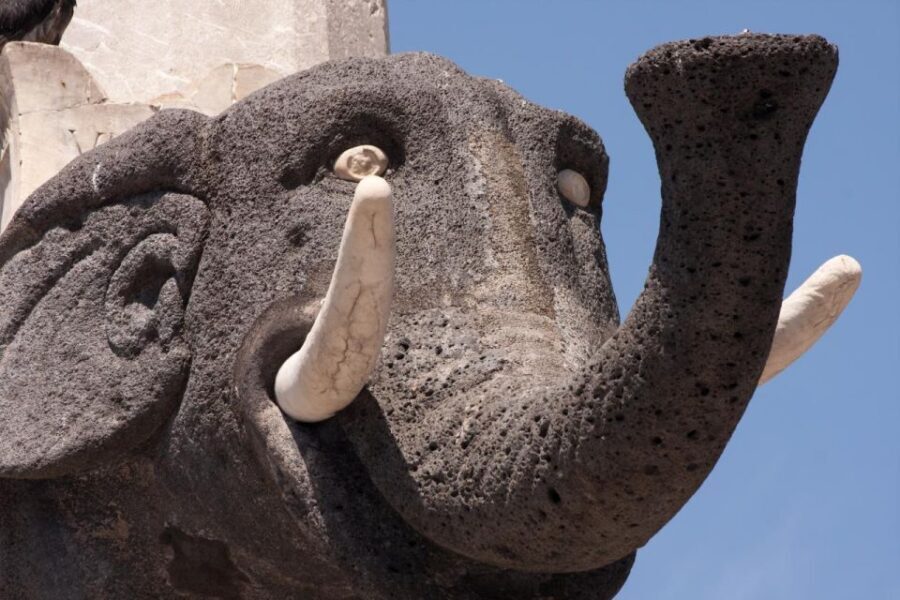
- Greek roots in everyday streets: you’ll hear how many structures connect back to the city’s early Greek period.
- Castello Ursino up close: a fortress you can see while the guide ties it into the bigger city story.
- Pescheria (fish market area): an active stop that gives the day-to-day feel of Catania.
- A route built around squares: Duomo Square, Piazza dell’Università, and more give you good “pause points” for photos and explanations.
- Teatro Bellini on the walk: finishing with the Piazza Vincenzo Bellini Theatre keeps the tour from feeling like just a checklist.
- English and Italian live guiding: you can follow along in the language you prefer.
Why Catania’s city-center highlights work so well on foot

Catania is one of those places where the best details are at street level. You don’t need to zoom past everything to get the feel of the city. A walking tour here helps you notice the shape of squares, the vibe of main streets, and how buildings frame views.
This one is especially practical because it stays in the center and hits a mix of “big landmark” and “real life.” You’ll see major stops like Ursino Castle and the Bellini Theatre, but you’ll also pass through areas like the Pescheria fish market zone. That blend matters: castles and theaters tell you what a city values, while markets show you how it lives.
And since you’re with a guide, the route becomes a guided lesson in what you’re looking at. You’ll hear how many structures date back to the time of Greek colonization of the city (8th century B.C.), even if the buildings you see are layered through the centuries.
Other Catania walking tours we've reviewed in Catania



Meeting at Via Erasmo Merletta, 3 and what you’ll actually do

You start at Via Erasmo Merletta, 3. After a quick guided orientation, the tour moves through a sequence of stops designed to keep things simple: short guided segments, then you walk to the next point.
The whole experience is listed as 2 hours, which is a sweet spot. Long enough to feel like you covered real ground and learned something, but short enough that you’re not stuck for a half-day if the pace isn’t your style. Comfort matters here, so bring comfortable shoes and clothes you can move in.
Your guide gives live commentary in English and Italian, so it’s built for mixed-language travelers. That helps you follow along without needing to constantly translate in your head.
Piazza Duomo and the market energy of Pescheria
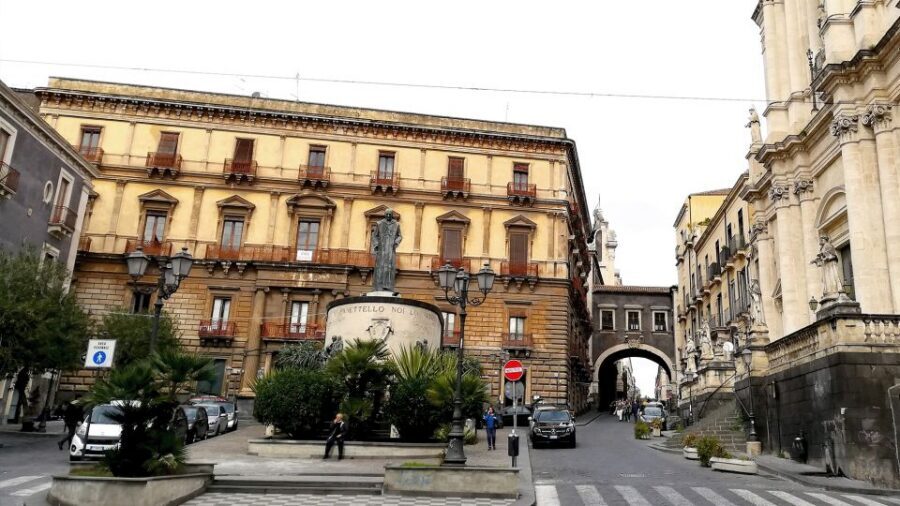
The first named stop is Duomo Square, Catania. In practice, this is where you get oriented fast. You’ll understand where you are in the city and why the surrounding streets and buildings matter. It’s also a natural place for early photos because the square layout gives you good sightlines.
Then you head to the Catania Fish Market, known as Pescheria. This is one of those stops that can change your whole impression of a city. Markets are where you see what people buy, eat, and talk about in real time. Even if you’re not shopping, the guide’s explanations help you connect the market’s role to the city’s long history and everyday rhythm.
A small tip: if you want clear photos, keep an eye on where foot traffic thickens. Fish markets and main squares can get busy, and you’ll move at walking-tour speed.
Castello Ursino: the fortress that anchors the story
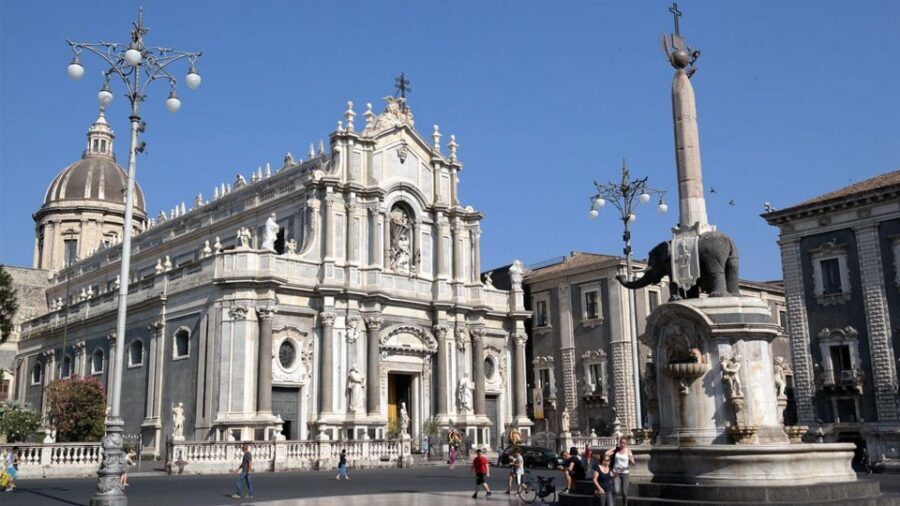
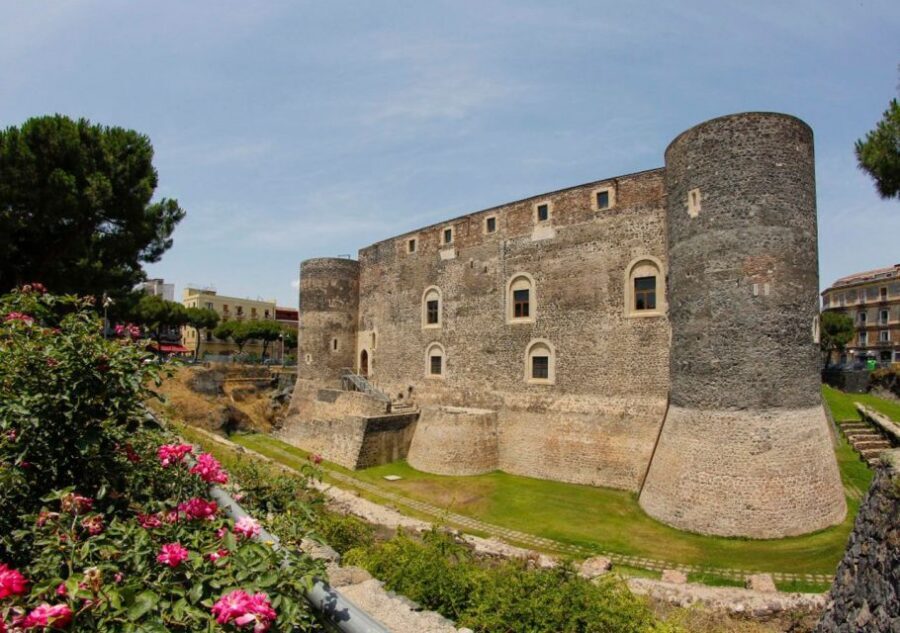
One of the biggest reasons to pick this tour is Castello Ursino. It’s listed as a highlight for a reason. A castle like this does more than sit there looking dramatic. It gives the guide a physical anchor to talk about power, protection, and the way Catania evolved over time.
You’ll spend about 10 minutes at the castle with guided commentary, which is enough time to understand the basic context without turning it into a museum day. Also, this matters for your planning: the tour notes that entrance fees are not included, so you’re not paying extra here just to benefit from the guided story.
If your travel style is “see it, understand it, move on,” this is a good match. If you love spending lots of time inside ticketed sites, you might later pair this walk with a separate castle visit when the ticket cost fits your schedule.
Via Crociferi to Piazza Stesicoro: streets that feel like a timeline
After the castle stop, the route continues along via Crociferi and then to Piazza Stesicoro. These parts of the walk are where the city starts to feel less like a list of famous monuments and more like a living maze of streets and gathering spots.
Why this matters: the tour is built to show you how multiple eras overlap. You’ll be hearing that the city’s story includes the Greek period from the 8th century B.C., and walking through central streets helps you sense continuity. You’re not just reading about history—you’re looking at how locations connect.
This segment is also useful for practical sightseeing. If you later want to wander on your own, these are the streets where you’ll feel most confident navigating.
Other walking tours we've reviewed in Catania




Piazza dell’Università, scalinata Alessi, and via Gesuiti: learning the city’s layout
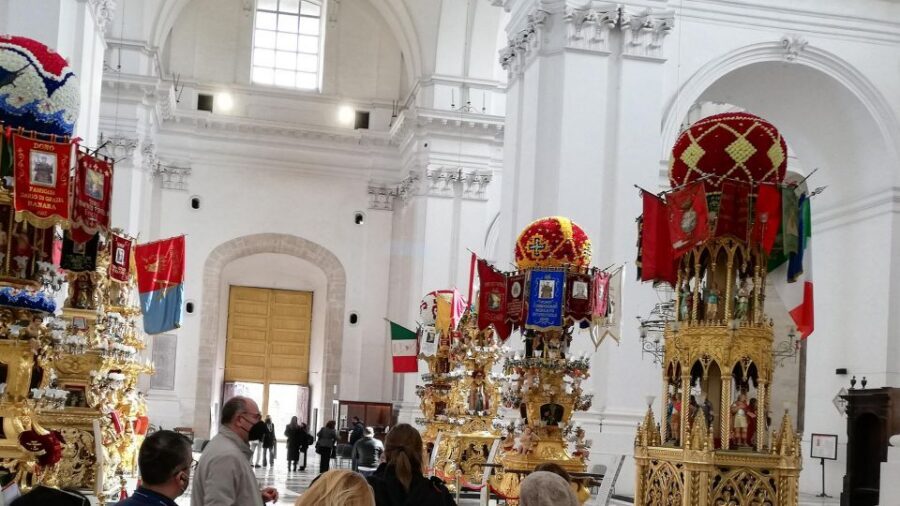
Next up is Piazza dell’Università (with via Gesuiti and scalinata Alessi also included on the walk). Squares and stairways are big clues to how a city is organized, and they often reveal different layers of planning and style.
Think of these stops as “navigation landmarks.” Once you understand how these squares connect, you’ll have an easier time spotting where you are throughout the rest of your Catania day. Also, staircases like scalinata Alessi can be great for photos and for catching a different angle of the surrounding architecture.
One watch-out: if you’re sensitive to uneven pavement or steps, this is the part of the day to take slowly. The tour encourages comfortable clothing, which is your hint that you should expect a true street-walk, not a flat, effortless stroll.
Via Teatro Greco and Piazza Dante: where the route hints at older Catania
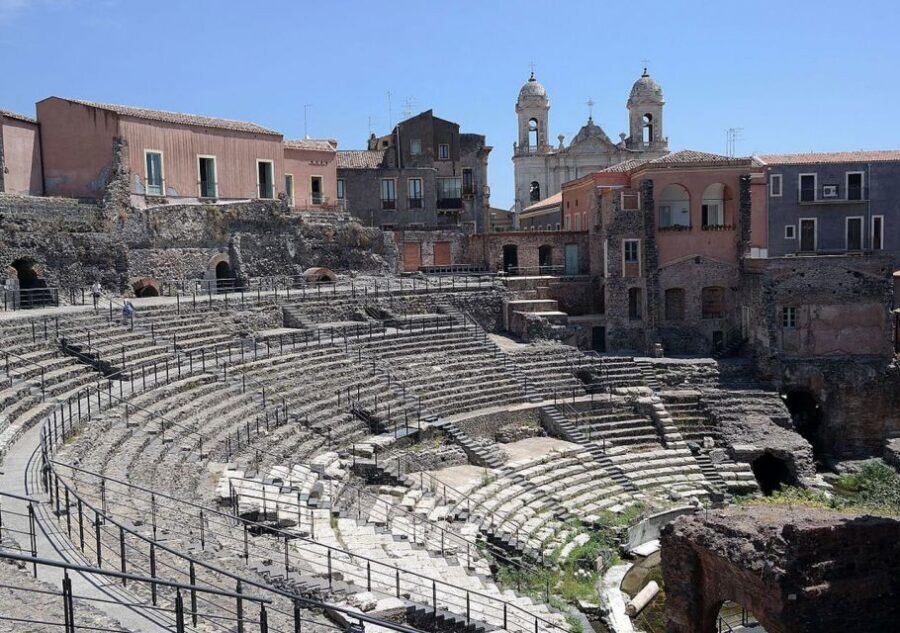
Your route also includes via Teatro Greco and Piazza Dante, which is another reason this tour feels more than superficial. A named street like via Teatro Greco signals that the city’s older cultural footprint is still visible in how places are labeled today.
At these stops, your guide’s job is to connect names and locations to the broader story. You’ll also learn how the city’s monuments and structures reach back across centuries—again, with the Greek colonization era (8th century B.C.) as a reference point.
This is the kind of tour benefit you’ll feel later, too. When you’re walking around on your own afterward, you’ll recognize which areas are likely to connect to the city’s deeper historical layers.
Piazza Vincenzo Bellini Theatre: a standout finale in a real public square
The tour culminates with Piazza Vincenzo Bellini and then Piazza San Placido. This final stretch is a smart way to end. You start with an orientation point (Duomo Square), you move through everyday city life (Pescheria), and you build to a cultural landmark that signals Catania’s artistic identity.
The Piazza Vincenzo Bellini Theatre stop is one of the highlights called out in the tour information. Even if you don’t go inside, seeing the theatre in its public setting gives you a sense of scale and civic importance. It’s also a good place to pause if you want to take in the atmosphere before continuing your own exploration.
Then Piazza San Placido rounds out the walk. This kind of ending matters because you want that “final placement” feeling—now you know where you are, and you know what to look for next.
Price and value: is $14 a smart deal for a local guide?
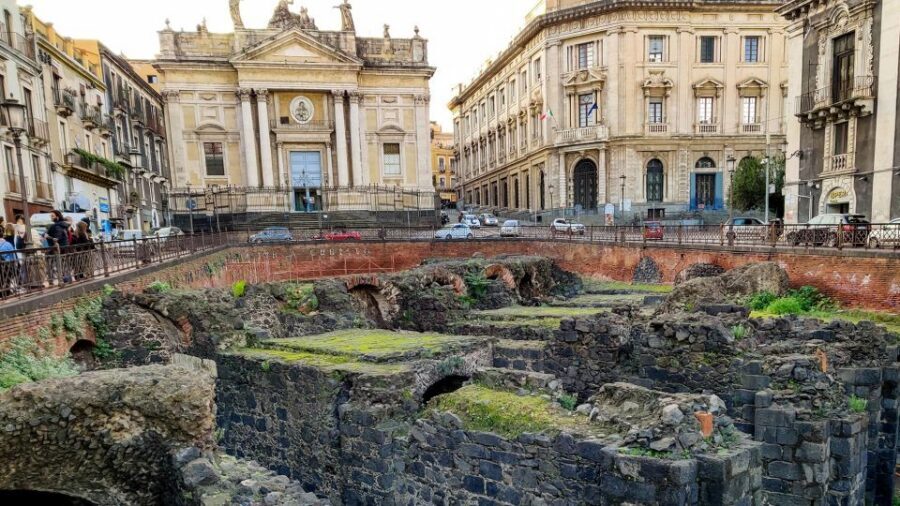
$14 per person for a 2-hour walking tour is the main value point. This price sits in the sweet zone for sightseeing in major European cities where guided time can cost much more.
What you’re paying for isn’t an entrance-ticket experience. The tour includes a local guide, and that guide is what makes the route worth it. Without interpretation, you’d just be sightseeing a sequence of squares and streets. With it, those stops connect into a story, including Catania’s long timeline reaching back to Greek colonization in the 8th century B.C.
Also, entrance fees are not included, which is honest and helps you control your budget. If you want to add paid sites later, you can choose based on your interests rather than being forced into extra spending.
The one “cost” to consider is effort. You’ll be doing a short walking circuit, and you should budget your energy accordingly.
Who this Catania highlights walk is best for
This tour is a strong fit if you:
- Want a guided way to orient yourself in Catania’s center.
- Like a mix of landmarks and street-level stops like the fish market area.
- Prefer a short format that gives you more confidence for self-guided exploring afterward.
It may be a weaker choice if you:
- Need a tour that avoids steps and uneven surfaces. The information says it’s wheelchair accessible, but also notes it’s not suitable for people with mobility impairments, so you should verify what that means for your specific needs.
- Want long museum-style time inside ticketed attractions. With entrance fees not included, this is more about the walk-and-learn experience.
If you’re traveling solo, with a partner, or as part of a mixed group, the English/Italian live guide helps keep everyone on the same page.
Quick practical takeaways before you go
Here are the details that will help you enjoy it more:
- Wear comfortable shoes. You’re walking through squares and streets, not sightseeing from a bus.
- Bring comfortable clothes for active time outdoors.
- Expect the day to revolve around multiple central points like Piazza Duomo, Pescheria, Castello Ursino, and Piazza Vincenzo Bellini.
- Bring a camera, but don’t block the path. Market and square areas can have tight pedestrian flow.
On the booking side, the tour is listed with free cancellation up to 24 hours in advance and a reserve-now, pay-later option, which is helpful if your schedule might shift.
Also, the experience provider is Kemedia, and the guiding is listed as live English and Italian.
Should you book this Catania highlights walking tour?
If you’re in Catania for a short time and you want a real sense of place, I’d book it. For $14, you get a guided route that connects major landmarks—Ursino Castle and the Piazza Vincenzo Bellini Theatre—with everyday city energy at Pescheria. It’s a smart use of time when you want understanding, not just photos.
I’d hold back if mobility is a concern. Even with the wheelchair note, the tour is still a walking route through central sights, and the listing also says it’s not suitable for people with mobility impairments.
If you’re flexible, comfortable on your feet, and curious about how Catania’s story stretches back to the Greek period, this is a solid, low-cost way to get started right.
FAQ
How long is the Catania city highlights walking tour?
The tour is 2 hours long.
Where does the tour start?
The starting location is Via Erasmo Merletta, 3.
What landmarks are included on the walk?
The tour includes Piazza Duomo, Pescheria (Catania Fish Market), Castello Ursino, Piazza Stesicoro, Piazza dell’Università, Piazza Vincenzo Bellini Theatre, and Piazza San Placido, along with several listed streets and areas such as via Crociferi and scalinata Alessi.
Is a local guide included?
Yes. The experience includes a local guide.
Are entrance fees included?
No. Entrance fees are not included.
Is the tour wheelchair accessible?
It is listed as wheelchair accessible, but it is also marked as not suitable for people with mobility impairments, so it’s important to confirm it matches your needs.