REVIEW · UNDERGROUND CATANIA
Catania: Underground Catania Tickets and Guided Tour
Book on GetYourGuide →Operated by Etna 'Ngeniousa · Bookable on GetYourGuide
Catania has a second city under your feet. This tour takes you below street level to see Etna-linked lava caves and follow the Amenano underground river into cool, secret spaces you can’t reach on a normal walk. I love that it’s not just one dramatic stop; it’s a curated sequence that stitches together geology and religion through the centuries.
My other favorite part is the guide-led storytelling, with explanations offered in Italian and English so you’re not stuck guessing. One thing to consider: expect steps—some irregular and a few sites can feel damp—so good shoes matter, and the route isn’t a fit if you’re claustrophobic.
In This Review
- Quick highlights you should know
- Meeting at the Black Amphitheater: your entrance to underground Catania
- How you move from Via Etnea to underground passages
- Lava caves shaped by Etna’s eruptions
- Following the Amenano underground river (and feeling -15 meters)
- Roman roots in the underground: monuments you’d miss above ground
- Church basements and Baroque mysteries: where faith meets geology
- The guide matters: why bilingual storytelling changes everything
- Price and value: what $29 buys in real-world terms
- What to bring and how to handle the steps
- Who should book this Underground Catania tour
- Who should skip it
- Should you book Underground Catania (lava, Amenano, Roman, and Baroque)?
- FAQ
- How long is the Underground Catania guided tour?
- Where do I meet the guide?
- What’s included in the ticket price?
- What languages is the tour offered in?
- Is the tour canceled if it rains?
- How deep do you go underground?
- Is this tour suitable for everyone?
Quick highlights you should know
- Black Amphitheater start point: Your journey begins at the ruins of a Roman building with about 15,000 seats
- Go down to -15 meters: You’ll feel the drop and the temperature shift right away
- Four underground entries included: Each ticket gets you into a different type of space
- Etna’s prehistoric caves: Lava shapes the story, not just the scenery
- Church basements and passages: Baroque and older religious layers sit below daily life
Meeting at the Black Amphitheater: your entrance to underground Catania
Most tours start with a landmark. This one starts with a weighty landmark: the ruins of the Black Amphitheater, a Roman amphitheater that held around 15,000 people. It’s a smart setup because it gives your brain a “time anchor” before you go underground—Catania didn’t start as a tidy tourist city. It grew, rebuilt, and layered itself on top of older worlds.
You’ll meet the guide in front of those amphitheater ruins (though the exact meeting point can vary by option). Once you’re with your group, the guide sets the tone: you’re going to connect what you see above—Via Etnea, palaces, late Baroque churches—with what’s hidden below.
If you like history that has texture—stone, water, and scars—this start point helps. And if you’re the type who enjoys being led through a planned route rather than playing “find the entrance,” you’ll appreciate how the tour organizes your underground stops.
Other Underground Catania tours we've reviewed in Catania

How you move from Via Etnea to underground passages
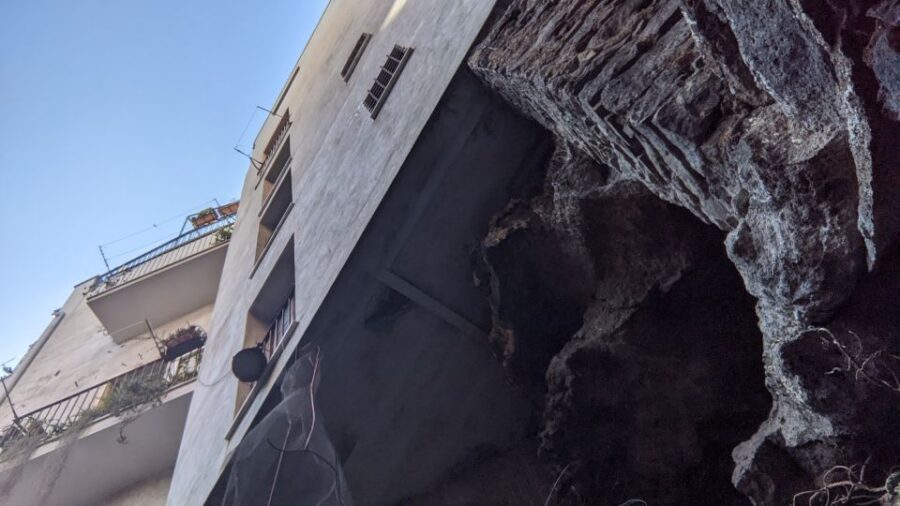
Between sites, you’re not just teleporting. You’re walking through the visible city, especially along the main stretch of Via Etnea, where you can spot aristocratic palaces and late Baroque church façades. That matters because the underground doesn’t exist in a vacuum. The city above explains why the spaces below were built in the first place—power, wealth, worship, and survival all left physical traces.
This is also where your guide’s job becomes more than narration. The best tours help you understand the “why,” not just the “what.” Here, the route links eras, so when you later see lava formations or old brickwork, you’re not just collecting wow moments—you’re building a mental map of how Catania changed.
A practical note: you’ll walk as a group from one underground site to the next, and you’ll hit at least a few sets of steps. If rain falls, the underground coolness is pleasant, but surfaces at entrances can get slick. Plan on sturdy, grippy shoes.
Lava caves shaped by Etna’s eruptions
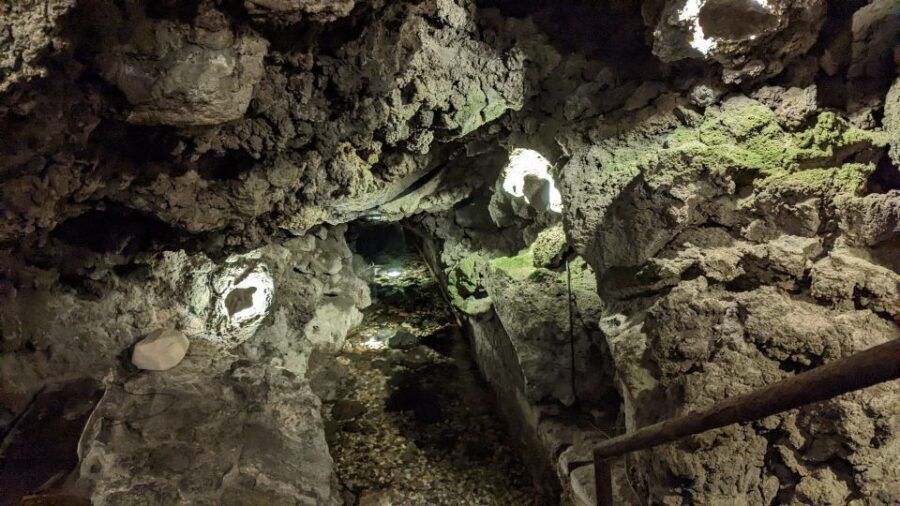
One of the tour’s biggest draws is the chance to see a prehistoric lava cave—a place where Etna’s force is literally carved into the ground. You don’t need to be a geology nerd to feel what this means. Lava caves are created by nature, not humans, which makes them different from the built church basements and Roman spaces you’ll visit later.
What I like about this stop is the balance. Yes, it’s dramatic to go into a cave that traces volcanic history. But it’s also grounded in a bigger idea: Catania’s underground is not only man-made. Volcanic activity shaped where people could build, where water might travel, and what kinds of spaces were left behind or repurposed.
And if you’re a photo person: caves can be tricky because light is limited. Bring patience and keep your camera ready, but don’t expect bright postcard conditions. This is about atmosphere and context.
Following the Amenano underground river (and feeling -15 meters)
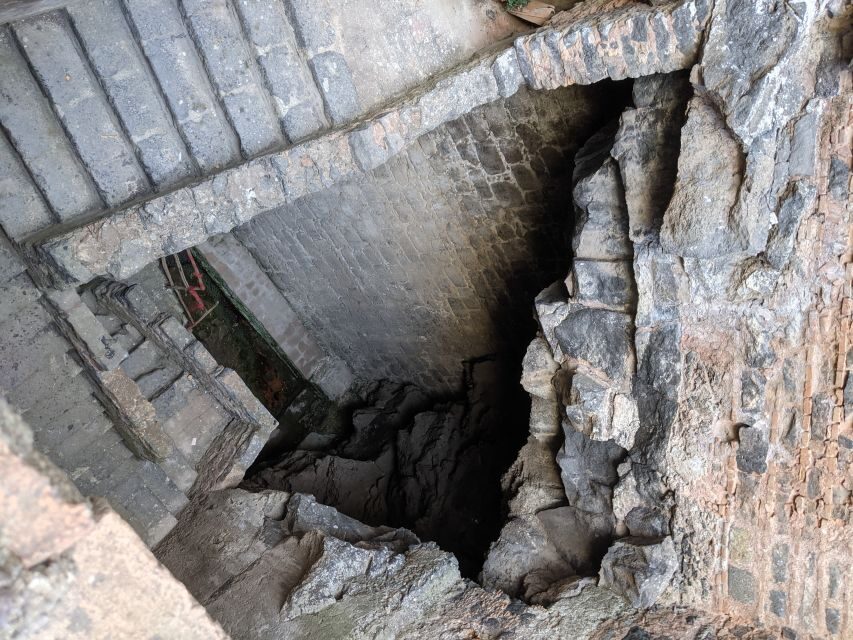
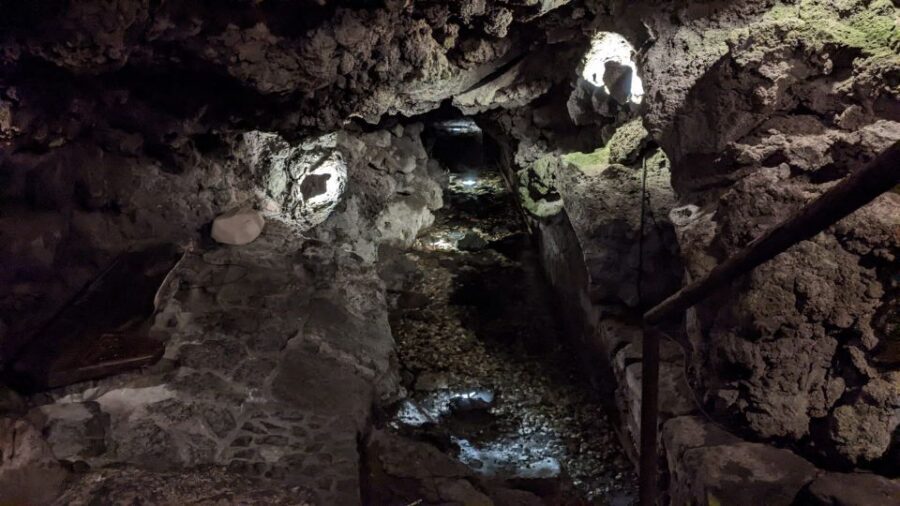
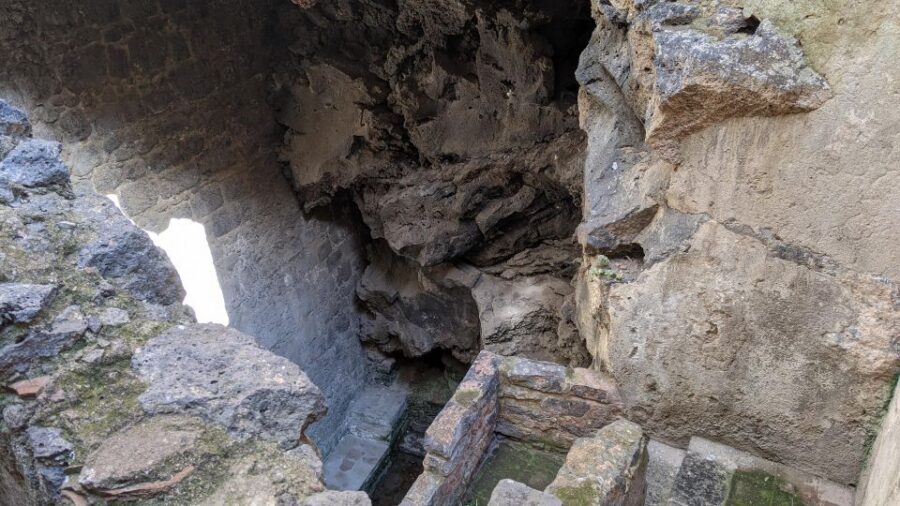
The tour’s most atmospheric theme is water. You’ll follow the underground river connected to Amenano, moving through a cave environment where the city’s hidden hydrology becomes part of the story. This isn’t just “pretty underground.” The tour frames Amenano as a key piece of how Catania worked—springs, passages, and the idea that water had routes beneath the streets long before modern utilities.
The tour also takes you down to -15 meters, which is a big deal in a small time window. You feel it right away: cooler air, quieter acoustics, and a physical sense that you’ve left the street world behind.
From a comfort standpoint, this is the stop most likely to challenge people who don’t like enclosed spaces. Even if you’re not claustrophobic, it’s tighter underground than people expect. If you’re already unsure about tight tunnels or low-ceiling areas, take that seriously and skip this style of tour.
Roman roots in the underground: monuments you’d miss above ground
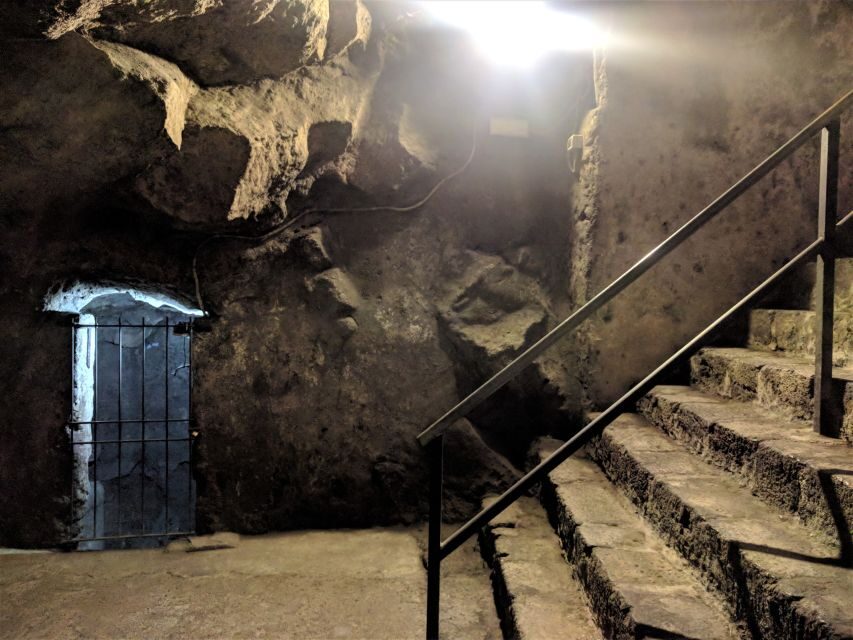
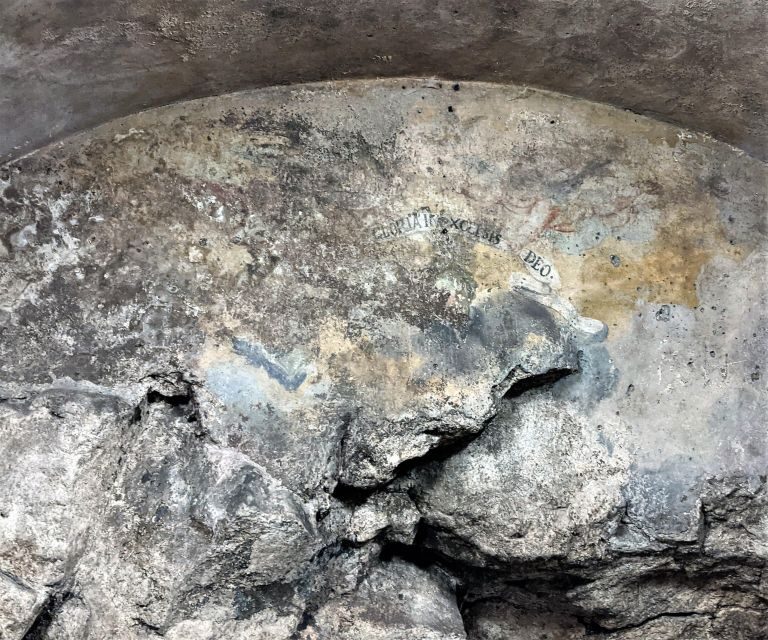
Another high-value part of the tour is access to an ancient Roman monument underground, included as one of the four ticketed sites. Even when you’re standing in Catania above ground, Roman layers can be hard to spot. Underground, the story becomes clearer because you’re close to the original material and structural logic.
The Roman stop also helps you understand how people used space in layers over time. Underground rooms weren’t just storage. They could be connected to daily life, civic function, and later reuse. In cities like Catania, reconstruction doesn’t erase what came before. It often keeps it—by hiding it, sealing it, or repurposing it.
If you care about archaeology that’s practical (you can see it, walk past it, and stand where people once stood), this is exactly that type of visit.
A few more Catania tours and experiences worth a look

Church basements and Baroque mysteries: where faith meets geology
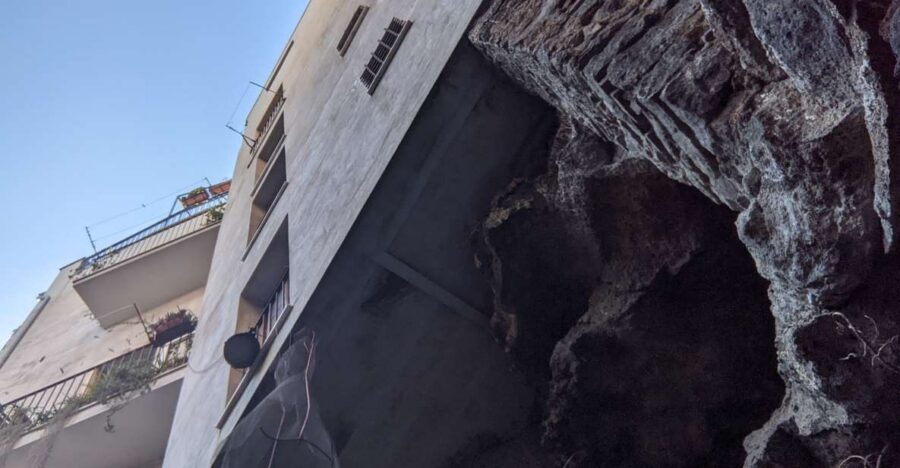
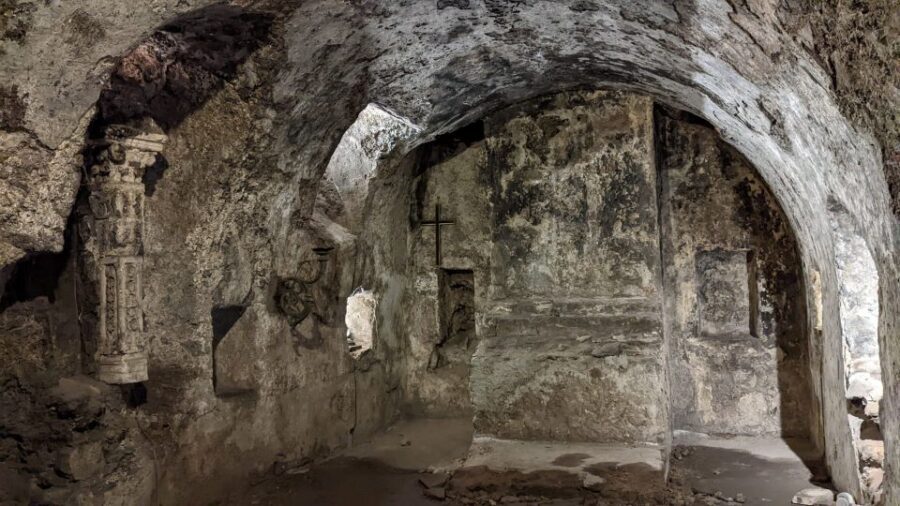
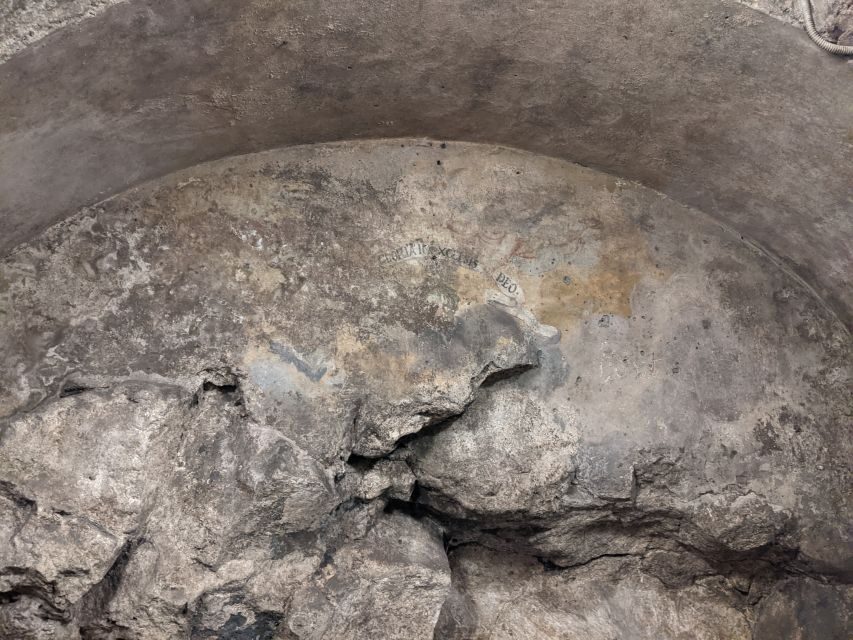
Catania’s underground story isn’t only Roman and volcanic. It’s also Christian, and it gets especially interesting when the tour brings you into caves connected to churches. You’ll explore a magnificent late Baroque church area below street level, along with other underground church-linked spaces tied to earlier histories of worship and relics.
Two specific religious threads show up clearly in the tour experiences:
- a cave connected to where S Agatha’s relics had first been kept
- a cave under the bombed-out church associated with S Euplius
These aren’t just “sad history” stops. They show how belief and community identity can shift location—sometimes from above ground to below—when the city’s conditions demand it. You also get to see how later styles (Baroque, in particular) sit atop older layers, literally under the street.
One practical consideration: church underground spaces can be visually stunning but also acoustically tricky. If you’re sensitive to not hearing well, try to stay close to the guide during explanations.
The guide matters: why bilingual storytelling changes everything
The tour quality is closely tied to the guide. Names like Oreste and Enzo appear in the tour experience as examples of guides who keep people engaged and answer questions well. What I’d look for, regardless of which guide you get, is the ability to explain clearly in both languages and to connect each underground site to the next.
One reason this matters: underground spaces can blur in your memory if you just listen to facts. A strong guide gives each stop a distinct angle—lava, water, Roman structure, Baroque religious life—so you walk out with a set of connected ideas, not four separate dark rooms.
Also, groups can vary in size. Some days the group feels intimate; other times it can be larger. Either way, good guides manage the flow so everyone can hear, follow, and move together.
Price and value: what $29 buys in real-world terms
At around $29 per person for about 2.5 hours, this tour is good value if your goal is access. You’re paying for entry into four different underground places, plus the benefit of skipping the ticket line and having a live guide.
If you tried to replicate this on your own, you’d quickly hit the main problem: many underground sites are not easy to visit without local knowledge or proper entry. This tour turns that difficulty into a structured experience. Even if you’re already familiar with Catania above ground, the value is in the below-ground access.
So the real question isn’t only the price. It’s whether you want a guided crawl through multiple layers of the city rather than one standard attraction. If you do, this price feels fair.
What to bring and how to handle the steps
This is a “wear the right shoes” tour. The route includes few steps, and some are irregular. That doesn’t mean it’s an obstacle course, but it does mean your ankles need grip—especially if it’s damp.
Bring a small day bag. Large luggage isn’t allowed, and alcohol or drugs are prohibited. Leave sharp objects at home too—this is a safety-focused environment with tight spaces.
If you’re the type who gets stomach issues while riding or moving, keep an eye on it. The tour is not suitable for people with motion sickness, and the underground pacing involves stops and stair transitions that could trigger symptoms for some.
Who should book this Underground Catania tour
This tour fits best if you:
- love history that’s visible in physical materials, not just on a plaque
- enjoy geology, water systems, or “why did this happen here” questions
- want access to multiple underground sites in one time block
It’s also a solid option for people who already explored the big above-ground sights. Catania has a lot to offer on the surface. Going under the streets gives you a different city entirely.
Who should skip it
Skip this tour if you have mobility impairments, use a wheelchair, have claustrophobia, or struggle with motion sickness. The tour also notes a weight limit of 280 lbs (127 kg), and it goes down to underground environments that are not designed for people who need wide, open spaces or step-free access.
If any of those apply, it’s not just a comfort issue—it’s a safety and enjoyment issue.
Should you book Underground Catania (lava, Amenano, Roman, and Baroque)?
Yes, I think you should book this if you want a focused, high-access underground experience in a short window. The biggest selling point is simple: you get entry to four different underground places, including a lava cave linked to Etna and sites tied to Amenano, Roman structures, and religious layers under late Baroque spaces. That blend is rare, and it makes the tour feel more like a guided “system” of Catania than a one-off spooky stop.
But book smart. If you’re sensitive to enclosed spaces, if you hate steps, or if hearing the guide is difficult for you, consider alternatives above ground.
If you’re comfortable with caves, steps, and cool underground air, this is exactly the kind of tour that makes Catania feel like more than one city day by day.
FAQ
How long is the Underground Catania guided tour?
The tour lasts about 2.5 hours.
Where do I meet the guide?
You’ll meet the guide in front of the ruins of the Black Amphitheater, though the meeting point can vary depending on the option booked.
What’s included in the ticket price?
The price includes entry tickets to 4 different underground places, plus a live tour guide.
What languages is the tour offered in?
The live tour guide provides explanations in Italian and English.
Is the tour canceled if it rains?
It runs rain or shine. It may be canceled only if conditions are prohibitive or some sites are unusable.
How deep do you go underground?
You go down to -15 meters.
Is this tour suitable for everyone?
No. It is not suitable for people with mobility impairments, wheelchair users, claustrophobia, motion sickness, or people over 280 lbs (127 kg).