REVIEW · ETNA SUMMIT TREKS
Etna North Sunset: Summit area & Craters of 2002
Book on GetYourGuide →Operated by ALTERNATIVETNA · Bookable on GetYourGuide
A night hike on a volcano sounds intense, but this one stays friendly. You ride up Etna’s north side by off-road vehicle, then walk a short climb through fresh volcanic ground. The payoff is a crater-area sunset view from around 2900 meters.
What I love most is how close you get to the real volcanic features without spending all day on the mountain. You’ll see the rift created in the 2002 eruption, plus the North-East crater area where the volcano observatory is located. And the timing—waiting for sunset near the summit viewpoints—turns the whole experience from interesting to unforgettable.
One drawback to consider: the final part involves a bumpy 4×4 ride and a walking climb on uneven volcanic terrain. Also, English varies by guide, so if you need very precise language, it can help to be comfortable with both English and Italian support.
In This Review
- Key highlights you can count on
- Etna North at sunset: why the light and the view feel different
- The 4×4 ride from Piano Provenzana up toward 2900 meters
- Following the rift from the 2002 eruption: what you’ll actually see
- North-East crater area and the observatory zone
- The 300 m walk over scoria and bombs: doable, but plan for grit
- Sunset waiting at the viewpoint: Lion and Bove in clear weather
- The ride back: crossing Piano delle Concazze to Piano Provenzana
- Who should book this Etna North sunset trek (and who should think twice)
- Practical tips that make the difference on Etna
- Guides, language, accessibility, and what to expect from the group
- The value of Etna North Sunset for a short 3-hour window
- Should you book Etna North Sunset: Summit area & Craters of 2002?
- FAQ
- Where is the meeting point for Etna North Sunset?
- How long is the tour?
- How high do we go?
- Is there walking during the tour?
- What kind of terrain should I expect on the walk?
- What languages are the guides available in?
- Is the tour wheelchair accessible?
Key highlights you can count on
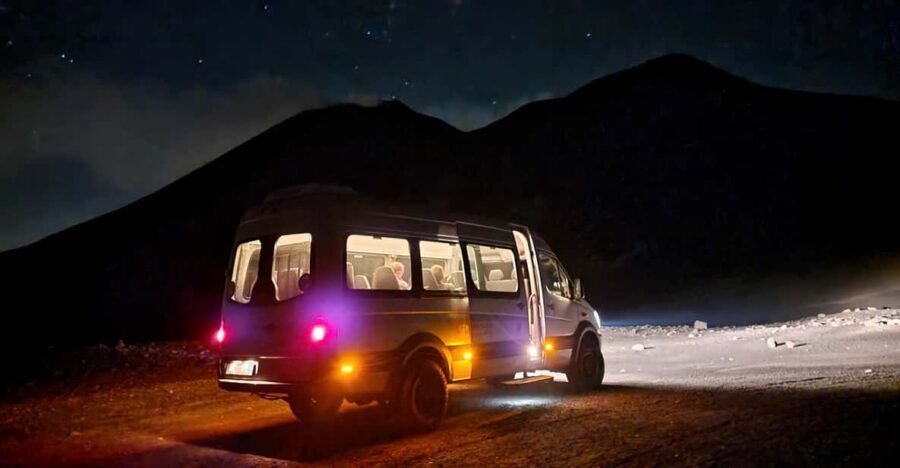
- 4×4 buses to the summit area so you spend less time fighting altitude and more time seeing Etna
- Piano Provenzana to 2900 m with a clear rhythm: ride up, walk up, stop for views
- 2002 eruption rift visuals framed by lava and volcanic sand you can actually spot
- North-East crater area near the volcano observatory for the most dramatic summit-zone context
- A 300 m walk on scoria and bombs that’s manageable but not smooth
- Sunset viewpoint from the roof of Sicily with Lion and Bove valleys on clear days
Etna North at sunset: why the light and the view feel different
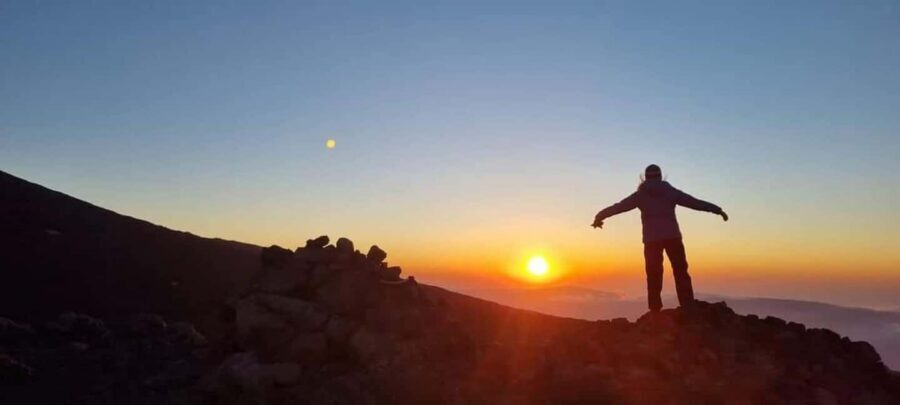
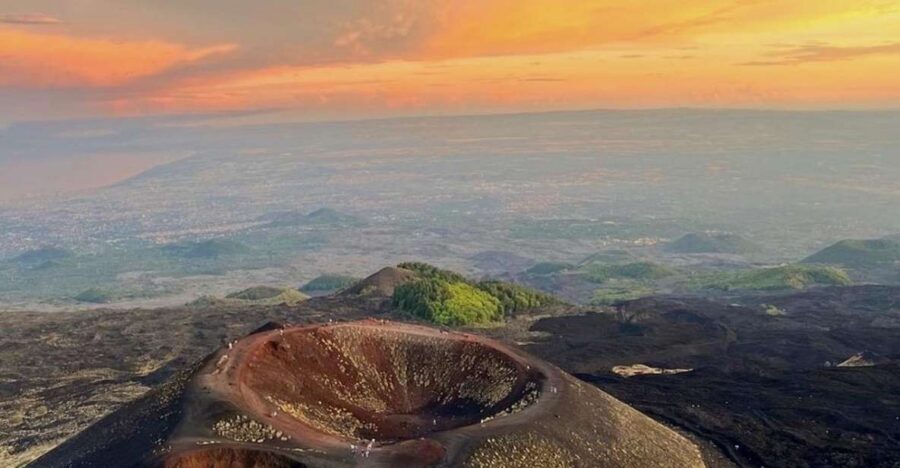
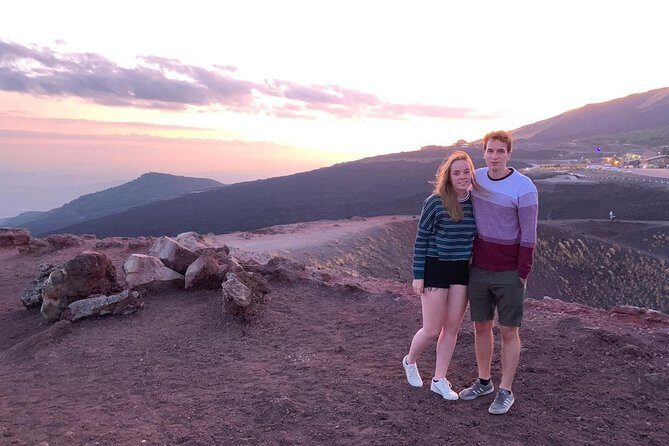
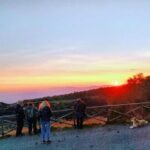
Etna is impressive any time of day. But on the north side near sunset, the mountain feels bigger, not just higher. The sky often cools fast up on the slopes, and the crater zone turns into a dark, sharp stage for the last light of the day.
This trip is built for that moment. You move toward the summit area, then slow down at the viewpoint to actually watch the horizon change. If weather is clear, you can see both the Lion and the Bove valleys from up there, which is a cool reminder that Etna is not an isolated mountain—it’s the centerpiece of a whole landscape of valleys, ridges, and volcanic history.
I also like that this isn’t only about standing in one spot. You get a sequence: north-side terrain, the 2002 eruption rift area, then the North-East crater zone, and finally the sunset viewpoint.
Other Mount Etna tours we've reviewed in Catania

The 4×4 ride from Piano Provenzana up toward 2900 meters
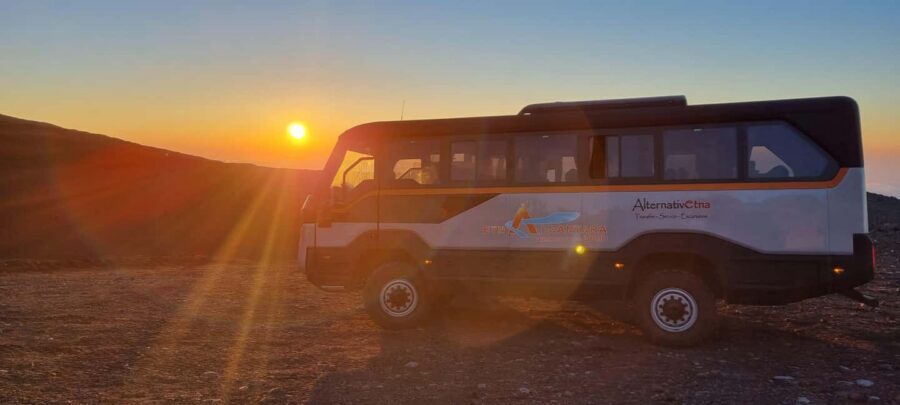
The action starts near Piano Provenzana, where you meet at the office at the tour’s given coordinates. From there, you follow the mountain trail route at high altitude—around 2900 meters is your key number for the summit-zone experience.
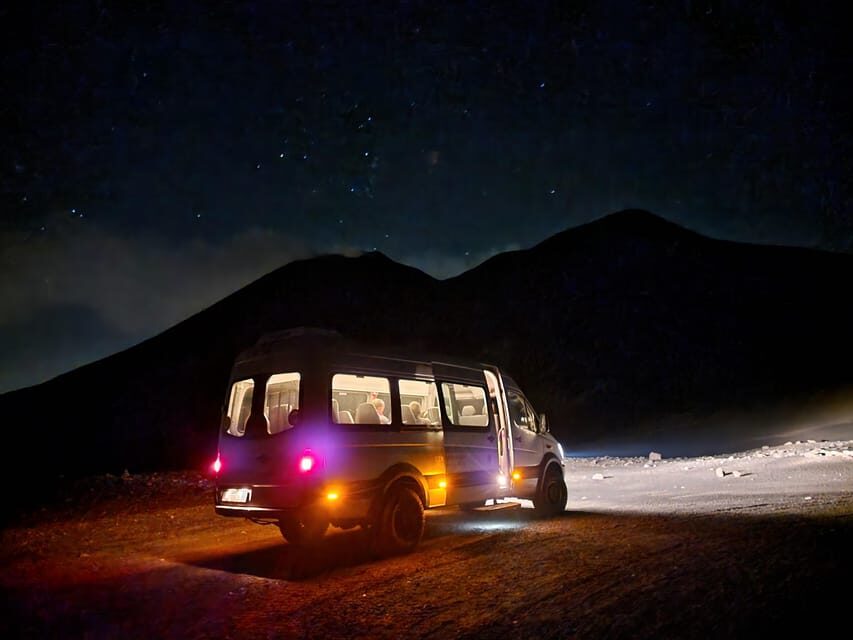
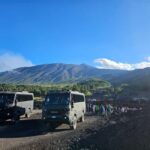
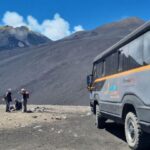
The transportation is off-road. The tour uses 4×4 buses/vehicles to move you up through rough volcanic terrain to higher slopes. This is a big deal in practice: you’re not doing an all-day grind from the start. Instead, you get a shorter walking section and more time for what matters—crater views and volcanic ground you can study with your guide.
The ride is also bumpy by design. If you’re sensitive to motion or get carsick easily, plan for that. Bring a daypack and be ready for jolts, because the route is clearly aimed at getting traction on uneven slopes, not at making it comfortable like a city bus.
Following the rift from the 2002 eruption: what you’ll actually see
One of the most satisfying parts of this trip is the route through the area connected to the 2002 eruption. As you travel by off-road vehicle, you’ll pass along a high mountain slope framed by lava and volcanic sand around the rift created in that eruption.
This matters because you’re not only hearing about volcanology—you’re seeing the groundforms that come from real events. Lava texture, volcanic sand, and the way the terrain is broken by a rift all help you understand why Etna keeps reshaping itself. Your guide points out what to look for while you’re still close enough to make sense of it.
It’s also one of those times when the north side of Etna comes into focus. The terrain feels structured and directional, shaped by flows and fractures. Even if you don’t think of yourself as a geology person, you’ll probably find it hard not to look down and try to read the mountain like a map.
North-East crater area and the observatory zone
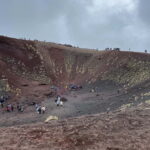
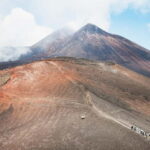
Next, you push higher by off-road vehicles to about the 2900 m area near the North-East crater. This is where the tour becomes most summit-like. The North-East crater dominates the surroundings, and the area includes the volcano observatory.
Standing near an observatory zone on a living volcano changes the vibe. It’s not just spectacle; it’s also the reality that Etna is monitored and studied here because it matters. Your guide helps you connect what you’re seeing—crater terrain, volcanic deposits, and the general structure of this active part of the mountain—to the reasons scientists and observers care.
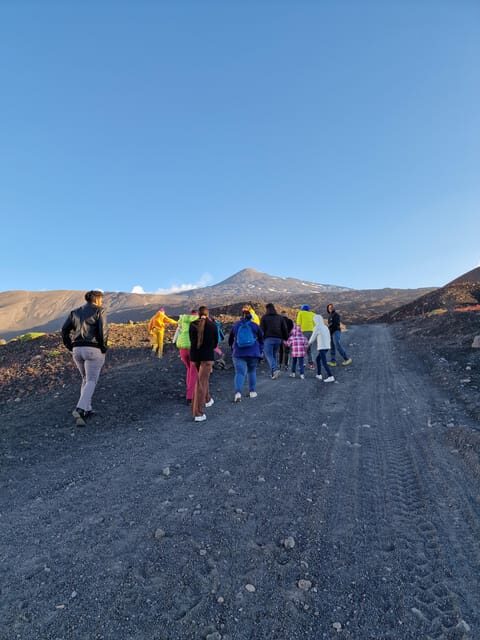
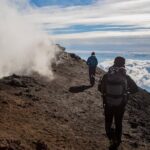
From this point, the excursion shifts from riding to walking. You’ll start an ascent on foot along a path surrounded by volcanic material—scoria and bombs. This is where you’ll want good shoes and calm pacing, because the ground isn’t polished or gentle.
The 300 m walk over scoria and bombs: doable, but plan for grit
The climb is described as a total rise of about 300 meters until you reach the viewpoint at around 2900 meters. That sounds small on paper, but the surface is the real story. Scoria and bombs are rough, dusty, and uneven, so the walk feels more like hiking on volcanic rubble than walking on a trail you’d find in a park.
You’ll want comfortable shoes with grip and support. Long pants help keep volcanic grit off your legs. A daypack is useful for what you’ll carry while you stop for photos and waiting time.
Pace matters on Etna. You don’t need to rush, and rushing is how you end up tired before the best part—sunset at the viewpoint. I like that this tour keeps the walking segment targeted. You get the crater-zone experience without turning it into an all-day summit mission.
Also note: this is not a walk where you’ll enjoy a slow, scenic stroll for hours. You’ll be moving through a working volcanic environment. That’s part of the appeal, but it also means you should expect dust and grit.
Other Etna summit treks we've reviewed in Catania
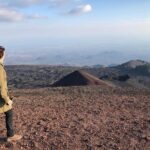
Sunset waiting at the viewpoint: Lion and Bove in clear weather
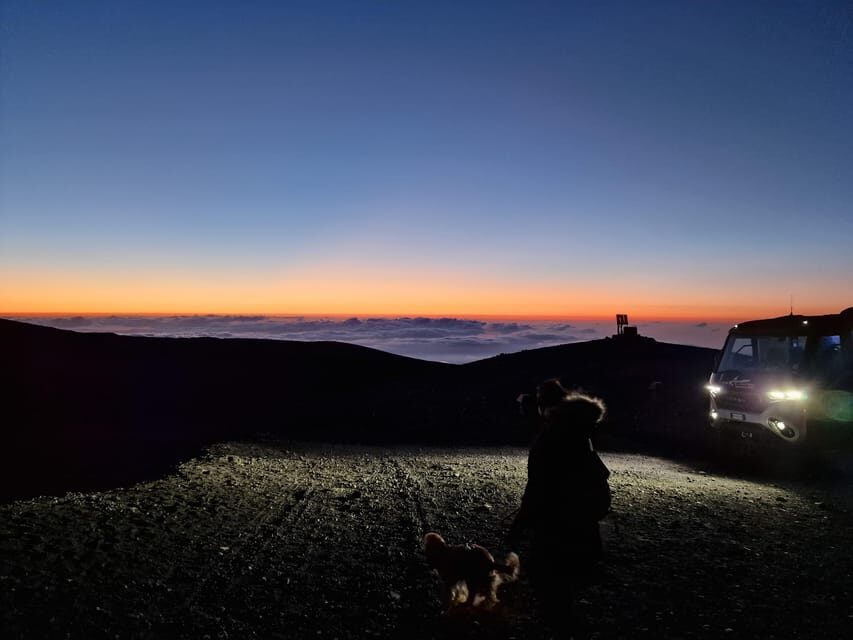
When you arrive at the viewpoint at 2900 m, the tour slows down for the main event: watching the sunset. This stop is the reason you came. You get the greatness and uniqueness of the volcanic environment with the reward of a view over Sicily’s horizon.
If the weather cooperates, you can see the Lion and the Bove valleys. On clear days, that clarity makes the whole north-side crater scene feel even more connected to the island. It’s not just Etna in isolation; it’s Etna as the high point that frames everything around it.
The waiting time is also when the guide’s storytelling clicks. You’ll usually get a better feel for processes—how the mountain’s surfaces, deposits, and shapes fit together—because the view lets you step back from the ground and see the big picture. Sunset does that naturally. Light changes, shadows sharpen, and the volcanic terrain looks more readable.
The ride back: crossing Piano delle Concazze to Piano Provenzana
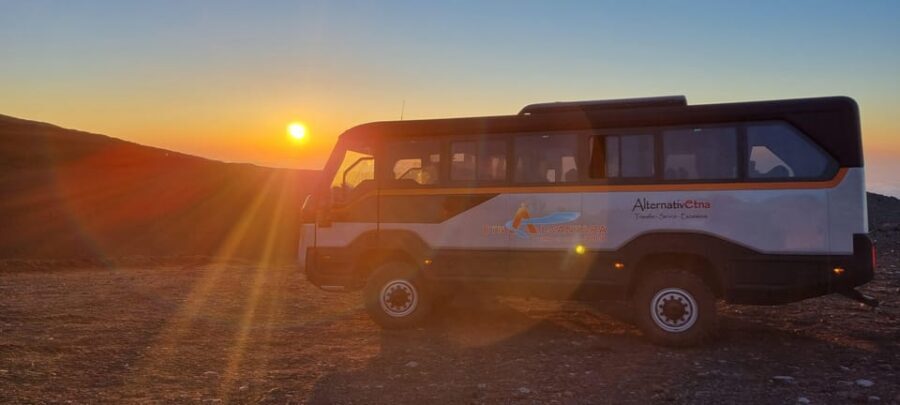
After the sunset portion, the tour ends with driving back. The route includes crossing Piano delle Concazze and then descending to Piano Provenzana, where you started.
This matters because it closes the loop without extra confusion. You’re not left to manage logistics in the dark on an active mountain. The vehicle return is part of the design of the tour: you get access to the higher crater zone while still keeping the total duration to about 3 hours.
That duration is a key value point. It’s short enough that you can fit it into a practical Sicily schedule, but it still delivers real time at high altitude with crater views and a meaningful walking section.
Who should book this Etna North sunset trek (and who should think twice)
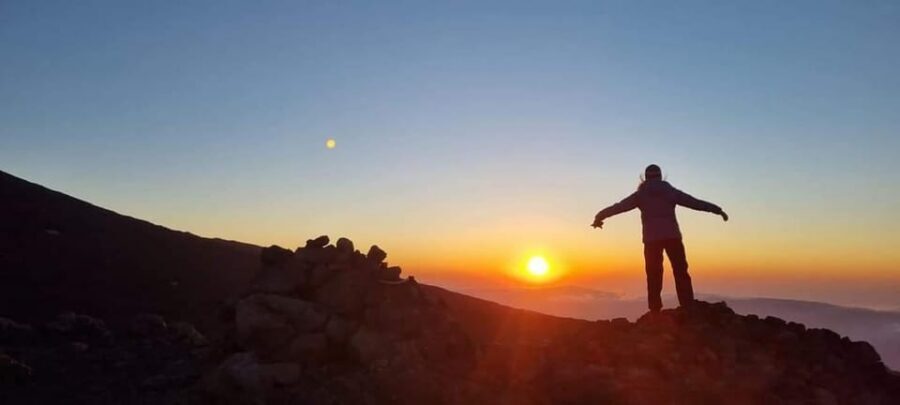
This tour is for you if you like nature, dramatic views, and seeing volcanic terrain up close without spending a full day hiking. It’s also ideal if you want a guided experience in a live volcanic setting, with explanations that connect what you’re seeing to why it happened.
It’s especially good for people who love “near the action” travel. The itinerary takes you right to the crater-area environment and gives you a chance to stand somewhere that feels like the roof of Sicily. If you want Etna as more than a photo spot, this delivers.
Think twice if:
- You’re very sensitive to motion or rough rides. The off-road transport is essential, and it can be very bumpy.
- You have strong language needs. The tour offers English and Italian live guiding, but the clarity of English can be uneven depending on the guide.
- You’re not comfortable walking on rough volcanic ground. The 300 m climb is short, but the surface is scoria and bombs, so you need sturdy footwear and patience.
Practical tips that make the difference on Etna
Here’s what will help you enjoy this tour more right away:
- Wear long pants and comfortable, grippy shoes. The ground is volcanic and uneven.
- Bring biodegradable sunscreen. Sun exposure at altitude can be real even when you’re dressed for cooler weather.
- Pack a daypack for water and layers. The tour lasts about 3 hours, but you’ll still want essentials.
- Expect dust. Even with good clothes, you’ll likely kick up some volcanic powder.
- Plan to move at a steady pace on the climb. You want enough energy for the viewpoint and the sunset waiting.
If you’re using public transit to reach the meeting point, give yourself extra time. The tour starts from the office at Piano Provenzana, and you don’t want to rush on arrival. The good news is that once you’re there, the route is handled—off-road vehicles, guide leadership, and the return descent.
Guides, language, accessibility, and what to expect from the group
This is a live guided experience with a guide in English and Italian. That’s a practical advantage if you’re doing Sicily without perfect Italian, and it also gives you options if one language pace doesn’t work for you.
You’ll also get an accessibility promise: the tour is wheelchair accessible. That said, the itinerary includes a walk of about 300 m on volcanic material, so you’ll want to check how the operator plans that for your specific needs. Accessibility is listed, but the terrain is the terrain.
One more note on guidance: guides here are clearly passionate about Etna. That shows in how they explain what you’re seeing. Still, language delivery can vary, so if you need every detail in English, consider choosing a time when you feel most confident or being ready to lean on Italian.
The value of Etna North Sunset for a short 3-hour window
You’re paying for time savings and access. The big value is not only the view—it’s how the tour gets you to the summit area quickly with off-road vehicles, then adds a targeted climb to the viewpoint. Most visitors to Etna struggle with either long walks, hard logistics, or limited crater access. This tour is built to avoid those problems.
At about 3 hours, you get:
- a north-side approach,
- the 2002 eruption rift visuals (lava and volcanic sand),
- time near the North-East crater and observatory area,
- a short but real ascent on scoria and bombs,
- a sunset viewpoint at around 2900 m,
- and a smooth return to Piano Provenzana.
That mix is what makes it feel efficient without being shallow.
Should you book Etna North Sunset: Summit area & Craters of 2002?
Book this tour if you want a high-impact Etna experience in a manageable timeframe. I’d choose it for the combination of 4×4 access plus a walking segment that’s short enough to stay fun but long enough to feel real. If you’re a nature lover, this hits the right notes: crater zone access, volcanic ground you can see close up, and sunset views that make the mountain look alive.
Skip it or plan carefully if you:
- get motion sick easily on rough roads,
- dislike uneven ground,
- or depend on consistently fluent English for understanding every detail.
If your goal is to see Etna’s north summit area and the crater zone connected to the 2002 eruption—and then watch the horizon change as the light fades—this tour is a strong match.
FAQ
Where is the meeting point for Etna North Sunset?
The tour meeting point is the office at the provided coordinates: 37.79744338989258, 15.03928279876709.
How long is the tour?
The total duration is about 3 hours.
How high do we go?
The route reaches the summit area around 2900 meters, including the viewpoint at about 2900 meters.
Is there walking during the tour?
Yes. After reaching the North-East crater area by off-road vehicle, you’ll do an ascent on foot with a total climb of about 300 meters.
What kind of terrain should I expect on the walk?
You’ll walk on volcanic material such as scoria and bombs, so sturdy shoes and long pants are important.
What languages are the guides available in?
The live tour guide is available in English and Italian.
Is the tour wheelchair accessible?
The activity is listed as wheelchair accessible, but the itinerary includes a walking ascent, so it’s best to confirm how accessibility will work for your situation.