REVIEW · MOUNT ETNA TOURS
From Catania: Mount Etna Morning Tour
Book on GetYourGuide →Operated by ETNA QUAD E TREKKING · Bookable on GetYourGuide
Etna can feel unreal before you hike it. On this morning tour from Catania, I love the climb to about 2000 meters and the stop inside a lava flow cave, because it makes the volcano feel real fast. I also love the guided walk at the Silvestri Craters, where black dunes and solidified lava look almost moonlike.
You’ll also head toward Valle del Bove and then descend toward Zafferana Etnea for tastings. The main consideration is that this is a hike on uneven volcanic ground, and the tour isn’t suitable for mobility impairments or people with respiratory issues.
In This Review
- Key things about the Catania-to-Etna morning route
- How the 4.5-hour Etna morning plan actually works
- Rifugio Sapienza, beech and birch woods, and that lava cave moment
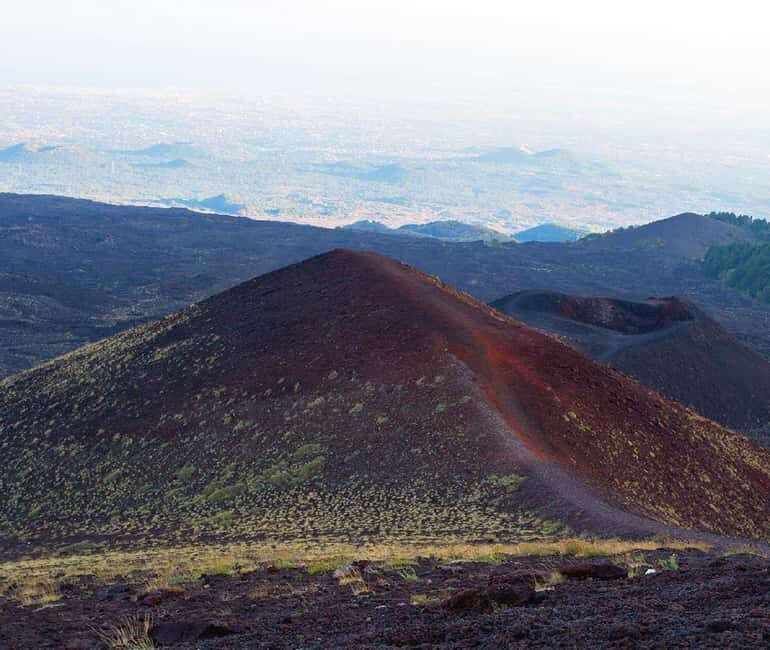
- Silvestri Craters: black dunes, solidified lava, and a guided walk you can follow
- Valle del Bove caldera: arid, vegetation-light, and surprisingly memorable
- Zafferana Etnea tasting stop: local honey and wine, plus a short food break
- What to bring for Etna’s changing conditions
- Who this Mount Etna morning tour fits best
- Price and value: what you’re really paying for
- Should you book this Etna morning tour from Catania?
- FAQ
- How long is the Mount Etna morning tour from Catania?
- Where does the tour start and finish?
- What are the main stops during the tour?
- Do you reach a specific altitude on this tour?
- Is there wine or food tasting on the tour?
- What should I bring, and what rules apply?
- Is this tour private, what language is offered, and is it suitable for everyone?
Key things about the Catania-to-Etna morning route
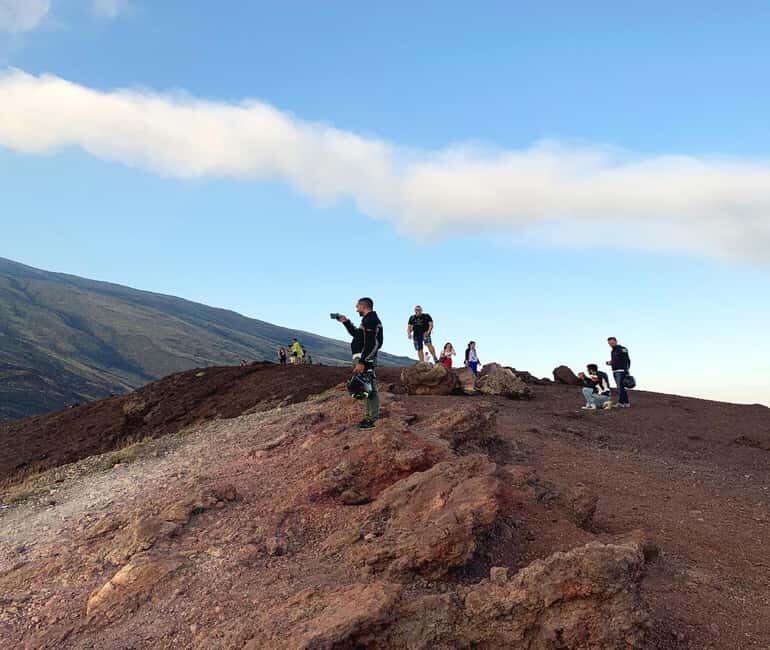
- Lava cave + 2000m viewpoint hiking that turns “a volcano tour” into a physical experience
- Silvestri Craters with a guided walk (100 minutes) plus 1 hour free time to linger and take photos
- Valle del Bove caldera views as you go from high ground back down toward the valley
- 1991–93 lava flows discussed up close, so the timeline of eruptions makes sense
- Zafferana Etnea food and wine tasting (40 minutes) tied to local products like honey and wine
- Guides who answer everything (names you may get include Gaetano, Tano, Alberto, Dany, Daniela, Daniella, and Giuseppe)
How the 4.5-hour Etna morning plan actually works
This is a fast, focused way to see a big chunk of Mount Etna without wasting half a day on logistics. The tour is scheduled for about 4.5 hours, and it’s built around a clear sequence: climb up, see volcanic features up close, then finish with a tasting stop and return.
What makes the timing feel “right” is that you’re not just stopping for a view. You walk in the craters, you go into a lava-flow cave, and you transition from high-altitude scrub/woods down toward an arid caldera. That flow helps you understand Etna as a living system, not a single photo spot.
The other plus is the private group format. Even though it’s a morning tour, the pace tends to be more flexible than a big bus-style day. In the reviews, guides are praised for patience and for taking time with photos and questions, which matters on a hike where everyone’s stamina and curiosity are different.
Other Mount Etna tours we've reviewed in Catania
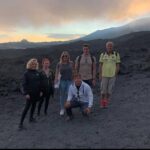
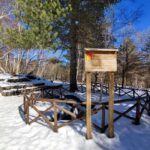
Rifugio Sapienza, beech and birch woods, and that lava cave moment
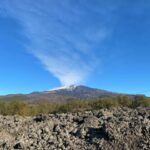
The tour starts from Pasticceria Savia in Catania. From there, you head up Etna and climb to about 2000 meters. Along the way, you can expect close observations of lava flows, including those linked to the 1991–93 eruption—not just as trivia, but as visible terrain.
One standout element is the stop inside a lava flow cave. Even if you’ve never been in one before, it’s the kind of experience that changes your mental picture of how eruptions leave evidence behind. It’s not a museum-style explanation. It’s rock, space, and scale, with your guide pointing out what you’re seeing and why it happened.
After that, the route continues through woods typical of Etna—specifically beech and birch—as you work your way toward Rifugio Sapienza at around 2000 meters. This is a small but important contrast: Etna isn’t only fire and rock. It has seasons, plants, and biodiversity that return in patches. If your guide is the kind who talks about ecology (and the reviews say many are), you’ll get a sense of how life takes hold in harsh conditions.
Practical note: wear shoes with good grip and expect uneven volcanic ground. You’ll be moving from high-elevation areas to crater terrain and back down again.
Silvestri Craters: black dunes, solidified lava, and a guided walk you can follow
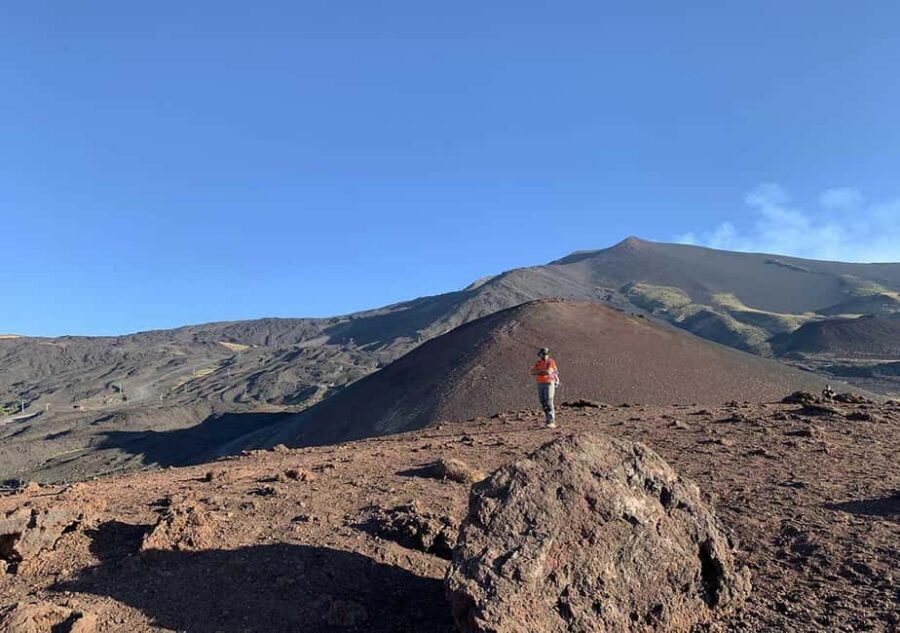
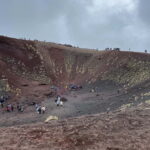
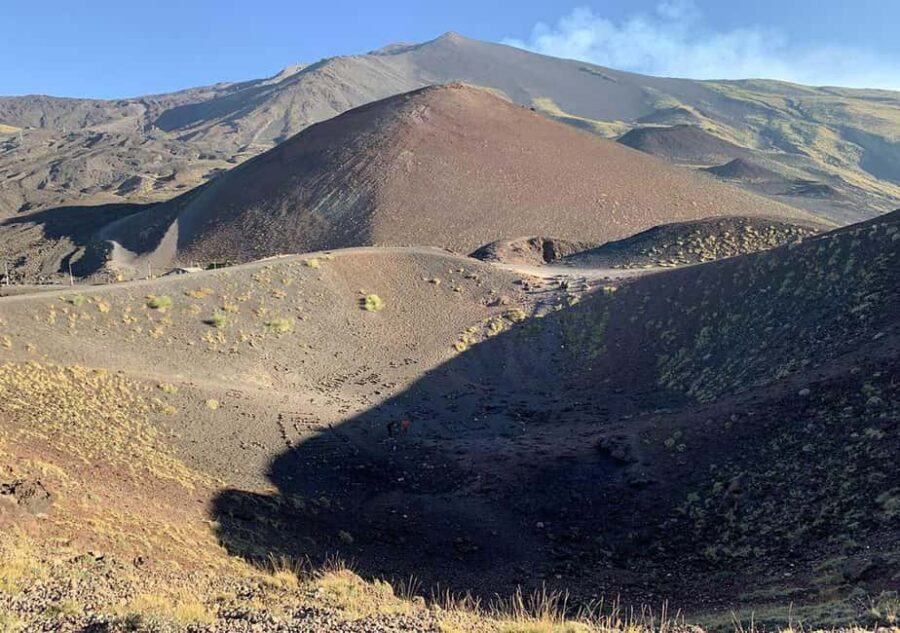
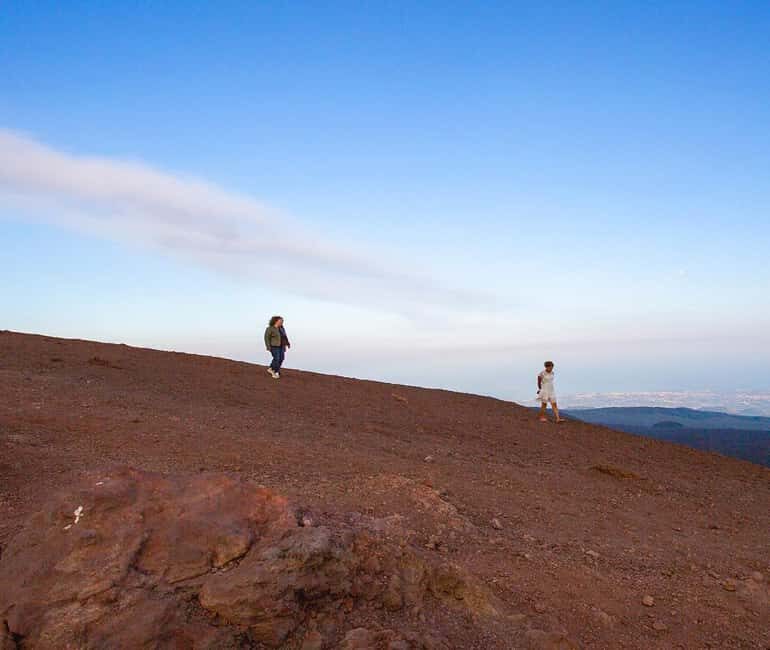
The Silvestri Craters portion is where the tour becomes truly “on-foot.” You get a guided walk of about 100 minutes, plus 1 hour free time afterward. That structure is smart. You learn what to look for first, then you get time to slow down and take photos, look for patterns in the lava, and just absorb the moonlike terrain.
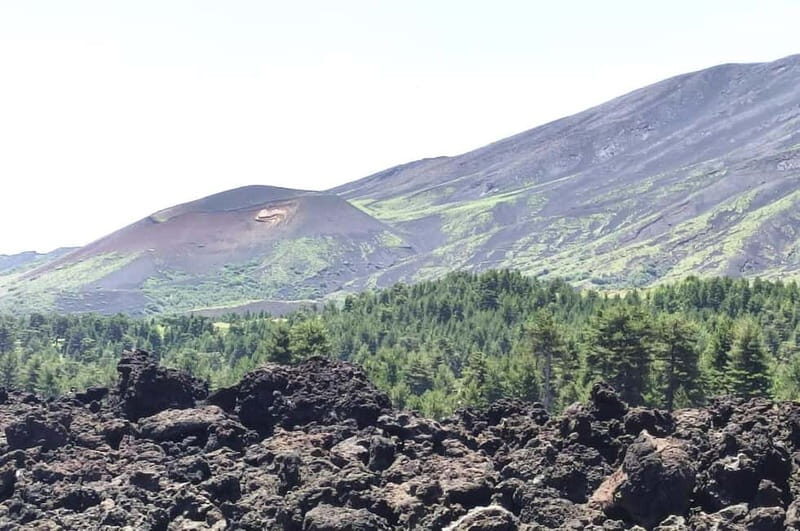
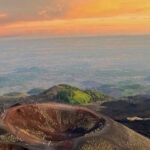
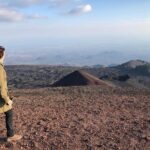
You’ll see volcanic terrain described as black dunes and expanses of solidified lava. Translation: the ground and the shapes don’t look like normal hillsides. You’re walking across features formed by eruptions and lava deposition, and it helps to have a guide to connect the scenery to a real volcanic story.
The best part here is the guide’s role. When a guide can explain both geology and the living parts of Etna, the landscape stops being random. One of the most praised strengths across reviews is how confidently guides answer questions—everything from how lava behaved to what biodiversity survives around it. If you’re the type who asks why a rock looks a certain way, this stop is built for you.
A consideration: you’ll be walking on rugged ground. This isn’t a stroller-friendly route, and even if you’re an experienced hiker, you’ll want comfortable shoes and a jacket. Higher altitudes can cool down quickly.
Valle del Bove caldera: arid, vegetation-light, and surprisingly memorable
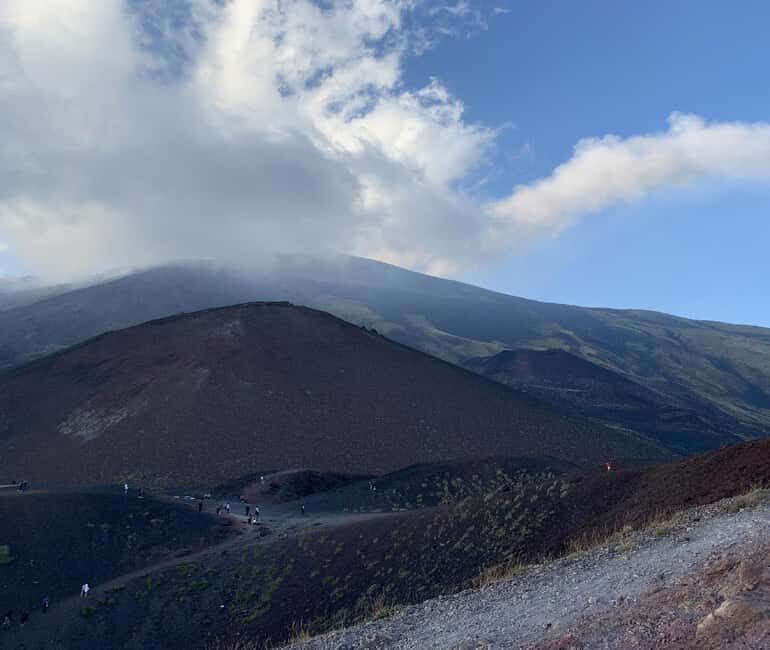
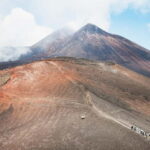
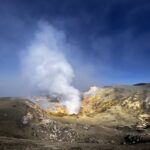
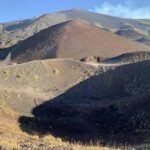
After Silvestri, the tour heads to Valle del Bove, described as a large arid depression that’s almost completely devoid of vegetation. Think of it like a volcanic bowl carved by the mountain’s dramatic processes. The result is a different kind of beauty than the craters: less dune-like and more open, stark, and wide.
This is also where the tour gives you a bigger view of the eruption’s “cause and effect.” The route goes from high-altitude viewpoints and crater walking down toward the valley, so you start to feel the scale of Etna. You can imagine how an eruption doesn’t just happen once; it reshapes the mountain over time, layer by layer, channel by channel.
One small trade-off: because Valle del Bove is so arid and vegetation-light, it may feel harsher in bad weather or colder months. That’s why a jacket and proper clothing matter. Even if you’re arriving from warm Catania, Etna can change the temperature on you.
Zafferana Etnea tasting stop: local honey and wine, plus a short food break
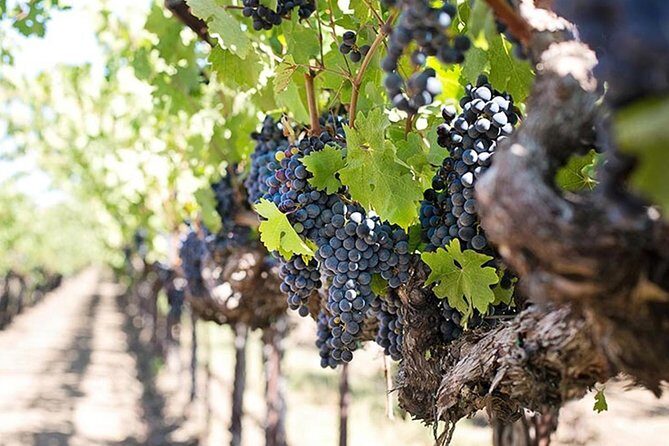
The tour finishes with a stop at Zafferana Etnea, including wine tasting and food tasting for about 40 minutes. The broader tour highlights also mention sampling local products like honey and wine, and you’ll be introduced to them as part of the region’s agricultural side of Etna’s story.
This tasting time is valuable because it closes the loop between “wild volcano” and “human life.” Etna’s slopes aren’t only dangerous rock. They’re worked and farmed. One review even mentioned tasting that included honey, wine, and olive oil, which fits the broader idea of Etnean food culture being tightly tied to the land.
Try to use those 40 minutes actively: ask what they produce, how it connects to the local environment, and what you should look for if you shop later in Catania. If you go in expecting a quick sip-and-go, you may miss half the point. If you go in curious, it becomes a nice payoff after the hike.
A few more Catania tours and experiences worth a look
What to bring for Etna’s changing conditions
Etna doesn’t do one consistent climate. Your height changes, and the terrain changes. That’s why the simple packing list matters a lot.
Bring:
- Comfortable shoes (real hiking footing)
- Water
- Snacks (especially if you get hungry on the walk)
- Jacket (cooler at higher altitudes)
- Camera
And follow the rules:
- No smoking
- No littering
- Do not touch plants
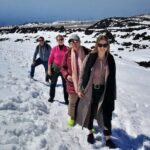
In winter, Etna can surprise you. One review noted snow around the area at roughly 2000 ft during their January visit. You might not get snow, but you should still pack for the possibility of cold and slick ground.
Who this Mount Etna morning tour fits best
This tour is a great match if you want:
- A short, structured day that still includes big-ticket Etna features
- Guided walking where someone can explain what you’re seeing
- A mix of geology (lava, craters, cave) and nature (biodiversity on Etna’s slopes)
It’s not a good fit if:
- You have mobility impairments
- You have respiratory issues
- You’re looking for a totally relaxed, low-step experience
Because the tour includes uneven volcanic terrain and a cave stop, I’d treat it like a moderate hike rather than a casual stroll.
Price and value: what you’re really paying for
There isn’t a price listed in the info you provided, so I can’t compare numbers. But I can tell you what you’re getting for your money, and why many people feel it’s worth it.
You’re paying for:
- A guided route that covers multiple major Etna zones in one go
- Entry into a lava flow cave
- Time on Silvestri Craters with both guided walking and free time
- A visit to Valle del Bove
- A tasting stop in Zafferana Etnea (wine and food tasting, plus local products like honey)
The value also comes from the human factor. Several reviews praise guides by name (Gaetano, Tano, Alberto, Dany, Daniela, Daniella, Giuseppe) and highlight patience, flexibility, and the ability to answer questions. That’s not guaranteed on every tour, and on Etna, it can make the difference between seeing rocks and actually understanding the volcano.
Should you book this Etna morning tour from Catania?
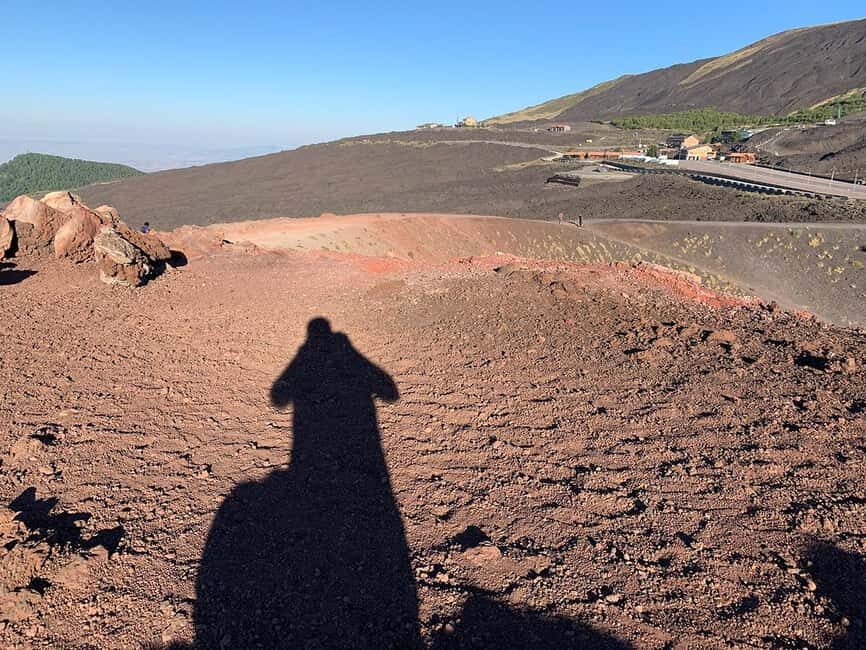
Book it if you want a tight, high-impact Etna day that includes the places you care about: Silvestri Craters, a lava cave, and Valle del Bove, plus a tasting break that connects the mountain to local life in Zafferana Etnea. The private-group feel is a bonus if you don’t want to rush or get stuck in a big crowd.
Skip it (or choose a different format) if mobility is an issue or if respiratory concerns make hiking at altitude a bad idea. And if you hate walking on uneven ground, remember: this is built around the volcano on foot.
FAQ
How long is the Mount Etna morning tour from Catania?
The tour duration is 4.5 hours.
Where does the tour start and finish?
It starts at Pasticceria Savia and returns to the same meeting point.
What are the main stops during the tour?
You’ll visit Silvestri Craters, then Valle del Bove, with a stop in Zafferana Etnea for tasting. The route also includes going into a lava flow cave.
Do you reach a specific altitude on this tour?
Yes. The tour includes climbing to around 2000 meters, including reaching Rifugio Sapienza at about 2000 meters.
Is there wine or food tasting on the tour?
Yes. In Zafferana Etnea, you’ll have wine tasting and food tasting for about 40 minutes. The tour also includes tasting local products like honey and wine.
What should I bring, and what rules apply?
Bring comfortable shoes, a camera, snacks, water, and a jacket. Rules include no smoking, no littering, and no touching plants.
Is this tour private, what language is offered, and is it suitable for everyone?
It’s a private group tour with guides speaking English and Italian. It’s not suitable for people with mobility impairments or for people with respiratory issues. Booking is flexible with free cancellation up to 24 hours in advance for a full refund, and you can reserve now & pay later.