REVIEW · BAROQUE TOWNS OF SICILY
From Catania: Syracuse, Ortygia, and Noto Tour
Book on GetYourGuide →Operated by Tourist Dream · Bookable on GetYourGuide
Three Sicilian stops, one long day. I like the Neapolis Greek and Roman ruins for real time-warping scale, and I love how Noto turns Sicilian Baroque into something you can actually walk through. One watch-out: this trip can feel more like driver-and-audio than a live guided tour, and the timing for Neapolis can be tight if the park hours don’t line up.
You’re riding in an air-conditioned van and getting an audio guide in several languages, which is great when you want context without a loud bus microphone. The driver is listed as English and Italian, but some days may still feel language-limited in practice.
You start in the center of Catania at Duomo square, then you’re dropped into three different worlds: Syracuse’s archaeology, Ortygia’s myths and fortifications, and Noto’s Baroque showpiece streets. If you plan your shoes and your expectations, it’s a satisfying Sicilian day.
In This Review
- Key points at a glance
- From Duomo Square to Syracuse: how the day starts
- Neapolis Archaeological Park: Greek theater, Roman amphitheater, and stone quarries
- Ortygia by foot: myths, Arethusa, Piazza Duomo, and fortified walls
- Noto: your Baroque walking route through a UNESCO town
- Audio guide reality check: when it helps, and when it doesn’t
- Timing and tickets: the small things that decide the big day
- Practical comfort tips (that you’ll thank yourself for later)
- Who this tour fits best (and who should look elsewhere)
- Final call: should you book from Catania?
- FAQ
- Where do you meet for the Catania to Syracuse, Ortygia, and Noto tour?
- How long is the tour?
- What languages are available for the audio guide?
- What places are included on the tour?
- Do I need tickets for Neapolis Archaeological Park?
- Is the driver bilingual in English?
- Is the tour wheelchair accessible?
- What should I bring?
- Are alcohol or drugs allowed on the tour?
Key points at a glance
- Neapolis Archaeological Park: Big sights like the Greek theater and Roman Amphitheater, plus stone quarries
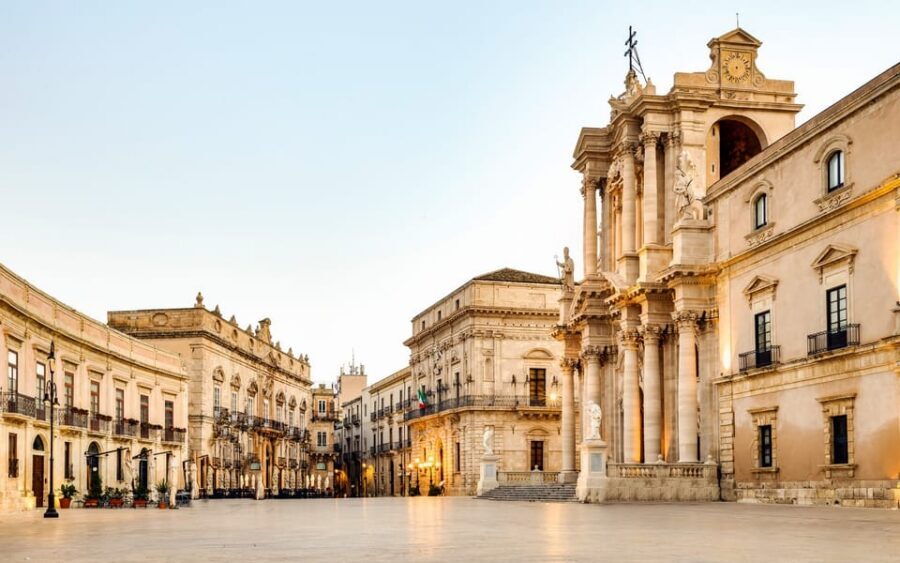
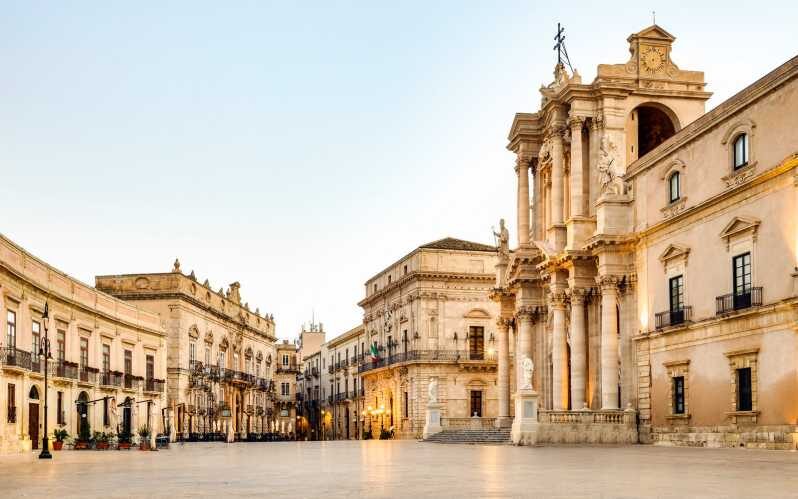
- Ortygia on foot: Arethusa, Piazza Duomo, fortress walls, and Baroque churches and palaces
- Noto’s Sicilian Baroque: Fountain stops and famous palazzo names in a UNESCO-listed town
- Audio guide included: Multiple languages (including English), for bite-sized historical context
- Time is the real variable: The Neapolis window can be short, and entry timing matters
From Duomo Square to Syracuse: how the day starts
This tour begins in central Catania at Duomo square. That’s helpful because you’re not trying to meet at some remote roadside pull-off. Once you’re in the air-conditioned van, you can just settle in and let the day unfold.
The overall rhythm is simple: drive to the next place, then explore on your own while audio guidance provides context. This works best if you’re the type who likes to wander, pause for photos, and then move on when you’re satisfied. If you expect a full, stop-by-stop live narrative from a speaking guide, you may feel let down.
Also, do yourself a favor with logistics: wear comfortable shoes and plan for walking on uneven, historic surfaces. This is a day trip built around old stone towns and archaeological sites, not museum floors.
Other Syracuse, Ortigia and Noto tours from Catania we've reviewed in Catania
Neapolis Archaeological Park: Greek theater, Roman amphitheater, and stone quarries
Neapolis Archaeological Park in Syracuse is the big “wow” layer of the trip. You get to see the Greek theater, the Roman Amphitheater, and stone quarries that hint at how this city was built. Standing where performances once faced thousands of people is one of those moments that makes history feel physical.
Here’s what matters for your enjoyment: time. The park is large, and it takes effort to move between the major ruins without rushing. Even when entry works smoothly, one-hour-ish sightseeing can feel like a sprint. You’ll probably focus on the headline structures rather than trying to “cover” everything.
A practical note from real-world issues: the park hours can mess with the plan. If your arrival lines up poorly with closing time, you might not get the access you expected. In at least one situation, the response was a substitute stop—catacombs—where entry also depended on set times and a guided format. So if Neapolis is your priority, arrive with the mindset that you’re seeing key highlights, not everything.
What I like about this stop is that it gives you a sense of continuity. Greek forms, then Roman scale, then the leftover evidence of how the stone itself supported the city. The ruins aren’t just pretty—they show how power and culture changed over time.
Ortygia by foot: myths, Arethusa, Piazza Duomo, and fortified walls
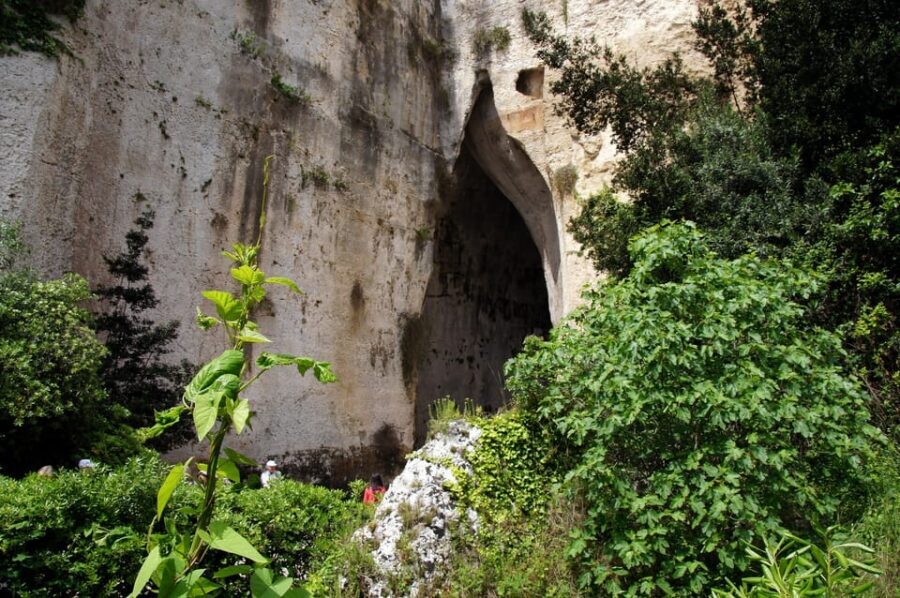
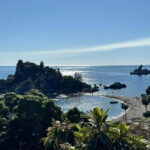
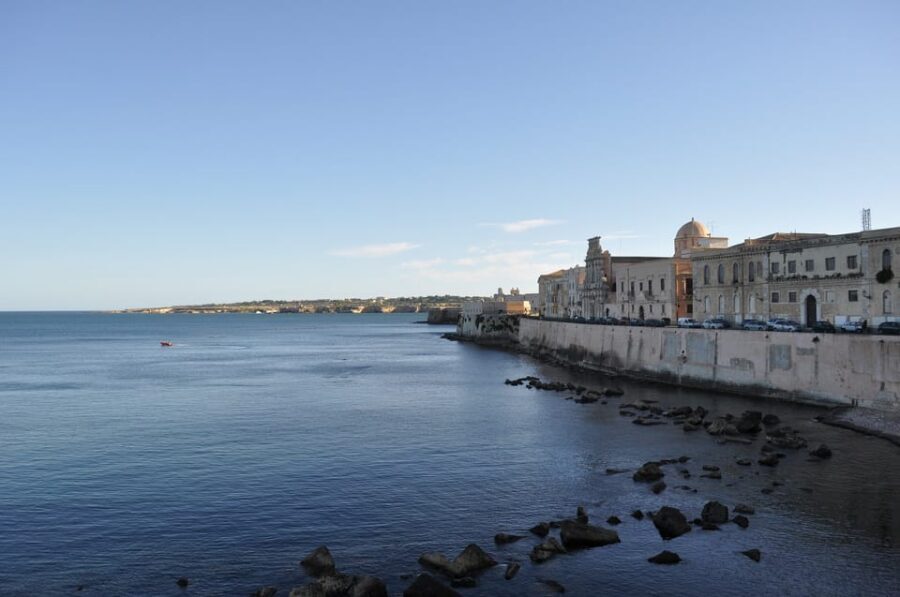
After the archaeology, the tour shifts gears to Ortygia, the fortified island core of Syracuse. This is where the day turns more stroll-friendly and story-driven.
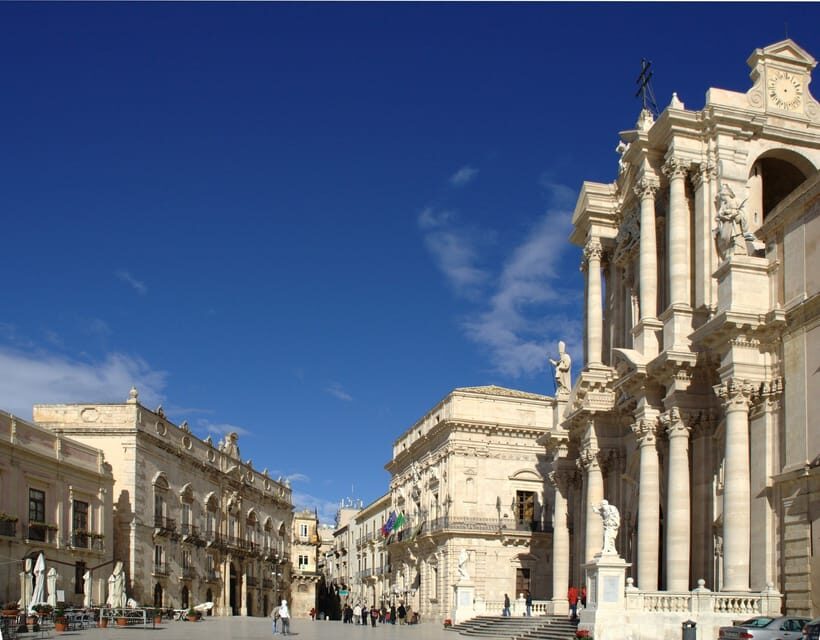
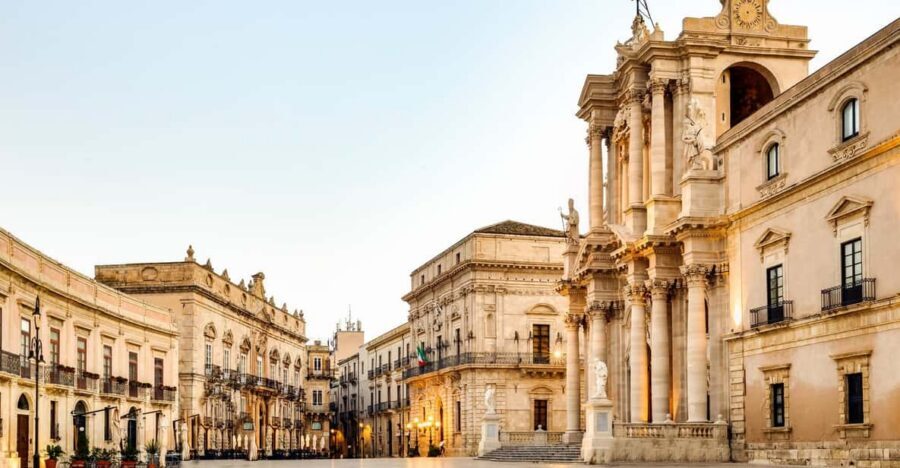
Ortygia is the kind of place where you can get your bearings fast: you walk through small lanes, you spot church facades and palaces, and you gradually notice how the landscape and walls shape the city. The itinerary points out a set of highlights you can aim for, including the mythical Fountain of Arethusa, Piazza Duomo, and fortress walls.
The Fountain of Arethusa is the sort of stop that works well with an audio guide. Even if you’re not a myth-obsessed person, having the background makes the water feature feel connected to the wider cultural idea of Syracuse. And Piazza Duomo acts like a natural hub for orientation, so you don’t feel like you’re wandering into the void.
One thing I value here: you get time to manage your own pace. Some tours shove you along. This one gives you space to stop where something catches your eye—especially at the Baroque churches and palaces. If you’re the photo type, Ortygia rewards you. If you’re not, it still works, because the streets and facades do the storytelling without requiring you to memorize a lecture.
Noto: your Baroque walking route through a UNESCO town
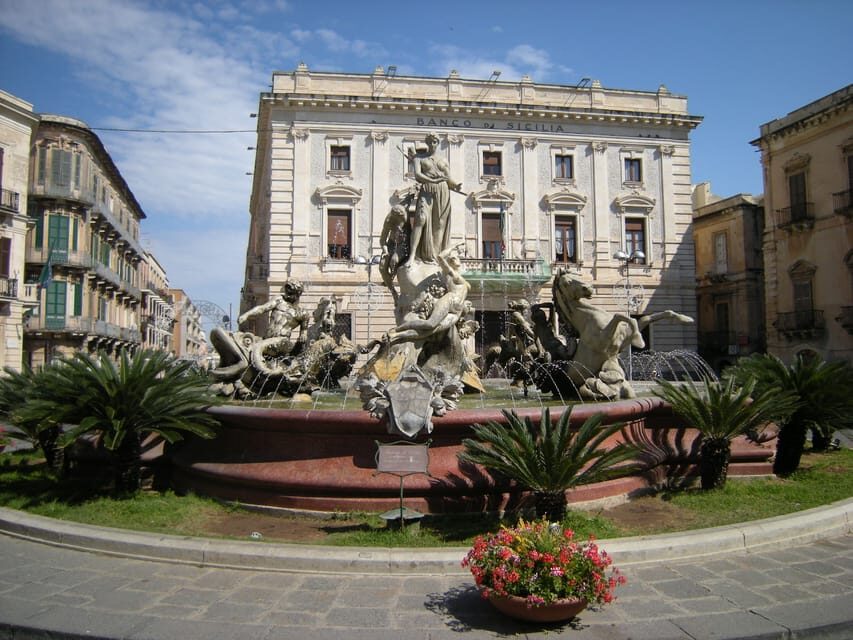
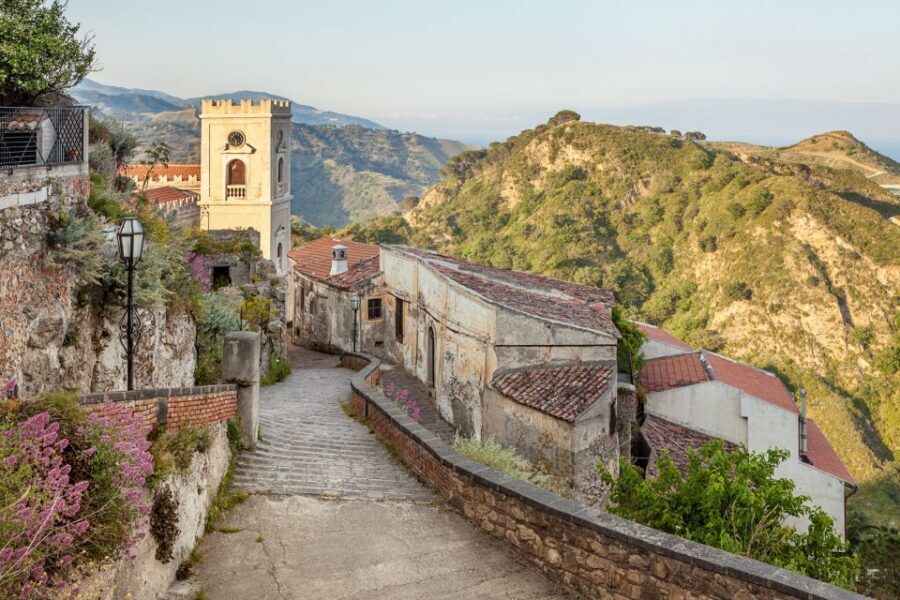
Noto is the third stop, and it’s a different kind of satisfaction. If Ortygia is a maze of layers, Noto feels like a planned stage for Sicilian Baroque. This is one of those towns where the architecture is the main attraction, and walking is the point.
The tour includes time to explore with sights such as the Fountain of Hercules and notable palazzo names like Palazzo Astuto and Palazzo Trigona Cannicarao. That’s useful because you’re not just wandering without targets. You can pick a few anchors and let the rest unfold around them.
What makes Noto worth your attention is the way Baroque here feels local, not copied. The churches and palaces don’t read as generic “old Europe.” They look like Sicily—more dramatic in form, tuned to sunlight, and built for street-level viewing.
Also, you get free time, which matters. You can spend longer on the details that grab you, then move on before the light changes or your feet protest. If you time your walking well, Noto can feel like the reward at the end of a long day.
Audio guide reality check: when it helps, and when it doesn’t
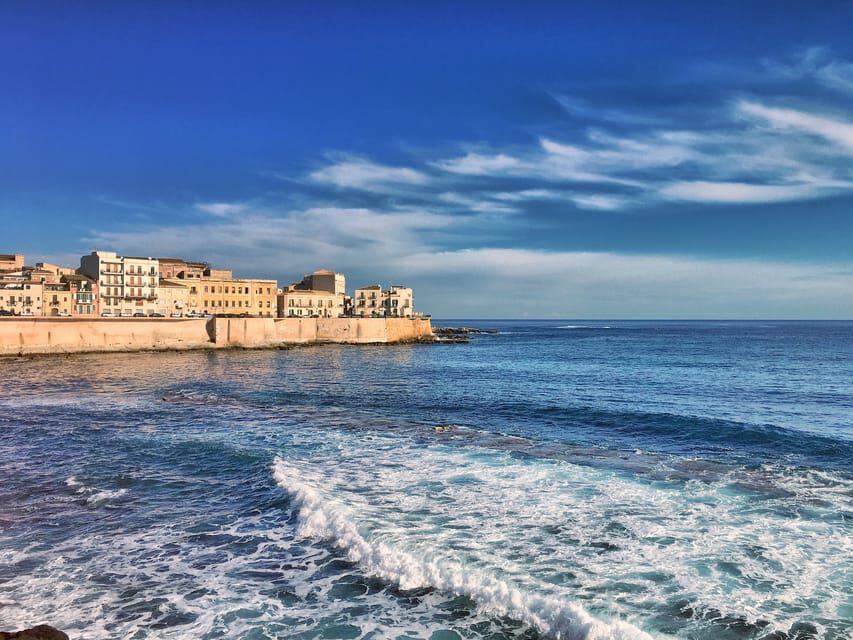
Audio guides can be a great compromise. You avoid the crowd-pressure of a live guide rushing you forward, and you get context at your pace. The good news here: audio is included, with language options such as English, French, German, Russian, Spanish, and Italian.
But here’s the real-world catch: the trip includes a driver, and some experiences are more driver-supported than guide-led. In other words, you may not get the extra narration you’re picturing. There are examples where the person driving handled logistics and directional pointers without speaking English well, even if they were polite and helpful.
There’s also an operational side: when arrival timing doesn’t match site schedules, you may lose access and end up with a replacement idea that doesn’t fully match what you planned. Even when a substitute exists, it can still depend on fixed times and sometimes a guide-led format.
So I’d frame it like this: plan to enjoy the places first, and treat the audio as a helpful layer, not the main engine of the tour. If you want a live, fluent, stop-by-stop explanation, choose a tour that clearly centers a licensed guide for the whole route.
Other Baroque town tours of Sicily we've reviewed in Catania





Timing and tickets: the small things that decide the big day
This trip is 9 hours, which sounds neat on paper. In practice, it’s one of those schedules where every minute matters. The van ride is comfortable, but your day still depends on how quickly you can move from stop to stop.
For Neapolis, you’re expected to purchase tickets to enter and admire the ruins. That means you should expect a short ticketing and entry rhythm before you start seeing the Greek theater and amphitheater viewpoints. If you’re arriving near closing time, you may lose the chance to see everything even if you’re physically present.
My advice:
- Keep some flexibility in your internal plan. Decide ahead of time what you want most at each stop (Neapolis headlines, Ortygia myths + Piazza Duomo, Noto Baroque anchors).
- Bring water. Even if the van ride is air-conditioned, walking in Sicily can add up fast.
- Use comfortable shoes and clothes you don’t mind getting dusty or warm.
If you’re the kind of person who hates time pressure, this tour can still work—just don’t expect a slow, museum-like pace.
Practical comfort tips (that you’ll thank yourself for later)
The essentials are listed clearly, and you should treat them like real checklist items: passport or ID card, comfortable shoes, water, credit card, cash, comfortable clothes, and a packed lunch.
A packed lunch tip: this is a long day with multiple walking zones. If you only rely on quick snacks, you might end up paying more or eating when you’re already tired. A simple lunch keeps you from making rushed decisions.
What about mobility? The information includes wheelchair accessibility, but it also states it’s not suitable for people with mobility impairments. That conflict is a signal to check before booking. If walking and uneven stone are hard for you, ask directly about step-free access, restroom stops, and how much walking is expected at each site.
Lastly, no alcohol and drugs, and no alcoholic drinks in the vehicle. That’s normal for shared-day tours, but it’s good to know so you’re not surprised if you were thinking of bringing a drink for the ride.
Who this tour fits best (and who should look elsewhere)
This tour is a strong match if you want:
- Three major Sicilian highlights in one day without planning transport yourself
- A flexible walking pace in Ortygia and Noto
- Historical context through an audio guide, not a full live lecture
It’s less ideal if you:
- Expect a fluent English-speaking live guide throughout each stop
- Want guaranteed access to every ruin without worrying about park closing windows
- Have mobility limitations that make uneven walking difficult
In short: it’s a good “transport plus audio plus key stops” day, not a guaranteed guided deep dive.
Final call: should you book from Catania?
If your main goal is to see Neapolis, wander Ortygia, and walk Noto’s Baroque streets within one long day, this tour can be a satisfying value. The format is easy: get in the van, explore each place, use the audio guide for context, and enjoy the fact that everything is close enough to do in a single run.
But if you strongly want a live guide experience in English, or you’re traveling during a time when park hours could be tight, I’d be cautious. In those cases, the tour can feel uneven because access and timing can affect how much you actually get to see.
My rule of thumb: book it if you’re confident you’ll enjoy the sites even with a flexible, audio-led format. Skip it if you need a fully guided, time-perfect experience.
FAQ
Where do you meet for the Catania to Syracuse, Ortygia, and Noto tour?
You meet your driver in Duomo square in the center of Catania.
How long is the tour?
The duration is 9 hours.
What languages are available for the audio guide?
The audio guide is included and offered in French, German, Italian, Russian, Spanish, and English.
What places are included on the tour?
The stops are Neapolis Archaeological Park in Syracuse, the historical old town of Ortygia, and the UNESCO World Heritage town of Noto.
Do I need tickets for Neapolis Archaeological Park?
Yes. You purchase tickets to admire the Greek theater, Roman Amphitheater, and the stone quarries at Neapolis.
Is the driver bilingual in English?
The driver is listed as English and Italian, but experiences can vary depending on the day and communication at each stop.
Is the tour wheelchair accessible?
The information includes wheelchair accessibility, but it also says it is not suitable for people with mobility impairments. Check directly with the provider before booking.
What should I bring?
Bring a passport or ID card, comfortable shoes and clothes, credit card, cash, water, and a packed lunch.
Are alcohol or drugs allowed on the tour?
No. Alcohol and drugs are not allowed, and alcoholic drinks are not allowed in the vehicle.