REVIEW · BAROQUE TOWNS OF SICILY
Noto, Modica and Ragusa: The Baroque Tour from Catania
Book on GetYourGuide →Operated by Sicily Grand Tour · Bookable on GetYourGuide
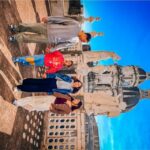
Baroque towns, one long day, and real breathing room. I loved how the route strings together Noto’s rebuilt stonework, Modica’s chocolate stop, and Ragusa’s UNESCO cathedrals without feeling like you’re sprinting between boxes. I also liked the small-group setup (up to 8 people), which makes it easier to hear the stories and get good photo angles.
One caution: the day is only 8 hours total, so each town has a set amount of guided time and you’ll still be choosing what to see instead of wandering all day.
In This Review
- Key Things I’d Plan Around
- Why This Baroque Day Trip From Catania Actually Works
- The Catania Pickup and the Van Ride That Sets the Tone
- Noto: The Rebuilt Garden of Stone After 1693
- Modica Stop: Old Chocolate Tradition and Important Town Sights
- Ragusa: UNESCO Late Baroque in Ibla-Style Focus
- The Guides and the Driving: The Real Secret to a Great Day
- Pace, Time Limits, and How to Make the Most of 8 Hours
- Price and Value: What $124.61 Really Buys You
- Practical Tips: Rain, Shoes, and Where You’ll Spend Your Energy
- Should You Book This Baroque Tour From Catania?
- FAQ
- How long is the Noto, Modica and Ragusa Baroque tour?
- What are the main stops on this tour?
- Where is pickup offered?
- Is it a small group tour?
- What languages will I hear on the tour?
- Does the price include transportation?
- Are meals included?
- Are entrance tickets included for sights?
- What if the weather is bad?
Key Things I’d Plan Around
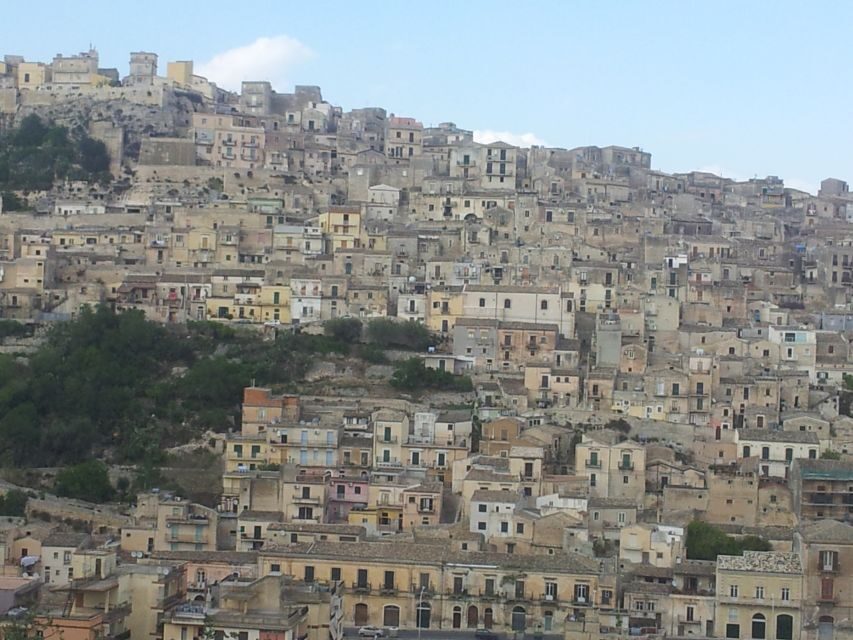
- Small group, not a crowd: up to 8 people means more time with your driver-guide, less waiting.
- The right kind of car time: enough van transfer to see countryside, not enough to make it dull.
- Noto’s post-1693 rebuild is the theme: you’ll see how the earthquake reshaped the look of the town.
- Modica’s chocolate stop is the practical highlight: snack now, sightseeing after.
- Ragusa is a late-Baroque showcase: plan for palaces, church facades, and photogenic streets.
- Guides help you photograph: the best part is where they park and what they point out.
Why This Baroque Day Trip From Catania Actually Works
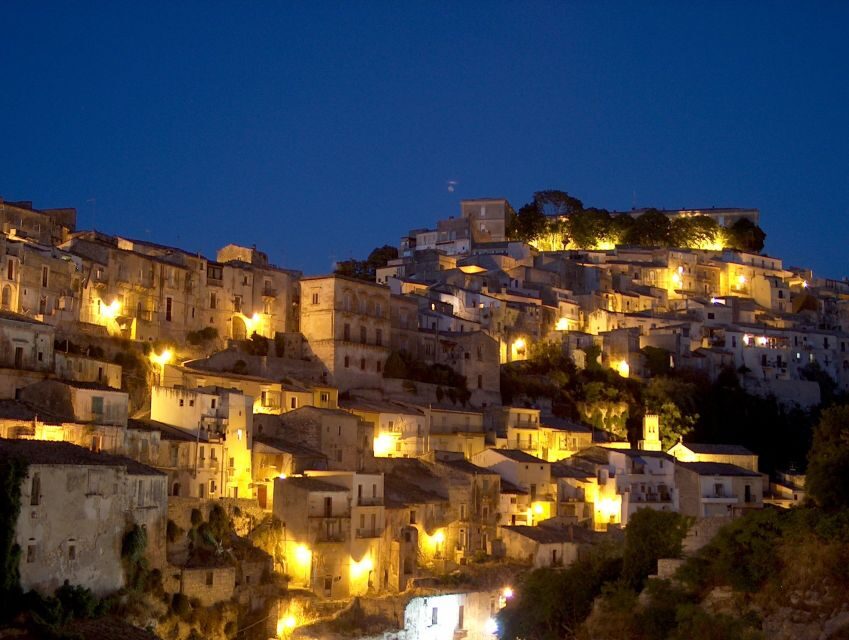
This tour is built for people who want the late Baroque look without the hassle of renting a car, figuring out parking, and hoping your timing lines up. You’re doing three towns in one day—Noto, Modica, and Ragusa—and you’re not just getting a bus-drop tour of facades. You get context for what you’re seeing.
I also appreciate the pacing style. Even when the day runs long, it’s organized enough that you can relax on the road and then roam on foot when you arrive. The vibe is: move with purpose, stop for real seeing, then move again.
Other Syracuse, Ortigia and Noto tours from Catania we've reviewed in Catania
The Catania Pickup and the Van Ride That Sets the Tone
Pickup is straightforward if you’re staying in Catania territory. You can get picked up at your accommodation (or from a port of call), and if your hotel is in a pedestrian or street-market area, you’ll meet at a convenient spot nearby.
Aces for this kind of trip: you’ll have an air-conditioned car or minivan with a driver-guide who handles the driving. Sicily traffic can be lively, and having a confident driver matters when you’re doing back-to-back towns. The route also includes built-in travel time, including about 75 minutes on the first van stretch, so you’re not just cooped up the whole day.
Noto: The Rebuilt Garden of Stone After 1693
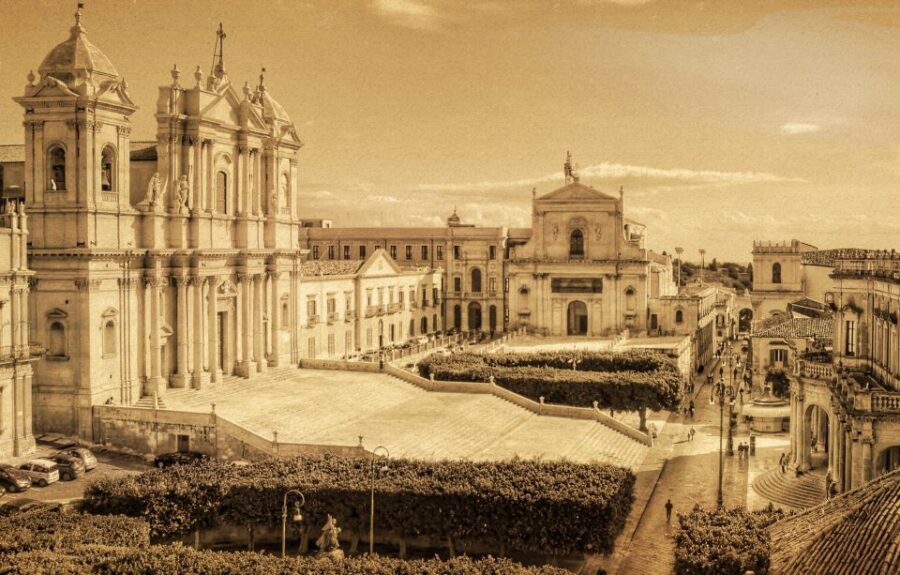
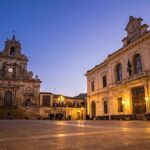
Noto is the first big “wow,” and it earns it. The town is known for its late Baroque heritage, and the story behind it is dramatic: after the devastating 1693 earthquake, Noto was rebuilt on Meti Hill. When you walk the streets, you’re looking at the result of that rebuild.
You’ll get a guided tour time slot (about 1.5 hours), which is enough to understand the main features without rushing past everything. Expect baroque church facades and town details that look crafted to catch light and attention. If you’ve ever seen Noto in photos, this is where your brain starts matching the images to real streets.
A small practical note: Noto is compact enough to explore on foot, but you’ll still want comfortable shoes. You’ll be walking and looking upward a lot.
Modica Stop: Old Chocolate Tradition and Important Town Sights
Modica is where the day gets delicious. You’ll stop at the oldest chocolate factory in Sicily, and you’ll have a break plus guided time (about 1.5 hours total at Modica, with sightseeing and time to enjoy the town).
The chocolate stop isn’t just a random snack; it fits Modica’s identity. Dry chocolate here has a long local tradition, and it’s a nice reset between towns. Even if you don’t consider yourself a chocolate person, it’s a local food moment that anchors the stop in something everyday, not just architectural.
During the guided portion, you’ll also see some of Modica’s key sights, including the cathedrals of San Giorgio and San Pietro, plus palaces such as Palazzo Polara and Palazzo Napolino-Tommasi Rosso. That helps you connect the chocolate stop to the bigger picture: Modica isn’t only about food, and it isn’t only about churches. It’s a whole town with a historic layout.
One drawback to plan around: Modica can have uneven conditions depending on the day. If it rains, your sightseeing rhythm changes, and you may find yourself spending more time regrouping indoors or around stops with shelter. You’ll still get time to explore, just expect weather to affect your feet.
Ragusa: UNESCO Late Baroque in Ibla-Style Focus
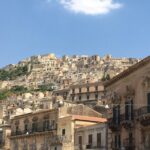
Ragusa is the final highlight, and it’s the one that rewards you for slowing down for close details. Ragusa was added to UNESCO World Heritage in 2002 specifically for monuments of the late Baroque period. Translation: this is a showcase town for this architectural style, not a random stop.
You’ll have about 1.5 hours with a guided visit. That’s usually the sweet spot for spotting patterns—how churches, palaces, and street views work together—and then wandering a bit on your own.
What you’ll look for: Baroque cathedrals and palaces, plus the way the town’s layout frames views. Ragusa’s charm is partly the architecture and partly the feeling that you’re walking through a designed stage set. If your guide points out viewpoints (and the good ones do), you can get that “oh, I get it now” moment when the town makes sense as a whole.
Other Baroque town tours of Sicily we've reviewed in Catania


The Guides and the Driving: The Real Secret to a Great Day
This tour rises or falls on the driver-guide. The strong pattern across this experience is safe, confident driving paired with real story time. People mention guides like Carmelo, Alessio, and Rustian by name, and those details matter.
The most praised element: you don’t feel herded. The best guides use the car time for context, then park close enough that you can take architectural photos without playing a game of catch-up. Several guides are also described as helping with practical needs—doors opened, safe driving in rain, and checks for toilet breaks and drinks before the next stop.
You’ll also likely get photo assistance. Some guides will pull you into spots for city views, and they’ll help with angles in front of major facades. It’s a small touch, but it changes what you bring home.
If you’re the type who likes asking questions, this is another reason the small group format matters. With up to 8 people, you’re not talking to a wall of strangers while your guide tries to keep everyone moving.
Pace, Time Limits, and How to Make the Most of 8 Hours
Let’s be honest: 8 hours for three Baroque towns is a “one-day greatest hits” plan. Each town is given guided time—Noto, Modica, and Ragusa each get about 1.5 hours—but your freedom is in what you do during those windows.
Here’s how to get the best result:
- Pick one or two photo priorities per town: a cathedral facade, a palace exterior, or a viewpoint.
- Use the guided portion to learn the story, then switch gears during your own walking time.
- Don’t try to do everything inside every street corner. The town will always offer more.
One note on feedback: a few people feel the time in Noto or Ragusa could be longer, or that the experience can tilt toward transport rather than deep architecture lessons. That’s not “bad” so much as it’s the reality of a three-town day trip. If you want slow, museum-style immersion, you’d probably choose a longer, single-city tour instead.
Price and Value: What $124.61 Really Buys You
At $124.61 per person, you’re paying for a day that combines transport, guiding, and logistics. This price isn’t just “getting from A to B.” It includes pickup and drop-off at your accommodation or port of call (within Catania territory), plus transportation by air-conditioned car or minivan, and parking fees and tolls.
It also includes an English-speaking driver-guide. If you’ve ever tried to pull this route off on your own, the hidden costs show up fast: time driving, stress with parking, and the cost of guided interpretation if you want it.
What’s not included matters for your budget:
- Meals
- Tickets
So you’ll likely spend extra in Modica (lunch and snacks are the obvious place), and you might find some sights have ticketed interiors. If your plan is to see mainly from the outside and enjoy guided explanations, the cost stays manageable. If you want interior access everywhere, budget a bit more.
Practical Tips: Rain, Shoes, and Where You’ll Spend Your Energy
This is a practical walking day with a lot of upward-looking sightseeing. You’re dealing with churches, palaces, and stone streets, so come ready.
- Bring an umbrella or wear a cap/hat. Rain shows up, and it can slow you down and change where you can comfortably stop.
- Wear shoes with grip. You’ll do a fair amount of walking and stopping.
- If you’re picky about photos, aim for the time windows when light is best—your guide may suggest viewpoints, but you can also manage your own timing by watching the sky.
- Stay hydrated. One guide style mentioned includes making sure you have a drink opportunity and a toilet stop before the next leg.
Also, keep in mind how pickup works. You’ll be picked up at your hotel unless it’s in a pedestrian or street-market zone, in which case the meeting point shifts. If you’re staying close to a historic center, double-check where you’ll be told to meet.
Should You Book This Baroque Tour From Catania?
Book it if you want a smart, low-stress way to experience late Baroque Sicily in one day. It’s especially good if you don’t want the driving headache and you value having a guide connect what you’re seeing—Noto’s 1693 rebuild story, Modica’s chocolate tradition and key churches, and Ragusa’s UNESCO late-Baroque monuments—into one coherent route.
Skip it (or look for a longer alternative) if you need lots of free time per town, or if you’re the type who wants deep, slow architecture study without time pressure. The structure works best for a “see the highlights, then roam with purpose” traveler.
If you like small groups, good driving, and photo-friendly stops, this is the kind of day that can turn a quick itinerary into a strong memory.
FAQ
How long is the Noto, Modica and Ragusa Baroque tour?
The tour lasts 8 hours.
What are the main stops on this tour?
You visit Noto, Modica, and Ragusa.
Where is pickup offered?
Pickup is included at your accommodation or port of call in Catania territory. If you’re outside Catania, pickup is on demand and may cost extra depending on transport options.
Is it a small group tour?
Yes. It’s limited to 8 participants.
What languages will I hear on the tour?
The live guide is offered in Spanish, English, and Italian.
Does the price include transportation?
Yes. Transportation by air-conditioned car or minivan is included, along with gas, parking fees, and tolls.
Are meals included?
No. Meals are not included.
Are entrance tickets included for sights?
No. Tickets are not included.
What if the weather is bad?
Activities are subject to cancellation due to weather conditions, and you can cancel up to 24 hours in advance for a full refund.