REVIEW · GODFATHER FILMING LOCATIONS
Montalbano tour
Book on Viator →Operated by Tourist Service · Bookable on Viator
Baroque towns and Montalbano spots, fast. This 8-hour Montalbano tour from Catania rides in an air-conditioned vehicle and lets you spend about an hour in each star stop—Modica, Punta Secca, Scicli, and Ragusa Ibla—without juggling buses or directions. I love the UNESCO Val di Noto Baroque feel in Scicli and Ragusa Ibla, and I love how Modica’s chocolate culture adds a real-food connection to the whole vibe. One catch: it can feel more like transportation with a set audio than a hands-on, interactive guide.
This is a solid small-group day with a maximum of 24 people, and you start at Via Vittorio Emanuele II, 188 in Catania at 9:00 am. The tour ends back at the same meeting point, so you’re not stuck figuring out the return late in the day.
Before you go, I’d plan for winding roads and quick walks. If you’re prone to motion sickness, take your precautions—some routes in this part of Sicily involve plenty of turns.
In This Review
- Key things to know before you ride
- Why this Montalbano route works for a day trip from Catania
- The timing: 9:00 am start and tight 1-hour stops
- Modica: baroque corners and the Aztec-derived chocolate moment
- Punta Secca: coastal Montalbano scenery on the Mediterranean
- Scicli: UNESCO Baroque streets with a manageable walking loop
- Ragusa Ibla: over fifty churches and San Giorgio on the hill
- Transportation reality: air-conditioned van, but not a full guided lecture
- Price and value: what $127.45 buys you (and what it doesn’t)
- Who should book this Montalbano tour from Catania
- Should you book this Montalbano tour or skip it?
- FAQ
- Where does the Montalbano tour start in Catania?
- What time does the tour begin?
- How long is the tour?
- What’s included in the price?
- Are museum tickets included?
- How many people are in the group?
- Is the tour suitable for most people?
- Is public transportation nearby?
- Do I get confirmation after booking?
- Can I cancel for a full refund?
Key things to know before you ride
- Four town stops, one-hour walking windows: Modica, Punta Secca, Scicli, and Ragusa Ibla.
- Series-friendly scenery in Punta Secca: a coastal village tied to Il Commissario Montalbano.
- UNESCO-linked Baroque in Scicli and Ragusa Ibla: the Val di Noto cities you came to see.
- Comfort on a long day: air-conditioned van plus a small max group size of 24.
- Admission is listed as free for the stops: extra museums and monuments can cost more.
- Road twists mean motion sickness might be an issue: consider Dramamine if needed.
Why this Montalbano route works for a day trip from Catania
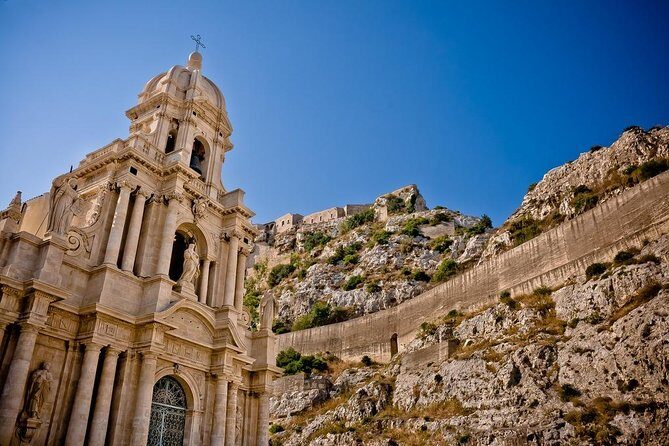
If you want a single Sicily day that checks boxes fast—coastal scenes, Baroque hill towns, and a clear link to Il Commissario Montalbano—this route makes sense. You’re not spending your energy on transfers. You’re using the van time to move between places, then spending your energy where it counts: walking streets and looking up at the architecture.
The strongest pull is the pairing of Val di Noto Baroque towns with Montalbano geography. Scicli and Ragusa Ibla are known for their Baroque look, while Punta Secca is the seaside stop that fans tend to circle first. Then Modica adds a food reason to slow down for a bit, not just snap photos.
Other Godfather filming location tours we've reviewed in Catania
The timing: 9:00 am start and tight 1-hour stops
The tour runs about 8 hours total, starting at 9:00 am. That means you’ll move through each area with a similar rhythm: park, get out, see the main sights, then head back to the van.
That structure is both a plus and a limitation. It’s a plus because you’re likely to cover all the headline locations in one day. It’s a limitation because you can’t wander slowly for hours in any one place.
If you’re the type of traveler who wants to sit in a café for a long, unhurried stretch, you’ll need to choose where to “spend” your time. I’d pick one stop to go a little deeper—either Modica for chocolate and historic lanes, or Ragusa Ibla for the hilltop church-and-palace vibe.
Also, plan your expectations around the “guide” style. The experience is built around scheduled stops, and you shouldn’t expect a back-and-forth conversation as the main feature. If you want lots of direct Q&A, you might feel underfed.
Modica: baroque corners and the Aztec-derived chocolate moment
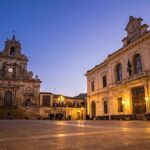
Modica is the kind of town where you can feel layers of time without needing a museum ticket. The city is described as having Neolithic origins and a long arc as the capital of an ancient county—so even when you’re just walking, there’s a sense you’re in a place with weight.
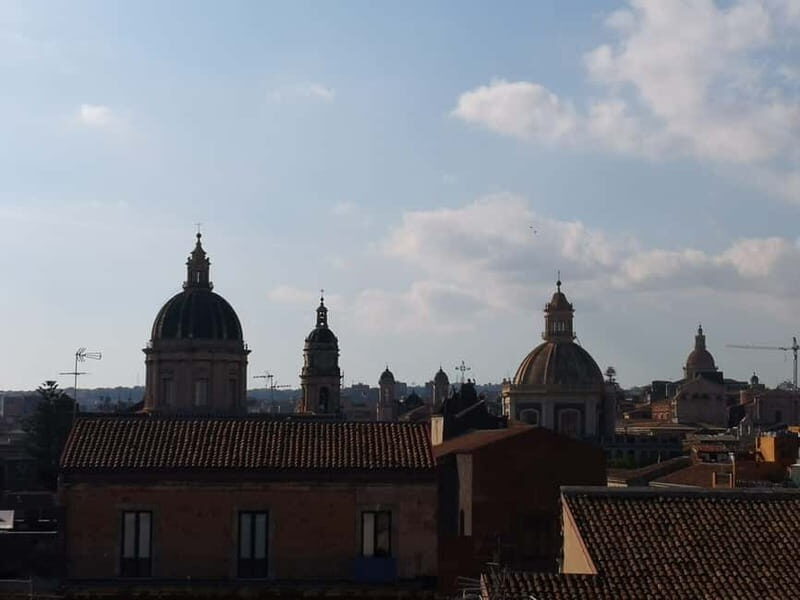
What you’ll notice quickly is the Baroque city look that made Modica part of the Val di Noto story. In a one-hour window, your goal is to get your bearings and enjoy the street geometry: the way the buildings rise, the way corners frame views, and the feeling of a historic center built to be explored on foot.
Then there’s the practical reason people talk about Modica: the typical Aztec-derived chocolate. That’s not just a trivia line. It’s a real local identity, and it gives you something to do besides “look and leave.” If you’re a chocolate person, you’ll probably want to spend a few minutes finding a shop and buying something to bring home.
If your one-hour stop feels short, you still might fit an extra experience. One person highlighted the Trenino Barocco—a 45-minute glass-topped train that loops around upper and lower Modica for about €5. It’s the kind of option that can help you cover more ground quickly, as long as timing works with your departure.
Potential drawback at this stop: one hour can disappear fast if you get pulled into tasting, photo stops, or walking “the pretty way.” If you want chocolate and architecture, keep an eye on the clock.
Punta Secca: coastal Montalbano scenery on the Mediterranean
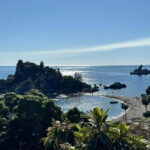
Punta Secca is the seaside village stop that brings the story-world to life. It’s described as the most famous seaside village of Santa Croce Camerina, and locally it’s called ’a sicca because of a characteristic cliff running out into the water in front of the east beach.
This is the stop where the mood shifts. You go from hill-town stone to sea air. Even if you’re not a superfan of the show, it’s an easy place to enjoy a slower pace for an hour: a stroll, a few photos, maybe a coffee, then back to the van before your group time is up.
One practical note: if you’re expecting lots of structured sights, this isn’t that kind of stop. The tour gives you about an hour to visit the small village. That’s great for walking and atmosphere, but it won’t turn into a full “guided experience.”
And yes, one hour can feel like too much if your only goal is to see the Montalbano-related viewpoints and you’re ready to move on. For most people it’s the right length for a relaxed break, but if you like dense itineraries, you may wish the stop were shorter.
Quick planning tip: bring something light for shade and sunscreen. Coastal sun can be sneaky, even when there’s a breeze.
Scicli: UNESCO Baroque streets with a manageable walking loop
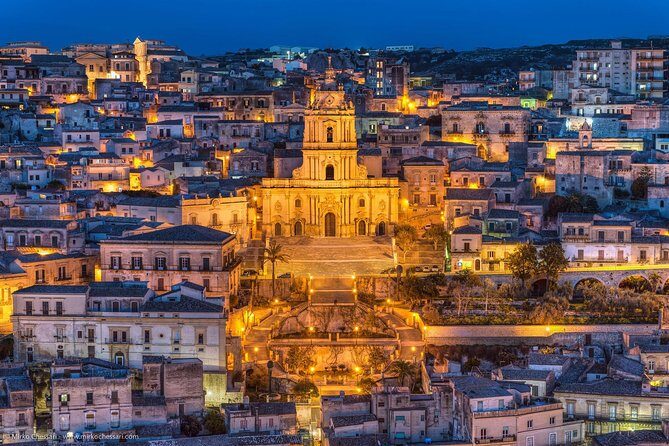
Scicli sits in the south-eastern part of Sicily in the Val di Noto area, about 25 km from Ragusa. It’s known as a Baroque city, and it’s UNESCO-listed as part of the Val di Noto Baroque sites (named in 2002).
In an hour, Scicli is a “walk and look” kind of place. You’ll have time to stroll through Baroque streets and pick up the town’s main visual cues—facades, church-forward views, and the sense that the architecture is the headline.
If you’re a Montalbano fan, Scicli is also a big deal because it appears as part of the show’s on-location world. Even if you don’t watch with a scene-by-scene map, the town’s look makes it easy to mentally connect story locations to real streets.
The best way to use your hour here is simple: start with a calm loop. Don’t sprint to the biggest photo spots first. Walk a block or two, then decide where you want your “save this view” moment.
Potential drawback: you might feel the pressure to cover enough ground because everyone’s time is shared. If you hate rushing, pick one “anchor spot” to revisit on your way back.

Ragusa Ibla: over fifty churches and San Giorgio on the hill
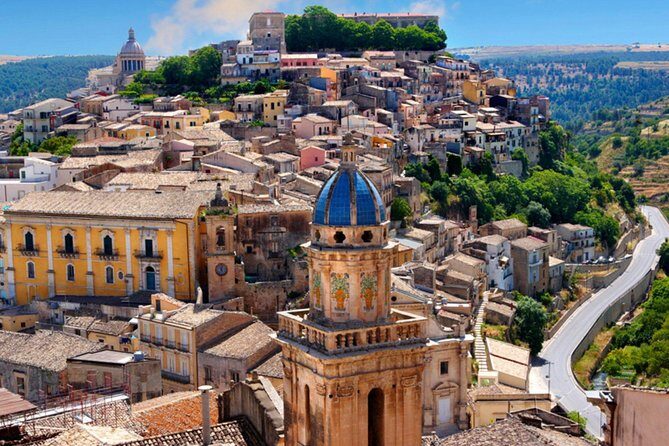
Ragusa Ibla is the ancient historical center of Ragusa, located on a hill that dominates the valley. The town is famous for over fifty churches and numerous palaces—basically, a lot of stonework designed for close viewing.
This is where the Baroque theme feels most intense. The information calls out the Cathedral of San Giorgio as the highest expression of the Hyblean Baroque, and it’s the kind of landmark that gives you an instant “this is why I’m here” feeling.
Ragusa Ibla is also included among the UNESCO Baroque sites of the Val di Noto (named in 2002). That UNESCO tie matters because it explains why the streets and church fronts seem built for viewing from multiple angles—this isn’t random decoration. It’s a whole town design.
With only an hour, I’d focus on two things:
1) Find the main cathedral area and take in the overall hilltop view.
2) Let yourself drift for 20–30 minutes through the narrow lanes, then circle back before time runs out.
Potential drawback: the hilltop layout can mean more walking than you expect. Comfortable shoes matter, and if it’s hot, plan water and shade breaks.
Transportation reality: air-conditioned van, but not a full guided lecture
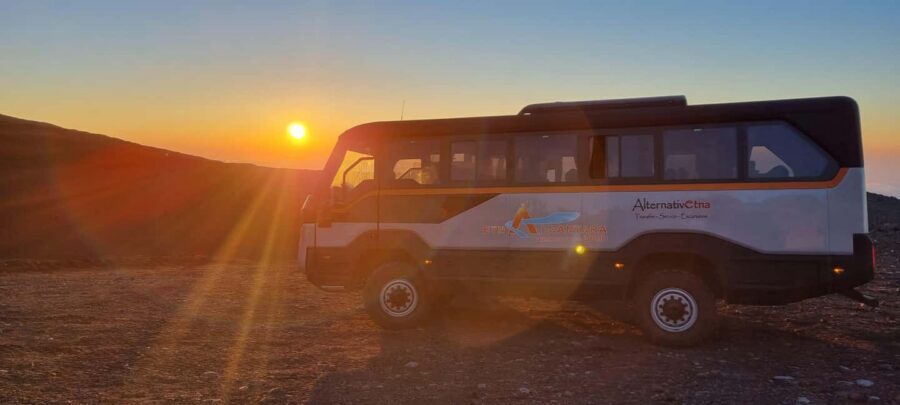
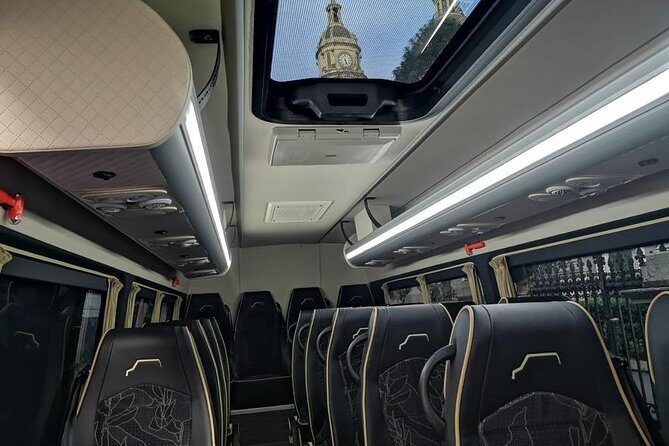
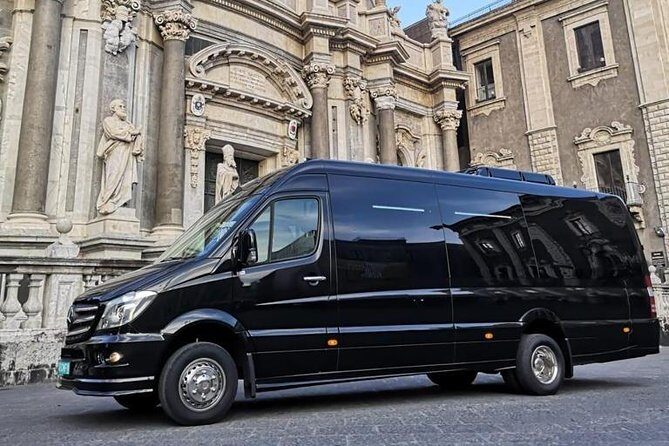
Let’s talk about the van experience honestly. This tour is built around a vehicle and scheduled drop-offs. You will likely hear some form of recorded commentary as you approach stops, but you should not count on the driver acting like a museum guide with live, interactive answers.
That can be fine if your goal is simply to get to the locations, walk them yourself, and enjoy the day at your own pace. It can feel frustrating if you came hoping for deep commentary and personal Q&A.
There’s also the practical driving factor. The roads in southeastern Sicily can include twists and turns, and if you get carsick easily, take steps early. A common suggestion is Dramamine, and I’d take that advice seriously for a day like this where your time outdoors is interspersed with travel.
On the upside, the van has air-conditioning, and that matters. When you’re covering four towns, comfort during transit makes the day feel easier.
Price and value: what $127.45 buys you (and what it doesn’t)
At $127.45 per person, you’re paying mainly for:
- A full day of transport in an air-conditioned vehicle
- A route that covers four major towns connected to both UNESCO Baroque and Il Commissario Montalbano
- Time-managed stop breaks (about an hour each)
You’re not paying for a long, sit-down, museum-style guided program. The itinerary lists admission tickets as free for the stops, which suggests you’re mostly paying for your own optional add-ons rather than entry fees built into the price.
Still, the fine print says paid tickets for museums and/or archaeological sites and monuments aren’t included. So if you decide you want to go beyond street-level viewing—things that require paid admission—you’ll need extra budget.
Is it good value? For many people, yes. This route is the kind of day that’s hard to assemble efficiently on your own if you’re not driving. The tour removes that friction and gets you to multiple places with minimal stress.
If you already plan to hire a driver or you love independent travel with lots of time in each town, you might feel the one-hour limits more than the benefit. This is a “hit the highlights” format.
Who should book this Montalbano tour from Catania
This tour fits best if you:
- Want a one-day circuit through Modica, Punta Secca, Scicli, and Ragusa Ibla
- Like architecture and want to see UNESCO-listed Baroque towns without planning transport
- Are interested in Il Commissario Montalbano locations, especially Punta Secca and the series-linked hill-town look
It might not be the right fit if you:
- Want a truly interactive, live guide experience with lots of back-and-forth
- Prefer long stays in one town rather than short, timed stops
- Are very sensitive to motion sickness and don’t want to deal with winding roads
In other words, this is best for travelers who want momentum, not a slow, deep, lecture-heavy day.
Should you book this Montalbano tour or skip it?
I’d book it if your top priority is covering the key Montalbano and Val di Noto locations in one efficient day from Catania. The combination of UNESCO Baroque towns plus a sea-town break makes the day feel varied, and the air-conditioned van helps you keep energy for walking.
I’d reconsider if you’re the type who needs a guide to unlock context at every stop. Since the format is more transport-and-timing than interactive guiding, you’ll get the most from it if you enjoy exploring on your own once you arrive.
If you go, keep your plan simple: comfortable shoes, water, sun protection, and a short list of what you want most in each town. Then let the rest be enjoyable wandering—because with just an hour, the best moments are often the ones you didn’t schedule.
FAQ
Where does the Montalbano tour start in Catania?
It starts at Via Vittorio Emanuele II, 188, 95028 Catania CT, Italy. The tour also ends back at this same meeting point.
What time does the tour begin?
The start time is 9:00 am.
How long is the tour?
The duration is approximately 8 hours.
What’s included in the price?
The tour includes an air-conditioned vehicle.
Are museum tickets included?
Paid tickets for museums, archaeological sites, and monuments are not included. The listed stops have admission ticket free for the time spent at each stop.
How many people are in the group?
The tour has a maximum of 24 travelers.
Is the tour suitable for most people?
The information says most travelers can participate.
Is public transportation nearby?
Yes, the meeting point is near public transportation.
Do I get confirmation after booking?
Confirmation is received at the time of booking.
Can I cancel for a full refund?
Yes, you can cancel for free up to 24 hours in advance of the experience start time for a full refund.