REVIEW · ETNA CABLE CAR (FUNIVIA)
Mount Etna: Tour to the Summit Craters by Cable Car
Book on GetYourGuide →Operated by Luca Cosma · Bookable on GetYourGuide
Etna feels like walking on another planet. This tour takes you from the Etna South side up toward the summit craters and the edge of the Central Crater, then back down through dramatic lava terrain with 360° views that are hard to forget. Expect a volcanology-focused hike that’s part hiking, part science class, and part movie set made of ash.
The main thing to consider is effort. You’ll be moving at high altitude (climb starts around 2920 meters, with a high point near 3400 meters), so you need good physical condition and a steady pace.
In This Review
- Key highlights before you go
- Etna summit craters: what makes this day worth it
- From Bar Terrazza Dell’Etna to the cable car jump-off
- The climb arc: 2500 meters up to the Central Crater edge
- Lava flows, lateral craters, and walking the volcanic clues
- The Valle del Bove: amphitheater views after the summit descent
- The lava tunnel walk: when Etna gets quieter
- Gear you’ll get, and what you should still bring
- Price and value: what that $62.63 really means
- When Etna changes the plan: weather, risk, and real-world pace
- Languages, meeting points, and what to expect from your guide
- Who this Etna summit tour fits best
- Should you book this Mount Etna summit craters tour?
- FAQ
- How long is the Mount Etna tour to the summit craters?
- What altitude do you reach on this tour?
- Is the cable car included in the price?
- What’s included with the tour price?
- Do I need to speak Italian or French?
- What should I bring with me?
- Who should not take this tour?
- Is cancellation flexible?
Key highlights before you go
- Cable car to 2500 meters to save energy before the real climb
- Edge of the Central Crater around 3400 meters for big-sky views
- Lava flow channel and lateral craters that show how Etna rebuilds itself
- Valle del Bove volcanic amphitheater views after you descend
- Lava tunnel walk for a rare, protected look at volcanic rock
- Gear included like a windbreaker jacket, helmet, and trekking boots
Etna summit craters: what makes this day worth it
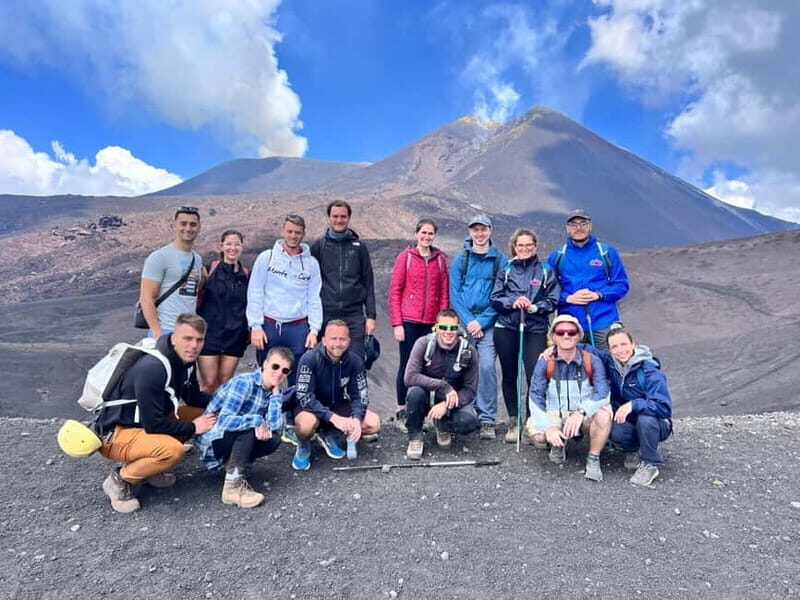
If you’re coming to Sicily for one volcano experience that feels truly different, this is a strong choice. Mount Etna is the highest active volcano in Europe, and this route is built around the kind of terrain that’s almost impossible to see at street level. You don’t just look at it—you walk through it.
What I like is the mix of intensity and context. You get guided time at altitude, plus explanations of what you’re seeing on the ground: craters, lava channels, and older eruption scars. It’s a great format if you want more than photos; you want to understand the place.
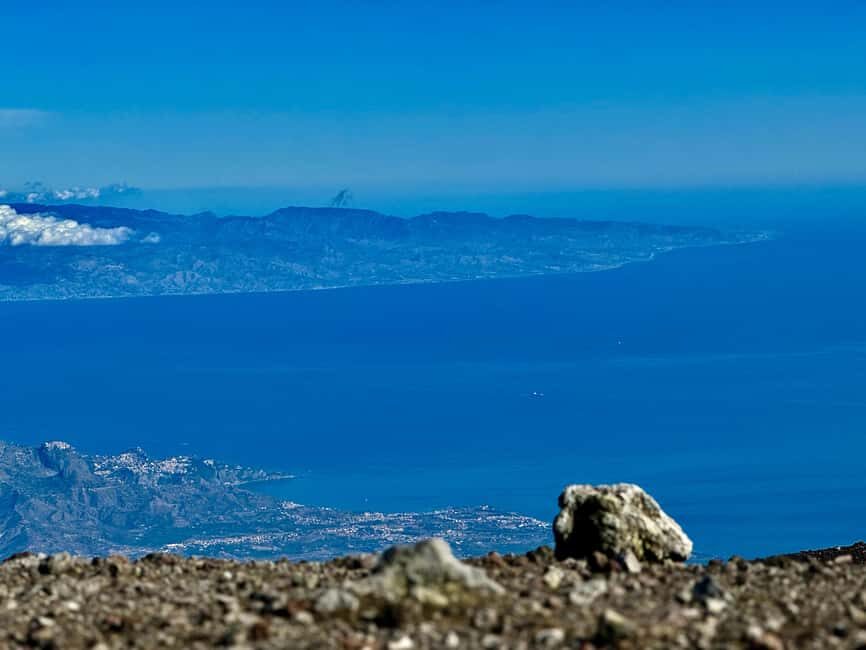
The other big win is that the views are the payoff, not a bonus. When weather allows, you can get wide-ranging sightlines across northern and eastern Sicily, and even toward the Aeolian Islands.
Other Mount Etna tours we've reviewed in Catania
From Bar Terrazza Dell’Etna to the cable car jump-off
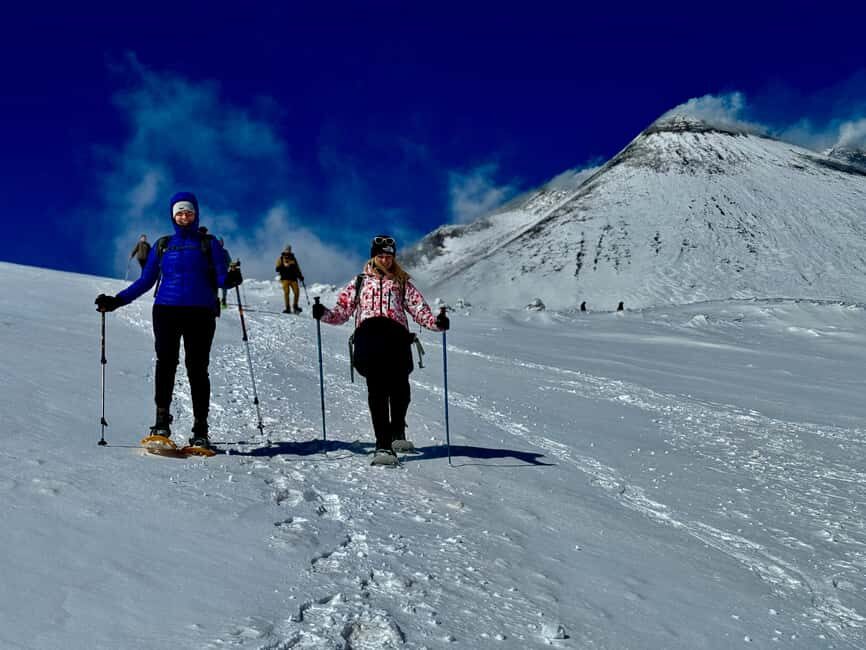
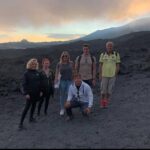
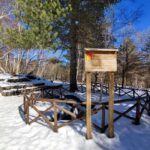
You meet at the Bar Terrazza dell’Etna area, in front of the Etna South cable car station. Plan to arrive with buffer time since the day runs on a tight rhythm: cable car up, then vehicles, then hiking.
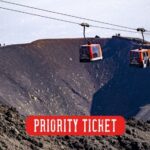
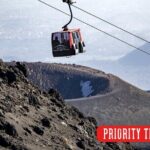
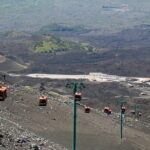
From there, you take the cable car for about 15 minutes. This is a big deal for value and comfort. It saves your legs and reduces how long you’re spending just getting to the high start zone.
The tour is designed to limit the “waiting around.” You should also appreciate the skip-the-ticket-line setup, which helps you get moving faster once you’re at the cable car.
The climb arc: 2500 meters up to the Central Crater edge
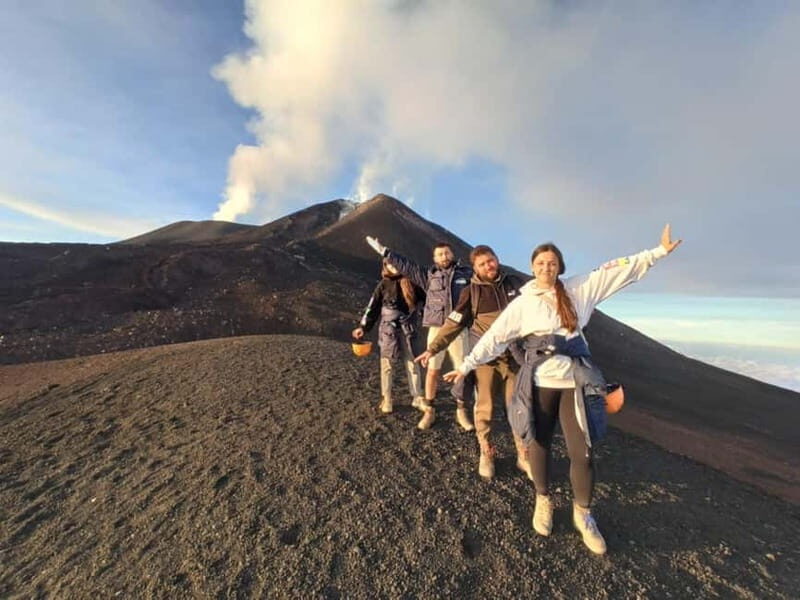
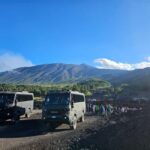
After the cable car, you continue by coach/transfer and then reach the higher starting area (you’re described as going to about 2920 meters). At that point, the hike begins in earnest.
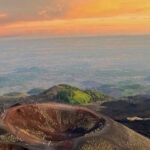
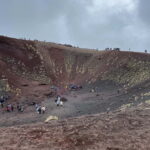
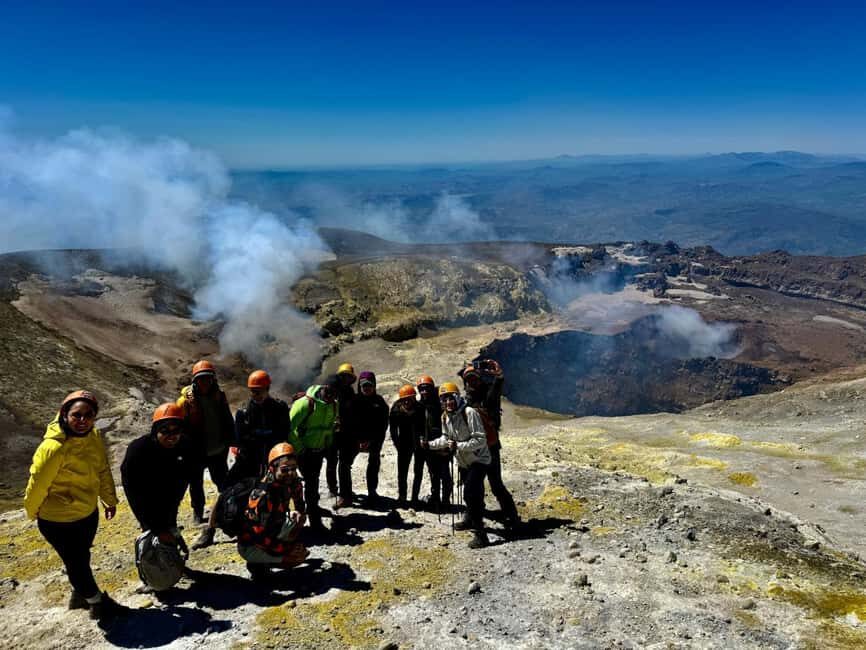
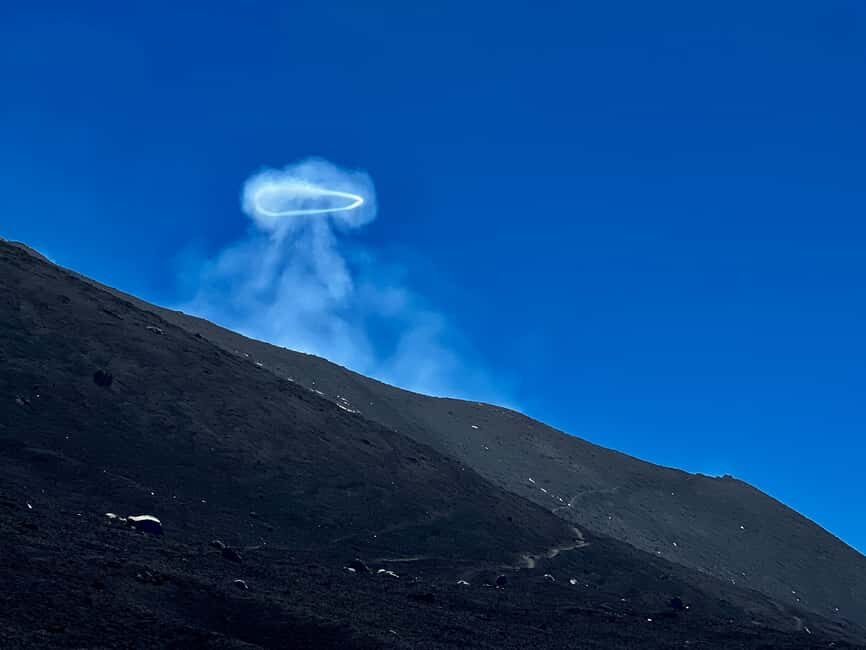
Your guided walk aims for the edge of the Central Crater at roughly 3400 meters. That’s where you start to feel why Etna earns its reputation. The air is thinner, the ground changes, and the scenery becomes brutally open.
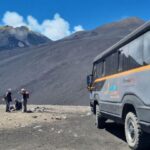
This is also where the tour can feel most “lunar.” You’re walking on hardened lava and ash terrain shaped by eruptions. The guide’s role matters here, because they’ll help you read the ground—where the lava came from, and what features mark different volcanic phases.
If you’re hoping for the full 360° panorama, think of weather as your co-pilot. Clear conditions make a huge difference for seeing all directions—sometimes even far enough to spot the Aeolian Islands.
Lava flows, lateral craters, and walking the volcanic clues
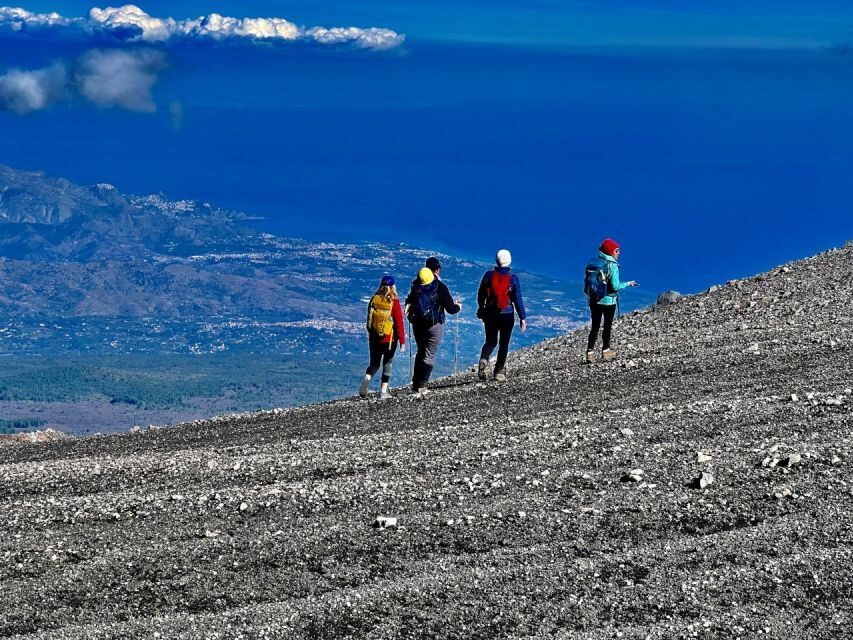
One of the best parts of Etna is that the mountain is never one single thing. It’s layers of eruptions stacked over time, and this tour leans into that reality.
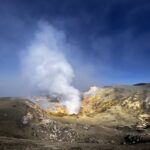
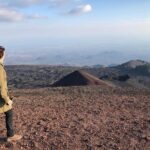
As you move through the route, you’ll observe recent lava flows and the way the surface has been transformed. You’ll also explore a lava flow channel and lateral craters. Those details help you understand the difference between the main summit vent and the side features where Etna “spills” and spreads.
This portion is often what makes the day feel like more than a normal viewpoint stop. You’re on the ground near the volcanic plumbing, not just looking at it from a safe distance.
Tip: bring the energy to slow your camera pace a bit. The terrain changes constantly, and the best photos come when you take a breath and look where the guide points out the story in the rock.
The Valle del Bove: amphitheater views after the summit descent
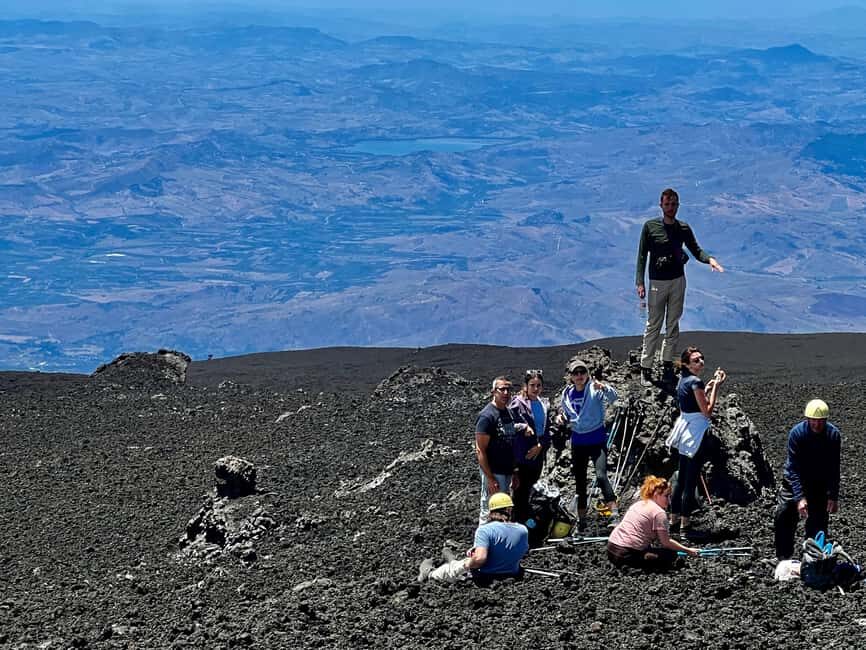
When you come down from the summit craters area, the tour keeps moving. Next, you cross areas linked to the 2002 eruption craters, then continue toward one of Etna’s most striking features: the Valle del Bove.
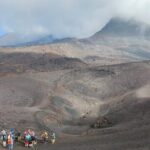
Valle del Bove is described as a volcanic amphitheater, and in practice that means you’re surrounded by huge-scale walls of volcanic terrain. It’s the kind of place where your brain struggles to measure size, because everything looks like it belongs in a crater-sized painting.
This is also a good moment for a calmer pace than the summit edge push. You’re still hiking, but you’re shifting from “reach the top” effort to “see the big picture” effort.
If you’re traveling with the mindset of sports plus science, this section delivers. It’s not just scenic; it’s a chance to connect the shapes of the valley to how eruptions carve the mountain.
Other Etna summit treks we've reviewed in Catania
The lava tunnel walk: when Etna gets quieter
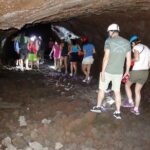
One of the itinerary highlights is walking inside a lava tunnel. That’s a very different feeling than standing in open crater terrain.
Inside a tunnel, the environment becomes more sheltered and the rock takes over the conversation. You can see volcanic textures in a way you often can’t outdoors, because the conditions are more stable and the space is framed.
This is the kind of stop that breaks up the day nicely, especially if you feel the altitude in your body. Even a short time “under” can make the rest of the walk feel more manageable.
Gear you’ll get, and what you should still bring
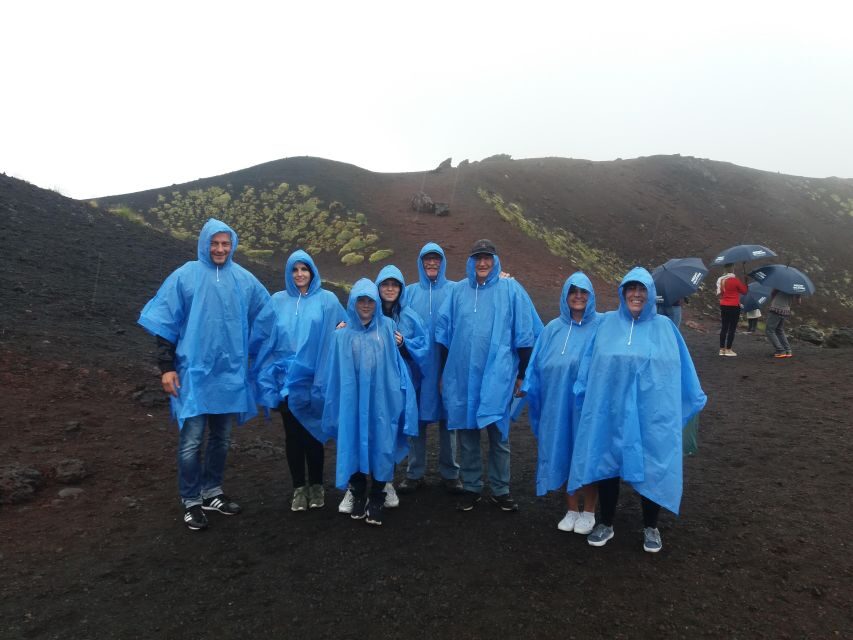
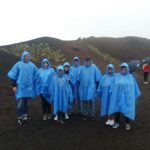
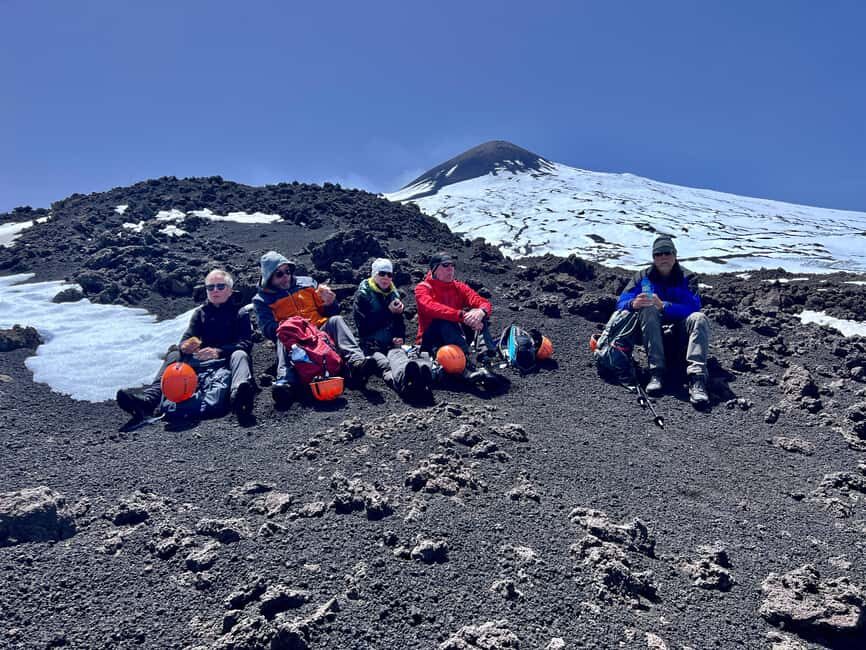
The tour includes several pieces of practical gear that make life easier on Etna. You get a windbreaker jacket, a helmet, trekking boots, and insurance. That’s a real value boost if you’re traveling light and don’t want to buy specialty footwear for one day.
Still, you should bring food and drinks. At high altitude, energy management matters more than usual. You’ll also want a jacket beyond what’s included if you run cold, and your own trekking gear if you prefer what you already know.
Also bring a first aid kit if you have one. It’s listed as a thing you should have.
And keep in mind the restrictions: alcohol and drugs aren’t allowed. It’s also not suitable for people with respiratory issues, heart problems, or pregnant women. If any of those apply, skip this tour and choose a gentler Etna option.
Price and value: what that $62.63 really means
The listed price is $62.63 per person, but the cable car and 4×4 portion is called out as extra. If your tour goes up from the south side, the additional cost for cable car and 4×4 is listed as 65.00 € per person. If the itinerary changes, cable car alone is listed as 52.00 € per person.
So here’s the practical way to think about value: you’re paying for the guide, the included safety gear (helmet, windbreaker), trekking boots, and insurance. Those items alone can save you rental or purchase costs in Sicily.
Then you pay extra for the mountain access itself. It’s normal for an Etna summit experience, but it’s worth confirming what your specific booking includes so you don’t get surprised at checkout or on the day.
Also note the tour can include transfers when applicable with an extra cost. This is another reason to double-check what’s included in your exact option.
When Etna changes the plan: weather, risk, and real-world pace
Etna is an active volcano, so routes can change. The tour notes that the itinerary may be subject to volcanic risks or weather conditions, and that’s not a minor detail here.
In real life, it often means you might not reach the exact summit craters you hoped for. If volcanic activity blocks access, the day may be adjusted, which can change the amount of walking versus vehicle time.
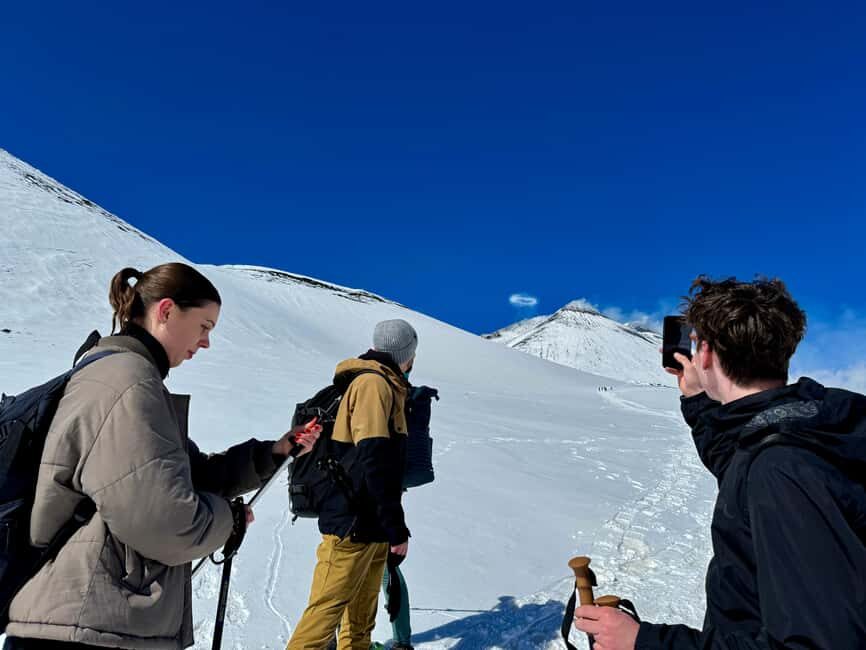
You should also plan for pace differences. One example from a past day is that winter access can limit 4×4 driving, which can lead to a more walking-heavy route and a faster group tempo for some groups. If you need a slower pace, make sure you communicate your needs in advance.
The upside: guides are used to adjusting. I’ve seen guides like Maximo adapt to different group needs, keeping the route moving without losing the educational focus.
Languages, meeting points, and what to expect from your guide
The live guide is offered in English, Italian, and French. That matters on Etna, because the explanations help you connect the scenery to the geology. If French is your priority, it’s smart to confirm language availability for your exact date.
The experience provider is Luca Cosma, and the operation can rely on partners when needed. For instance, there’s a documented instance where French-language requests were handled through coordination with partner support (including Aitne). That kind of flexibility is useful if language is central to your enjoyment.
You’ll be meeting near the Etna South cable car station area and finishing back at the meeting point. The schedule is designed so you’re not wandering around independently at high altitude.
Who this Etna summit tour fits best
This tour fits you best if you want a guided hike with a strong geology focus and you’re comfortable at altitude. If you like active travel—walking over rough volcanic ground—this day will feel like time well spent.
It’s also a good choice if you don’t want to figure out logistics on your own. With the cable car jump, included gear, and a volcanological guide, you get structure.
I’d skip it if you can’t handle strenuous walking at high altitude. It’s specifically not suitable for people with respiratory issues, heart problems, or pregnancy. And if you’re prone to breathlessness, this likely isn’t the day to test your limits.
Should you book this Mount Etna summit craters tour?
Book it if you’re aiming for the full Etna experience: summit-crater terrain, lava flow features, and the Valle del Bove views, all with a guide who can explain what you’re seeing. The included helmet, boots, and windbreaker jacket make it easier to travel from elsewhere in Sicily without packing heavy gear.
Skip or choose a milder Etna option if high altitude sounds stressful, if you need a very slow pace, or if any of the stated medical limitations apply. Etna doesn’t negotiate with your energy.
If you do book, come ready for the mountains: hydrate, eat, and keep your effort steady on the ascent. That’s the ticket to enjoying the science and the sky once you’re at the crater edge.
FAQ
How long is the Mount Etna tour to the summit craters?
The total duration is about 5.5 hours.
What altitude do you reach on this tour?
You take the cable car up to about 2500 meters, then continue to around 2920 meters. The hike reaches the edge of the Central Crater at about 3400 meters.
Is the cable car included in the price?
No. The cable car and 4×4 are listed as an additional 65.00 € per person if the tour goes up from the south side. If the itinerary changes, the cable car alone is listed at 52.00 € per person.
What’s included with the tour price?
Included items are a certified Alpine/Volcanological Guide, a windbreaker jacket, a helmet, trekking boots, and insurance. Transfer details may apply with extra cost.
Do I need to speak Italian or French?
No. The live tour guide is available in English, Italian, and French.
What should I bring with me?
Bring food and drinks, a jacket, trekking gear, and a first aid kit.
Who should not take this tour?
It is not suitable for people with respiratory issues, heart problems, or pregnant women.
Is cancellation flexible?
Yes. You can cancel up to 24 hours in advance for a full refund.