REVIEW · ETNA SUMMIT TREKS
Trekking at 3000 meters on Etna
Book on GetYourGuide →Operated by ETNA QUAD E TREKKING · Bookable on GetYourGuide
You get real, working volcano landscapes on this hike. Etna’s craters sit close enough to feel the planet at full volume, and the route climbs from cable-car altitude straight onto recent lava.
What makes it stand out is the mix: geology you can read with your feet, plus volcanology facts delivered by qualified guides.
I love two things most. First, you walk across lava flows from the 2002 eruption, including a stretch where the terrain follows a lava-flow channel. Second, you reach viewpoints and crater edges where you can see Etna’s southern-slope craters and the wider caldera scenery without needing any special equipment beyond what the tour provides.
One thing to weigh carefully: this is altitude trekking on rough volcanic ground. If wind, exposed edges, or a moderate push in fitness makes you uneasy, you’ll feel it—especially around the crater rims.
In This Review
- Key highlights at a glance
- From Bar Ristorante Crateri Silvestri to 2500m by cable car
- Walking 2002 lava flows: the route that feels like another planet
- Inside the 2002 effusive crater channel: why the gear matters
- Crater rim hiking and close views of 2002 summit craters
- Belvedere della Valle del Bove: the big-picture caldera moment
- Laghetto Crater and the easy return via cable car
- Gear, safety, and guide pacing at 3000m
- Price and value: $59 isn’t the whole cost, but the package helps
- Who this Etna 3000m hike is for (and who should skip)
- Weather reality: wind is part of the deal
- Should you book this Etna 3000m Craters excursion?
- FAQ
- How long is the Etna 3000 meters craters excursion?
- What’s included in the tour price?
- Is the cable car ticket included?
- Where do I meet the group?
- What languages are the guides?
- What should I wear or bring for the hike?
- Is the tour suitable for children or people with mobility issues?
- Can I cancel for a refund?
- Can I reserve without paying right away?
Key highlights at a glance
- Cable car lift to 2500m, then straight into crater walking
- Lava-flow trekking from the 2002 eruption, with a dramatic crater-channel section
- Helmet, poles, and proper high-collar hiking shoes included for the terrain
- Guides with alpine and volcanology qualifications, plus a strong safety briefing
- Big-picture views over the Belvedere della Valle del Bove caldera
- Return via cable car once you finish the volcanic cone section
From Bar Ristorante Crateri Silvestri to 2500m by cable car
Your day starts at Bar Ristorante Crateri Silvestri. The meeting point detail is simple: you enter inside the bar, so don’t linger outside waiting for a miracle. From there, the group heads toward the Etna lift stage.
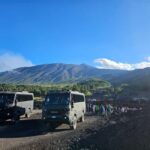
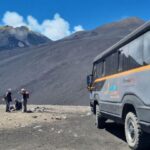
The first smart move is taking the cable car up from about 1900m to 2500m. For most people, this is the difference between enjoying the hike and suffering through it. You arrive already high, which means you spend more time actually walking through the volcanic terrain that you came for.
There’s also a practical rhythm to this start. You get a safety briefing and a bit of structure before you step onto uneven lava. That matters on Etna, where footing can change fast—rock that looks stable from a distance can be sharp, sloped, or loose up close.
And yes, you’ll likely want to plan for the feeling of altitude from the first minutes. Even if you don’t “feel sick,” the air can feel thinner while you’re switching from seated time (cable car) to moving time (first trek stretch).
Other Mount Etna tours we've reviewed in Catania
Walking 2002 lava flows: the route that feels like another planet
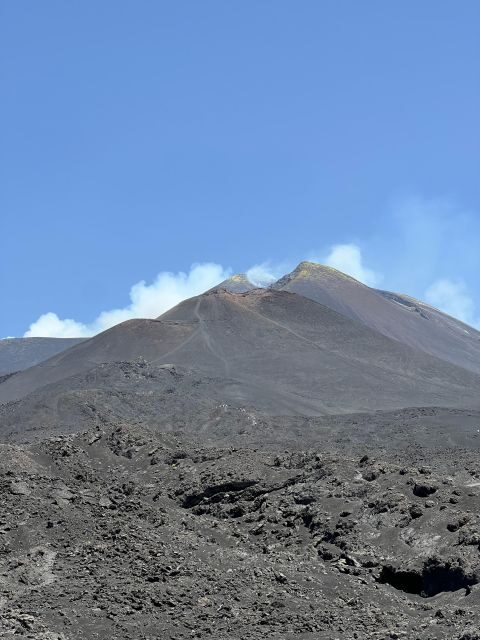
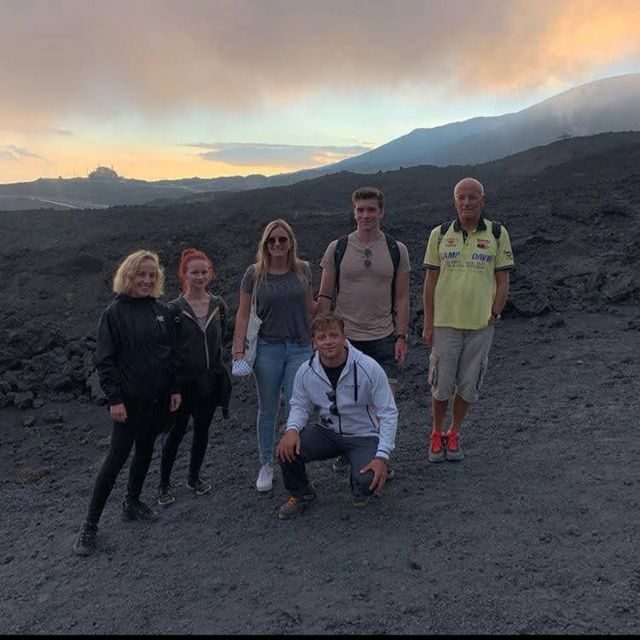
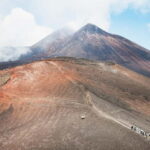
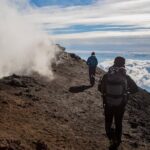
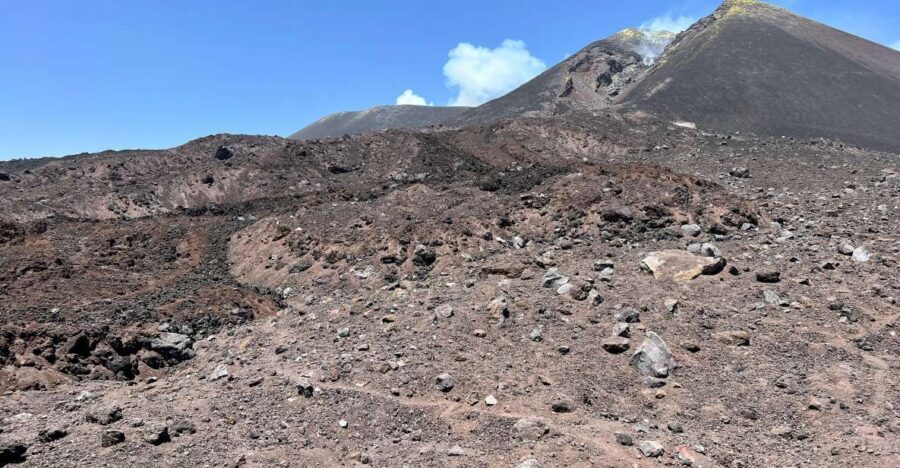
Once you reach 2500m, the trek begins heading north-west across terrain linked to the 2002 eruption. This is where the tour becomes more than sightseeing. You’re walking on real recent lava ground, which changes under your boots—texture, slope, and how the rock edges catch the light.
The tour’s design also helps you “get” Etna visually. At 2500m, the landscape already looks raw and lunar, but you’re still climbing. That means each step adds a new layer of perspective: more crater shapes, more contrast between old and newer rock, and wider views as elevation builds.
From the provided route description, the walk continues until you reach around 2700m, where the terrain turns into something more intense and specific: you transition into the effusive crater area of 2002 and into a lava-flow channel formed during that eruption.
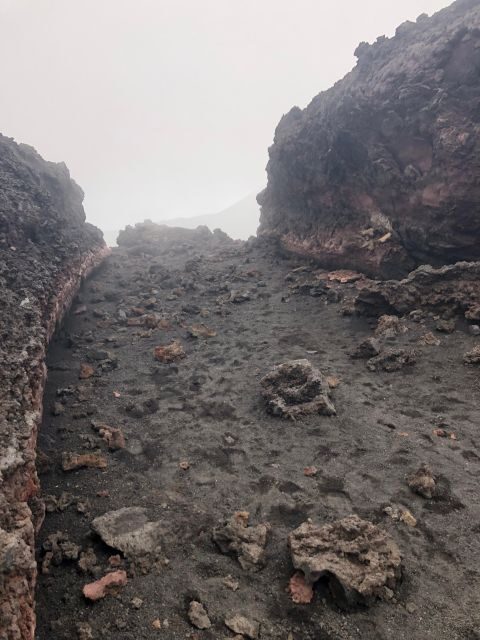
This section is a big reason people keep talking about the excursion. Lava channels aren’t just dramatic in photos. They change how you move—sometimes you feel funneled by the shape of the ground, and you become more aware of balance. That’s exactly why the operator supplies high-collar hiking shoes, trekking poles, and a helmet. The goal isn’t to make you comfortable on volcanic rock; it’s to make you steady.
Inside the 2002 effusive crater channel: why the gear matters
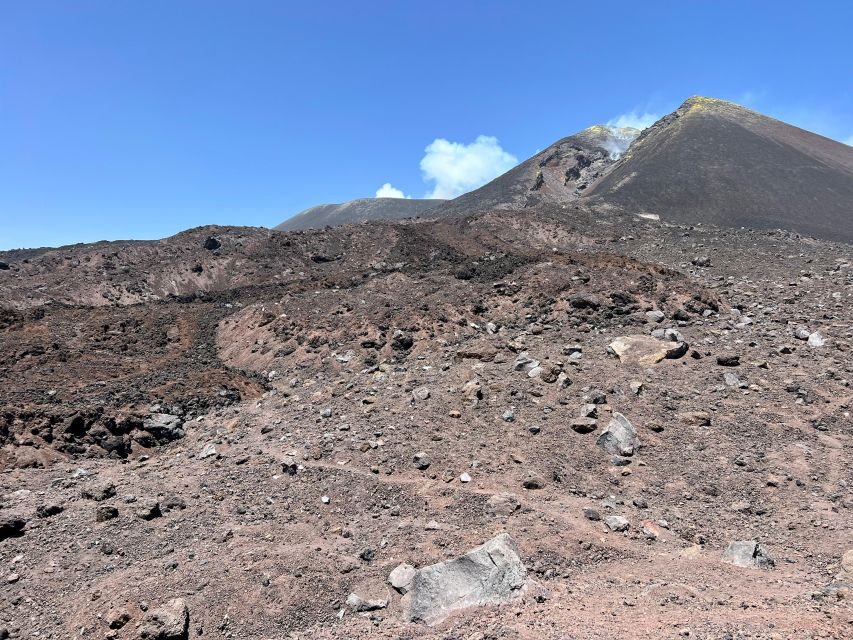
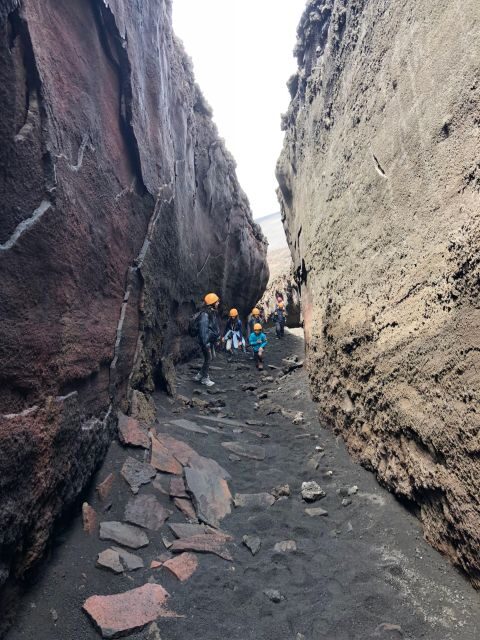
Around 2700m, you enter the effusive crater of 2002, where the route leads through part of the lava-flow channel. This is the closest you’ll get (on foot) to the physical storytelling of an eruption: the channel shows how molten rock once moved like a slow river, then hardened.
The practical value here is safety and confidence. A helmet isn’t there for decoration. If you’re walking through uneven lava, your attention needs to stay on your steps, not on whether you’re protected from bumps or falling grit.
The included gear is built for this kind of surface:
- Trekking poles to stabilize on sloped rock
- Protective helmet for head safety in rough terrain
- Windbreaker because crater areas can get blasted by wind
- New socks and high-collar shoes, which help prevent ankle slips and rubbing
Even if you’re a confident hiker, this part can feel more technical than you expect. One review called the hike moderately exhausting, and that lines up with what this terrain requires. You’re not doing steep mountain scrambling, but you are moving on rock that doesn’t behave like a trail.
Also, plan for cold wind or chills, even if the base area feels mild. One feedback note emphasized that you need proper clothing for altitude and often strong wind. In crater regions, wind speed can change your comfort fast.
Crater rim hiking and close views of 2002 summit craters
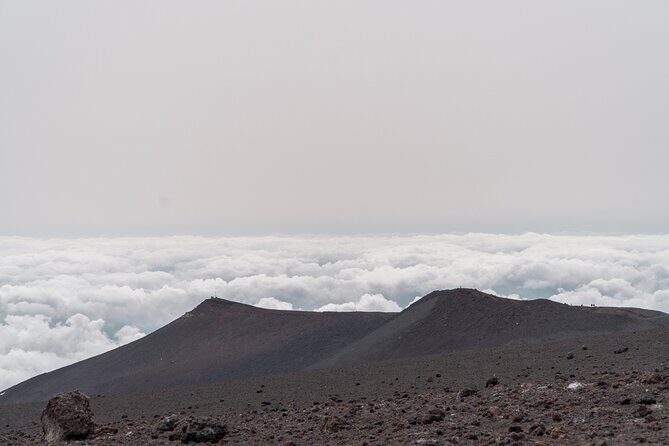
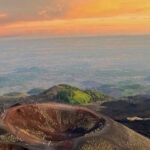
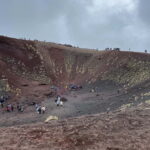
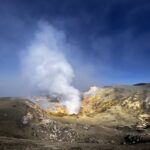
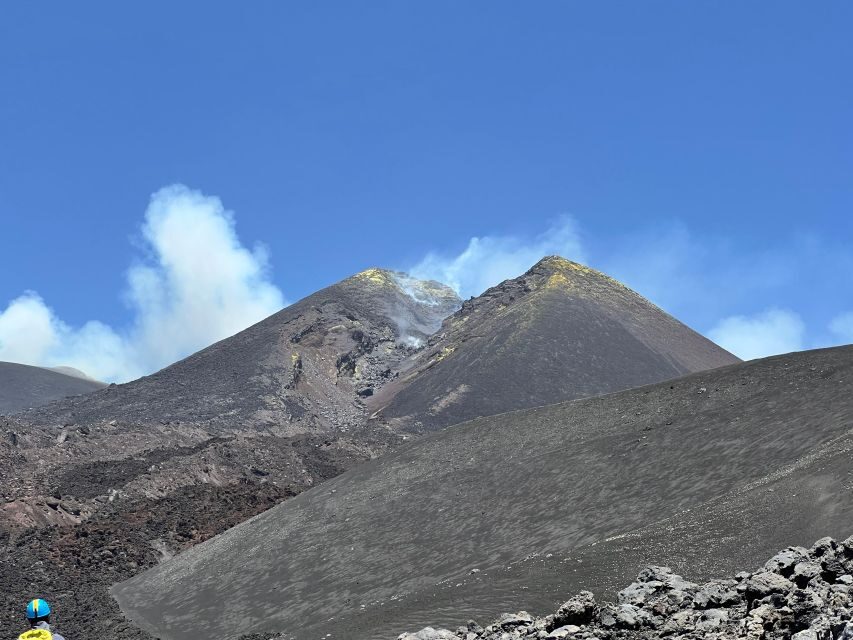
After a short break at altitude, the route continues upward to the highest point of the explosive craters formed in 2002 on Etna’s southern slope. This is where the tour rewards effort with crater-edge walking.
You’ll be able to walk along the edge of the craters, then admire the summit craters up close, including the latest lava flows. That phrase matters: you’re not just standing far away looking at shapes. You’re walking in a zone that gives you a stronger sense of the volcano’s recent activity.
What I like about this segment is the way it turns geology into something you can interpret. Craters and lava flows aren’t random scenery when you’ve been guided by someone who understands how they formed. The guides on this excursion are described as passionate and informative in multiple feedback notes, with examples including Giuseppe, Antonio, Edo, and Mario—each praised for different strengths like pacing the group, being welcoming, or explaining the volcano in an interesting way.
This is also a place where vertigo and fear of heights can matter. The route includes walking near crater edges, so if you know you get shaky around exposures, take that seriously. The tour is clearly not suitable for people with vertigo, and that’s good advice to respect.
If conditions are windy (common enough to be mentioned), crater rims can feel even more exposed. The windbreaker helps, but it won’t erase the reality of open volcanic terrain.
Belvedere della Valle del Bove: the big-picture caldera moment
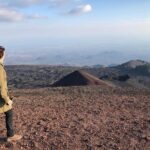
After the high crater area, you continue through lunar landscapes and reach an overlook: the Belvedere della Valle del Bove, a caldera associated with ancient eruptive centers.
This stop is valuable because it gives your brain a “zoom out” moment. Up to now, your focus is local—lava flow textures, crater edges, walking channels. Then you look over a larger volcanic system. Suddenly, all those craters and ridges feel like parts of one evolving machine rather than separate attractions.
The tour description calls it extraordinary, and that checks out with how caldera lookouts typically work. From an elevated vantage, you can see how a large structure frames what you’re standing on. You’re not just staring at a peak; you’re reading a system.
If you’re into photography, this is also where you’ll likely spend a few extra minutes. The caldera viewpoint isn’t just pretty; it’s interpretive. A guided explanation makes the shapes easier to understand, which is the difference between a great photo and a meaningful one.
Other Etna summit treks we've reviewed in Catania
Laghetto Crater and the easy return via cable car
Later, you skirt around the imposing eruptive cone of the Laghetto Crater, which formed with the 2001 eruption. This section stays connected to the overall story of Etna’s lateral activity—how different eruptions light up different sides of the mountain.
You’re still walking on volcanic terrain, but the tour is set up so the experience doesn’t drag endlessly. The route continues until you reach the cable car terminal that brings you comfortably back to the starting area.
That return matters. After hours at altitude and on rough rock, the ability to switch from “moving carefully” to “riding comfortably” makes the whole day feel more sustainable. You get time to absorb what you saw, not just survive the hike.
This is also where you might appreciate that the tour includes a 20% discount on sandwiches, snacks, and drinks. You’re at a point in the day where fuel matters, and it’s nice to have food options without paying full price every time.
Gear, safety, and guide pacing at 3000m
The excursion is led by guides described as qualified in both alpine and volcanological areas. That combination is exactly what you want at this altitude. You need someone who can manage mountain hazards and also explain what you’re walking on.
Multiple feedback notes praise guide behavior and pacing:
- Giuseppe is mentioned as adjusting tempo to the group so everyone reached the top
- Antonio is praised as welcoming and passionate about Etna, with lots of learning
- Edo is described as super knowledgeable and making the tour interesting
- Mario is described as friendly and professional, but also as clear about needing good fitness and proper clothing
You can read between the lines. A volcano hike isn’t only about distance; it’s about staying steady while you concentrate on terrain. When a guide adjusts pace, you don’t lose the day to fatigue. You also tend to enjoy the view more because you’re not constantly fighting for breath.
The included safety and comfort items are a big part of the value. Not everyone owns hiking shoes with the right support, nor everyone wants to buy poles and a windbreaker just for one day.
Your own packing list should match the cold-wind reality at altitude. The recommended equipment includes:
- Long pants
- Cap, gloves, sunglasses
- Protective cream and a scarf
- And, of course, follow the provided shoe and sock setup if you’re using theirs
Even if you’re tempted to go in lighter gear, don’t. Wind on Etna’s higher slopes can turn a comfortable hike into a cold scramble.
Price and value: $59 isn’t the whole cost, but the package helps
The headline price for the excursion is $59 per person for a 1-day experience. That’s a solid-looking number for a guided volcanic trek with gear, but there’s a catch: the return cable car ticket is not included and costs €52.
So here’s how to think about value. The tour fee you pay is buying:
- A volcanological/alpine guide service
- Safety briefing
- Hiking shoes with high collar, plus new socks
- Windbreaker, trekking poles, and a protective helmet
- A small food perk: 20% discount on sandwiches, snacks, and drinks
If you were to rent boots and buy poles separately, add the guide cost, and factor in the helmet and wind protection, the $59 starts to make more sense as part of a bundled day. Still, you should plan your budget knowing the cable car is extra.
A second budget tip: since the cable car is expensive, you’ll want to make sure you’re ready to go that day. The tour offers free cancellation up to 24 hours in advance, and there’s also a reserve-now option where you can pay later. That flexibility can be useful if weather or your energy level is uncertain.
Who this Etna 3000m hike is for (and who should skip)
This is not a casual walk. It’s a hike at summit altitudes with crater-rim walking and altitude considerations. That’s why the tour is listed as not suitable for several groups, including:
- Children under 6
- Pregnant women
- People with mobility impairments
- People with heart problems
- People with vertigo
- People with respiratory issues
- People with epilepsy
- Visually impaired people
- People with altitude sickness
- People with high blood pressure
- People with low level of fitness
- People over 95
I’m glad those limits are stated clearly. You don’t want to “tough it out” when the terrain is uneven and the environment is exposed. If you’ve ever had trouble hiking at altitude, or if you know wind bothers you, take that seriously.
Who will love it? You’ll likely enjoy this excursion if:
- You want to see volcano geology close-up, not just from a viewpoint
- You’re comfortable hiking on rough, volcanic ground
- You like learning while you walk, and you want a guide explaining what you’re standing on
- You value the included gear because you don’t want to source everything yourself
Weather reality: wind is part of the deal
Etna’s higher areas can be windy, and at least one guide-led experience was specifically noted as requiring clothing suited to altitude and often strong wind. That lines up with what crater zones tend to do: you’re up in open air, not sheltered by trees.
That’s why the windbreaker is included and why you should bring your own hat, gloves, sunglasses, and scarf. Layers work better than one warm item. If you get cold at crater edges, you’ll feel it quickly.
If you’re sensitive to temperature changes or you’re unsure about how you’ll react at 3000m, consider arriving with a calm plan. Don’t rush. Move steadily. Let the guide pace you.
Should you book this Etna 3000m Craters excursion?
I’d book it if you want a volcano day that feels hands-on. The strongest reasons are clear: lava-flow trekking, crater-channel walking, and the chance to see multiple Etna crater systems—including the Belvedere della Valle del Bove overlook—while a qualified volcanology/alpine guide keeps you safe and makes the scenery make sense.
Hold off if you’re not comfortable with altitude trekking, exposed edges, or windy conditions. Also, go into it knowing the €52 cable car ticket is not included, so your real day cost will be higher than the $59 headline.
If you can handle the physical side and you’re excited by geology you can walk on, this one is memorable for the right reasons: it’s real volcanic terrain, guided well, and built to get you from view to understanding without turning the day into a slog.
FAQ
How long is the Etna 3000 meters craters excursion?
The activity is listed as 1 day, and the guided segment at Etna includes about 4 hours for the guided walk with safety briefing and scenic views.
What’s included in the tour price?
The tour includes a volcanological or mountain guide, hiking shoes with high collar, new socks, a windbreaker, trekking poles, a protective helmet, and a 20% discount on sandwiches, snacks, and drinks.
Is the cable car ticket included?
No. The return cable car ticket is not included, and the cable car journey costs €52.
Where do I meet the group?
You meet at Bar Ristorante Crateri Silvestri, and you should enter inside the bar.
What languages are the guides?
The live tour guide is available in English and Italian.
What should I wear or bring for the hike?
The recommended equipment includes long pants, a cap, gloves, sunglasses, protective creams, and a scarf. You’ll also receive trekking shoes with high collar and a windbreaker as part of the included gear.
Is the tour suitable for children or people with mobility issues?
No. It’s listed as not suitable for children under 6 and for people with mobility impairments, plus several medical conditions and other limitations.
Can I cancel for a refund?
Yes. There is free cancellation up to 24 hours in advance for a full refund.
Can I reserve without paying right away?
Yes. It offers reserve now & pay later, so you can book your spot without paying immediately.