REVIEW · ETNA & WINE TASTING
Wine tour with wine tasting
Book on GetYourGuide →Operated by Azienda Agricola Emilio Sciacca · Bookable on GetYourGuide
Sicily’s Etna wine walk teaches you to taste with context. In about 100 minutes, you’ll stroll vineyard rows at the foot of Europe’s highest active volcano, visit an ancient palmento, and then do a technical tasting of four wines with bread and Etna olive oil. What I like most is the chance to see the ad alberello vine system up close, and the no-fluff, wine-first explanations from the sommelier. The main catch: it’s short, so you’ll want to be on time and ready to move.
If you’re the type who prefers production details over scenery photos, this tour fits nicely. The winery approach is described as organic and traditional, using spontaneous yeasts and producing wines that are naturally sulfite-free, with a sustainability and plastic-free mindset. The tour runs at 11:30 am and 3:45 pm, and if you miss the walking portion, you can still join the tasting part.
In This Review
- Key things I’d plan around
- Etna terroir starts with the vines, not the label
- The 75-minute vineyard walk in Linguaglossa: what to watch for
- A small practical consideration
- The old palmento stop: why this feels like the heart of Etna wine
- The technical tasting of 4 Etna wines (with bread and olive oil)
- How the pairing improves what you taste
- About the guide voices you might hear
- One expectation check
- What’s included, and what isn’t (so you can plan meals)
- Price and value: why $34 can feel fair (or not)
- Timing and pacing: 11:30 am vs 3:45 pm
- Where you meet and how to find it
- Who this tour is best for
- Should you book the Emilio Sciacca Etna vineyard walk and tasting?
- FAQ
- FAQ
- What is the duration of the wine tour?
- Where does the tour start?
- How many wines will I taste?
- What’s included with the wine tasting?
- Are there food options besides bread and olive oil?
- What time does the tour run?
- What languages are the tour guides?
- What if I miss the walking part?
- Is this tour wheelchair accessible?
Key things I’d plan around
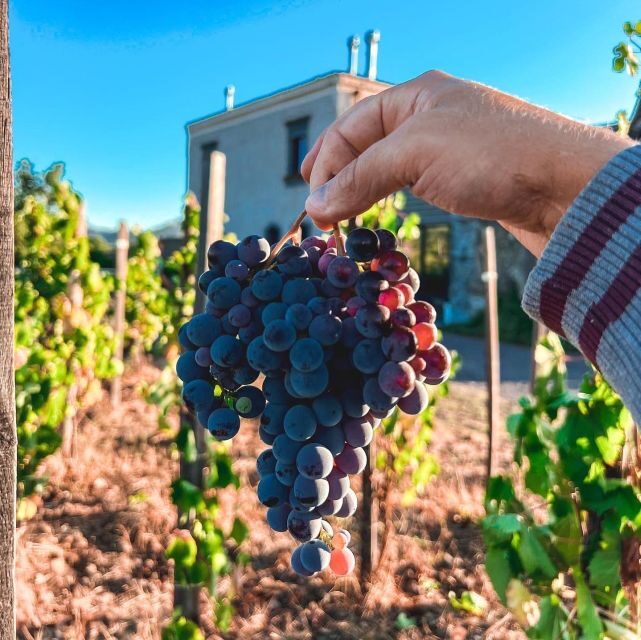
- ad alberello vines up close: You can see and touch the sapling vine system that shapes Etna wine quality
- Old palmento visit: You’ll switch from vineyard talk to the older production setting
- Technical tasting of four named wines: Giallomiccio, Biancopiglio, Rossobrillo, and Neromagno
- Bread and Etna olive oil pairing: A practical way to understand flavor and structure
- Short, focused pace (100 minutes): Great if you want value fast, less so if you want a long lunch-style experience
- Sommelier-led explanations: Guides like Anna and Vincenzo/Vincent are highlighted for clear wine growing + tasting guidance
Etna terroir starts with the vines, not the label
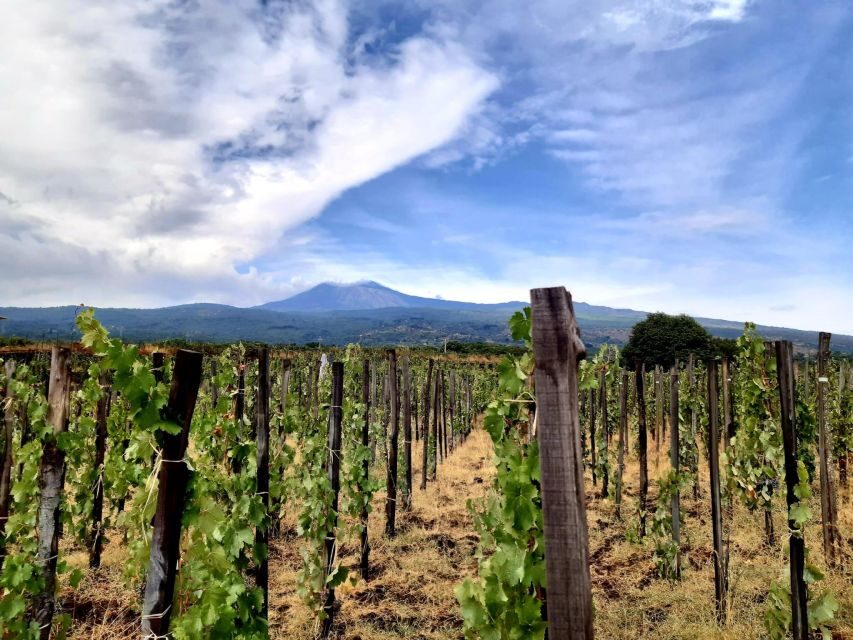
Etna wine makes a lot more sense once you understand the vine shape. Here, the vineyard walk is built around the cultivar called ad alberello, often described as the sapling vine system. That means the plants are trained in a way that changes how grapes grow and how the vineyard interacts with slope, wind, and sun exposure near the volcano.
This matters because Etna’s character is not just marketing. When your guide points out how the vine is formed and why it’s done that way, the wine tasting later stops feeling random. You’re not just memorizing grape names. You’re building a quick mental model for how the production choices show up in aroma, acidity, and texture.
I also like that the production story is not vague. The tour’s messaging is clear: organic cultivation aligned with tradition, fermentation by spontaneous yeasts, and wines described as naturally sulfite-free. Even if you’re not a chemistry person, it gives you a framework for what to listen for when you taste.
One note to keep expectations straight: this experience is not set up as a “try everything they make” flight that includes fortified styles. If you’re specifically hoping for fortified wine, don’t plan around that.
Other Etna wine tasting tours we've reviewed in Catania
The 75-minute vineyard walk in Linguaglossa: what to watch for
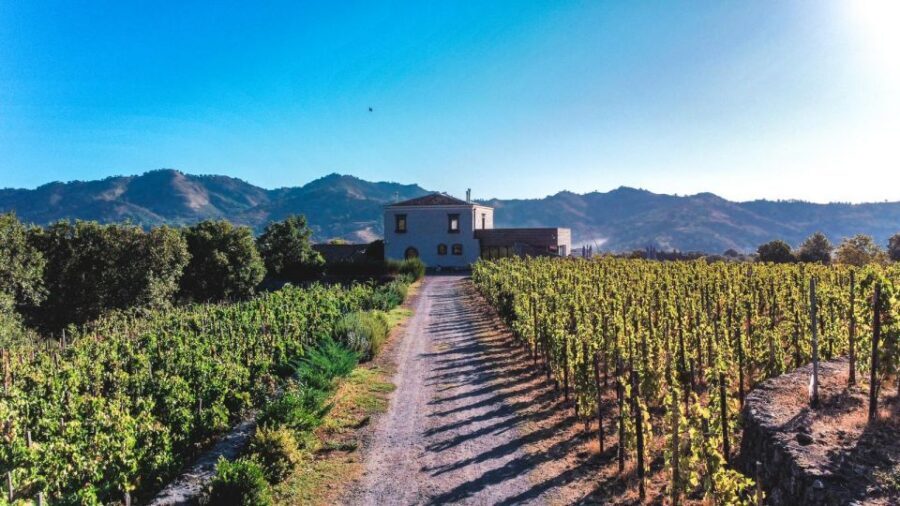
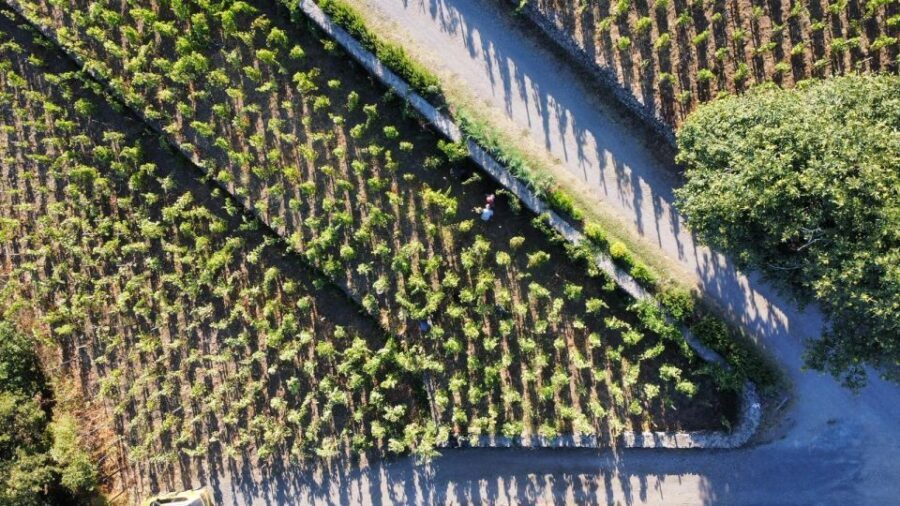
The walking portion takes about 75 minutes in the Linguaglossa area, guided from Via San Giuseppe. You’ll follow the rows at the foot of Etna and learn how the vineyard is managed with a conscious, sustainable approach.
What makes this walk useful is that it’s not only about views. It’s about small, concrete details:
- How the vine is trained (again: ad alberello)
- How organic and traditional cultivation methods connect to the final wine
- How sustainability and plastic-free practices show up in the way the winery operates
If you like tours where you can physically participate—like touching parts of the vines—this one is built for you. That tactile piece is more than a gimmick. When you understand how the plant is shaped, you’re more likely to taste differences accurately instead of just guessing.
A small practical consideration
The experience is outdoors and actively walking, so wear shoes you trust on uneven ground. Also, one guest mentioned the access road to the structure could be improved—so don’t assume everything is perfectly smooth everywhere. Plan to move carefully and keep your schedule tight enough that you’re not rushing at the last minute.
The old palmento stop: why this feels like the heart of Etna wine
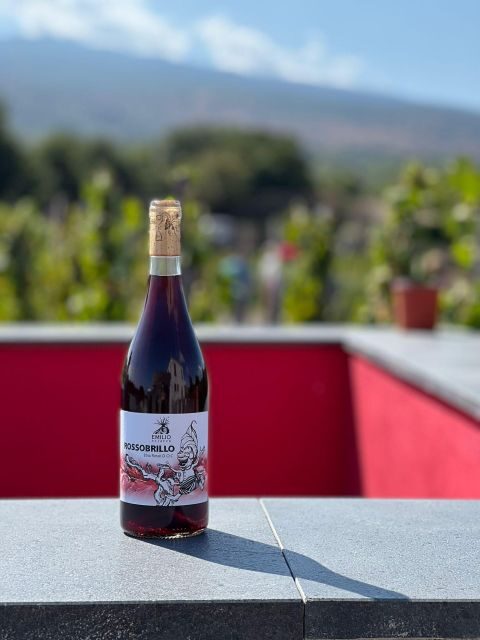
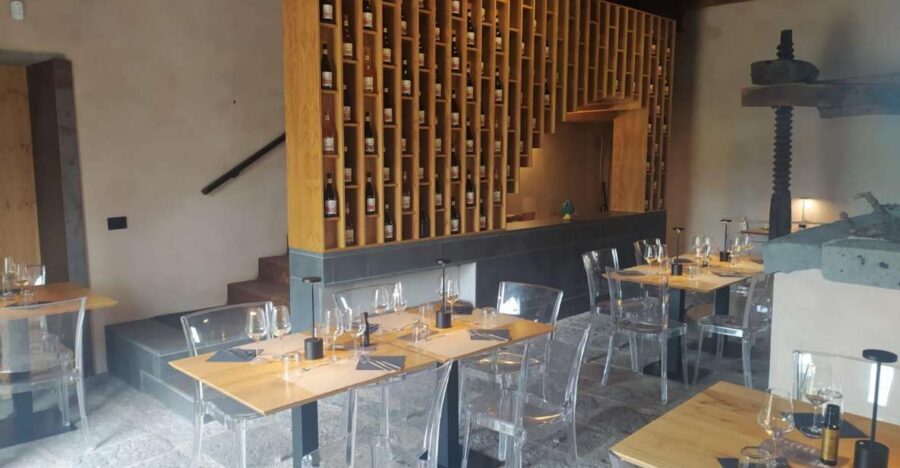
After the vineyard walk, you head back to an ancient palmento. This is where the tour shifts gears from “how vines grow” to “how wine work happens.” Even without turning it into a history lecture, the palmento visit matters because it grounds you in production context.
A palmento is an old-style wine-making/pressing setting, and being there changes your listening during the tasting. You’ll start noticing more of the basics: what kind of fermentation approach the wines are built on, how organic growing choices can translate into grape character, and why the winery cares about tradition while still talking in a technical way.
If you enjoy when a tour connects place to process, this is the best kind of break. You’re not just passing a photo spot. You’re changing your perspective so the wine flight later lands better.
The technical tasting of 4 Etna wines (with bread and olive oil)
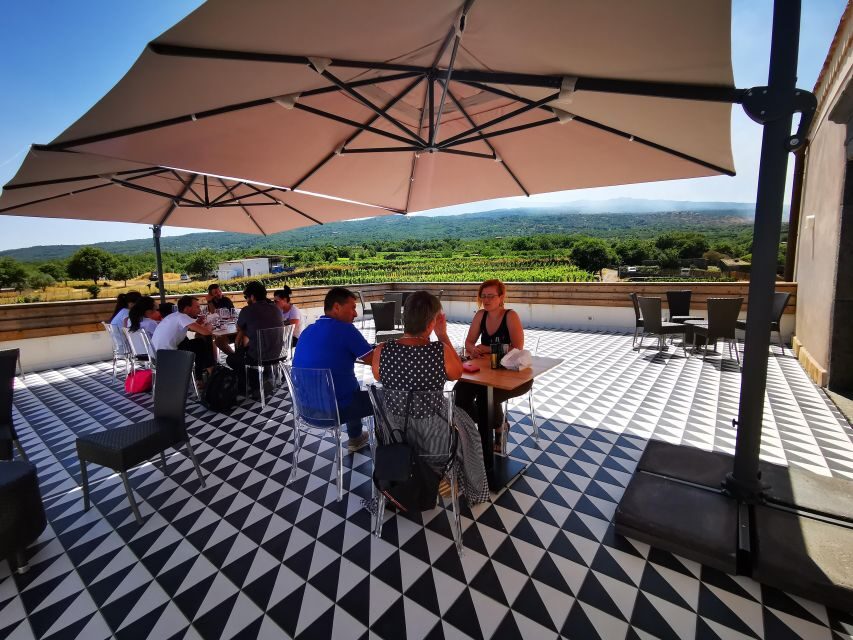
The tasting portion is the part most people remember, because it’s structured and guided. A sommelier leads you through tasting four wines, paired with local bread and Etna olive oil.
The four wines named for this experience are:
- Giallomiccio
- Biancopiglio
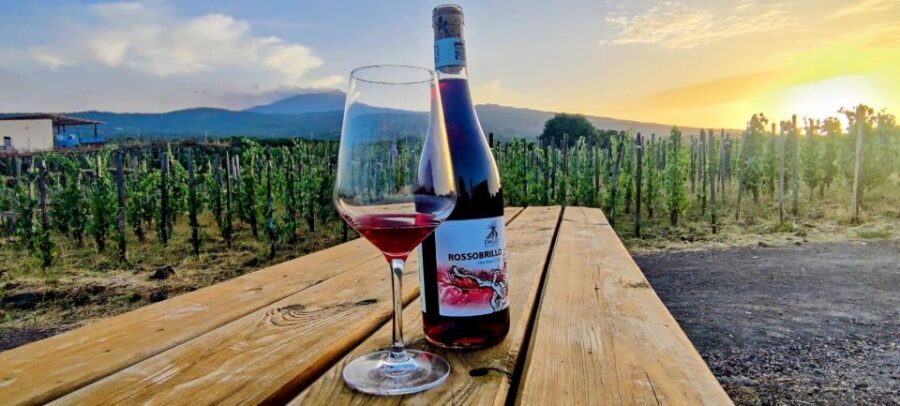
- Rossobrillo
- Neromagno
That lineup alone is a good clue about the tour’s style. You’re not sampling random bulk-country bottles. You’re tasting a set designed to teach you something about Etna’s production and grape expression.
Other food & drink experiences in Catania

How the pairing improves what you taste
The bread and olive oil pairing is genuinely practical. It gives you something neutral-ish (bread) plus something richly flavored (olive oil) so you can notice how the wines react to food-like flavors, not just straight tasting.
This is also where the technical approach becomes less intimidating. When the guide explains what spontaneous yeasts and organic cultivation can mean for aroma and structure, the food pairing helps you translate that into taste quickly. If you tend to learn best by combining tasting with a bite, this pairing approach is a smart move.
About the guide voices you might hear
In the feedback shared for this activity, guides named Anna and Vincenzo/Vincent are praised for clear explanations—especially around the history of wine growing and the vineyard experience. Expect the sommelier to connect the vineyard walk to what’s in your glass, not treat the tasting as a separate event.
One expectation check
One guest did wish the experience had been clearer that fortified wines aren’t part of the tasting. So if you’re arriving with a specific wish for fortified wine styles, adjust your expectations now and focus on the four wines you’ll actually taste.
What’s included, and what isn’t (so you can plan meals)
Included in the experience:
- Visit of the vineyard
- Visit of the old palmento
- Tasting of four wines
- Bread and Etna olive oil
Not included:
- Food beyond the bread and olive oil
That means you’ll want to think about hunger. The bread and olive oil are part of the pairing and will help, but it may not replace a full meal—especially if you pick the 3:45 pm slot and you’re coming straight from lunch plans.
A practical tip: if there’s an option to add extra food alongside wine at the winery, it can improve the experience. At least one guest specifically recommended ordering food with the wine because the pairing was delicious and made the tasting easier to enjoy.
Price and value: why $34 can feel fair (or not)
At about $34 per person for roughly 100 minutes, the value depends on what you want from Etna.
You’re paying for:
- A guided walking vineyard portion
- A stop at an old palmento
- A sommelier-led tasting with four specific wines
- Bread and Etna olive oil included in the pairing
If you normally spend that amount on shorter tastings that are mostly free pour and minimal explanation, the “technical” component is the selling point. You’re getting production context—organic/traditional methods, spontaneous yeast fermentation, and naturally sulfite-free style—plus a tasting guided to connect vineyard to glass.
If, on the other hand, you want a longer experience with more food and a full sit-down meal, you might feel the time is tight. That’s the trade: this tour is designed as a focused hit of wine education, not a slow, long lunch.
Timing and pacing: 11:30 am vs 3:45 pm
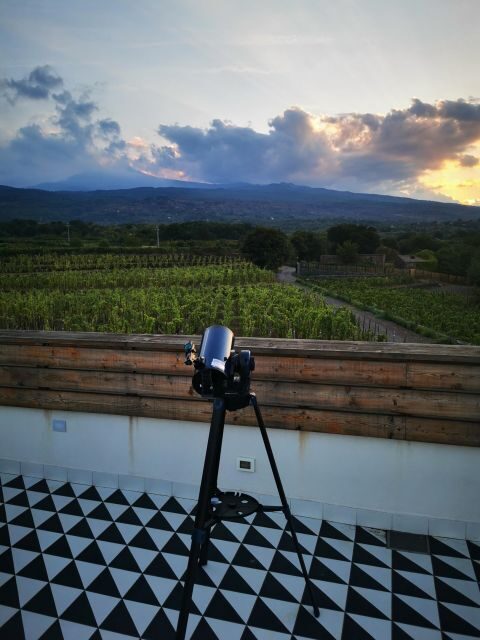
The tour runs at 11:30 am and 3:45 pm, with a total duration of 100 minutes. The first part is the vineyard walk (about 75 minutes), and the rest of the time goes to the palmento visit and tasting.
I like having both start times because it makes planning easier:
- Morning often pairs well with other Etna-side stops before the day gets busy.
- Late afternoon can work if you want cooler temperatures for walking, plus a tasting that feels like a natural transition before dinner.
Also, there’s a smart flexibility note: if you miss the walking portion, you can still join the tasting part. That’s useful if traffic or timing in Sicily runs late.
Where you meet and how to find it
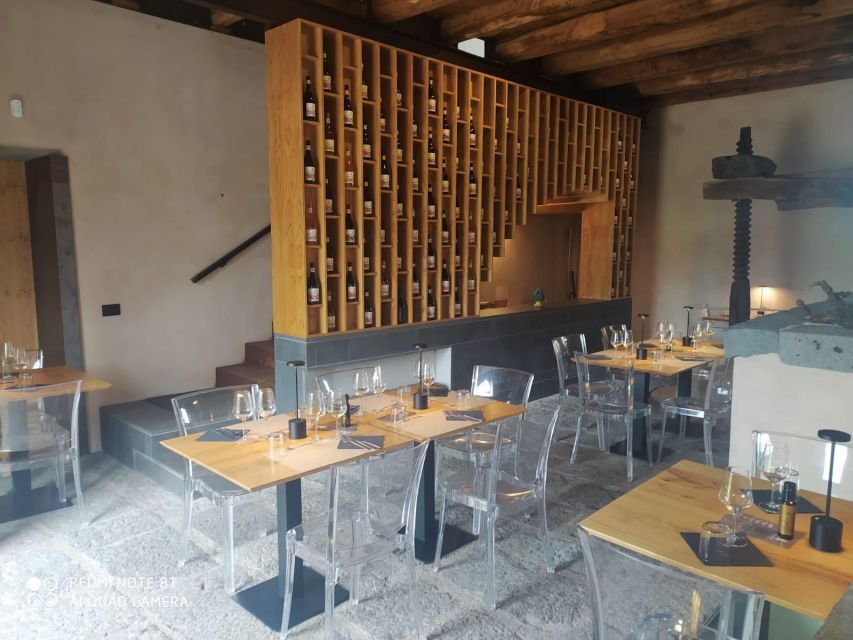
You start at Via San Giuseppe, in Linguaglossa. For the meeting point, follow the signs for Emilio Sciacca Etna Wine.
This matters because these Etna-side experiences often happen in areas where landmarks aren’t obvious from the main road. Give yourself a few extra minutes so you don’t arrive flustered—because the tour is short, and you’ll lose time fast.
Who this tour is best for
This is a strong match if you:
- Want a guided Etna wine tasting that explains production choices
- Like short, focused experiences instead of half-day tours
- Enjoy tastings paired with bread and olive oil
- Learn best when vineyard details connect directly to what you taste
It’s less ideal if you:
- Want a long meal and lots of free time
- Are hoping for fortified wine styles
- Prefer very relaxed pacing with lots of sitting breaks
One additional note: the experience is listed as not suitable for pregnant women.
Should you book the Emilio Sciacca Etna vineyard walk and tasting?
I’d book it if you want a real, process-focused Etna experience you can fit into a busy Sicily plan. The best reason is the combination: vineyard walk centered on ad alberello, an old palmento visit that grounds you in tradition, and a technical tasting of four named wines with bread and Etna olive oil.
Skip it only if you’re looking for a long, food-heavy outing or you expect fortified wines as part of the flight. Otherwise, for about $34 and 100 minutes, it’s a solid value way to understand what makes Etna’s wine different—and to take that understanding back to the rest of your tastings in Sicily.
FAQ
FAQ
What is the duration of the wine tour?
The tour lasts about 100 minutes.
Where does the tour start?
It starts at Via San Giuseppe. You’ll meet by following the signs for Emilio Sciacca Etna Wine.
How many wines will I taste?
You’ll taste four different wines during the tasting portion.
What’s included with the wine tasting?
Bread and Etna olive oil are included with the wine tasting.
Are there food options besides bread and olive oil?
Food other than the bread and olive oil is not included.
What time does the tour run?
The tour starts at 11:30 am and 3:45 pm.
What languages are the tour guides?
The tour guide speaks Italian, English, and Spanish.
What if I miss the walking part?
If you miss the tour, you can still join the tasting part.
Is this tour wheelchair accessible?
Yes, the activity is listed as wheelchair accessible.