REVIEW · FOOD & DRINK
Catania: Private Tour with Arancino Tasting
Book on GetYourGuide →Operated by Italygonia Travel T.O. · Bookable on GetYourGuide
Old stone, strong flavors, short time. This Catania private tour hits Ursino Castle and the Cathedral of Sant’Agata, then adds a hands-on arancino tasting. I love how the route links big landmarks with street-level stops like Via Auteri and the fish market, so you see how Catania works day to day. I also love that the guide clearly sets you up for what to notice (architecture details, plus the etiquette of eating arancino). One thing to consider: it’s about 2 hours on foot, so you’ll want comfortable shoes and realistic expectations if you’re not into walking.
If you care about art, science, and classic Sicilian food in the same afternoon, this is a smart match. The stops are compact enough to feel focused, but varied enough that the time doesn’t drag. And if you end up with a guide like Silvia (one recent guide had PhD-level historical knowledge), you’ll get more than postcard facts—you’ll get context you can actually use as you look around.
In This Review
- Key highlights
- Why this Catania private tour makes sense
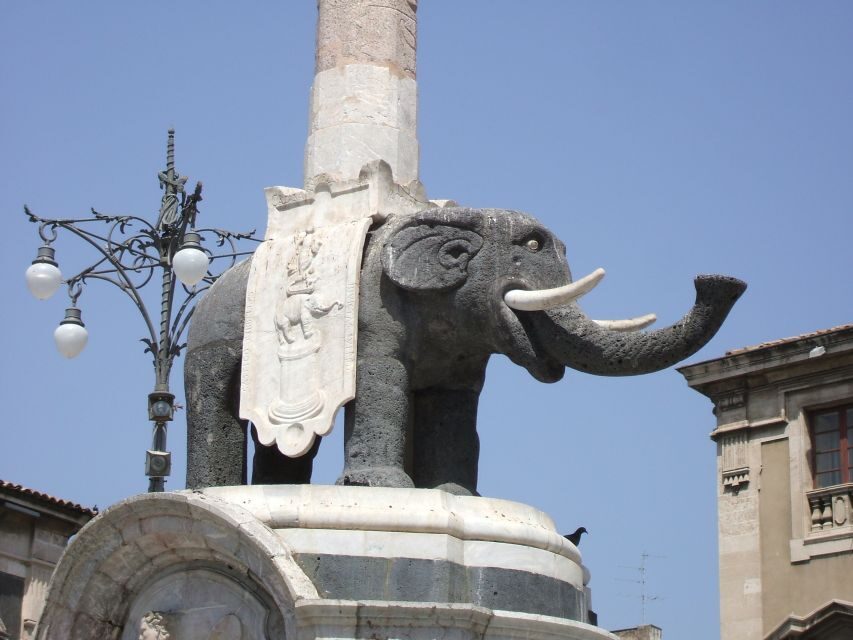
- Meeting point and first steps near the elephant fountain
- Ursino Castle: the 13th-century anchor of the walk
- From Via Auteri to the fish market: Catania you can see
- Piazza del Duomo and the Baroque face of Catania
- Cathedral of Sant’Agata: built in 1090, rebuilt after 1693
- Arancino tasting: the food lesson you’ll actually use
- Bellini Theater and opera culture in plain sight
- Via Vittorio Emanuele to the quieter end of the walk
- Price and value: is $183.52 per person worth it?
- Who should book (and who might skip)
- What to bring so the tour feels easy
- Should you book this Catania private arancino tour?
- FAQ
- Where is the meeting point for the Catania tour?
- How long is the tour?
- Is this a private tour?
- What’s included in the price?
- What is not included?
- Do I need to bring my own camera?
- What languages are available for the live guide?
- Is the tour wheelchair accessible?
- What should I wear and bring?
- Is there free cancellation?
Key highlights

- Start at Ursino Castle for a strong Norman-Swabian opening and standout architecture to photograph
- Baroque Catania in the open air around Piazza del Duomo and the elephant fountain
- Cathedral of Sant’Agata stop with real backstory, including the 1693 earthquake rebuild
- Arancino tasting with the proper way to eat it (hands-on, bottom end first)
- Bellini Theater viewing to connect the city to opera culture
- Easy-to-follow pacing for a private group over a 2-hour walk
Why this Catania private tour makes sense
Catania is one of those places where the city’s layers show up fast. You don’t have to travel far to see Roman-era clues, Baroque rebuilding after the 1693 earthquake, and the kinds of cultural landmarks that shaped famous names tied to Sicily.
This tour works because it’s built like a walk with meaning. You start at Ursino Castle, then move toward the central Cathedral area, and you finish with culture and quieter religious spaces like the Benedictine monastery and the Church of San Nicolò. That flow matters, because it keeps you from bouncing around and losing time.
It’s also a good value if your goal is quality guidance in a short window. At $183.52 per person for a 2-hour private experience, you’re paying for a local guide and direct access to interpretation as you move through the city. If you’re traveling as a couple or small group and you’d rather not “guess” your way between sights, this pricing can feel fair.
Other private tours with a local guide in Catania we've reviewed in Catania
Meeting point and first steps near the elephant fountain
Your tour meets at Piazza del Duomo, right next to the elephant fountain. It’s a useful meeting spot because it’s central and easy to orient yourself. From there, your guide leads you toward the Ursino Castle start point.
Here’s the practical part: wear comfortable shoes and bring a camera. The itinerary spends a lot of time at viewpoints and facades—especially once you hit the castle and later the Cathedral area. You’ll also be moving through areas where you’ll want to slow down and look up.
If you’re the type who enjoys small street details, the early walk sets the tone. You’ll pass Via Auteri, catch glimpses tied to Roman bathing history, and get a sense of the city’s daily rhythm before you reach the most formal landmarks.
Ursino Castle: the 13th-century anchor of the walk
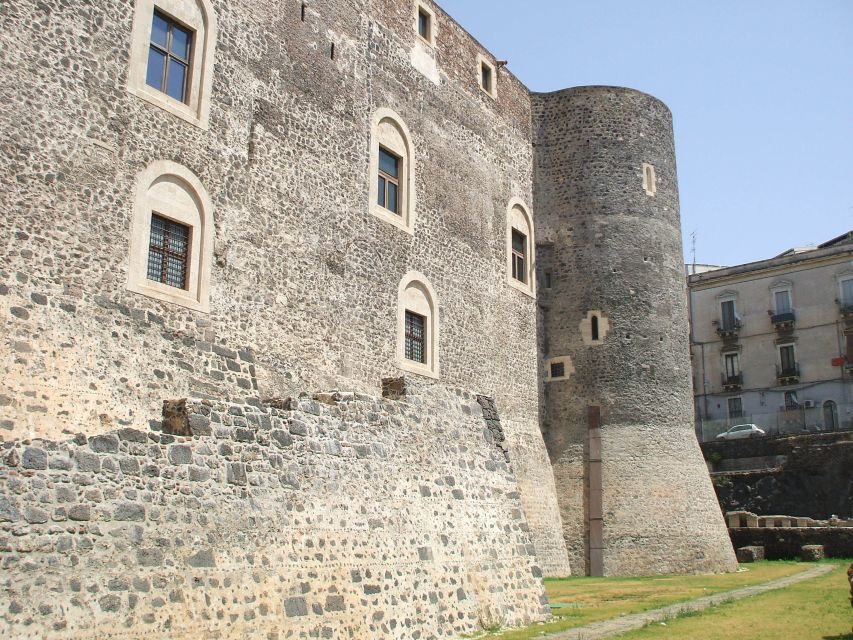
Ursino Castle is the kind of starting point that instantly gives you a framework. It’s a 13th-century structure, and it helps explain why Catania can feel both Eastern and Western at the same time—your guide points out the architecture as a creative mix of styles.
You’ll want your camera here. Castle exteriors give you the best “quick wow” photos early in the tour, when you’re fresh and still thinking like a tourist. More importantly, it’s the moment where the guide can set expectations: this isn’t just a list of stops. It’s about how the city’s power and identity changed over time.
A small consideration: depending on the pace, this can be a bit of an early concentration moment. If you prefer a slower warm-up, just know the tour’s first big visual payoff is right away at Ursino.
From Via Auteri to the fish market: Catania you can see
After the castle, the walk becomes more street-level. You’ll pass Via Auteri and move toward areas connected to Roman bathing history—there’s a stop where you connect to the Roman baths story before reaching the fish market.
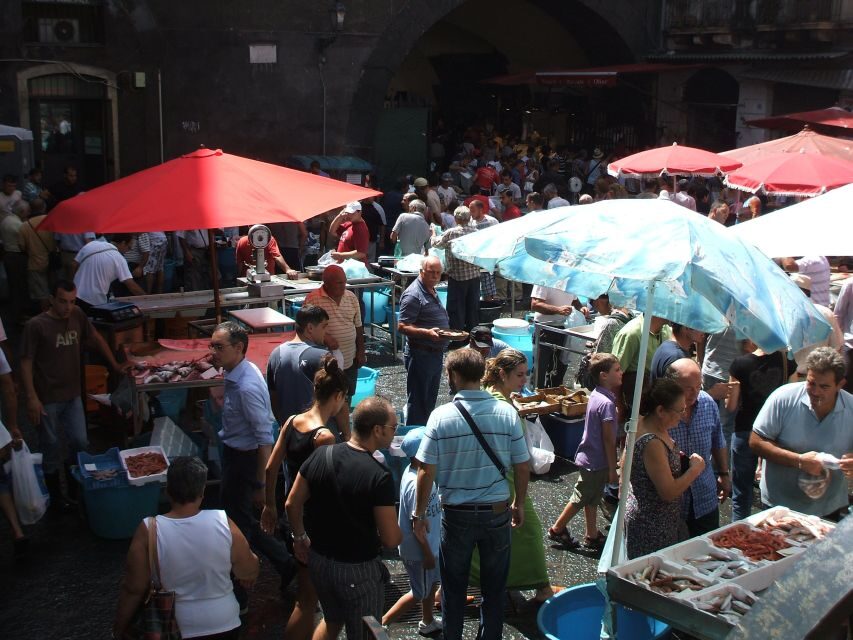
This part is fun because it’s not about architecture alone. At the fish market, you’ll see the array of sea life up close as you walk along. It’s sensory without being overwhelming: you’re moving slowly enough to look, but not stuck in a long market stall experience.
For me, this is one of the most valuable parts of the itinerary because it teaches you how to read the city. When you later stand in grand squares and churches, you’ll understand that Catania isn’t only monuments—it’s a working place. The market stop acts like a reality check in the best way.
Piazza del Duomo and the Baroque face of Catania
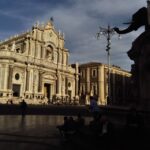
Once you’re at Piazza del Duomo, you get a classic Catania scene: Baroque buildings and the elephant fountain. Even if you’ve seen photos, seeing it in person helps you spot the scale and the details your guide will point out.
This is the kind of square where a guide earns their fee. The fountain and surrounding facades are visually striking, but the context turns the photos into understanding. Your guide helps connect what you’re looking at to how Catania rebuilt and redefined itself.
Also, this stop gives you a natural pause point. If you need water or a quick rest before the next indoor/outdoor landmark, this square is a good place to reset your pace.
Other food & drink experiences in Catania






Cathedral of Sant’Agata: built in 1090, rebuilt after 1693
The Cathedral of Sant’Agata is one of the core reasons to book this tour. It’s built in 1090, and it sits above the Roman baths of Achille. That “over” detail matters because it shows how cities reuse space across centuries. Catania didn’t start from scratch; it layered on.
Then comes the major historical turning point. After the 1693 earthquake, the Cathedral was completely rebuilt. Your guide’s job here is to connect the earthquake story to what you see, so the architecture feels less random and more like a response.
Inside, the Cathedral is also a cultural anchor. You’ll see the tomb of Vincenzo Bellini and you’ll hear about Aragonese kings. This is where the tour connects to Italy’s broader cultural map—Bellini ties to opera, and the mention of Aragonese rulers ties to Sicily’s political history.
If you don’t like long indoor visits, plan for a focused look rather than lingering. The Cathedral stop is important, but it’s still part of a tight 2-hour structure.
Arancino tasting: the food lesson you’ll actually use
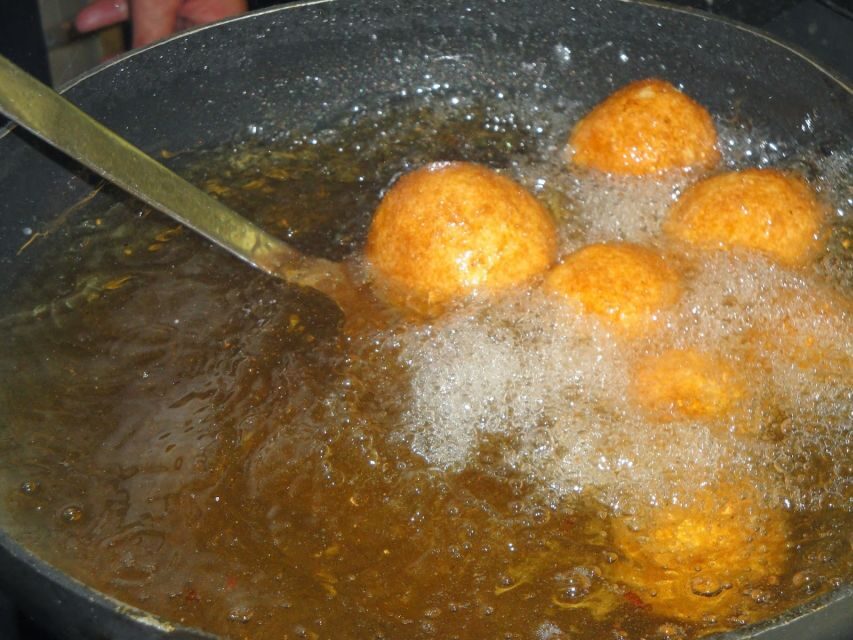
This is the moment most people book for, and it’s handled well. You get arancino tasting, and your guide explains what makes it the signature Sicilian version.
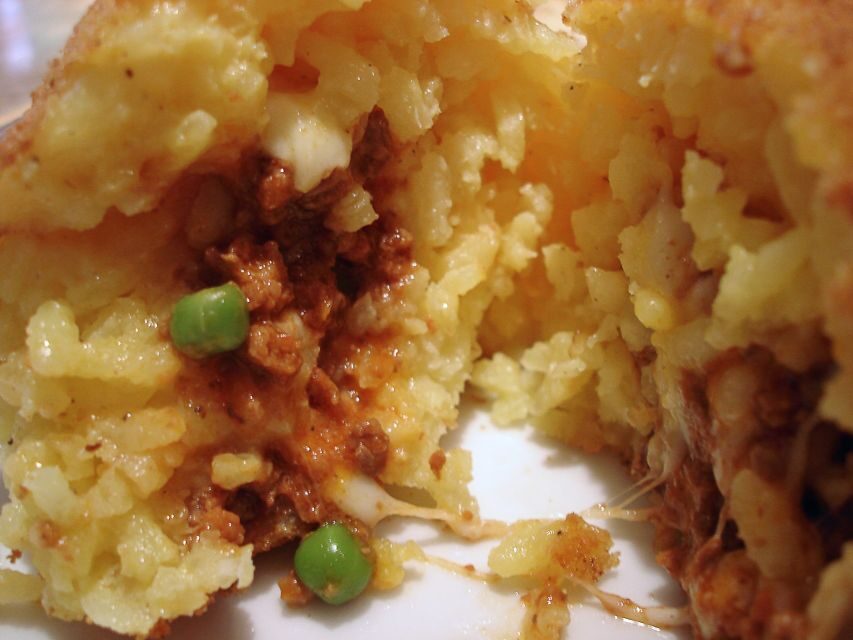
Arancino is described as a drop-shaped treat filled with rice and meat sauce. The key detail is how you eat it: you’re meant to eat it strictly with the hands, holding it from the bottom end. That’s not just quirky etiquette—it prevents the sauce and hot filling from making a mess, and it makes the whole experience smoother.
If you’re hungry, great. If you’re not, you should still try it. A tasting here isn’t just about flavor; it’s also about understanding how Sicilian street food works in real life—how it’s portioned for eating quickly, and how locals treat it as normal daily food.
One small caution: it’s hands-on, so choose clothing that can handle a little risk. Bring a napkin if you have one. The tour provides tasting food, but it doesn’t say it includes other food and drinks.
Bellini Theater and opera culture in plain sight
Next you’ll continue on toward the Bellini Theater, which stages the Opera. Even if you don’t catch a performance, this stop connects you to Catania’s cultural identity in a way that feels grounded.
What I like about this part of the itinerary is that it doesn’t ask you to be an expert. You’re guided through what to notice in the building, and you’ll likely want photos—your guide will point out why the structure is so visually impressive.
If you’re a traveler who prefers “see it once, remember it” landmarks, the Bellini Theater delivers. It’s not just a stop—it’s a shift from religious and historical spaces to living arts.
Via Vittorio Emanuele to the quieter end of the walk

After the theater, you stroll along Via Vittorio Emanuele. This is the kind of stretch that helps you digest everything you’ve just seen. You’re still in sightseeing mode, but the pace feels more like a guided wander than a sprint.
The tour then ends at the Benedictine monastery and the Church of San Nicolò. These final stops are a nice counterbalance. After busy squares and market energy, the monastery and church areas give you a quieter, more reflective finish—still within the same guided storyline of how Catania grew and shaped its institutions.
Your tour ends back at the meeting point near Piazza del Duomo.
Price and value: is $183.52 per person worth it?
Here’s how I’d think about value for a 2-hour private Catania tour priced at $183.52 per person:
- You’re paying for a local guide with live interpretation, not just entry tickets.
- You get arancino tasting, which is a real experience you’d otherwise have to figure out on your own.
- The itinerary covers multiple major stops—castle exterior, Cathedral area, theater culture, and food—without you needing to plan transit or timing.
What isn’t included matters too. Food and drinks beyond the arancino tasting aren’t included, and Roman theater fees aren’t included. So if you’re expecting a full meal, you’ll still need to handle that separately. The tour also doesn’t include pickup/drop-off, so you’ll meet at Piazza del Duomo and walk as directed.
Is it worth it? If you want a focused, guided sampler of Catania that doesn’t eat up half your day, yes. If you’re the type who loves spontaneous wandering without structure, you might decide to self-guide instead. But for most visitors, the private guide + arancino etiquette + tight route is a solid trade.
Who should book (and who might skip)
This tour is ideal for:
- Couples or small groups who want Catania in 2 hours with a guide
- Food lovers who want to do arancino right, including how to hold and eat it
- Travelers who like architecture and cultural context, from Norman-Swabian forms at Ursino to the Cathedral’s reconstruction story
- People who appreciate opera connections through Vincenzo Bellini and the Bellini Theater
It may be less ideal for:
- Anyone who struggles with walking for 2 hours
- Anyone needing wheelchair-friendly access (the tour is noted as not suitable for wheelchair users)
What to bring so the tour feels easy
You don’t need anything fancy, but these small things make the walk better:
- Comfortable shoes (street walking + standing to look is part of the plan)
- Camera (you’ll want photos at the castle, square, and theater area)
- Water and comfortable clothes
- A bit of cash and a credit card (the tour notes both as helpful to bring)
Should you book this Catania private arancino tour?
Book it if you want a guided, high-impact walk through Catania’s big emotional moments: the castle’s authority, the Cathedral’s rebuilt story, and the hands-on arancino lesson. The structure is tight but not frantic, and the arancino tasting is practical—not just a token bite.
Skip it if you’re looking for a long day, lots of museum time, or wheelchair-friendly accessibility. Also consider whether you want your food and drinks fully handled; the only guaranteed taste is the arancino, and additional meals aren’t included.
If you’re choosing between wandering solo and booking a guide for a short window, this one is a strong pick because it combines architecture, culture, and food without asking you to do complicated planning.
FAQ
Where is the meeting point for the Catania tour?
You meet your guide at Piazza del Duomo, right next to the elephant fountain.
How long is the tour?
The tour lasts 2 hours.
Is this a private tour?
Yes. It’s a private group tour.
What’s included in the price?
The tour includes a local guide and an arancino tasting.
What is not included?
Roman theater fees, food and drinks (beyond the arancino tasting), and pickup and drop-off are not included.
Do I need to bring my own camera?
You should bring a camera since the route includes lots of places where you’ll want to take photos.
What languages are available for the live guide?
The live tour guide is available in English and Italian.
Is the tour wheelchair accessible?
No, it is not suitable for wheelchair users.
What should I wear and bring?
Wear comfortable shoes and comfortable clothes. It’s also recommended to bring water and have cash and a credit card with you.
Is there free cancellation?
Yes, free cancellation is available up to 24 hours in advance for a full refund.