REVIEW · BAROQUE TOWNS OF SICILY
COLORS , FLAVORS and SMELLS IN THE SCENIC BAROQUE of SICILY
Book on Viator →Operated by Sicily By Experts · Bookable on Viator
Sicily, but with your nose in charge. This south Baroque itinerary mixes seaside village life, UNESCO late Baroque towns, and a guided olfactory journey built around unknown aromas and forgotten scents.
I especially love the way the day folds together Marzamemi’s Arabic-origin fishing traditions and that sea-view fish lunch, then carries you into Scicli and Modica without feeling rushed. Another highlight is the scent-and-tasting stop in the greenhouse—it’s unusual, hands-on, and genuinely different from the usual museum routine.
One consideration: the tour expects moderate physical fitness and some walking through compact towns and sea-side areas, so plan for uneven paths and steps.
In This Review
- Key Things You’ll Want to Know
- A Slow Two Days From Catania: What the Pace Really Feels Like
- Marzamemi: Arabic-Origin Colors, Fish Processing Traditions, and Lunch by the Sea
- Capo Passero and Portopalo di Capopassero: Sicily’s Edge Where the Atmosphere Changes
- Scicli’s UNESCO Late Baroque and the Greenhouse Olfactory Journey
- Modica: UNESCO Alleys, Jasmine Nights, and Watching Chocolatiers Make It Traditional
- Hotel, Timing, and What’s Included vs. Up to You
- Price and Value: What You’re Really Paying For
- Practical Tips for Smell-Based Touring and Baroque Walking
- Should You Book This Sicily Tour?
- FAQ
- How long is the tour?
- Where does the tour start and what time?
- Is this a private tour?
- Is a hotel included?
- What meals are included?
- Are entrance fees to monuments included?
- Does the tour include chocolate?
- What is the olfactory journey?
- Is there a vegetarian option?
- Can I cancel for a refund?
Key Things You’ll Want to Know
- Marzamemi seafood with a story: Arabic-origin village views plus the long timeline of Phoenicians, Greeks, Romans, and Arabs tied to fish processing.
- Portopalo di Capopassero at Sicily’s far south-east corner: fishing and agriculture still drive daily life, right where the Mediterranean feels close to Africa.
- Scicli’s UNESCO late Baroque: the town’s extraordinary buildings are part of the World Heritage Val di Noto vibe.
- Olfactory journey in a greenhouse event space: unknown aromas, guided instructions-for-use, and tastings with aperitifs.
- Modica as open-air museum, plus real chocolate practice: terraced alleys, jasmine in summer nights, and the chance to watch chocolatiers at work.
- Private, air-conditioned transport plus a 4-star base: hotel overnight with breakfast, and the included meals reduce planning stress.
A Slow Two Days From Catania: What the Pace Really Feels Like
You meet in Catania at 9:00 am, then you’re whisked south in an air-conditioned minivan with hotel pickup and drop-off handled for you. This is a private format—your group only—so you’re not stuck in the “count to ten and sprint to the next stop” style that ruins good days.
The structure is simple: day one focuses on the coast and the far south-east corner, then you check into a charming 4-star hotel for one night. Day two is built around Scicli and Modica, with the standout sensory moment happening in a greenhouse between the city and the sea.
The big idea is not just “see places.” It’s “see places through smell, food, and atmosphere.” That’s why the day includes fish lunch up front and leans into chocolate and aroma later. If you like travel that uses all your senses—not just photos—this itinerary makes a lot of sense.
Other Baroque town tours of Sicily we've reviewed in Catania
Marzamemi: Arabic-Origin Colors, Fish Processing Traditions, and Lunch by the Sea
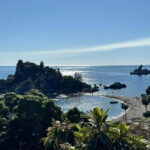
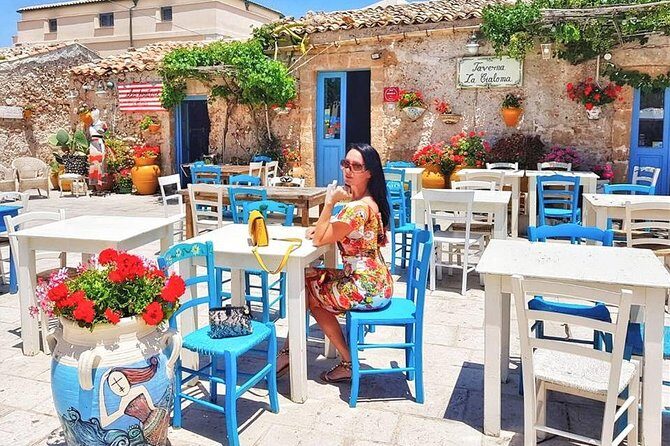
Marzamemi is the kind of place you remember for its colors and shape, because the town is described as having kept its original look. It’s also an Arabic-origin village, which matters here because the story isn’t treated like a trivia stop. You’re given context on how different civilizations shaped fish processing over time—from Phoenicians and Greeks to Romans and Arabs.
Then you do the practical part: you walk along the sea, and lunch happens in a small taverna right in front of the water. The tour is explicit that you’ll enjoy a delicious local fish lunch, and that’s one of the best-value parts of the schedule. In southern Italy, a “local fish lunch” can be everything from decent to unforgettable—and this is set up specifically as the meal tied to the place.
What I like about Marzamemi on this route is that it sets the tone. You start with a fishing village that feels lived-in, not staged, and it gives you a baseline for what “real Sicily” means before the Baroque gets heavy.
Potential drawback: the day starts with travel time and then moves straight into a walking-and-lunch rhythm. If you’re the type who needs quiet time first, you’ll want to mentally accept that this tour runs on momentum.
Capo Passero and Portopalo di Capopassero: Sicily’s Edge Where the Atmosphere Changes
From Marzamemi, the drive continues south toward Portopalo di Capopassero, described as Sicily’s very south-east corner—one of the outposts of Europe on the border with the Mediterranean and Africa. That phrasing isn’t just poetic. It signals a shift in mood: fewer big-city signals, more horizon, more wind.
Portopalo is presented as a far-off place both geographically and in atmosphere, where the village still lives from fishing and agriculture. That’s the kind of detail that changes your experience. You’re not just stopping at a viewpoint; you’re in a place where daily work still shapes the day.
Why it works well as a tour stop: it breaks the Baroque pattern. You’ve had coast views and meal time; now you get a visual palate cleanser before Scicli and Modica. It also helps explain why a sensory tour theme fits here. The air, the sea-salt feeling, the general “edge of Europe” atmosphere all play into smell and taste later.
If you’re expecting nonstop monuments: you won’t get that. Portopalo is about atmosphere and pace, not marble.
Scicli’s UNESCO Late Baroque and the Greenhouse Olfactory Journey
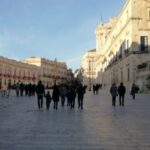
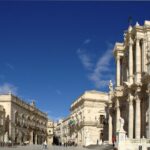
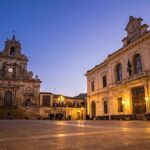
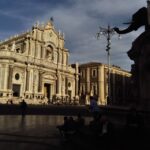
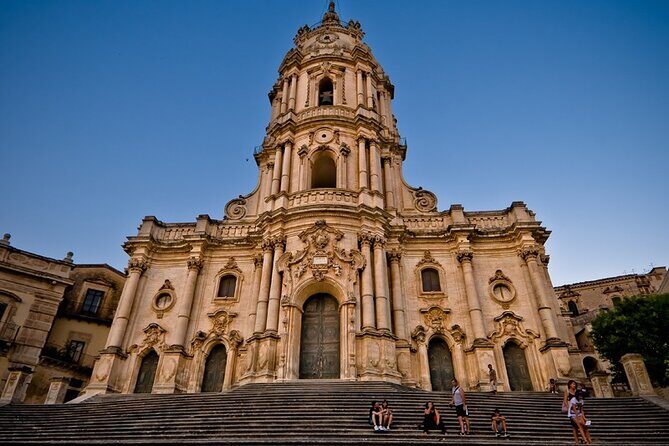
Scicli is where the itinerary leans fully into late Baroque. The town is included in the World Heritage list as part of the Val di Noto, and the tour calls out its extraordinary late Baroque buildings as what makes the city unique in the area.
One detail I appreciate: you’re also told about the setting you travel through—rolling countryside among rocks and giant carob trees. That matters because it softens the “city stops only” feel. You’re not just hopping between streets; you’re moving through an agricultural landscape that explains why food and scent are central on this tour.
Then comes the signature experience: a visit set in a nursery between Scicli and the sea, where you’re guided through an olfactory “Journey” made of unknown aromas and forgotten scents. The format sounds structured rather than random: you’ll get instructions-for-use, plus recipes and tastings, and there are aperitifs in an event space created in one of the greenhouses.
This is a rare type of activity. It’s not a “spray perfume and hope” setup. The tour description explicitly frames it as an itinerary of sensuous experiences with practical guidance. For you, that means it’s more memorable than a simple tasting flight, because you’re learning what you’re smelling and why it might connect to local culinary traditions and the landscape around you.
Two practical considerations:
- If you strongly dislike strong or unfamiliar smells, this part could be tough. The experience is built around unknown aromas, so go in expecting surprises.
- This is also a break in the day. It’s a good break—still, it means less time for optional extra wandering in Scicli on your own.
Modica: UNESCO Alleys, Jasmine Nights, and Watching Chocolatiers Make It Traditional
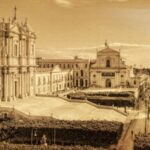
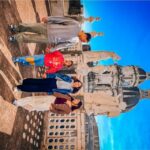
Modica is called a UNESCO World Heritage site, and it’s described as an open-air museum—terraced narrow alleys built into the landscape around it. That “terraced alleys” phrasing is your clue: you’ll be moving through compact streets where views come in layers, not wide plazas.
Then the tour adds a second sensory layer: Modica needs to be smelled. The description connects that to the process and atmosphere—when chocolatiers and cake shops bake local specialties, and when flowering jasmine embraces the area in summer nights. So yes, aroma is part of the setting, not just part of the scheduled olfactory activity.
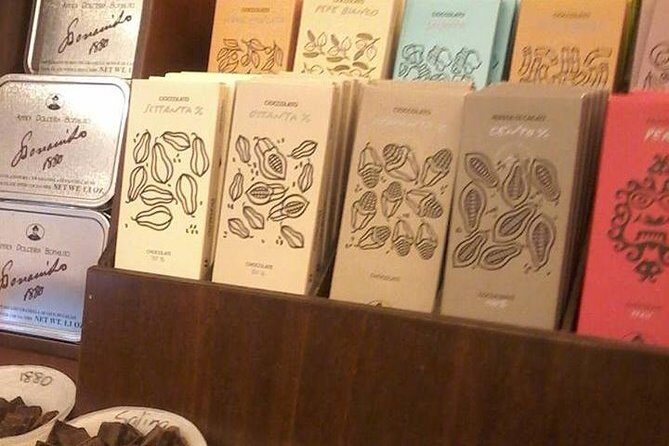
And chocolate is the main event. Modica’s traditional chocolate-making is described as based on Aztec methods and old recipes. That’s a big claim, and the tour doesn’t leave it as abstract history—it includes a visit to a chocolate factory and taste, plus the option to watch chocolatiers at work for the real chocoholic.
What you’ll actually get out of this stop is a clearer picture of how tradition becomes daily work. Watching chocolatiers means you can connect the smell, the texture, and the final bite to the steps that produce it. It’s also one of the best “take something home” moments, because chocolate is easy to share and simple to remember later.
If you want a purely visual, photo-heavy day: Modica will still deliver. But the emotional payoff here comes from taste and scent working together.

Hotel, Timing, and What’s Included vs. Up to You
You get one overnight in a 4-star charming hotel with breakfast included. Dinner is on your own the first night, which gives you freedom—without turning your day into a scavenger hunt.
The itinerary includes lunch twice in practice terms:
- a fish lunch during the Marzamemi portion
- lunch during the olfactory experience in the greenhouse area (the tour lists olfactory visit and lunch together)
Bottled water is included, and transport is private and air-conditioned. You’ll also have round-trip private transfer and pickup/drop-off from designated meeting points.
Two things to keep in mind:
- Entrance fees to monuments are not included, so if you add extra stops or sights beyond what’s planned, you’ll pay separately.
- Drivers act as tour escort/host rather than a licensed local guide. You’re still guided, just not with a separate monument-license local guide for each site.
The dress code is formal or smart casual. That doesn’t mean you need a suit, but it does mean this is not a flip-flops-everywhere day. Save the super-casual look for later.
Price and Value: What You’re Really Paying For
At $1,388.18 per person for a 2–3 day experience, this isn’t the cheapest way to see south-east Sicily. The value only makes sense if you care about the specific set of experiences included.
Here’s what you’re buying beyond sightseeing:
- A 4-star hotel night with breakfast (real overhead is baked in)
- Private round-trip transfers and air-conditioned transport throughout
- Fish lunch plus additional lunch
- Olfactory journey with guided scent experience, tastings, and aperitifs
- Chocolate factory visit and taste, with the chance to watch chocolatiers at work
- Support from a driver/escort/host and bottled water
When you subtract those from the cost, the remaining question is: do you want this exact mix of sensory experiences plus Baroque towns? If yes, the price is easier to justify. If you mostly want churches, ruins, and long monument time, you might feel the day is too structured.
Also, there’s a minimum of 2 people per booking and group discounts, so if you’re traveling with a friend or partner, the math usually feels better.
Practical Tips for Smell-Based Touring and Baroque Walking
I’d pack for a day that mixes roadside strolling, compact towns, and a greenhouse-style experience.
- Shoes matter: you’ll be walking along the sea and through terraced narrow alleys, and the tour asks for moderate physical fitness.
- Dress smart: formal or smart casual is required, so pick something comfortable but not sloppy.
- Plan for unfamiliar scents: the greenhouse portion is built around unknown aromas and forgotten scents. If scents can trigger headaches for you, consider that before booking.
- Vegetarian option exists: you can request it at booking if needed.
- Tell them your dietary needs: the tour asks you to advise specific dietary requirements at time of booking.
- Minimum drinking age is 18: that matters because the olfactory experience includes tastings and aperitifs.
- Entrance fees aren’t included: if you want extra monument time, budget for it.
If you’re starting from Catania and thinking of adding your own time either before or after the tour, parking can be a pain in big-city centers. Use pickup/drop-off as much as you can to avoid that stress.
Should You Book This Sicily Tour?
Book it if you want more than Baroque photos. I’d choose it when you love food and smell as part of travel, and when you’re happy with a structured two-day rhythm: Marzamemi fish lunch, Portopalo’s edge-of-Europe atmosphere, Scicli’s late Baroque, then Modica chocolate with a chance to watch the makers.
Skip it if your main goal is long free time in museums and monuments, because this tour is designed around guided sensory stops and shared meals. Also skip or think twice if unknown aromas are a problem for you personally.
If you fit the sweet spot—pairing UNESCO Baroque towns with real local tastes and that greenhouse olfactory journey—this is the kind of trip that sticks.
FAQ
How long is the tour?
The tour is listed as lasting 2 to 3 days (approximately), with the schedule described across two days of sightseeing and one overnight stay.
Where does the tour start and what time?
The start is in Catania, Sicily, with a 9:00 am meeting time.
Is this a private tour?
Yes. It is a private tour/activity, and only your group will participate.
Is a hotel included?
Yes. You get 1 overnight accommodation in a charming 4-star hotel, with breakfast included.
What meals are included?
Breakfast is included. The tour also includes a fish lunch, plus lunch during the olfactory experience.
Are entrance fees to monuments included?
No. Entrance fees to monuments are not included.
Does the tour include chocolate?
Yes. You’ll have a visit to a chocolate factory and taste, and it’s possible to watch the chocolatiers at work.
What is the olfactory journey?
It’s a guided scent experience made of unknown aromas and forgotten scents, with instructions-for-use and tastings (including aperitifs) in an event space created in a greenhouse.
Is there a vegetarian option?
Yes. A vegetarian option is available if you advise at booking.
Can I cancel for a refund?
You can cancel up to 6 days in advance of the experience for a full refund. A partial refund may apply if you cancel 2–6 days before the start time. If you cancel less than 2 days before, no refund applies.