REVIEW · CATANIA COOKING CLASSES
Catania: Cooking class set in a sea front historic villa
Book on GetYourGuide →Operated by Kemedia · Bookable on GetYourGuide
A sea breeze and fresh pasta in the same hour. I love the mix of hands-on Sicilian cooking and the setting: a historic villa terrace looking out toward the Gulf of Ognina.
You get real technique, not just a show-and-tell, guided by a genuine Sicilian grandmother plus a professional chef, with English and Italian support. One thing to consider: the exact address isn’t given until booking, so you’ll want to plan for that when you’re organizing your day.
The biggest draw for me is the fresh pasta focus—from shaping cavateddi to perfecting ricotta cream for cannolo—paired with a full dinner you’ll actually help make. And the small group size (up to 10) matters here, because you need room to work dough and ask questions. The only likely drawback is that this is a 3-hour class, so it moves at a comfortable pace but not slowly.
In This Review
- Key highlights at a glance
- Piccolo Porto di Ognina: A historic villa with sea views
- The 3-hour flow: from welcome drink to dinner and cannolo
- The cooking class setup: small group, big hands-on time
- Fresh pasta techniques you’ll actually use later
- Cavateddi alla Norma: learning the dish, not just the shape
- Ricotta cream and cannolo: the sweet finale
- The terrace meal in the historic villa: dinner is part of the lesson
- Value check: is $130 worth it?
- Who this fits best (and who should rethink it)
- What to bring, how to prepare, and what to expect
- Final verdict: should you book the Catania sea-front pasta class?
- FAQ
- How long is the cooking class?
- What does the price include?
- What dishes will I learn to make?
- Where do we meet?
- Is it a small group?
- What languages are offered?
- Is there free cancellation?
Key highlights at a glance
- Sea-view welcome refreshment at the start, so you’re already in vacation mode
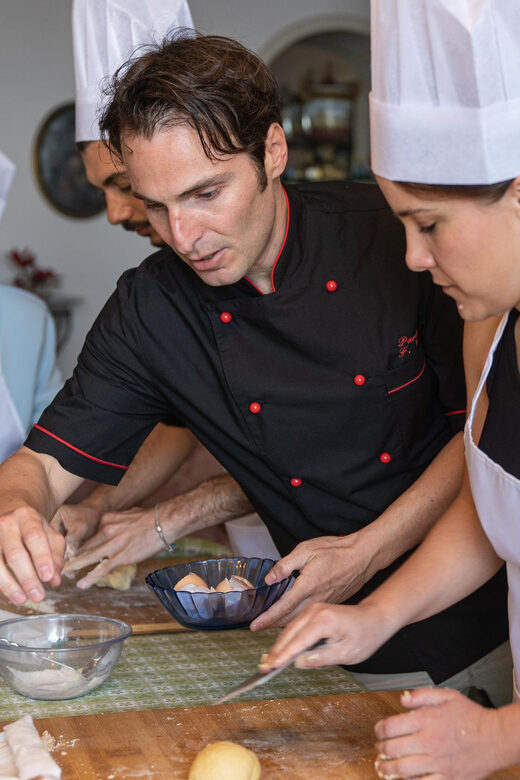
- Fresh pasta lesson taught by a Sicilian grandmother and a chef
- Cavateddi alla Norma + ricotta cream for cannolo, the real Sicilian classics
- Historic villa dinner using what you prepare, not a separate restaurant meal
- Recipe booklet so you can recreate the dishes at home
Piccolo Porto di Ognina: A historic villa with sea views
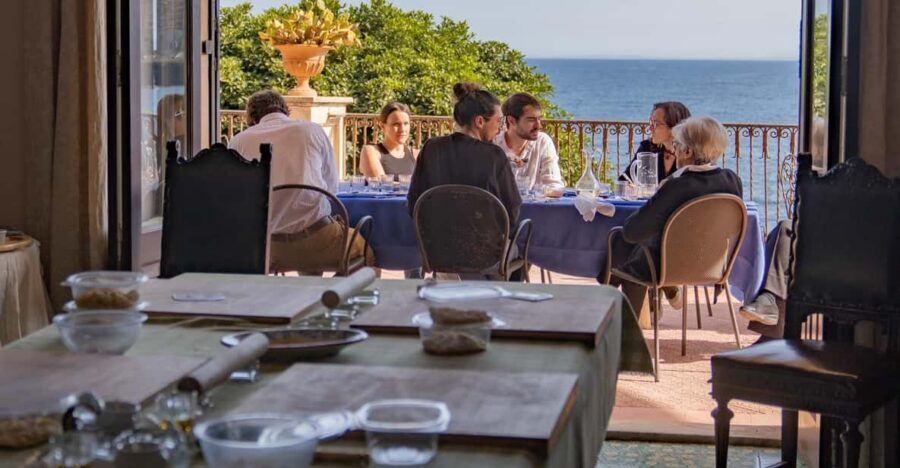
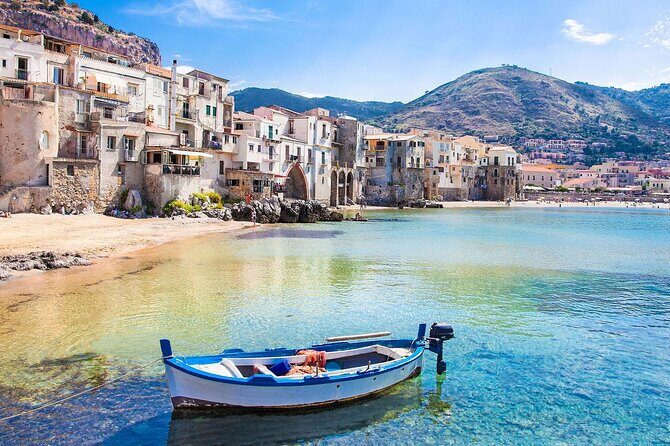
This experience is set at Piccolo Porto di Ognina, and the vibe starts immediately: you meet on a terrace overlooking the Gulf of Ognina. Even if you’ve visited other Sicilian food stops, the sea-front setting changes the pacing. You’re not rushing between places. You arrive, get a welcome drink, and settle in with the kind of view that makes you pay attention to what’s on your table.
The location is also a big part of the value. A good cooking class is partly about the food, but it’s also about atmosphere: the terrace view, the villa setting, and the feeling that you’re in someone’s home-style hospitality rather than an assembly-line kitchen. You’ll see this reflected in the standout comments from past participants, who consistently mention the beautiful villa and the breathtaking views.
One practical note: since the exact address is provided by the supplier after booking, you’ll want to have your confirmation details handy and give yourself a little buffer if you’re driving or taking a taxi.
Other Catania cooking classes we've reviewed in Catania
The 3-hour flow: from welcome drink to dinner and cannolo
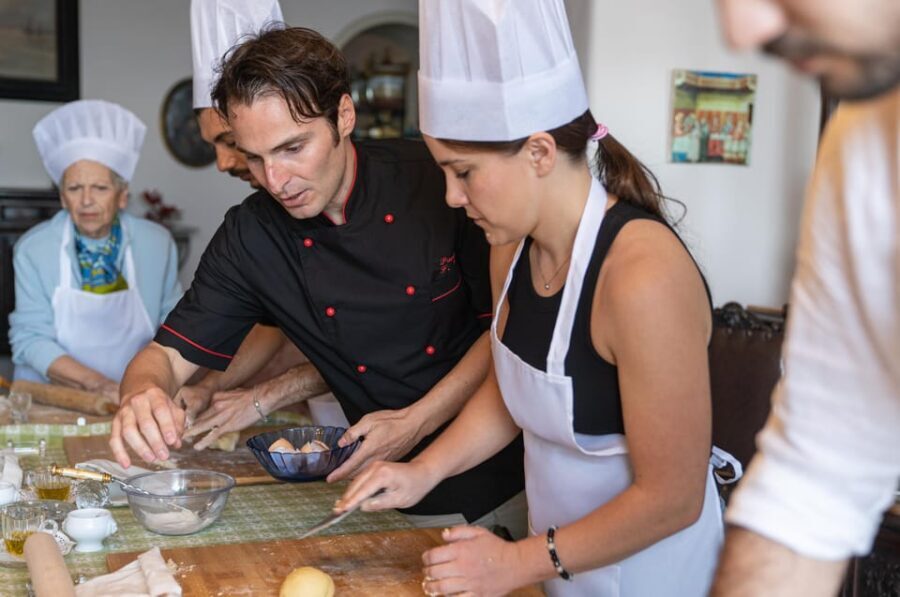
Plan for about three hours total. That may sound short, but the structure is tight in a good way: you learn a technique, apply it, eat what you made, then finish with cannolo. You’re not stuck waiting around while someone else does all the work.
Here’s the order you can expect based on the experience details:
- Welcome refreshment overlooking the sea
You start on the terrace with a local welcome drink setup that includes soft drinks and local wine as part of the tasting context.
- Hands-on pasta cooking class
You join the lesson focused on fresh pasta. This is the main event, with ingredient guidance and technique.
- Dinner at the historic villa
After the lesson, you eat a meal featuring the dishes you prepared, served in the villa setting.
- Finish with Sicilian cannolo
The class ends with cannolo filled with creamy ricotta and crunchy pistachios.
For your day planning, this is ideal if you want a true food experience without losing half your afternoon commuting. It also works well as a “main event” in your Catania itinerary: show up hungry, get taught step-by-step, and leave with a full meal plus a recipe booklet.
The cooking class setup: small group, big hands-on time
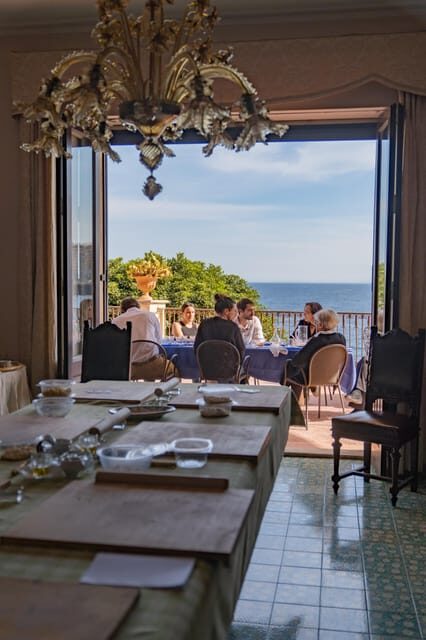
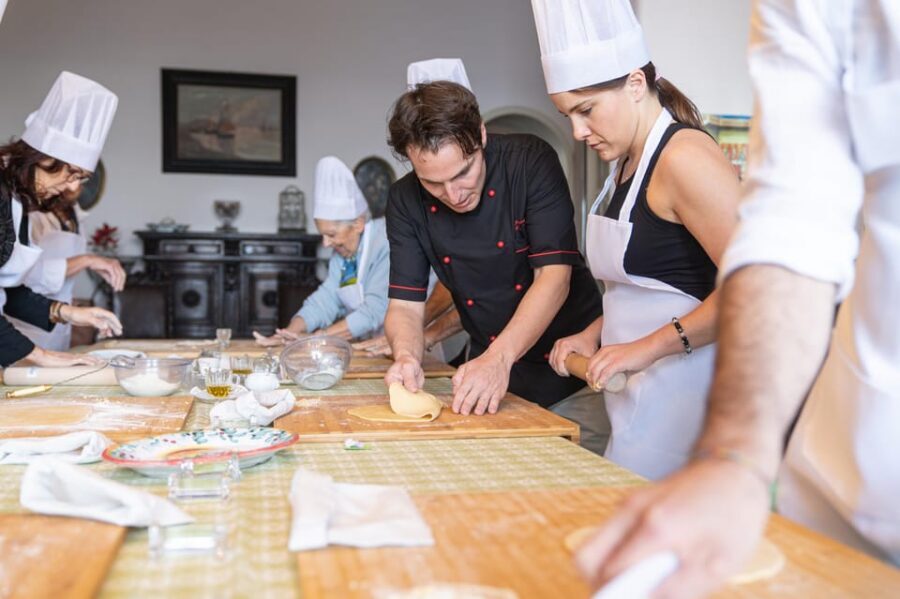
This is a small group class limited to 10 participants. For cooking, that’s not just a comfort detail—it affects how much time you get actually working dough and asking questions. Fresh pasta depends on small adjustments, like how you handle thickness or how you feel the dough’s readiness. A smaller group makes it easier for the chef and grandmother figure out what you need in the moment.
You’ll also be supported in English and Italian, which matters if you want to learn techniques you can repeat later. Even if you only speak a little Italian, the presence of English support helps you follow each step and understand what to pay attention to.
The teaching team is one of the most appealing aspects: you learn from a genuine Sicilian grandmother plus a professional chef. That combination usually means you get both tradition and precision—comforting, family-style instruction paired with the method that keeps the results consistent.
Fresh pasta techniques you’ll actually use later
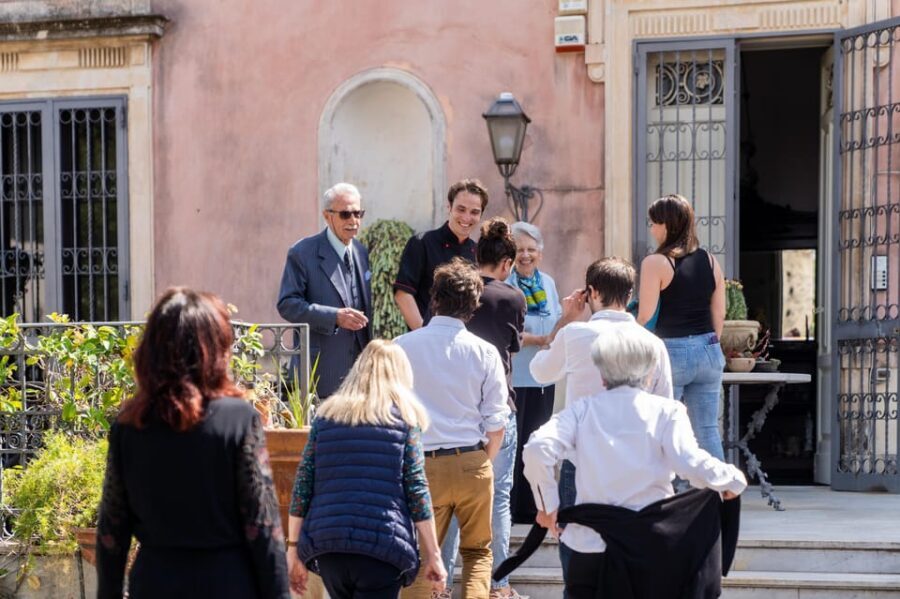
The class centers on making fresh pasta, and the focus isn’t generic. You’re taught to craft uniquely flavored pasta using ancient Sicilian grains. That’s the sort of detail that makes a food class more memorable than a basic “make dough and cook it” session.
You’ll learn traditional methods specifically tied to:
- Cavateddi alla Norma
- ricotta cream for cannolo
Cavateddi alla Norma is a recognizable Sicilian dish, and the cavateddi part matters because shaping affects how the pasta holds sauce. This is where hands-on instruction pays off. Instead of just watching, you’re there with the dough and learning the motions.
As for the ancient grain angle, it’s a strong learning hook. You’re not only creating a dish; you’re learning a flavor story: how ingredients connected to Sicilian agriculture show up in everyday cooking. Even if you don’t cook with ancient grains regularly at home, you’ll pick up the logic behind the flavors and textures.
Cavateddi alla Norma: learning the dish, not just the shape
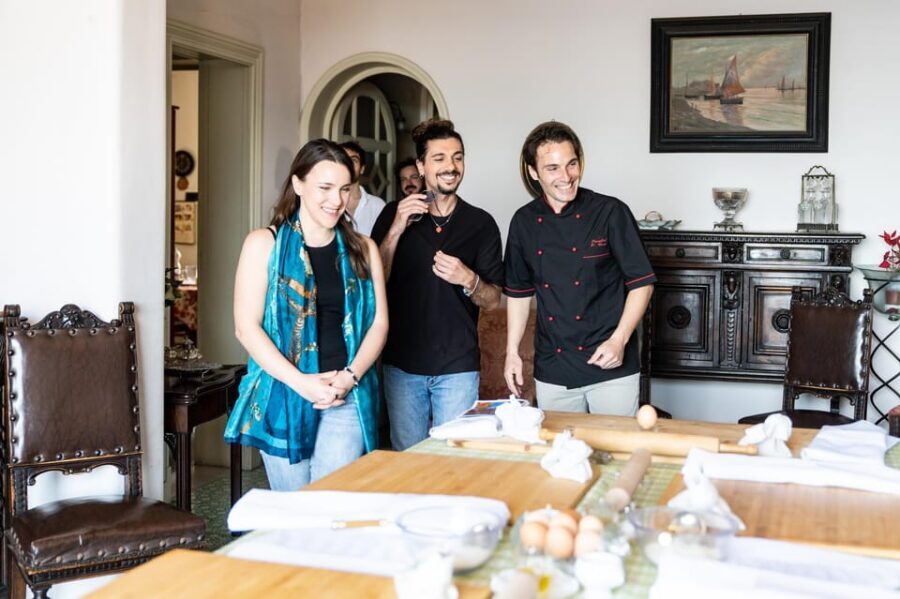
The class includes instructions for making Cavateddi alla Norma, which gives you a full “from dough to plate” outcome. From your perspective, that’s useful because you’ll understand how the pasta’s texture supports the dish as a whole. If you’ve ever tried to recreate a pasta dish later, you know the hard part is usually not the sauce—it’s getting the pasta right.
This is also where the grandmother’s role shines in concept: traditional technique tends to be about feel. You’ll get guidance that helps you connect the steps to results, which is exactly what you need if you want to recreate the dish after the trip.
If you’re picky about authenticity, this is a good sign. The experience doesn’t stop at general pasta-making. It points you to a specific, Sicilian classic and the steps needed to produce it.
Other historical tours in Catania


Ricotta cream and cannolo: the sweet finale
Cannolo is often treated as a dessert you buy in a shop. Here, you work toward it by learning the component that makes cannolo taste like cannolo: perfecting ricotta cream.
The experience specifically calls out ricotta cream preparation, and then you end the meal with cannolo filled with creamy ricotta and crunchy pistachios. The pistachios detail is a big texture win, and it’s also practical knowledge. If you’ve ever made a cannolo-style dessert at home and it came out soft or flat, texture balance is usually the reason.
So the value isn’t only that you eat cannolo. It’s that you understand the cream part well enough to aim for the right texture. The recipe booklet later helps cement those steps.
The terrace meal in the historic villa: dinner is part of the lesson
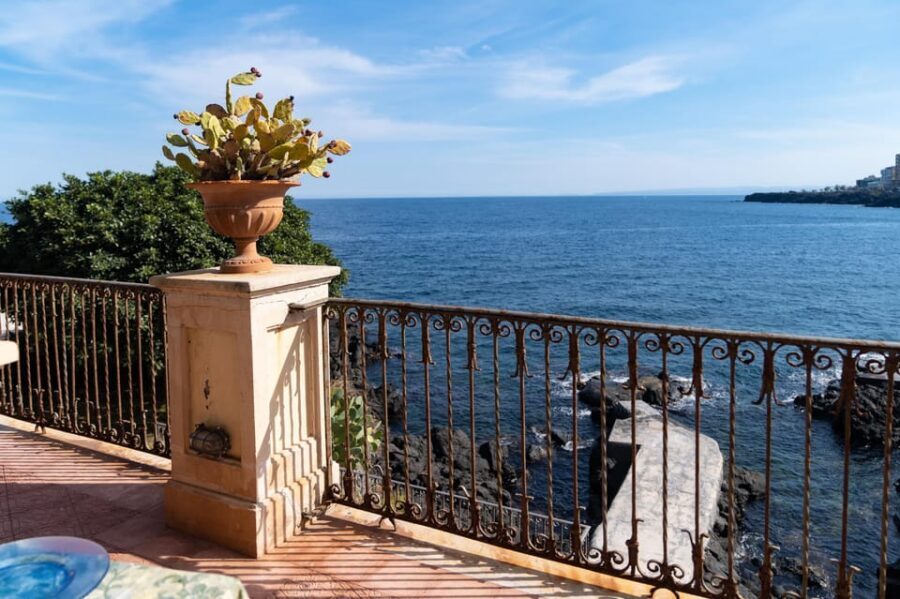
After the cooking portion, you eat dinner featuring the dishes you prepared in the historic villa. That’s a key difference from some classes where you cook, then wait for a separate restaurant meal. Here, dinner follows the work you did, which makes the tasting more meaningful.
You’ll also have local wine and soft drinks in the context of the Sicilian tastings. That’s not an afterthought. It helps you treat the meal like a real evening, especially if you’re trying to fit food experiences into a short trip.
What I like about this arrangement is the cause-and-effect feeling. When you’ve made something yourself, the dinner tastes different. You notice seasoning, texture, and balance more clearly, because you’ve handled the ingredients yourself. And in this kind of villa setting, it doesn’t feel rushed. You can actually enjoy the food without checking the clock every five minutes.
Value check: is $130 worth it?
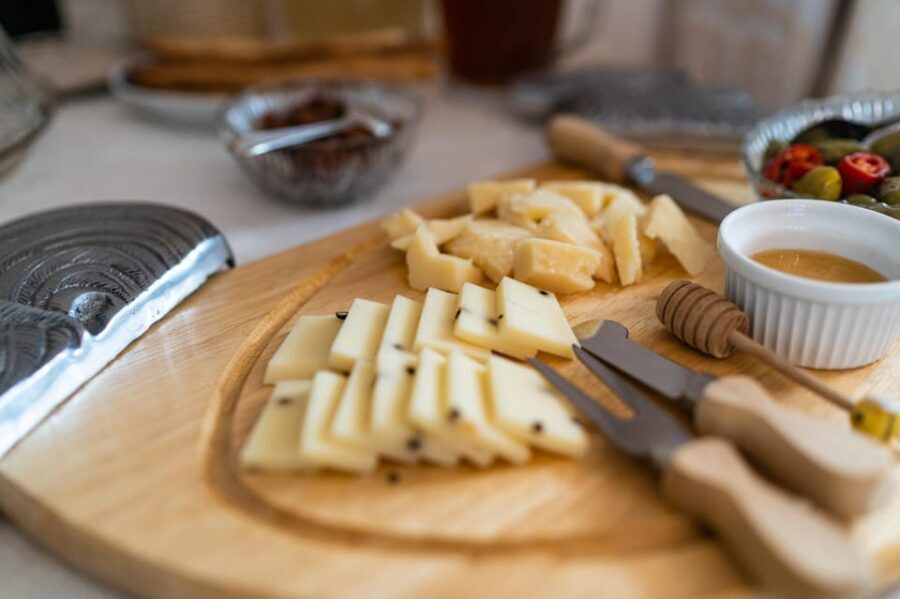
At about $130.28 per person for a 3-hour class, you’re paying for more than a recipe. You’re paying for:
- a chef-led cooking class (including equipment and ingredients)
- dinner using the dishes you prepare
- a recipe booklet to take home
- a sea-view setting at a historic villa
- small-group attention (up to 10 people)
- local wine/soft drinks in the tasting experience
If you’ve ever done a “food tour” that mostly involves walking and light sampling, this is a different category. This is closer to a hands-on workshop plus a full meal. For many people, that makes the price feel fair because you’re not just paying to see food—you’re paying to learn and then eat the results.
The value is strongest if you care about technique and want a clear takeaway. The recipe booklet helps you turn the experience into something you can repeat, rather than memories that fade after the flight home.
Who this fits best (and who should rethink it)
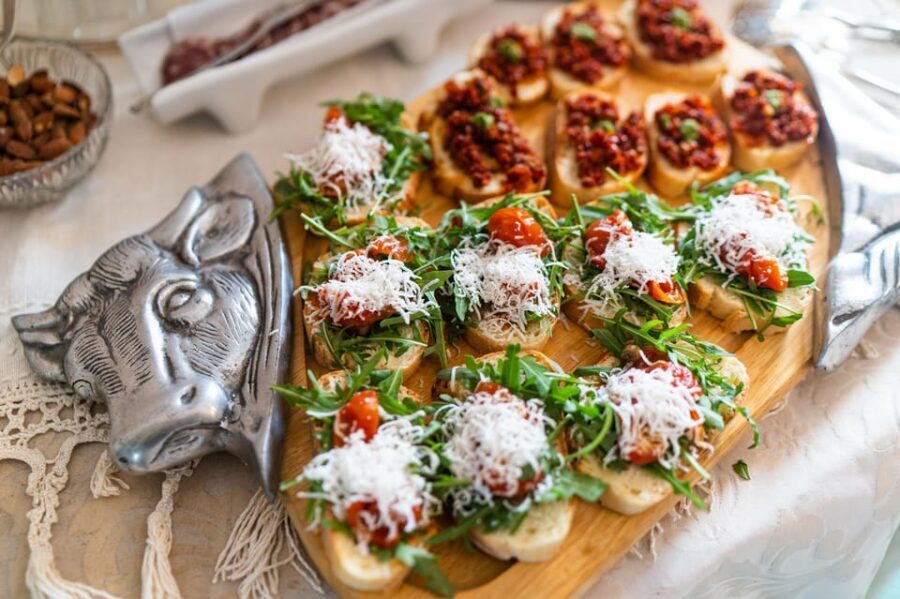
This class is a great match if you:
- want a hands-on Sicilian meal experience
- enjoy pasta-making or Italian cooking techniques
- prefer a smaller group setting with instructor attention
- want a scenic Catania activity that doubles as dinner
- like learning specific dishes (Cavateddi alla Norma and cannolo), not vague food facts
You might rethink it if you’re looking for an all-day activity or a very flexible schedule. With a fixed 3-hour block, it’s not designed to be stretched into a full itinerary buffer.
What to bring, how to prepare, and what to expect
The experience details don’t list a formal dress code, but you’ll be working with dough. Wear clothes you’re comfortable getting a little flour or food on. Closed-toe shoes can also make you feel more stable if the terrace area is uneven or you’re moving around a bit.
Since the exact address is confirmed after booking, I recommend having your phone ready for the message and planning to arrive a few minutes early. With a sea-front meeting point, you don’t want to be late while trying to find parking or a taxi drop-off.
Food-wise, you should come hungry. You’ll have an appetizer and dinner, and then cannolo at the end. This is not a light snack experience.
Final verdict: should you book the Catania sea-front pasta class?
If you want a memorable Sicilian food night with real technique, this is the kind of booking that pays off. The combination of sea-view hospitality, a historic villa setting, a fresh pasta focus, and an end-to-end meal (including cannolo) makes it feel like more than a single class. Add the small group size and the fact that you learn from a Sicilian grandmother plus a professional chef, and it becomes a solid value at the price point.
I’d book it if you enjoy learning how to make specific Italian dishes, especially pasta shapes and ricotta-based desserts. Pass if you prefer food experiences that are mostly strolling and sampling, or if you need something longer than three hours.
FAQ
How long is the cooking class?
The experience lasts about 3 hours.
What does the price include?
It includes the cooking class with a chef, an appetizer and dinner in a historic villa, equipment and ingredients, and a recipe booklet.
What dishes will I learn to make?
You’ll focus on fresh pasta, including Cavateddi alla Norma, plus you’ll learn how to perfect ricotta cream for cannolo.
Where do we meet?
The exact address is provided by the supplier after booking. The activity ends back at the meeting point.
Is it a small group?
Yes. The group is limited to 10 participants.
What languages are offered?
The instruction is available in English and Italian.
Is there free cancellation?
Yes, you can cancel up to 24 hours in advance for a full refund.