REVIEW · BAROQUE TOWNS OF SICILY
Catania: Noto, Modica and Ragusa Ibla Baroque Tour
Book on GetYourGuide →Operated by Lemontour Catania · Bookable on GetYourGuide
Sicily rebuilt itself into baroque perfection. This day trip lets you walk the Garden of Stone in Noto and get a real feel for the Modica chocolate reputation, all tied to the late-Baroque rebuild after the 1693 earthquake. I like how the guide connects the earthquake story to what you can actually see in the facades and stonework. I also like that the day includes food, not just photos. The main drawback is simple: you cover a lot in one stretch, so comfort depends on the vehicle and the pace.
The whole experience centers on the Val di Noto towns, recognized by UNESCO for their late-Baroque architecture. You’ll be in guided mode most of the day, with stops designed for walking and looking closely, not racing through.
One more practical point before you go: the van ride can be part of the experience, and on hot days that matters. Some days run smoothly and others come with comfort complaints, including lack of air-conditioning and a rougher ride, so it’s worth packing with that in mind.
In This Review
- Key Things To Know Before You Go
- Why the Val di Noto Baroque Story Starts With 1693
- Morning Pickup in Catania: Smooth Start, Tight Schedule
- Ragusa Ibla in the Province of Ragusa: Alleys, Gardens, and Stone Drama
- Noto’s Garden of Stone: Walking the Capital of Sicilian Baroque
- Modica Chocolate Between Architecture Stops
- What the Van Time Means for Your Experience
- How Much Value You’re Really Getting at $101.50
- Who This Tour Fits Best (And Who Might Want a Slower Plan)
- Should You Book This Baroque Day Trip From Catania?
- FAQ
- What towns are included in this tour from Catania?
- How long is the Catania to Noto, Modica, and Ragusa Ibla Baroque Tour?
- What time does pickup usually happen in Catania?
- What languages is the live guide available in?
- Is pickup and drop-off included?
- Is there a cancellation policy?
Key Things To Know Before You Go
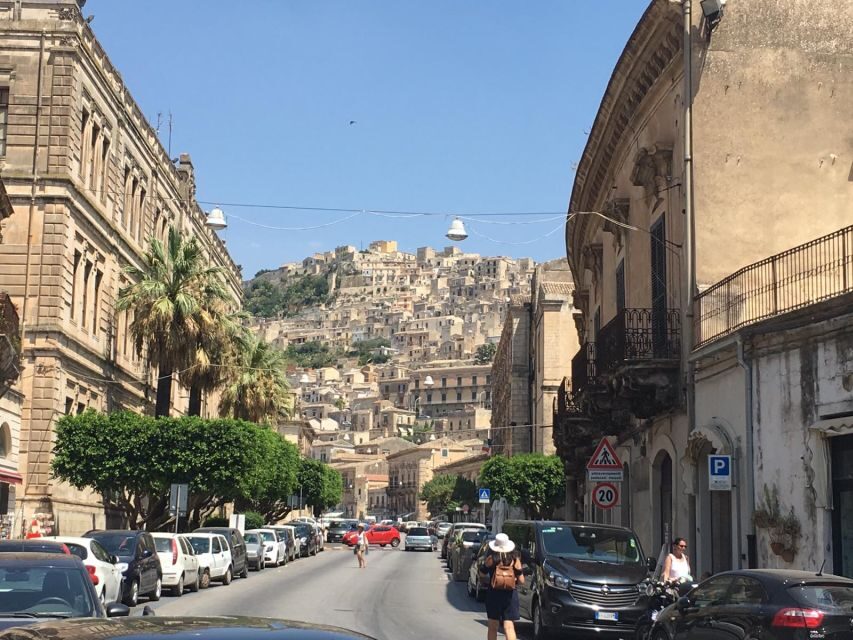
- UNESCO late Baroque in the Val di Noto: the design style is the whole point, and it traces back to the 1693 earthquake rebuild.
- First guided stop in Ragusa province: you get an early taste of Ragusa Ibla’s alley atmosphere and baroque stonework.
- Noto is the star for Baroque details: the Garden of Stone area and its sculpted buildings are a huge reason to choose this tour.
- Modica chocolate tasting is built in, so you get a food win during the architecture day.
- Pacing is full-day: plan for a long day with multiple guided blocks and driving between towns.
- Multilingual guiding (English, French, Italian, Spanish) helps you follow the story even if your group is mixed.
Why the Val di Noto Baroque Story Starts With 1693
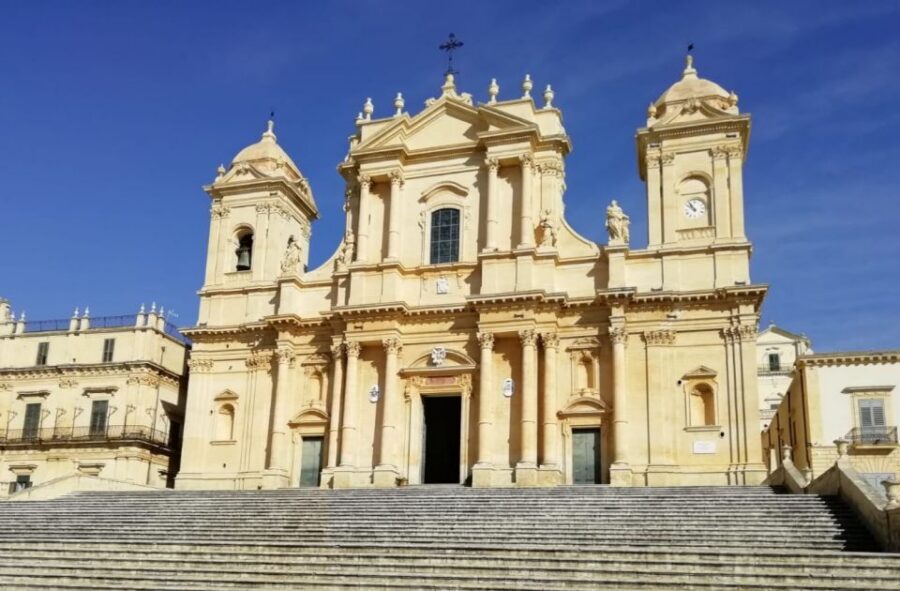
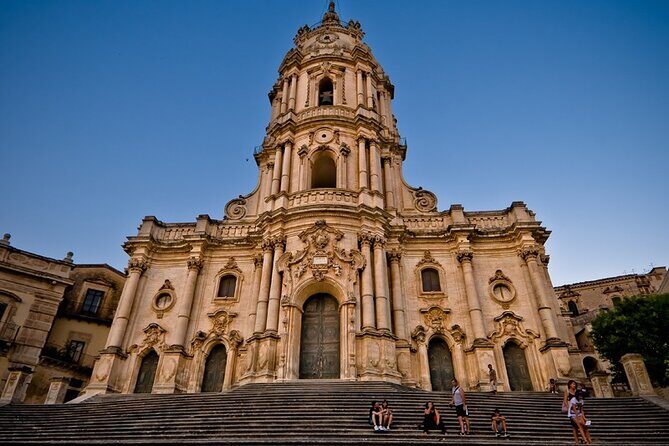
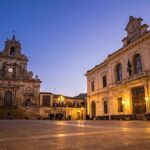
The late Baroque of southeastern Sicily is not just decoration. It is a response. After the earthquake of 1693, towns in the Val di Noto region were rebuilt using a style that favored dramatic movement in stone: curved lines, stacked details, and facades that look almost theatrical.
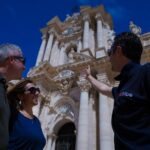
That is why this tour feels more meaningful than a quick sightseeing loop. As you walk, you start recognizing recurring motifs: elaborate carvings, the sense of depth in layered stone, and those odd, playful touches that can feel slightly ghostly. The style is often described with dramatic imagery because, up close, it really does look like the buildings are wearing costumes.
I also like the way the day is structured around cause and effect. You begin with the regional rebuilding story, then you visit towns where you can spot how that style was interpreted again and again. In other words, you’re not just looking at pretty buildings. You’re learning how a disaster shaped an aesthetic.
And yes, it’s practical. Once you know what to look for, your photos improve fast, because you start aiming at cornices, balconies, and sculpted details instead of only the big front facades.
Other Syracuse, Ortigia and Noto tours from Catania we've reviewed in Catania
Morning Pickup in Catania: Smooth Start, Tight Schedule
Pickup is in Catania city and nearby areas, usually around 9:00 to 9:15 AM. You meet the group at your accommodation, then you’re off by van. From there, the day alternates between driving time and guided walking time, so it runs like a sequence rather than a freeform roam.
A key timing detail: the schedule is built for guided blocks of about 1.5 hours in the main towns, with shorter transfer drives between them. That structure is helpful. It means you don’t have to figure out parking, which streets to enter, or where the key baroque zones are.
The trade-off is that you should treat this as an architecture sprint. If you’re the type who loves lingering, you’ll want to know that the day is designed to fit three major towns in one go. You can still slow down for a photo stop, but you’re unlikely to spend long stretches just wandering without rejoining the guide.
Comfort is the one variable. Some people flag issues like a lack of air-conditioning and a rougher ride. So if you’re sensitive to heat or motion, plan accordingly: bring water, wear breathable layers, and have your sunscreen ready for the walking parts.
Ragusa Ibla in the Province of Ragusa: Alleys, Gardens, and Stone Drama
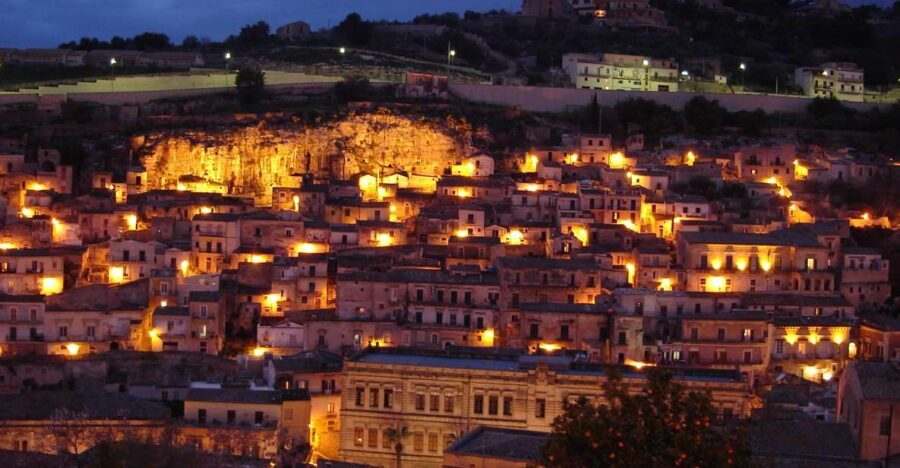
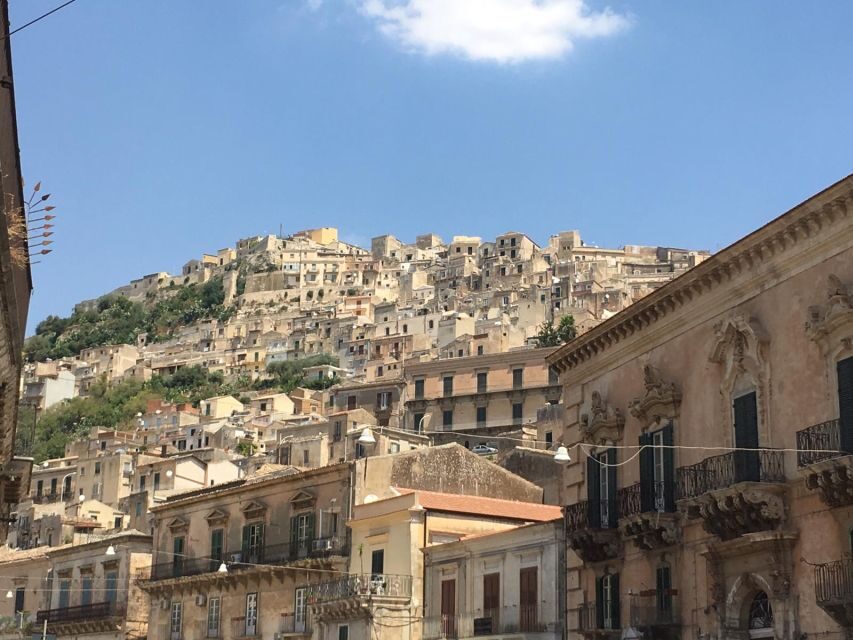
The first big guided period happens in the Ragusa province, centered on Ragusa Ibla. This is where the Baroque experience feels most atmospheric because of the town’s layout. Instead of only staring up at a single grand square, you move through characteristic alleys where light and shadow do a lot of the work for the architecture.
Ragusa Ibla is known for opulent buildings and the kind of stonework that makes you want to turn your head. Look for carved details on facades and for the ways balconies and openings stack up along the streets. The guide’s background helps you connect the details to the late-Baroque language used after 1693.
Then there’s the green element: Iblei gardens. Even if you only catch a glimpse due to time limits, this stop adds contrast. The baroque stone gets all the attention, but the gardens remind you these towns weren’t only built for display. They were built as real places to live, trade, and gather.
What I’d watch for here is the alley perspective. In Ragusa Ibla, a lot of the beauty comes from angles: looking slightly down a street, catching a facade at a diagonal, or noticing how the street curve changes the look of those carved surfaces.
If you prefer wide, open viewpoints, you might feel Ragusa Ibla is more about atmosphere than panoramic drama. That said, it’s a strong early start because it makes the style feel lived-in rather than staged.
Noto’s Garden of Stone: Walking the Capital of Sicilian Baroque
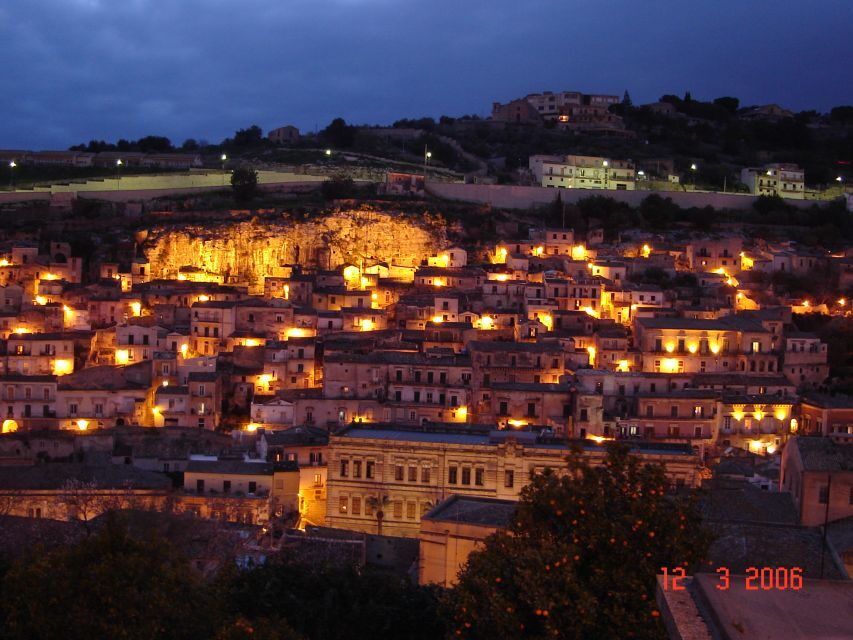
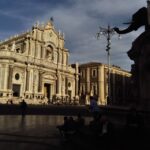
Noto is often considered the capital of Sicilian Baroque, and this tour treats it like the centerpiece. The guided time in Noto is long enough to actually notice the details, not just skim the highlights.
The phrase Garden of Stone fits perfectly here. Noto is packed with buildings where the baroque style is expressed through sculpted stone elements: elegant curves, repeating decorative shapes, and facades that feel like they were designed to catch changing light across the day. As you walk, you start to see how the architecture creates motion. Even when buildings are still, the design pushes your eye along lines and curves.
This is also where you’re likely to enjoy the storytelling most. The guide’s job becomes translating architectural vocabulary into something you can look for in real time. After 1693, the rebuilding wasn’t a single copy-paste job. Each town developed its own expression of the late-Baroque approach, and Noto’s version is famously refined.
Practical tip: save your best camera angle energy for the areas where the facades are closest to street level. From the sidewalk, carvings and ornamentation read better. If you’re zooming too early, you miss the small details that define the style.
One more thing: Noto’s walking can be steady, with you moving from one baroque zone to the next. Wear good shoes. The architecture is the draw, but your feet still do the work.
Modica Chocolate Between Architecture Stops
Modica is an ancient-origin town with an excellent culinary tradition, and this stop adds a welcome change of pace. After the stonework focus of the morning, the guided walk in Modica gives you time for local flavors, not just monuments.
The headline is Modica chocolate. This is not a vague snack stop. The day builds in tasting of different varieties, and that matters because it turns chocolate into part of the story of the town, not an afterthought.
Here’s why it works: after spending hours learning about baroque carving and rebuild history, your senses need a reset. Chocolate gives you texture, aroma, and a clear takeaway you can remember long after the day ends.
If you’re a foodie, you’ll also appreciate that the tour doesn’t position Modica as a cookie-cutter stop. It treats the town as more than a photo stop, with the guide tying in food culture alongside the architecture.
Practical tip: if you have a sensitive stomach, go easy at the start and build up. Chocolate tastings can be more than one tiny bite, and the day is still long.
Other Baroque town tours of Sicily we've reviewed in Catania



What the Van Time Means for Your Experience
The transfers are part of the deal: you’ll spend chunks of time in the van moving between towns. Some of that is simply distance, but the schedule also reflects a classic Val di Noto rhythm—drive, guided walking, drive, guided walking.
The useful part is that you avoid the stress of self-driving in unfamiliar towns. Parking and navigation are handled, and you spend your limited time where the walking matters.
The not-so-great part is the vehicle comfort issue that comes up for some groups. On some days, people report a van without air-conditioning, plus discomfort from road bumps. That doesn’t ruin the tour for everyone, but it can affect how much you enjoy the day.
So if you’re planning for summer heat or you get motion sick, plan ahead. Water helps with everything. A small towel or tissue helps. And if you need to hear clearly during driving, pay attention to where you sit so the guide’s commentary stays audible.
How Much Value You’re Really Getting at $101.50
At about $101.50 per person for an 8-hour day, the value comes from three things: guided interpretation, the full set of towns, and the pickup-and-dropoff convenience.
If you tried to do Noto, Modica, and Ragusa Ibla on your own, you’d likely spend extra time coordinating transportation and figuring out routes, especially if you’re staying in Catania and want everything stress-free. Paying for a vehicle and multilingual guiding can be worth it fast, especially if you care about understanding what you’re seeing.
The big value is that you’re not only getting the postcard towns. You’re getting an explanation of why they look the way they do. In baroque architecture, details matter, and the guide helps you notice them before you move on.
The one caution is that you’re paying for efficiency. If you want a slow, sit-down lunch-and-stroll kind of day, this pricing and schedule will likely feel rushed. This is best for people who like structure, who enjoy walking with a purpose, and who want a lot of sight-and-story packed into one day.
Who This Tour Fits Best (And Who Might Want a Slower Plan)
This tour fits you well if you want late-Baroque architecture with clear context and you’re okay with a busy day schedule. It’s especially good for couples, solo travelers who like meeting a group, and families who enjoy guided city walks more than self-planning.
You might consider a slower approach if you:
- Prefer deep unhurried exploration of one town rather than sampling three.
- Are very sensitive to long drives or vehicle comfort.
- Want lots of independent free time for shopping or long meals between stops.
Still, even if you’re not an architecture nerd, the day can land well because it balances stone and food. Noto delivers the showpiece baroque walking. Modica gives you chocolate as a concrete reward. Ragusa Ibla adds atmosphere through alleys and gardens.
Should You Book This Baroque Day Trip From Catania?
I’d book it if you want a structured, high-impact day in Val di Noto with real explanations and a tangible food stop. It’s a solid choice when you’re based in Catania and you want UNESCO-worthy late-Baroque towns without the coordination headache.
Hold off if you’re the type who needs comfort and breathing space more than packed schedules. Also think twice if you know you struggle with long van rides in heat.
If you get the timing right and you come ready for walking and looking closely, this tour delivers exactly what it promises: three baroque towns, one coherent story after the 1693 earthquake, and a day that mixes architecture with something you can taste.
FAQ
What towns are included in this tour from Catania?
You visit Noto, Modica, and Ragusa Ibla (in the Ragusa province). The day is guided through these late-Baroque towns associated with the Val di Noto area.
How long is the Catania to Noto, Modica, and Ragusa Ibla Baroque Tour?
The duration is 8 hours total. Starting times vary by availability.
What time does pickup usually happen in Catania?
Pickup is included at your accommodation in Catania city and nearby areas, usually around 9:00 to 9:15 AM. Be ready at your accommodation at the scheduled pickup time.
What languages is the live guide available in?
The tour provides a live guide in English, French, Italian, and Spanish.
Is pickup and drop-off included?
Yes. Pickup and drop-off are included, and the pickup is at your accommodation in Catania city and the surrounding area. If you are outside Catania Province, you can contact the provider about a transfer service (not included in the tour price).
Is there a cancellation policy?
Yes. You can cancel up to 24 hours in advance for a full refund.