REVIEW · CATANIA WALKING TOURS
Catania: City Highlights Tour with Guide
Book on GetYourGuide →Operated by Empeeria · Bookable on GetYourGuide
Catania has a way of pulling you in fast, and this walk helps you read it. You’ll start near the Elephant Statue and glide through the historic center with a live guide who connects the city’s lava-stone look to the stories you’d otherwise miss. I especially liked how the route mixes big sights with short turns into smaller streets.
Two things I really enjoyed: the Pescheria fish market stop (it’s sensory and full of local rhythm), and the Crociferi street churches and monasteries (late-Baroque details you can’t fully appreciate from the main road). One thing to consider: if you want more museum time or paid monument interiors, this is mostly a street-and-exterior experience, since entrance fees aren’t included.
In This Review
- Key things to know before you go
- Getting oriented at Piazza del Duomo and the Elephant Statue
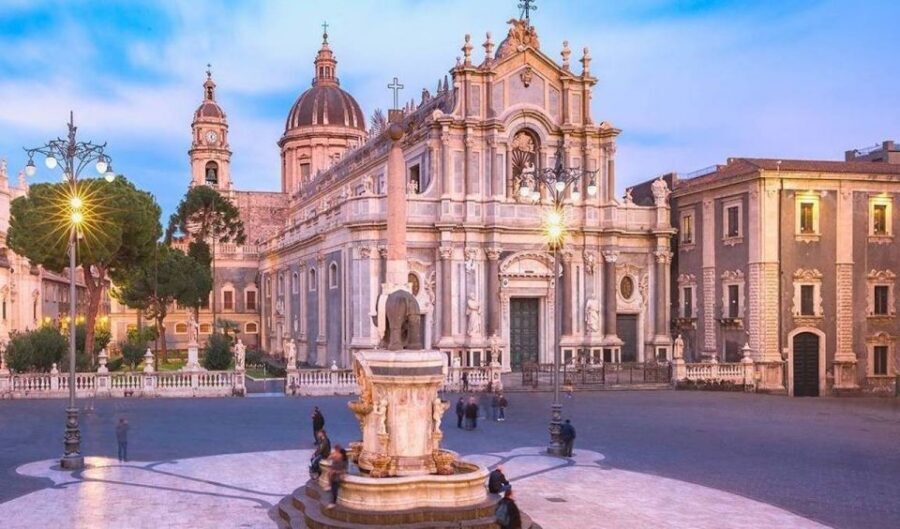
- Piazza Duomo and lava-stone architecture: what you’re actually looking at
- Pescheria fish market: smells, color, and local pace
- Crociferi Street: San Benedetto and San Giuliano in your line of sight
- Finishing on Via Etnea: ruins, old buildings, and a snack option
- How the 2-hour route actually works on your feet
- Price and value: is $29 a good deal?
- What to bring and what to expect from the guide
- Who this tour is best for (and who should choose differently)
- Should you book this Catania city highlights walk?
- FAQ
- Where is the meeting point?
- How long is the tour?
- What languages is the guide available in?
- What does the tour include?
- What is not included in the price?
- Where does the tour end?
- Is the Pescheria fish market open every day?
- What food can I buy during the tour?
Key things to know before you go
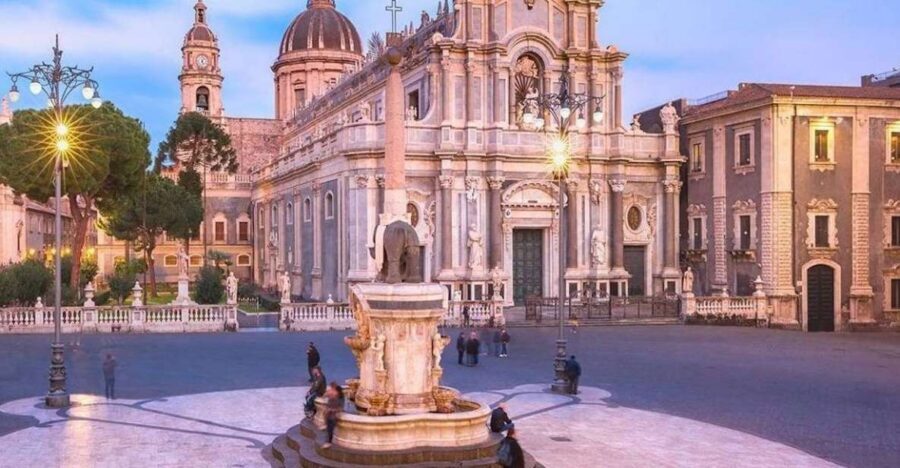
- Elephant Statue meeting point: your orientation starts exactly where Catania’s symbol shows up in Piazza del Duomo
- Lava-stone architecture explained: you’ll learn why so many buildings look the way they do
- Pescheria fish market with guide context: not just looking—understanding the market’s role in the city
- Crociferi Street churches: you’ll pass San Benedetto and San Giuliano, including classic Catania Baroque features
- Finish in Via Etnea: a natural landing spot for ruins, historic buildings, and shopping
Getting oriented at Piazza del Duomo and the Elephant Statue
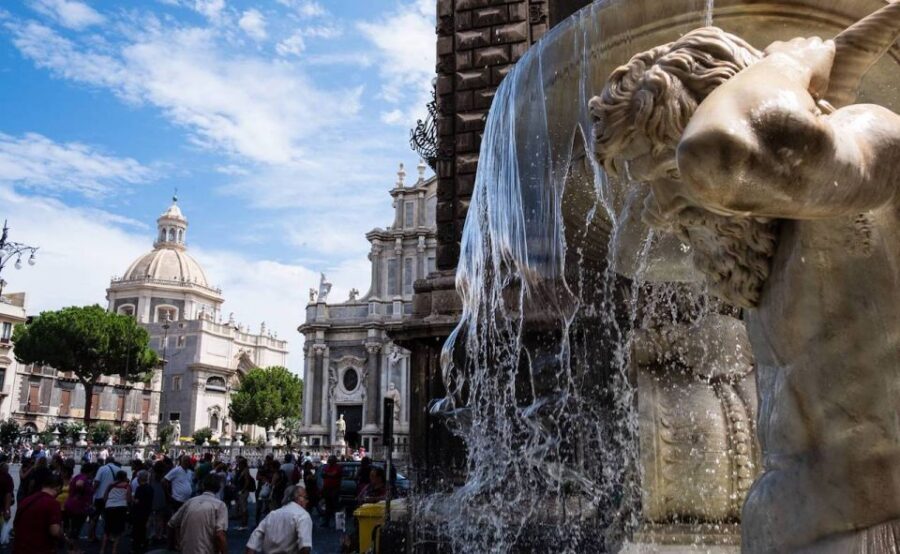
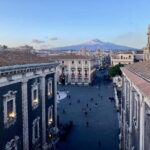
The tour starts at the corner of Via Erasmo Merletta and Via Vittorio Emanuele II, then your guide brings you into the heart of Catania. Meeting near the Elephant Statue matters more than it sounds. The elephant isn’t random decoration—it’s the city’s symbol, so it becomes a clean way to understand where you are and why the old center is laid out the way it is.
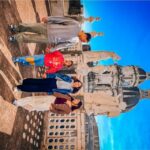
From there, you’ll spend time around Piazza del Duomo, including a moment at the cathedral area. The guide points out architectural choices and materials, so when you look up at the cathedral dome, you’re not just seeing a pretty landmark. You’re seeing how Catania’s building style is shaped by its volcanic setting—especially the influence of lava rock across churches and palaces.
If you like city walks where you get the story behind the stones, this opening sets the tone really well.
Other Catania walking tours we've reviewed in Catania

Piazza Duomo and lava-stone architecture: what you’re actually looking at
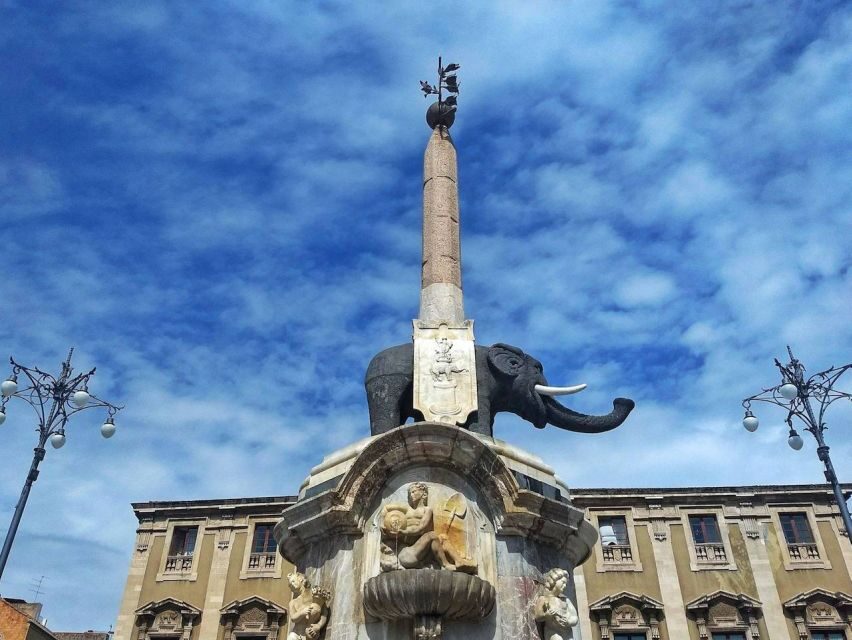
Catania’s look can feel dramatic even before you understand it. During this part of the walk, the guide connects the city’s late-Baroque identity to the fact that many buildings were shaped using lava stone. That’s why you’ll notice a strong, dark texture in the fabric of the city—then lighter accents where other materials or sculptural elements show through.
The cathedral dome is a highlight here, but the real value is learning what to watch for next: how facades, church exteriors, and palatial details work together as a single urban style rather than isolated monuments. In a place like this, the guide’s job isn’t to recite dates nonstop—it’s to help you see patterns.
One of the best tour moments is when the guide’s explanations make your eyes change from sightseeing mode to observation mode. You start looking at the building skin, the stonework, the entrances, and the way the streets funnel your view toward the biggest landmarks.
Pescheria fish market: smells, color, and local pace
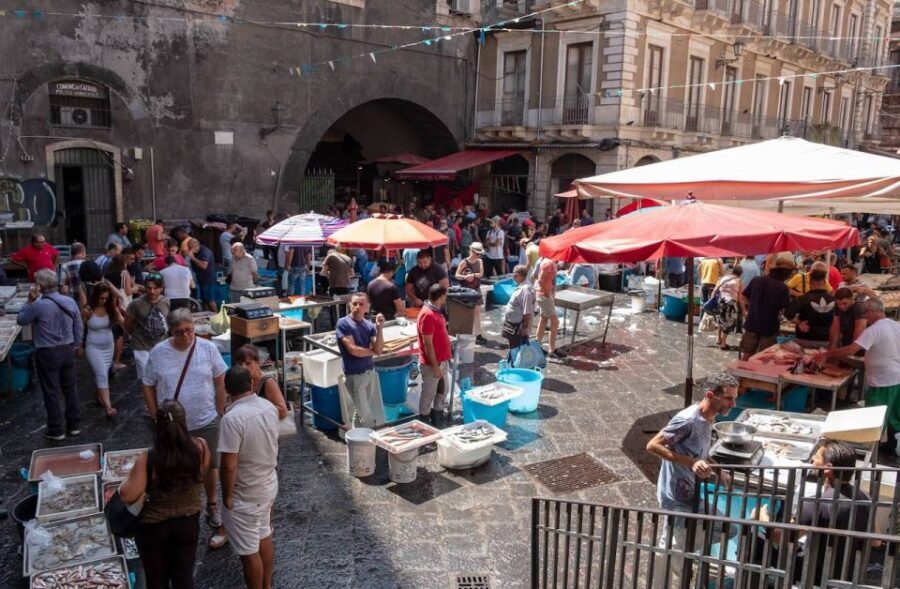
Then you head toward Pescheria, the historic fish market. This is where the tour becomes more than architecture. It’s living commerce: people moving, stalls set up, and the strong mix of sights and smells that come with a working market.
The guide’s role is helpful here because the market can feel chaotic if you don’t know what you’re looking at. You’ll get context about the market area and the food culture around it, and that makes your time there feel purposeful. I like that you’re not just standing and taking photos. You’re learning the logic of the place—why this area matters to locals and what kinds of vendors and dishes show up.
Two practical notes for you:
- Plan your expectations for the market experience. It’s guided, so there can be a lot of talk while you’re walking and stopping.
- If you’re visiting on a Sunday, remember that the fish shop is closed on Sundays (the exact details aren’t spelled out, but the key takeaway is that the market atmosphere can be different).
Also, some guides will naturally focus more on market details and places to eat. If you prefer shorter explanations, you can still steer it back by asking your guide what to notice visually, or how to pick a good snack without turning it into a sales pitch.
Crociferi Street: San Benedetto and San Giuliano in your line of sight
Crociferi street is one of those places where Catania’s Baroque flair hits you in waves. You’ll walk by churches and monasteries here, with special attention to the ornate church of San Benedetto and the church of San Giuliano, which is highlighted as a standout example of Catania Baroque.
What makes this stop good on a short tour is that it’s built for walking. These buildings aren’t tucked away behind long museum corridors. They live along the street, so the details catch you while you’re moving—arches, sculptural elements, and facade ornamentation that looks better up close than in a quick glance from across the road.
In practical terms, this is the part of the tour where your camera becomes useful fast. But don’t only shoot the grand facade. If you can, take a moment at street level to notice how the church exterior is integrated into the surrounding buildings. Catania’s charm comes from how the big styles blend into everyday streets.
This section is also where the guide’s pacing really matters. If the guide’s explanations go long, you might feel a little stuck while others move on. But if you like story-driven architecture, this is where a good guide makes the whole city feel coherent.
Finishing on Via Etnea: ruins, old buildings, and a snack option
The tour wraps up around Via Etnea, with stops that connect you to what’s around the edges of the center: ruins, historical buildings, and shopping. This is a smart ending because it’s not a dead end. Once you finish, you’re in an area where it’s easy to keep exploring on your own.
This is also where the food-choice option shows up. You can purchase local treats—like an arancino or a Sicilian cannoli—if you want to turn the walk into a light tasting moment. I like having the choice here instead of forcing it earlier, because by the time you reach Etnea you’ll know what you feel like eating (and you’ll be less rushed).
If you’re planning your next step after the tour, Via Etnea is a practical “reset.” You can wander toward more shops, stop for coffee, or use the area to branch into your own Catania route.
Other guided tours in Catania



How the 2-hour route actually works on your feet
This is a compact tour, and it’s designed to keep moving. You’ll have a guided stretch early on, then dedicated time at the fish market, and more focused time on Crociferi Street before finishing on Via Etnea. Expect a steady walking rhythm with several stops—enough to see the main highlights without turning the day into a marathon.
For me, the sweet spot is the sequencing:
- start with orientation and symbolism near Piazza del Duomo
- shift to lived-in street energy at Pescheria
- then go “show me the architecture” on Crociferi
- end where you can keep your day flexible on Via Etnea
That pacing is great if you’re short on time in Catania or if you want your first day to feel like you’re getting the basics right.
Just pack for walking. Comfortable shoes are non-negotiable here, especially since stone streets and curbs can add up.
Price and value: is $29 a good deal?
At about $29 per person for a roughly 2-hour guided experience, the value comes from coverage. You’re getting a guided story through multiple recognizable Catania zones—Piazza del Duomo, Pescheria, Crociferi Street, and Via Etnea—plus a live escort in multiple languages.
What you’re not getting is paid-entry time inside monuments or museums. Entrance fees aren’t included, so if your dream includes interior visits with ticketed access, you’ll likely need separate plans for that.
So here’s the honest tradeoff: this tour is for people who want to understand the city while walking it, not for people who want ticketed museum hours. If that fits you, $29 feels fair for how many major sights you cover with a guide who helps you notice details.
What to bring and what to expect from the guide
You’ll want comfortable shoes, water, and weather-appropriate clothes. A camera helps because Crociferi Street and the cathedral area deliver real photo opportunities. A hat or sunglasses can be useful depending on the day, but the key is comfort—this is a walk where stopping to look is part of the fun.
Guide style can vary a bit. Some guides are especially engaging and keep a good flow; others may go more into market explanation. Either way, you’ll get the basics: why the Elephant Statue symbolizes the city, how lava stone shapes what you see, and why Crociferi Street is such an architecture-focused stretch.
I also appreciated that guides commonly make the time feel light. One anecdote I’ve heard associated with this experience was that it even worked with an off-day mood—proof that the pacing is friendly even when you’re not at your most energetic.
Who this tour is best for (and who should choose differently)
This is a strong fit if:
- it’s your first time in Catania
- you want an efficient route that still feels personal and story-driven
- you enjoy street architecture and want help spotting what matters
- you like market atmosphere and don’t mind a bit of sensory intensity
You might want to pick something else if:
- you’re hoping for lots of indoor monument time and guided ticketed interiors (entrance fees are not included)
- you prefer minimal talking during market stops and would rather explore on your own once you arrive
- you’re visiting on a Sunday and really want the fish shop scene in full swing (it’s closed on Sundays)
Should you book this Catania city highlights walk?
If you want a clear introduction to Catania in just two hours, I’d book it. The strongest reason is that you’re not only looking at landmarks—you’re learning how the city’s volcanic materials and late-Baroque style connect, then you’re seeing that story reinforced in the streets.
Choose this tour if you like walking with a guide who can make the city easier to read. Skip it (or supplement it) if your main goal is ticketed interiors, because this is focused on the exterior and street-level experience.
FAQ
Where is the meeting point?
Please meet at the corner between Via Erasmo Merletta and Via Vittorio Emanuele II.
How long is the tour?
The duration is 2 hours.
What languages is the guide available in?
The live tour guide is available in English and Italian, with multilingual escort support.
What does the tour include?
The tour includes a multilingual escort.
What is not included in the price?
Entrance fees to monuments, museums, galleries, and archaeological sites are not included.
Where does the tour end?
You arrive back at Via Erasmo Merletta, 3.
Is the Pescheria fish market open every day?
The fish shop is closed on Sundays, so the market experience may differ.
What food can I buy during the tour?
You have the option to purchase an arancino, a Sicilian cannoli, or another delicacy.