REVIEW · CATANIA COOKING CLASSES
Cooking Class Arancini in Catania
Book on GetYourGuide →Operated by Futuro e Lavoro · Bookable on GetYourGuide
Sicily tastes better when you make it. In this Catania cooking class, you learn two iconic bites of the island: arancini and Sicilian almond paste—inside a real working kitchen setting. You’ll handle the key steps, get guidance from a professional chef, and leave with food you helped create.
Two things I really like: the class keeps it hands-on and small, so you actually get answers as you cook, and the tasting at the end lets you sample multiple arancini and almond paste variations. One possible drawback: the take-home recipe booklet may not feel fully detailed for everyone, so if you want exact rice quantities or step-by-step rice instructions, plan to ask your chef during class.
In This Review
- Key points before you book
- Making Catania’s Arancini and Sicilian Almond Paste in a Real Kitchen Lab
- Your 3-Hour Flow: Rice, Fillings, Crunchy Breading, Then Almond Paste
- What You Learn About Arancini Rice and Stuffing (Including Vegetarian Options)
- The Crunchy Breading Lesson That Makes Arancini Feel Real
- Sicilian Almond Paste: A Second Skill, Not an Afterthought
- End-of-Class Tasting: Wine, Coffee, and Multiple Styles
- The Recipe Booklet: Useful for Home Cooking, With One Caveat
- Who This Class Suits Best (And Who Might Want to Skip)
- Simple logistics that matter: where to go and what to expect
- The value question: why this is worth your time in Catania
- Should You Book Cooking Class Arancini in Catania?
- FAQ
- How long is the arancini cooking class in Catania?
- What will I learn to cook?
- Is there a tasting at the end?
- Are vegetarian fillings available?
- How big is the group?
- Who teaches the class and what languages are offered?
- Do I get recipes to take home?
- Where is the meeting point?
- Is the class refundable if my plans change?
- Is this class suitable for young children?
Key points before you book
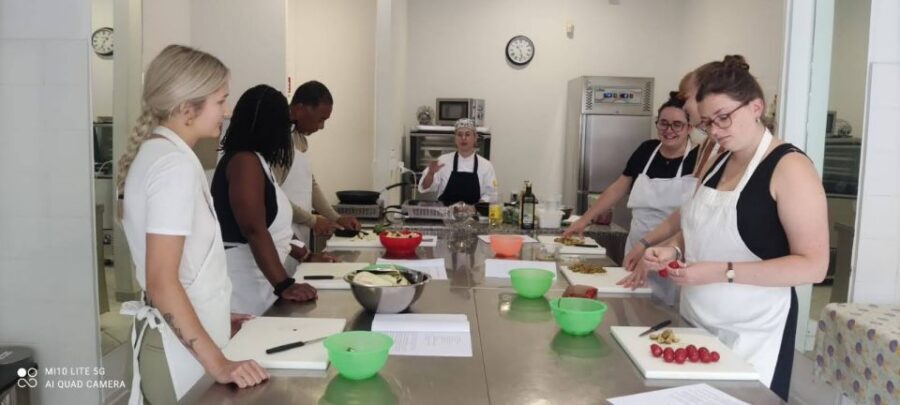
- Small group (up to 6) means more personal attention than big group tours.
- You cook classic arancini from the rice up: rice cooking, fillings, and crunchy breading.
- Vegetarian fillings are possible, so you’re not locked into one option.
- You also learn Sicilian almond paste, not just a single arancini flavor.
- End with a proper tasting: arancini, almond paste, wine, water, and coffee.
- You get a recipe booklet to recreate it later at home.
Making Catania’s Arancini and Sicilian Almond Paste in a Real Kitchen Lab
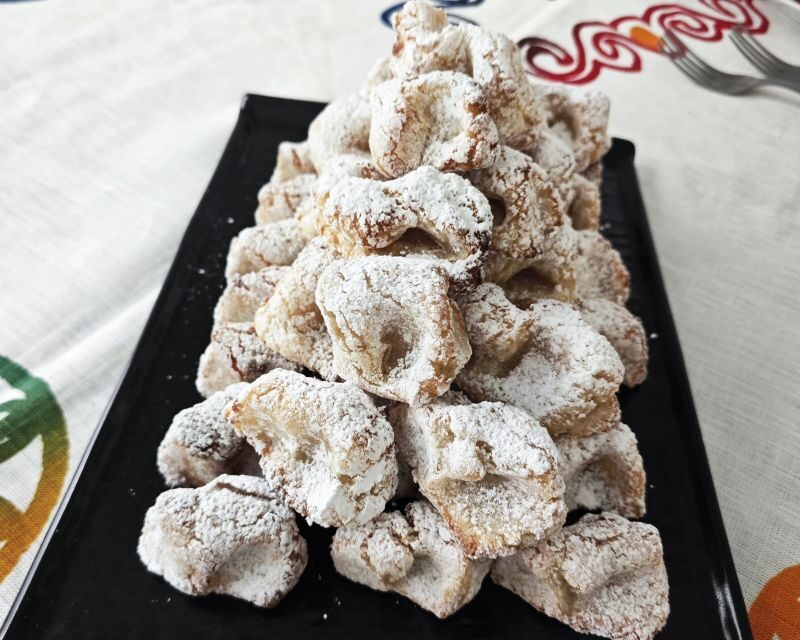
If you’ve ever watched arancini get sliced open and thought, I need to understand that, this is the right kind of class. You’re not just assembling a plate. You’re learning the logic of Sicilian comfort food—how the rice behaves, how fillings stay put, and how that crunchy coat gets its texture.
The format is simple: 3 hours, a professional chef, and a small group capped at 6 participants. That matters in a cooking class. When you’re shaping rice and timing breading, you want coaching close by, not a distant lecture.
Also, the double focus is a smart move. Many classes stop at arancini. Here you also make Sicilian almond paste, which gives you a second skill you can actually use at home for desserts and snack-time treats.
Other Catania cooking classes we've reviewed in Catania
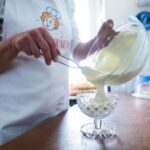
Your 3-Hour Flow: Rice, Fillings, Crunchy Breading, Then Almond Paste
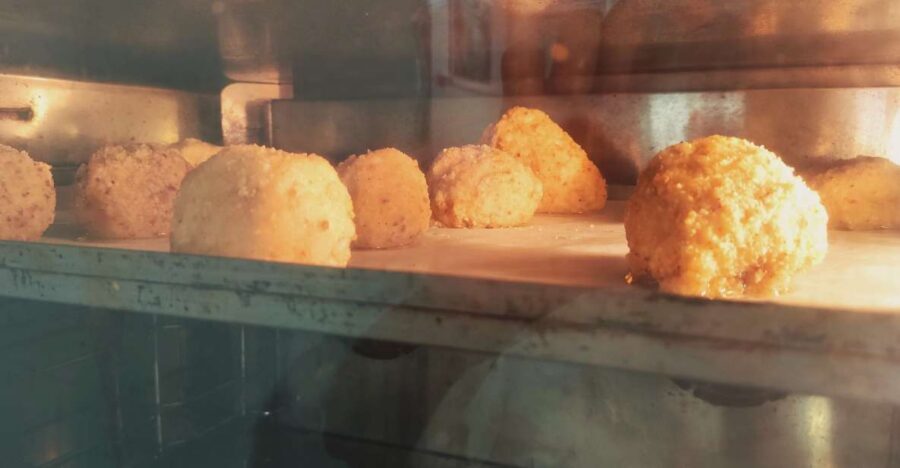
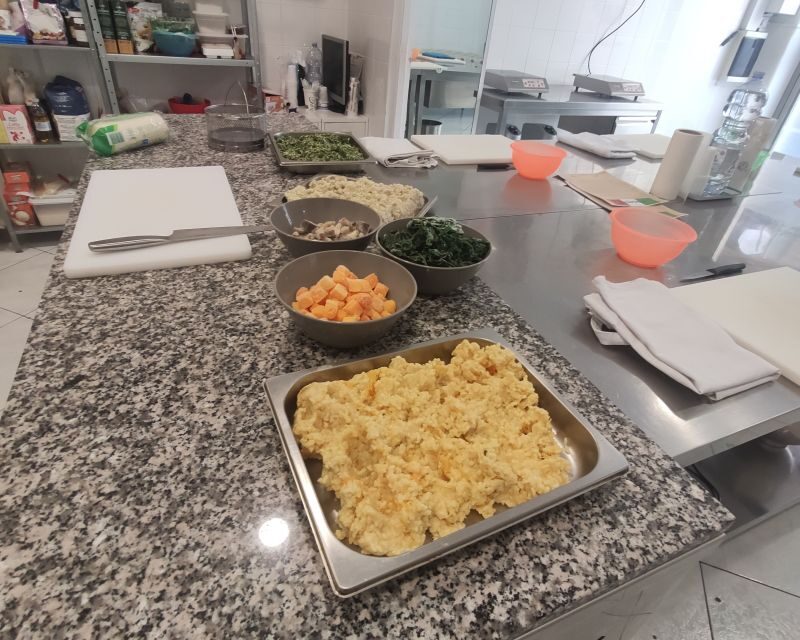
This class is built like a real kitchen workflow. You start with the base: the rice that forms your arancino. Then you move into filling prep, and finally the part people remember most—the crunchy outside.
Here’s how the timing usually feels, based on what you’ll be taught:
- Rice setup: You learn how the rice should be cooked so it will bind and hold shape when shaped into arancini.
- Fillings: You prepare different fillings and stuff the rice. Vegetarian fillings are an option if you want them.
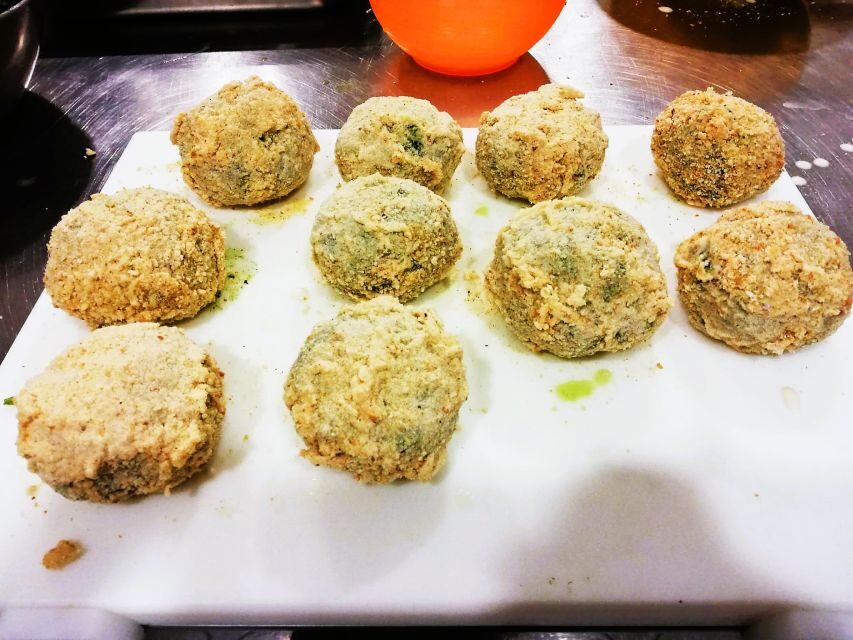
- Breading: You learn the traditional crunchy coating method that gives arancini their texture contrast.
- Almond paste: You shift from savory shaping to sweet shaping and learn the process for Sicilian almond paste.
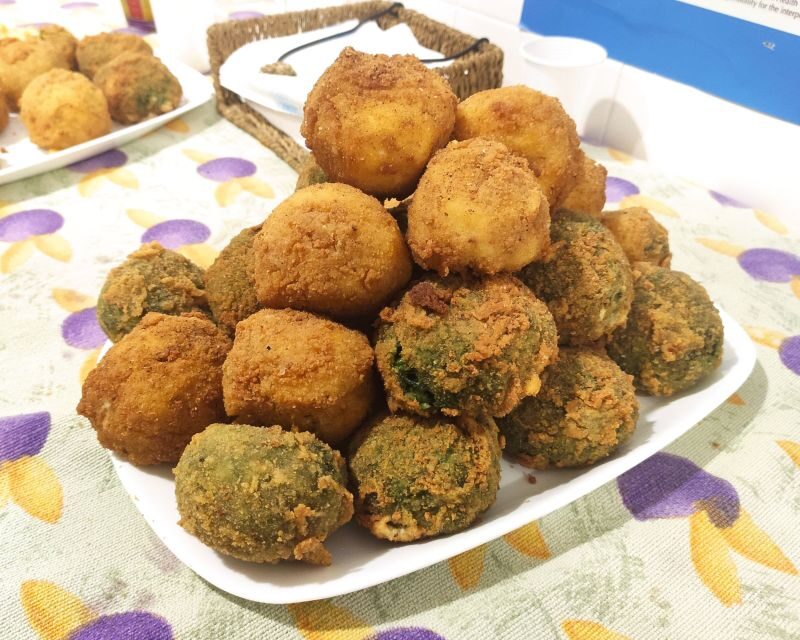
- Tasting + drinks: At the end, you taste what you made, plus additional variations of arancini and almond paste, with Sicilian-type wine, water, and coffee.
In practice, the class is paced so you’re working and learning at the same time. That’s a huge part of why cooking classes can feel either stressful or fun. This one is designed to keep you moving without rushing you off to the next step.
What You Learn About Arancini Rice and Stuffing (Including Vegetarian Options)
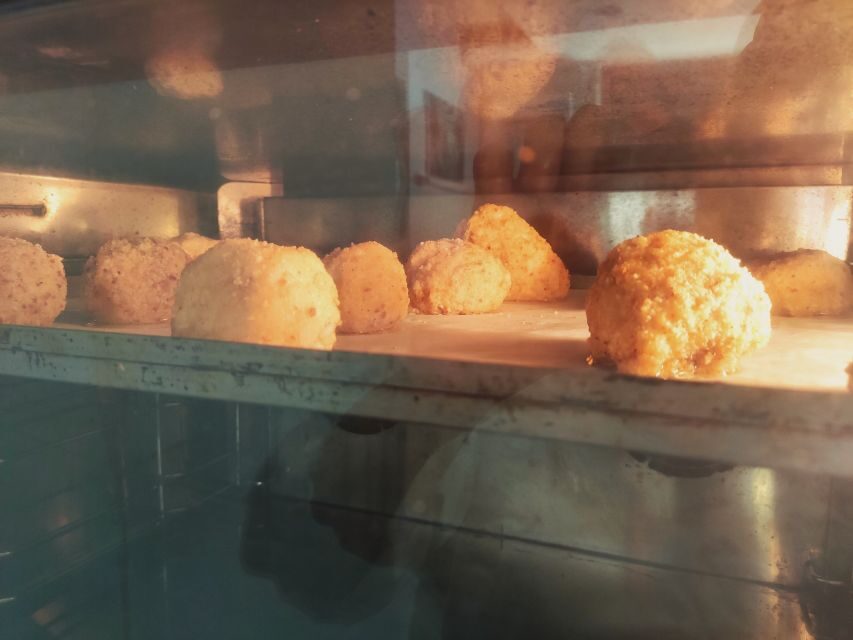
Arancini start with rice, but the real magic is in knowing what the rice should do for you. In class, you get an explanation of how the rice should be cooked so it becomes the right texture for forming. If your rice is too loose, shaping is a mess. Too dry, and it can crumble or not seal well.
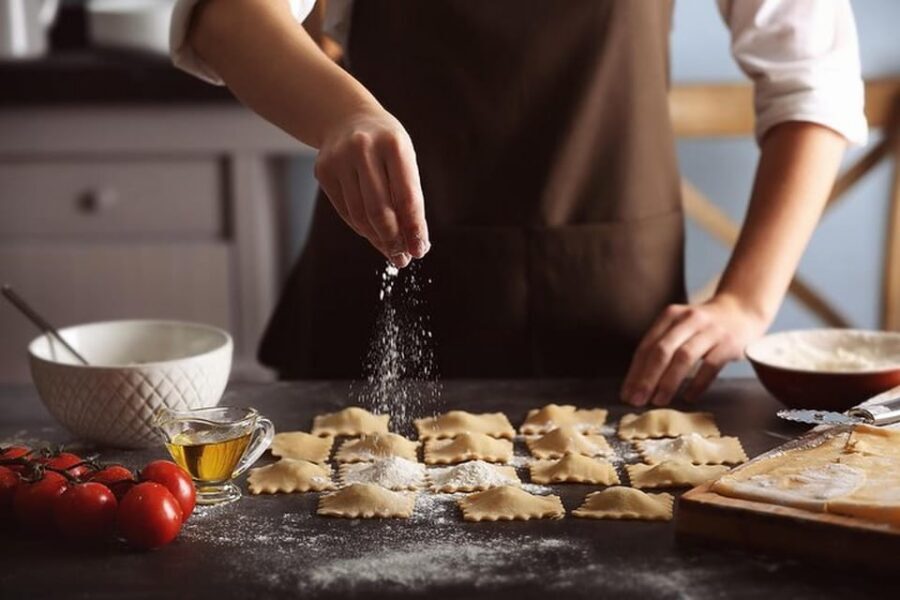
Once the rice is ready, you practice building the arancini structure: shape the rice base, add filling, and then cover and seal. This is where understanding matters more than memorizing a recipe. You’re learning how to handle and stuff without losing that neat round shape.
Then come the fillings. You make different types, and you can choose vegetarian fillings if you want. I like this approach because it lets you experiment with flavor combinations while still learning the same core technique. It’s also a great way to eat like Sicily even if you don’t want meat.
One chef-led detail you’ll appreciate: the class is meant to teach you the process behind each step, not just the final product. And if the person cooking near you looks like they’ve got a natural talent, you’ll still get your own guidance.
The Crunchy Breading Lesson That Makes Arancini Feel Real
The crunchy outside is what turns arancini from rice balls into proper Sicilian street-food vibes. In this class, you’re taught how to make the typical breading and how it behaves during cooking, so your coating doesn’t turn soggy or uneven.
This is the section where small-group size pays off. Breading is one of those tasks where a tiny adjustment changes everything—how you coat, how thick it is, and how evenly it covers. With up to 6 participants, you can get corrections early instead of waiting until your arancini are already shaped.
If you’ve tried to recreate arancini at home before, you already know the most common failure: the outside doesn’t end up crunchy. Learning this step in a working kitchen environment helps you understand what the final texture is supposed to be.
Sicilian Almond Paste: A Second Skill, Not an Afterthought
After all that savory work, you switch to something sweet and very Sicilian. You’re taught how to make Sicilian almond paste as part of the lesson, not as a quick demo.
This matters because almond paste is both flavorful and versatile. Even if you only eat it as a treat, you’ll understand the basics enough to adapt it later—like adjusting how thick you shape it or how you pair it with other ingredients.
It’s also a nice mental break. Cooking classes can feel repetitive when you spend the entire time on one dish. Here, you get to use different senses: shaping and texture for arancini, then the sweeter handling and preparation for almond paste.
Other cooking classes in Catania
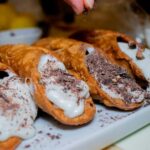
End-of-Class Tasting: Wine, Coffee, and Multiple Styles
At the end, the class turns into the fun part: tasting. You’ll sample the various types of arancini and almond paste that were made during the session.
You’re also offered Sicilian-type wine, plus water and coffee. I like that this isn’t just a “here’s your finished food” moment. It’s a built-in chance to compare flavors and textures, and to notice what changes from one arancini style to another.
And if you’re thinking, will I leave hungry? Plan on leaving satisfied. One of the best real-world perks noted in the experience is that you may end up with leftovers to take home, which makes the class feel even better value-wise.
The Recipe Booklet: Useful for Home Cooking, With One Caveat
You finish the lesson with a booklet containing recipes. That’s the right idea, because the biggest advantage of cooking classes is bringing the skill home.
That said, one participant reported that the booklet they received seemed like it included only a couple of recipes and wasn’t complete enough to fully replicate certain steps, especially around rice guidance and quantities. Their takeaway was basically: you can cook it again from memory, but the booklet wasn’t detailed enough for strict follow-along instructions.
So here’s my practical advice: during class, pay attention to the rice explanation and don’t be shy about asking for specifics. If exact quantities matter to you, ask your chef how much of each ingredient they use for rice texture and how they judge doneness.
If the booklet is perfect for you, great. If it’s not, you’ll still have learned the technique in the kitchen, which is what you really came for.
Who This Class Suits Best (And Who Might Want to Skip)
This is a great fit if you want a real Catania food experience that’s active, not passive. It’s also ideal if you like structured learning with a pro chef nearby.
You’ll probably enjoy it most if:
- you like hands-on cooking and want to learn a technique, not just eat a meal
- you’re staying in Catania and want a 3-hour activity with a clear payoff
- you want vegetarian options and flexibility in fillings
- you enjoy tasting multiple versions at the end
It may not be the best choice if you’re very sensitive to small kitchen chaos. You’ll be working with hot ingredients, shaping food, and following a timed flow. Also, it’s not suitable for children under certain ages (the class isn’t recommended for babies and very young toddlers).
Simple logistics that matter: where to go and what to expect
The meeting point is at a Laboratorio di cucina with coordinates 37.51484298706055, 15.102240562438965. Since the activity runs in a working lab setting, show up a few minutes early so you can settle in before the chef starts guiding the group.
Language is English and Italian, and you should feel covered if you’re comfortable in either. Several participants specifically highlighted that instruction felt accessible, including when someone needed English support.
And keep in mind: a small group can sometimes mean a very personal class. One experience described a session with just two people, which would naturally make the pacing and Q&A feel even more direct.
The value question: why this is worth your time in Catania
If you’re comparing this to a food tour, the key difference is control. A tour gives you stories and tastes. This class gives you a repeatable skill: rice-based arancini and Sicilian almond paste.
In terms of value, it also feels like a two-for-one. You leave with:
- mastery of arancini technique (rice, stuffing, crunchy coating)
- a second pastry skill with almond paste
- a tasting that shows you variations
- wine, coffee, and water included
- a recipe booklet for take-home practice
Even better: because the group is limited, you’re less likely to feel like a spectator. You’ll likely feel like a cook.
Should You Book Cooking Class Arancini in Catania?
Book it if you want an authentic Sicily experience you can recreate. This class is designed for technique, and the combination of arancini plus almond paste makes it more memorable than a one-dish workshop.
Skip—or go in with eyes open—if you rely heavily on a take-home booklet as your main guide. One person found the booklet didn’t include enough detail to fully redo certain parts, especially rice instructions and quantities. If you want exact measurements, ask your chef questions while you’re there and take notes.
If you’re staying in Catania and want a fun, active activity that actually teaches you something, this is a strong pick.
FAQ
How long is the arancini cooking class in Catania?
The class lasts 3 hours.
What will I learn to cook?
You will learn how to make typical Sicilian arancini, including the rice, fillings, and crunchy breading. You’ll also learn how to make Sicilian almond paste.
Is there a tasting at the end?
Yes. After cooking, there is a tasting of different types of arancini and almond paste, with Sicilian-type wine, water, and coffee.
Are vegetarian fillings available?
Vegetarian fillings are possible during the arancini part of the class.
How big is the group?
It’s a small group limited to 6 participants.
Who teaches the class and what languages are offered?
The instructor speaks English and Italian.
Do I get recipes to take home?
Yes. You’re given a booklet with the recipes.
Where is the meeting point?
The meeting point is at Laboratorio di cucina (coordinates: 37.51484298706055, 15.102240562438965).
Is the class refundable if my plans change?
You can cancel up to 24 hours in advance for a full refund.
Is this class suitable for young children?
No. It is not suitable for children under 2 years, under 3 years, under 4 years, or babies under 1 year.