REVIEW · CATANIA COOKING CLASSES
Cooking lesson in Catania with lunch or dinner
Book on Viator →Operated by Futuro e Lavoro · Bookable on Viator
A kitchen lesson in Catania that ends with real Sicilian food. I like the small-group size (max 14) and the hands-on cooking in a proper professional setup, not a demo where you just watch. I also love that you make a classic menu and then eat it right there with Sicilian wine. One thing to consider: the space can feel more like a functional cooking lab than a pretty dining room, so don’t expect a styled, romantic set.
This is a solid 3-hour block that works well as a day-plan reset. You’ll learn how the dishes come together, get a recipe booklet, and take away know-how you can actually use at home. If you have strict food needs, you should flag them when booking—some guests report adaptations like vegan and gluten-intolerance were handled.
In This Review
- Key things to know before you go
- Cooking Like a Catanese at a Real Kitchen Lab
- The Menu: Caponata, Pasta Alla Norma, Eggplant, and Cannoli
- From Starter to Dessert: What Your 3 Hours Feels Like
- Step one: starter work
- Step two: caponata and sweet-sour cooking
- Step three: fresh pasta alla Norma style
- Step four: cannoli assembly
- Then you eat what you made
- Wine at the Table: What’s Included and How It’s Served
- English Instruction, Small Group Size, and the Recipe Book You Keep
- Price and Value: Is $119.77 Fair for a 3-Hour Meal?
- Where You Meet in Catania (and Why Transit Matters)
- Who Should Book This Cooking Lesson (and Who Might Reconsider)
- Should You Book This Catania Cooking Class?
- FAQ
- What dishes will I make in this Catania cooking lesson?
- How long is the cooking lesson?
- Is the class offered in English?
- What is included in the price?
- Is there a limit on group size?
- Where is the meeting point in Catania?
Key things to know before you go
- Hands-on Sicilian cooking: you chop, cook, roll, and fill—not just observe.
- A menu built around Catania’s favorites: caponata, fresh pasta alla Norma, and cannoli.
- English instruction is included, and some chefs/hosts are noted as speaking English well.
- Meal + wine are part of the price, served alongside what you cook.
- Max 14 people means you get more attention and a more relaxed vibe.
- Functional professional kitchen: great for hygiene, but don’t expect fancy decor.
Cooking Like a Catanese at a Real Kitchen Lab
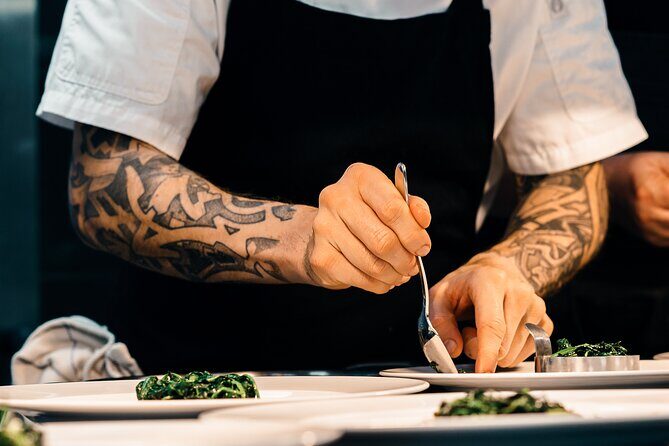
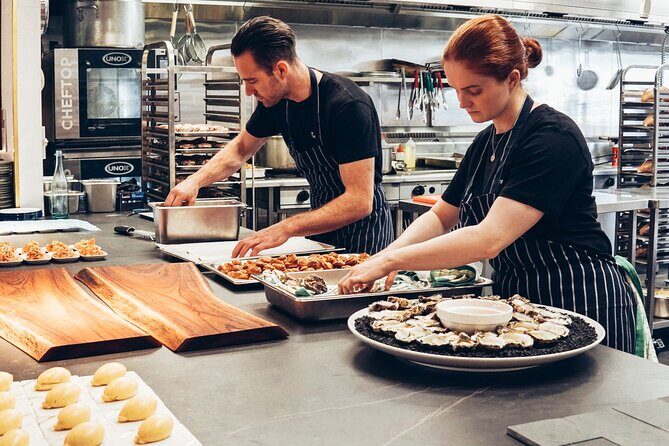
This class is designed the way restaurant kitchens work: you’re not standing in the back taking photos. You’re working at stations with professional kitchen equipment, using typical Sicilian ingredients to build the dishes step by step. That matters because it turns “Sicily food” from a concept into a set of actions you can repeat later.
Most people rate this highly for the same reason: you leave with both food and technique. The chef(s) guide you through what to do, and the group size keeps it from turning into a rushed assembly line. Several people also highlighted that the instruction is easy to follow in English, which is a big deal if your Italian is limited.
The main drawback you should mentally prepare for is the setting. A couple of reviews call out that the lab is minimal inside, and that the decor isn’t the point. From a practical standpoint, that’s not automatically a bad thing. A clean, working kitchen is exactly what you want for confident cooking.
Other Catania cooking classes we've reviewed in Catania
The Menu: Caponata, Pasta Alla Norma, Eggplant, and Cannoli
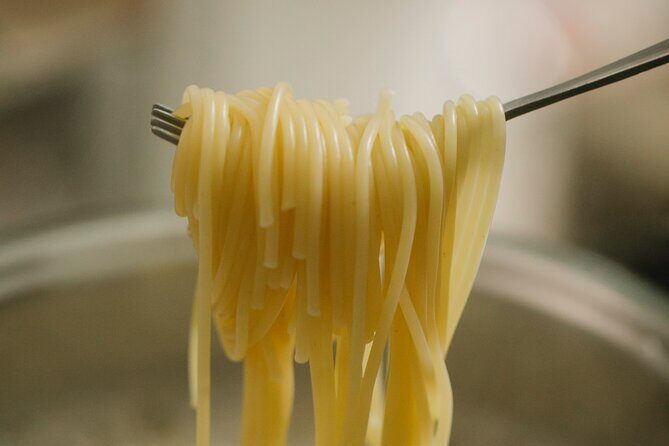
Your class centers on a menu that’s very “Sicily,” with a focus on vegetables, pasta, and sweets. Based on the options shared, you may see a combination like:
- Bruschetta starter (often basil pesto and cherry tomatoes)
- Sicilian caponata (sweet and sour)
- Fresh pasta alla Norma (Catania’s famous eggplant-and-tomato style)
- Cannoli for dessert
There are also sample alternatives, depending on what you choose on the day:
- Eggplant parmigiana and pasta with cherry tomatoes, ricotta, and basil
- A menu that includes spaghetti rolls alla Norma style
A smart detail here: caponata isn’t just one flavor. It’s sweet, sour, and deeply savory in a way that makes you pay attention while you cook. And pasta alla Norma is one of those dishes where the finishing touches matter. In one response, the organizer points out that the signature is ricotta salata grated on top, which is a real marker of authenticity.
If you’re hoping for meat-centered cooking, note what’s listed. The menus shown are plant-forward. One review also mentions the lesson didn’t include meat, so if that’s a dealbreaker for you, double-check your menu choice before you book.
From Starter to Dessert: What Your 3 Hours Feels Like
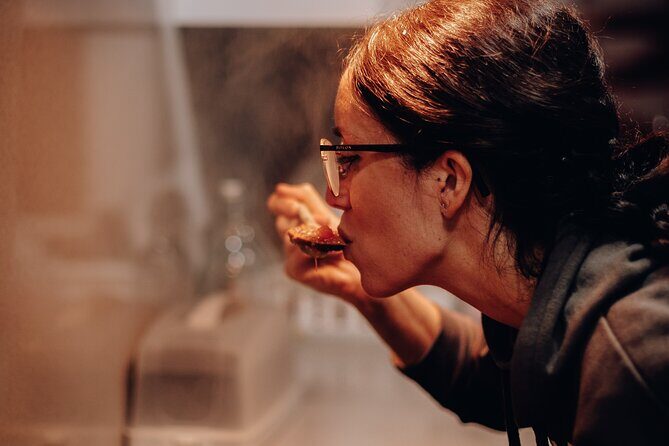
The class runs about 3 hours, and the flow is built around momentum: starter first, then main cooking, then dessert, and finally the meal.
Here’s what that usually looks like in practice:
Step one: starter work
You’ll start with something like a typical Sicilian bruschetta—often basil pesto with cherry tomatoes. This part tends to move quickly, but it sets the tone: fresh ingredients, bright flavors, and simple technique with real payoff. You’re learning how Sicilians balance herbs, acidity, and sweetness.
Step two: caponata and sweet-sour cooking
Then comes the caponata. Expect chopping, cooking, and getting the right balance so it tastes both sweet and sharp. This is one of the dishes people talk about long after the class—especially because it’s something you can’t fully understand just by reading about it. When you stir and taste along the way, you get the logic.
Other cooking classes in Catania


Step three: fresh pasta alla Norma style
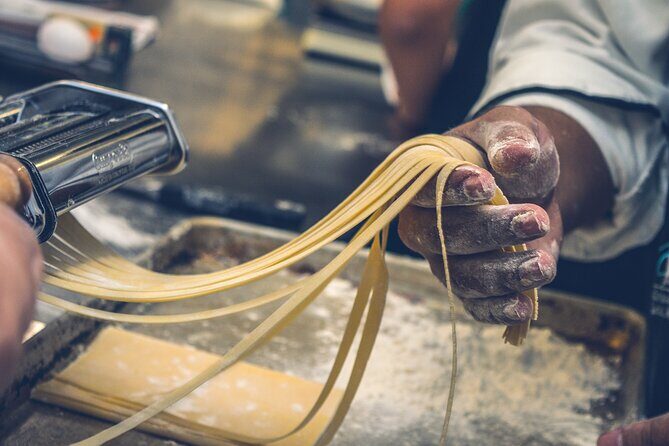
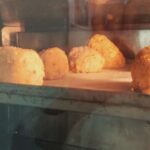
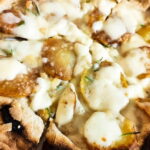
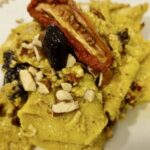
Next, you move into pasta. The class includes making fresh pasta and combining it into the alla Norma style. In some versions, this is described as spaghetti rolls alla Norma, but the core idea stays the same: eggplant-meets-tomato flavors plus a finishing cheese. If you’re the type who learns better by doing, this is the section that will make the biggest difference.
Step four: cannoli assembly
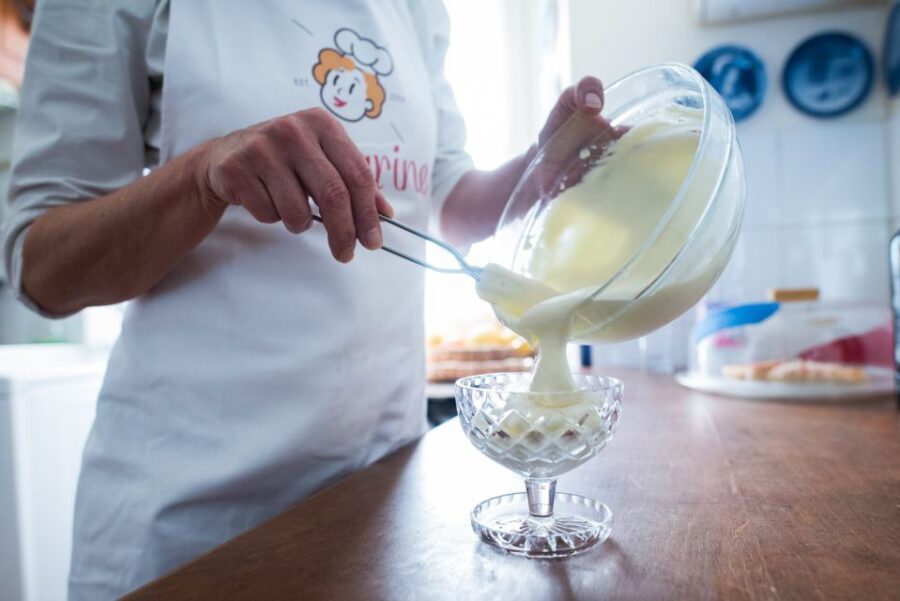
Dessert is cannoli, and yes, you can expect the classic cannoli filling work. Several reviews specifically praise cannoli results and the moment you realize you made them yourself. It’s also a good “wrap-up activity” because it shifts from stovetop heat to assembling something that feels like a treat.
Then you eat what you made
Finally, you sit down and enjoy the dishes you prepared. This is where the class earns its stars. Cooking classes are great, but it’s the meal part that makes it feel like a full experience—not a chore followed by hunger.
Wine at the Table: What’s Included and How It’s Served
One reason people remember this class is the pairing. The price includes a bottle of Sicilian wine with lunch or dinner. That’s not just a nice add-on. It turns the experience into a proper Sicilian meal rhythm: cook, then relax, then taste together.
Some people also mention coffee or limoncello alongside the session. One review notes tea wasn’t available, so if tea is your thing, don’t count on it.
A practical tip from how the organizer explains their approach: in hot weather, they may not rush into wine the moment you walk in, preferring you start with food and cooking first. If you’re visiting during a scorcher of a day, that pacing makes sense. You’ll still get the wine with the meal.
English Instruction, Small Group Size, and the Recipe Book You Keep
The class is offered in English, and the group size caps out at 14. That “small enough” number is a big part of why the reviews are so consistently high.
In a bigger group, you can spend half the time waiting for someone to notice you. Here, you get more chances to ask questions and stay on track at your station. Several people call out that chefs spoke good English and that explanations were step-by-step.
Also, you should leave with recipes. Reviews mention a booklet with recipes for what you made, and one response notes they even provide a way to contact the chef for help after the class. That turns the cooking lesson into something you can use after you’re home, not just something you enjoyed that day.
If you’re traveling with friends, this kind of class is also a social win: it’s interactive and natural to talk while you cook and taste.
Price and Value: Is $119.77 Fair for a 3-Hour Meal?
At $119.77 per person for about 3 hours, you’re paying for more than ingredients. You’re buying:
- professional chef instruction
- use of professional kitchen equipment
- typical Sicilian foods used in the recipes
- the meal you make
- wine included
The value angle here is that you’re not just learning. You’re getting a full sit-down lunch or dinner that you participated in creating. That’s why people call it a highlight in Catania—because it doesn’t end at the cooking. It ends when you eat.
There are two price “watch-outs” you should consider based on real feedback:
- If you expect a more decorated, hospitality-lounge vibe, the minimal kitchen setting may not match your expectations.
- Some people felt it was very full on food portions.
Neither is a dealbreaker if you go in with the right mindset. Think: hands-on cooking + real meal, not a themed show.
Where You Meet in Catania (and Why Transit Matters)
The meeting point is Via Cervignano, 42, 95129 Catania, Italy. The activity ends back at the meeting point.
It’s near public transportation, and it’s described as a few steps from the subway stops GALATEA and ITALIA. That’s practical. Catania can be easier when you plan around transit rather than trying to park or fight traffic, especially on busy days.
If you’re coming from central areas or the seafront, give yourself a little buffer and choose transit over stress. This class is timed, and cooking doesn’t wait.
Who Should Book This Cooking Lesson (and Who Might Reconsider)
You’ll probably love this if:
- you want hands-on Sicilian cooking rather than a watching-only workshop
- you’re excited by caponata, pasta alla Norma, and cannoli
- you want a small group where English instruction actually helps
- you like eating what you cook, with wine included
You might reconsider if:
- you’re expecting a cozy, beautifully decorated dining space rather than a working lab
- you strongly prefer meat-based cooking (the menus shown are vegetable-forward)
- you’re easily bothered by a very practical atmosphere
If you have dietary needs, don’t skip the booking notes. The additional info explicitly asks you to list allergies or intolerances, and at least one review reports vegan dishes were accommodated and another mentions gluten-intolerance being considered. The safest move is to state needs clearly during booking.
Should You Book This Catania Cooking Class?
Yes, if your goal is to learn authentic Sicilian basics with real technique, in English, and then eat a full lunch or dinner that you made. The strongest reasons to book are the small-group feel, the hands-on cooking, and the fact that the meal includes wine.
Skip it or ask more questions first if you need a meat-centric menu, or if a fully decorated “pretty room” is essential for you. This is a kitchen experience first, style second—and that’s not a problem if you want to cook like a local.
If you’re doing just one food activity in Catania, this is a smart choice: you’ll leave with skills, recipes, and flavors that are unmistakably Sicilian.
FAQ
What dishes will I make in this Catania cooking lesson?
You’ll typically cook Sicilian classics such as bruschetta, caponata (sweet and sour), fresh pasta alla Norma, and cannoli. The class also lists possible alternatives like eggplant parmigiana and pasta with cherry tomatoes, ricotta, and basil.
How long is the cooking lesson?
It lasts about 3 hours.
Is the class offered in English?
Yes. The experience is offered in English.
What is included in the price?
The price includes use of professional kitchen equipment, typical Sicilian ingredients, and lunch or dinner featuring the dishes you prepare, including a bottle of Sicilian wine.
Is there a limit on group size?
Yes. The experience has a maximum of 14 travelers.
Where is the meeting point in Catania?
You’ll meet at Via Cervignano, 42, 95129 Catania, Italy. The property is a few steps from the subway stops GALATEA and ITALIA, and it’s near public transportation.