REVIEW · CATANIA COOKING CLASSES
Catania: Pizza Cooking Class
Book on GetYourGuide →Operated by Futuro e Lavoro · Bookable on GetYourGuide
Your hands smell like Sicily after this class. In Catania, this small-group pizza cooking class turns you from watcher to maker with hands-on Chef Simona–style guidance, plus you cook a Sicilian pizza, a scacciata catanese, and finish with a cannolo technique demo you can repeat at home. One heads-up: it’s only 3 hours, so it moves at a good pace—perfect for food lovers, less ideal if you want a slow, sit-down meal.
What I like most is the way the teacher sets you up to succeed: your station is prepared with ingredients, and the class stays very interactive instead of lecture-y. The experience is also bilingual (Italian and English), which matters because you’ll want to catch the small technique cues while dough is still forgiving.
In This Review
- Key Things to Know Before You Go
- Catania Pizza Class: What You’re Really Paying For
- The Start: Your Station Is Set Up for Success
- Making Pizza in a Sicilian Way (Not Just a Generic “Italian” Lesson)
- Scacciata Catanese: The Savory Side of Sicily
- Degustazione: Eat What You Learned
- Cannolo Show Cooking: The Filling Technique That Actually Counts
- Language and Group Size: Why This Class Feels Personal
- Price, Value, and What Makes It Worth $101.96
- Logistics That Matter: 3 Hours and Moving With the Lesson
- Who This Cooking Class Is Best For
- Should You Book This Catania Pizza Cooking Class?
- FAQ
- How long is the Catania pizza cooking class?
- How many people are in the group?
- What languages are the instructor and lesson offered in?
- What will I cook during the class?
- Is there tasting included?
- Who teaches the class?
- What is the cancellation policy?
- Is reserve & pay later available?
Key Things to Know Before You Go
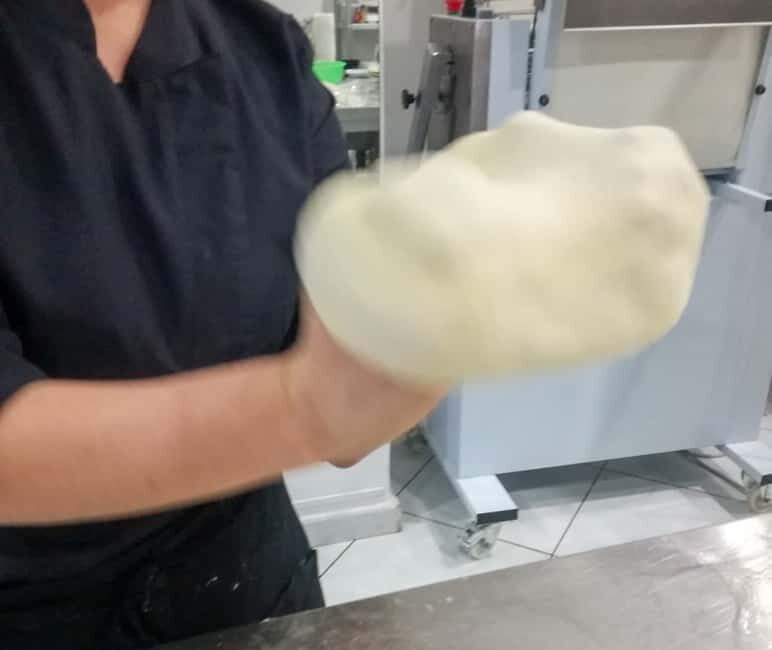
- Small group, up to 8 people: more attention and less waiting around.
- Hands-on Sicilian pizza prep: you’re actually making the pizza, not just watching.
- Scacciata catanese preparation: learn another Catania classic alongside pizza.
- Cannolo wafer filling technique: you get the method, not just the dessert.
- Tasting included (degustazione): you finish by eating what you made and learned.
Catania Pizza Class: What You’re Really Paying For
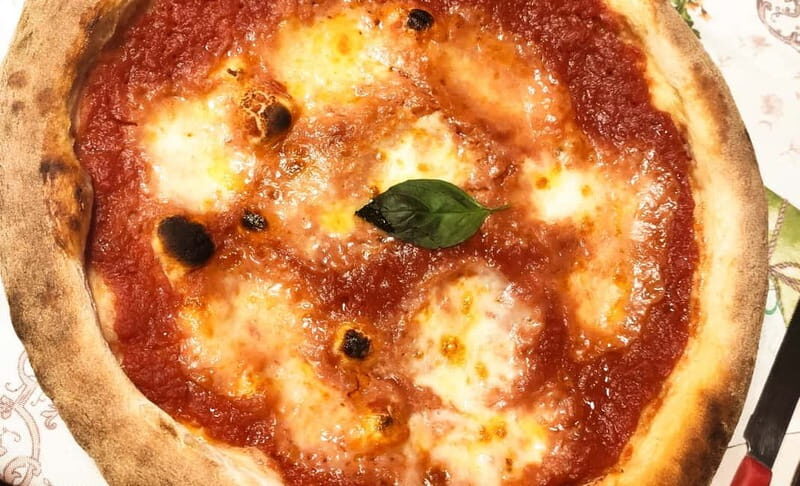
At $101.96 per person for a 3-hour session, you’re not just buying a recipe. You’re buying an organized food workshop in Sicily—with a professional pizzaiolo in the room, a prepared station with ingredients, and a plan that takes you from dough to oven to dessert technique.
This class is built around three big skills:
1) making Sicilian-style pizza,
2) shaping and preparing scacciata catanese,
3) understanding how to fill cannolo wafers properly.
That last one is sneaky important. Many people can make dough or assemble food, but they don’t know how to fill cannoli so they stay right. Here, the lesson includes show cooking focused on the filling technique.
And because it’s limited to 8 participants, you’re more likely to get real corrections—how your dough stretches, how your pizza is handled, and what to do if your timing is off. That’s usually where cooking classes either become fun or frustrating.
Other Catania cooking classes we've reviewed in Catania

The Start: Your Station Is Set Up for Success
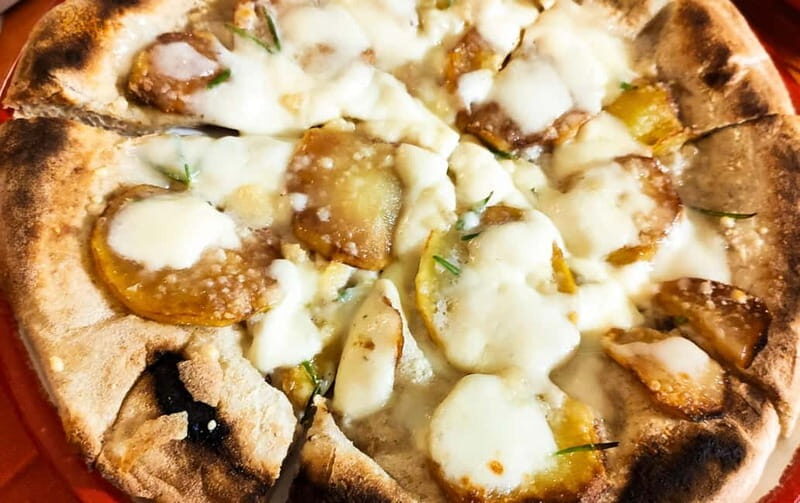
The class runs with a clear “you’ll be cooking soon” energy. Your instructor prepares the station with all the ingredients you’ll need, so you’re not hunting for supplies or waiting for a group kit to pass around.
That setup does two things for you:
- It keeps the pace moving (good for a 3-hour class).
- It means you can focus on technique rather than logistics.
You’ll also get an instructor who works in Italian and English, which is a practical win. If you’re not fluent, you still won’t feel lost when the teacher explains what to watch for in dough texture and assembly.
Making Pizza in a Sicilian Way (Not Just a Generic “Italian” Lesson)
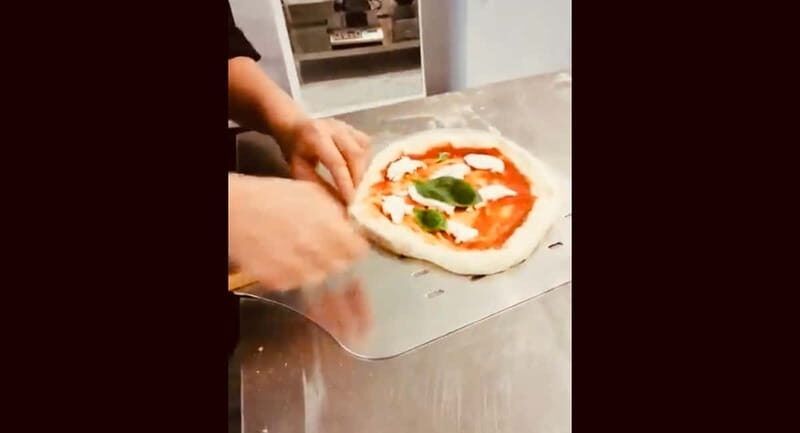
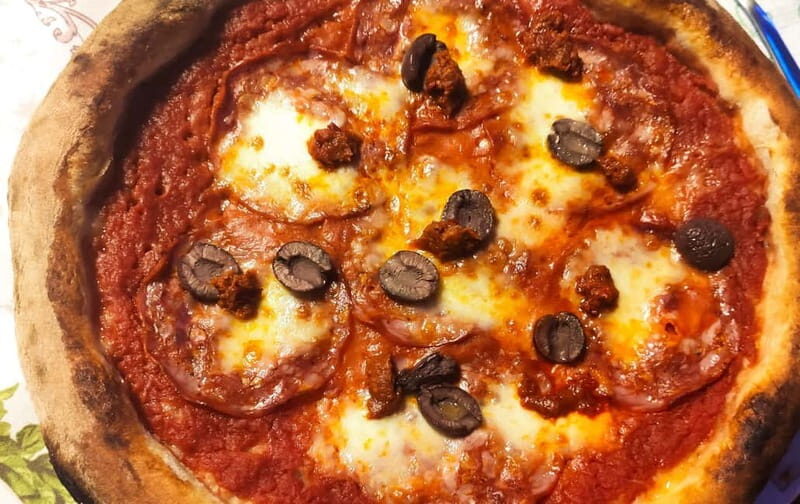
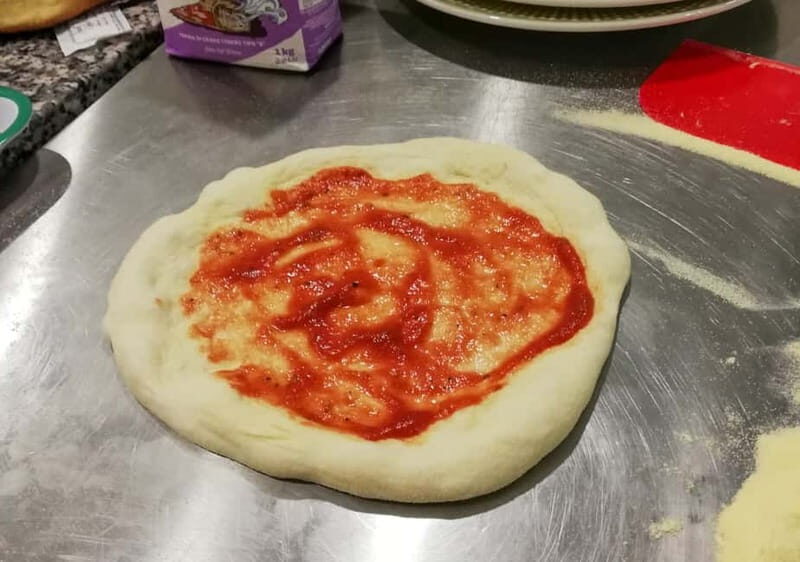
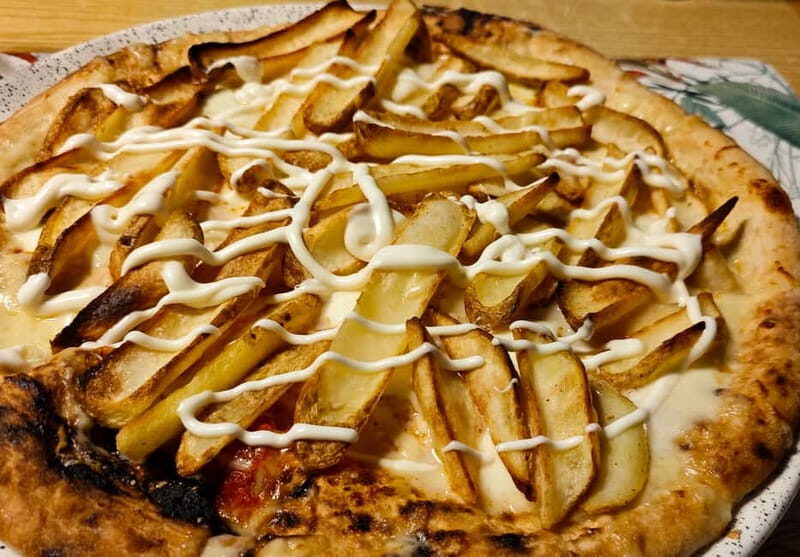
Pizza is the headline here, and you’ll do the full cycle: preparazione pizza—prepping and shaping your pizza, then cooking it. The class frames pizza as creative and deeply Italian, but the real value is that it’s tied to Sicilian flavors and typical ingredients.
What that means for you: you’ll leave with a mental template, not just a memory. You’ll learn what “right” feels like during prep, and you’ll understand how the ingredients come together for the final result.
In a good hands-on pizza class, the most important moments happen before the oven:
- when the dough is handled,
- when toppings are portioned,
- when you decide how much is enough without overloading.
With a small group, you can ask questions when you’re in the middle of doing it—not after you’ve already cooked something you’d fix next time.
Scacciata Catanese: The Savory Side of Sicily
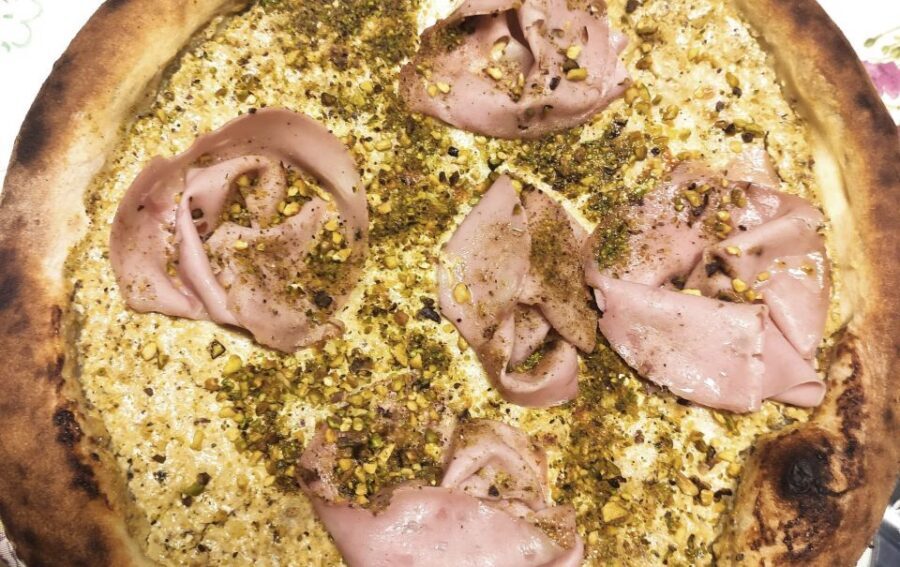
Then comes the scacciata catanese—another Catania staple that gives the class a distinct “this isn’t just pizza” feeling.
Even if you’ve had scacciata before, this is different because you’re learning the preparation process with the teacher’s guidance. Expect the lesson to focus on how you build the dish so it cooks the way it should: filled, sealed/formed properly, and cooked so it doesn’t fall apart or stay underdone.
Why this part matters: a pizza class can teach you one style of Italian cooking. Scacciata expands your repertoire into a Sicilian street-food mindset—portable, stuffed, and designed for real flavor. If you like feeding people and you enjoy making something that slices or breaks into satisfying portions, scacciata is a great takeaway.
It also boosts your value per hour. You’re not only doing one dough-based project. You get multiple techniques in the same session.
Degustazione: Eat What You Learned
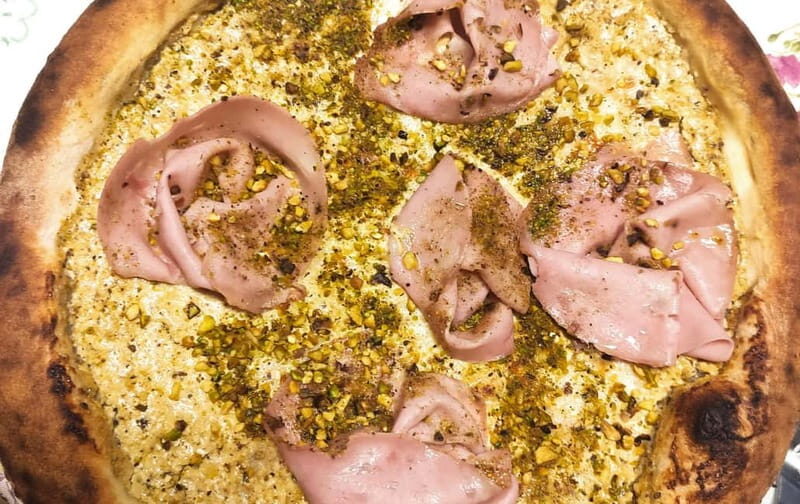
After you put in the work, there’s degustazione—a tasting component.
This matters more than people think. Cooking classes can be stressful while you’re shaping and timing everything. Tasting gives you a “teacher moment” after the practical steps: you taste the outcome and start connecting flavor to the decisions you made earlier.
It’s also the moment you’ll likely realize what you need to repeat at home:
- What you liked most about the pizza,
- what made the scacciata feel right,
- and what kind of sweetness-balance works for the cannolo portion.
If you only care about eating, you might think tasting is a bonus. If you care about cooking, it’s the feedback loop.
Other cooking classes in Catania



Cannolo Show Cooking: The Filling Technique That Actually Counts
The class doesn’t stop at pizza and scacciata. After pizza prep, it turns into a show-cooking focus on the famous Sicilian cannolo—specifically the technique of filling the wafers.
That’s the kind of detail that turns cannoli from “I made something” into “I made something that looks and tastes correct.”
Here’s the takeaway you’ll want to remember: cannolo isn’t just about the filling. It’s about how you handle the wafers and how you portion/fill so the final result holds up. In a guided setting, you can watch the process and pick up the rhythm—when to stop, how to fill cleanly, and how to aim for an attractive, consistent result.
For at-home success, that technique is gold. Many people can buy cannolo ingredients and still end up with soggy wafers or uneven filling. Learning the method in class gives you a better shot at nailing it later.
Language and Group Size: Why This Class Feels Personal
This class is designed for a tight group: limited to 8 participants. That’s not a marketing line—it affects how the class runs.
In a large group, you often get:
- one look at the teacher’s demonstration,
- then a scramble to catch up,
- with limited correction.
In a small group, you’re more likely to get the kind of help that saves your dough or your timing. That’s especially important with dough-based cooking, where small differences matter.
Also, the instructor works in Italian and English, and the reviews have centered strongly on the quality of teaching. Names you’ll see tied to the experience include Simona as a chef/instructor praised for thorough explanation, enthusiasm, and attention to questions. You’ll also notice thanks directed to team members Julie and Pat, which is a good signal that support is part of the experience, not just the cook.
Price, Value, and What Makes It Worth $101.96
Let’s talk value plainly. For $101.96, you’re getting:
- an instructor guiding you throughout,
- ingredient stations prepared for you,
- hands-on cooking of pizza and scacciata catanese,
- a show-cooking segment on cannolo with filling technique,
- and a tasting at the end.
So where’s the value really coming from?
- You’re not only learning a recipe. You’re learning workflows: prep, assembly, cooking, then finishing techniques.
- The class covers both savory and sweet, so you leave with more than one “party trick.”
- The small group keeps it practical—you can ask questions while you’re actively working.
Is it expensive? It’s not the cheapest cooking class you’ll find in Sicily. But for a focused 3-hour session with small-group attention and multiple outcomes (pizza, scacciata, cannolo filling), it’s fair.
If you’re the kind of traveler who actually cooks at home and wants repeatable results, this price makes sense. If you only want a light taste with minimal hands-on work, you may feel it’s more work than you planned.
Logistics That Matter: 3 Hours and Moving With the Lesson
The session is 3 hours. That’s a comfortable length for a cooking class that includes more than one dish—but it does mean the schedule is active.
Plan for:
- getting your hands messy,
- paying attention during key steps (especially assembly),
- and not expecting to leisurely linger over every stage.
If you’re the type who likes slow food, you may wish for more time. If you’re the type who enjoys learning by doing, 3 hours is a sweet spot.
Also note the core cancellation detail: free cancellation up to 24 hours in advance. That flexibility can matter if your Sicily schedule is still shifting.
Who This Cooking Class Is Best For
This is a strong fit if you:
- want a hands-on Catania experience that goes beyond sightseeing,
- like learning technique (not only eating),
- cook at home and want flavors you can repeat,
- travel with friends or partner and want a shared activity.
It’s also a good choice if you’re short on time. Three hours is much easier to fit into a Catania itinerary than a half-day tour that involves multiple stops.
If you’re a total beginner, don’t worry. The class is structured for you to follow a teacher step-by-step with a prepared station. The main “skill” you need is willingness to try.
Should You Book This Catania Pizza Cooking Class?
Yes, if you want a compact, high-satisfaction food workshop. The standout strength is how the lesson combines multiple Sicilian specialties—pizza, scacciata catanese, and cannolo filling technique—with small-group attention and a tasting at the end. At this price, you’re paying for guidance that helps you reproduce the results later.
Skip it only if you’re looking for a long, relaxed meal experience or you’d rather spend your time sightseeing than working dough in your hands.
If you’re even moderately excited by the idea of making Sicilian food you can actually recreate, this is the kind of class that turns into a useful memory—one you can cook again at home.
FAQ
How long is the Catania pizza cooking class?
The class lasts 3 hours.
How many people are in the group?
It’s a small group limited to 8 participants.
What languages are the instructor and lesson offered in?
The instructor is Italian and English, and the languages available are Italian and English.
What will I cook during the class?
You’ll prepare pizza, prepare scacciata catanese, and learn cannolo filling technique during show cooking.
Is there tasting included?
Yes, there is a tasting component (degustazione).
Who teaches the class?
An Italian instructor teaches the class, and the teaching is available in Italian and English.
What is the cancellation policy?
You can cancel up to 24 hours in advance for a full refund.
Is reserve & pay later available?
Yes. You can reserve your spot and pay nothing today.