REVIEW · CATANIA WALKING TOURS
Catania Highlights Walking Tour With A Guide
Book on GetYourGuide →Operated by Guydeez Tours · Bookable on GetYourGuide
Catania reveals itself fast on a focused two-hour walk. This tour packs the big sights and the everyday stuff into one route, and I especially like the Catania Fish Market stop and the Via Crociferi Baroque street walk. One thing to keep in mind: the experience depends a lot on your guide’s pacing and organization, and a small number of bookings reported route mix-ups.
You’ll get a local guide on foot, with options starting from Via Etnea or the Duomo area, and the tour runs in English plus several other languages (Italian, French, Spanish, German). It’s also a smart value if you want history, architecture, and street-level atmosphere without adding museum tickets or meals. The only clear drawback is that food or drinks aren’t included, so you’ll want to plan a snack stop on your own.
What you’re really buying here is time-saved navigation plus context. You’ll move between key squares and landmarks with photo stops along the way, and you’ll end back in the historic center near Piazza dell’Università.
In This Review
- Key Highlights I’d Prioritize
- Why Catania’s Cathedral-to-Center Route Works in 2 Hours
- Starting Points: Via Etnea vs. Duomo Square
- Duomo Square: Where Catania’s Center Starts
- Via Crociferi: Baroque Street Walks Best When You Slow Down
- Monastery of San Nicolò l’Arena: A Quiet Reset
- Ursino Castle: Fortress History With Real Presence
- Piazza Stesicoro: A Central Square That Feels Like Living City
- Catania Fish Market: The Stop That Makes It Feel Real
- Palazzo Currò: When the Tour Adds a Lesser-Known Beauty
- Piazza dell’Università: The Finish Line Back in the Historic Core
- What the Guide Makes or Breaks (Including Domenico and Selenia)
- Price and Value: Why $29 Can Make Sense
- Practical Tips to Make This Walk Feel Effortless
- Should You Book This Catania Highlights Walking Tour?
- FAQ
- How long is the Catania highlights walking tour?
- What is the price per person?
- Where does the tour start?
- Does the tour include food or drinks?
- What landmarks and areas are included?
- Are there photo stops during the tour?
- Is the tour guided, and what languages are available?
- Is the tour wheelchair accessible?
- Is there a private group option?
- Can I cancel for a full refund?
Key Highlights I’d Prioritize
- Fish Market immersion: a real snapshot of daily Sicilian life
- Via Crociferi Baroque architecture: classic Catania street beauty on a short walk
- Ursino Castle + Monastery contrast: fortress energy, then calm stone quiet
- Major squares in a tight loop: Duomo Square and Piazza Stesicoro bookend the center
- Multilingual guides: English, Italian, French, Spanish, German
- Good value for 2 hours: a guided walking route without added ticket costs listed
Why Catania’s Cathedral-to-Center Route Works in 2 Hours
Catania can feel like a patchwork at first—lava-stone buildings, grand churches, tight streets, then sudden open squares. This tour gives you a clean way to stitch it together quickly. In two hours, you’re not trying to do everything; you’re learning how the city’s center connects.
The route is designed around walkability. You’ll hit the most recognizable anchor points (the Cathedral area and the main university square) and then layer in the sights that explain why Catania looks the way it does—especially the Baroque architecture around Via Crociferi.
I also like that it’s not only monuments. The Fish Market stop matters because it shows how locals live with the city, not just around it.
Other Catania walking tours we've reviewed in Catania


Starting Points: Via Etnea vs. Duomo Square
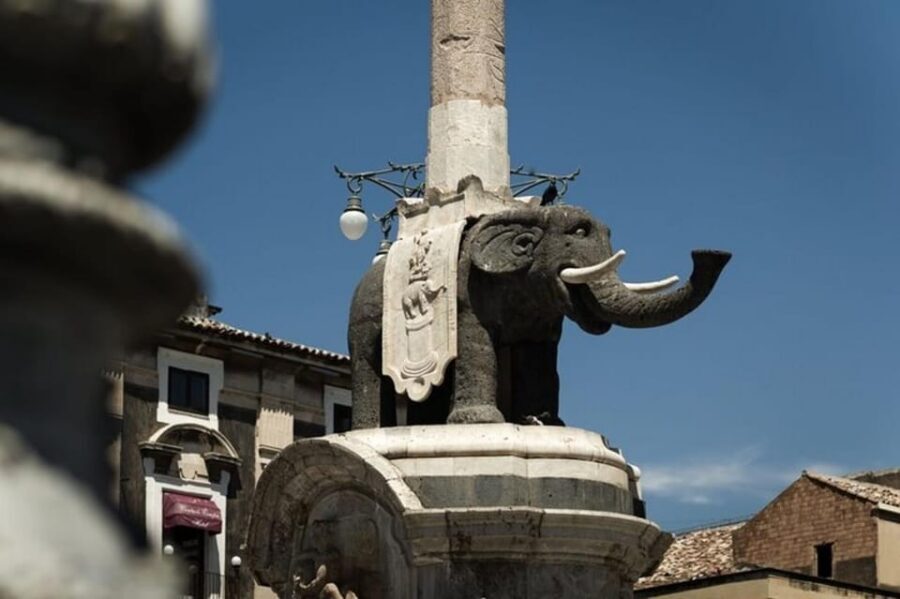
You can start from either Via Etnea or the Duomo Square area, depending on the option you book. If you’re staying near the historic core, Duomo Square often feels more convenient. If you’re coming in from farther away, starting on Via Etnea can make the whole walk feel less stressful.
Either way, I’d arrive a few minutes early so you can get your bearings before the group moves. This is a walking tour, so the difference between starting on time and starting late is basically the difference between seeing a highlight and chasing it.
One more practical note: the meeting point may vary, so check the exact location tied to your specific booking. A tour that starts in a recognizable neighborhood is still easier when you know the precise corner.
Duomo Square: Where Catania’s Center Starts
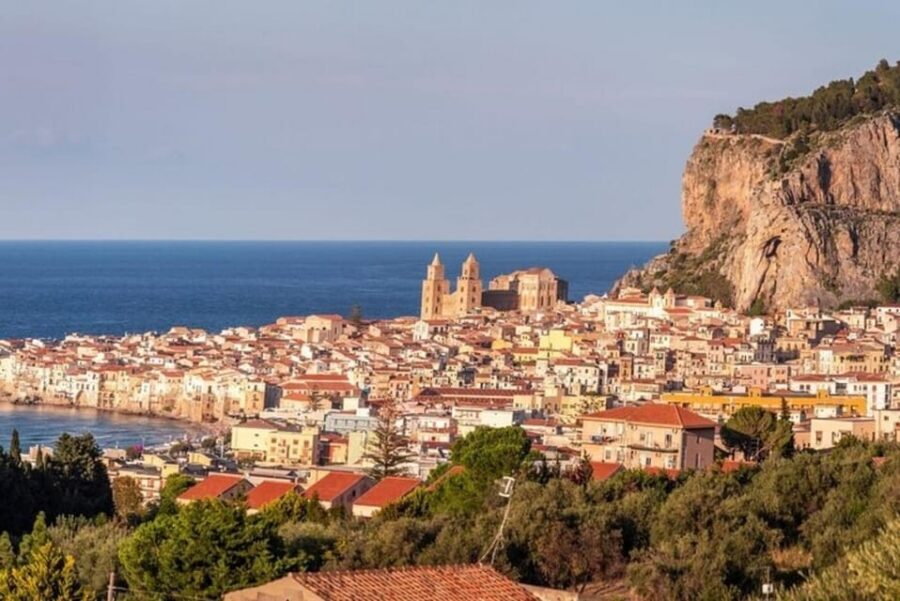
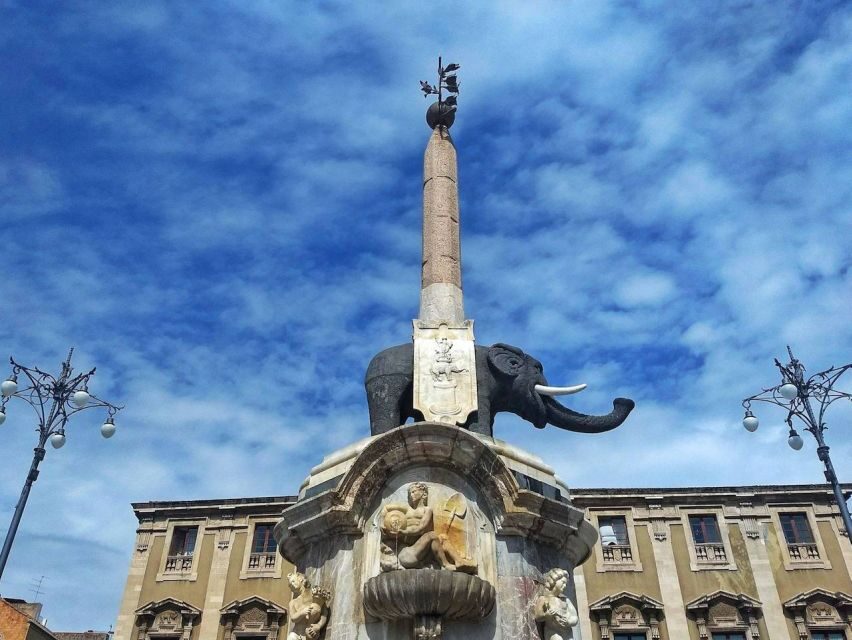
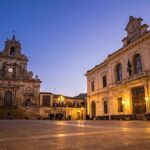
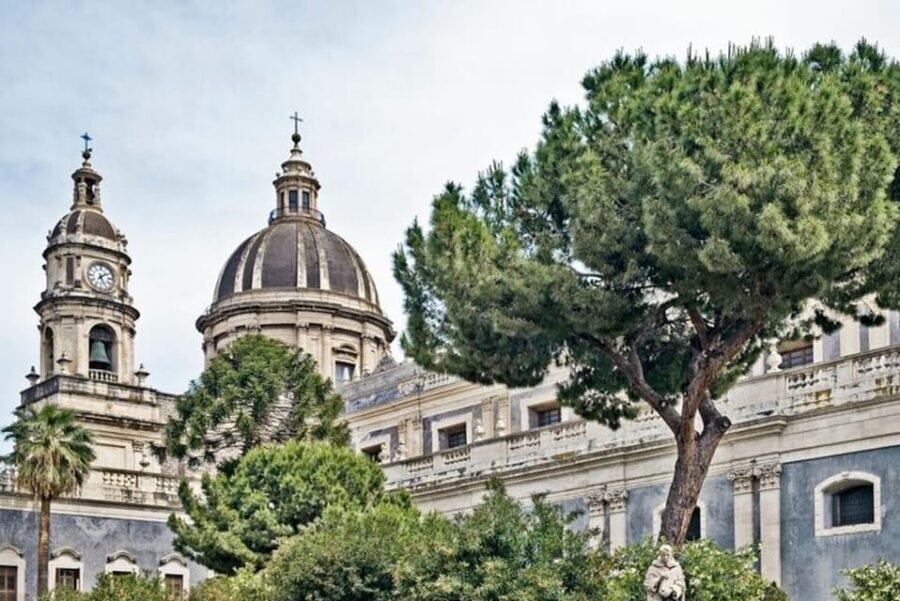
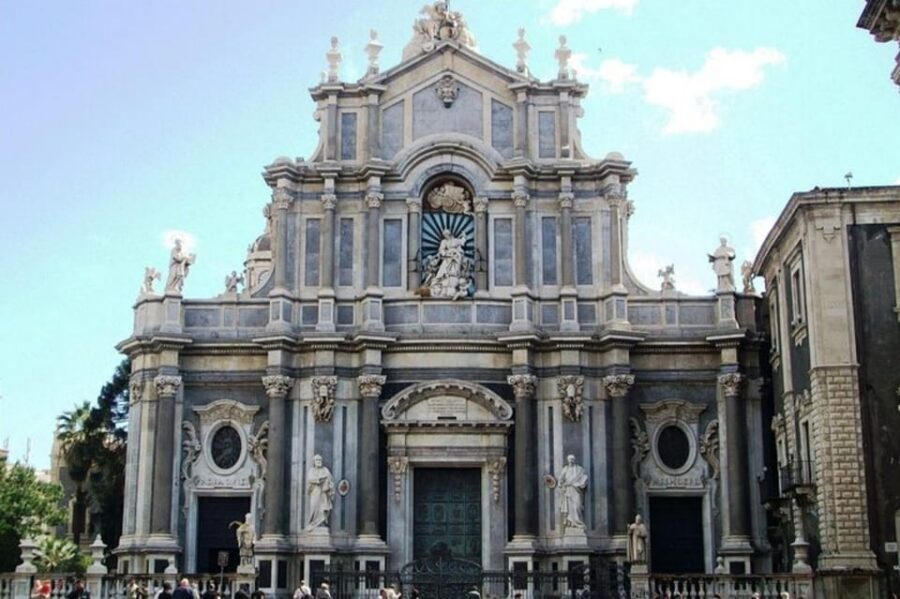
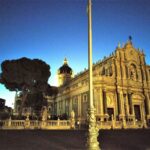
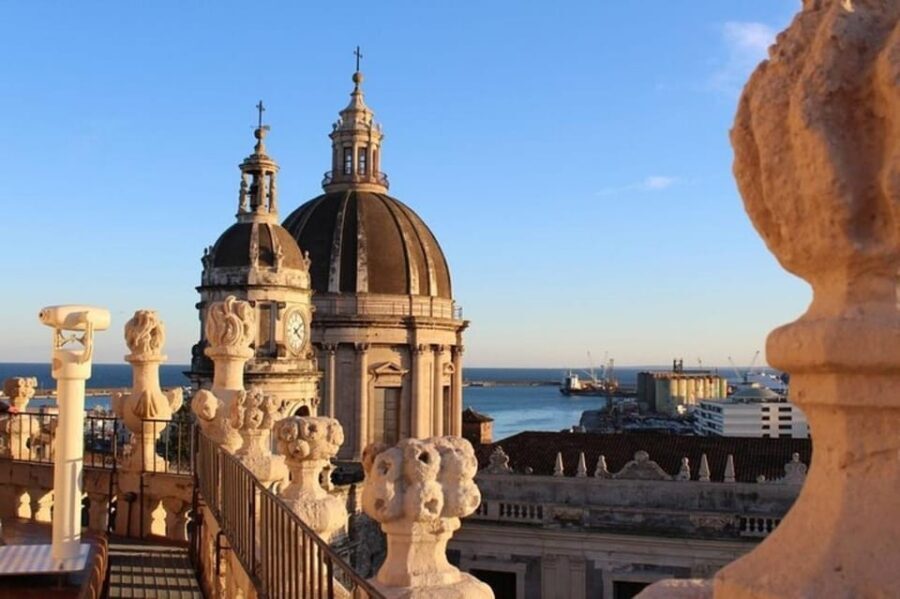
You begin at Duomo Square, with a photo stop and a guided look at the Cathedral in the square area. This is where you get the city’s visual “north star.” Even if you’ve seen photos of Catania’s churches, being in the square changes the scale fast.
A guide’s value here is simple: they connect the building to the city around it. You’ll hear stories tied to Catania’s past, which helps the later stops make more sense. Without that context, you might just be collecting pretty facades; with it, you start to understand why this street-and-square layout matters.
If you’re the type who likes to keep moving, this first stop should feel easy—short, focused, and then you’re on the move.
Via Crociferi: Baroque Street Walks Best When You Slow Down

Next comes Via Crociferi, one of Catania’s oldest streets, lined with Baroque buildings. This is the street stop that turns the tour from landmarks into atmosphere. You’ll get photo moments while the guide points out what to look for—curves, stone details, the overall rhythm of the buildings.
Here’s the useful trick: don’t treat it like a hallway you rush through. Walk at a pace where you can look up at least every few steps. Baroque architecture rewards your attention, and you’ll appreciate it more if you’re not constantly switching between watching your feet and photographing.
Also, this stop is great for orientation. By the time you finish Via Crociferi, you usually feel like you’ve learned the geometry of central Catania—where the squares are and how the streets funnel you between them.
Monastery of San Nicolò l’Arena: A Quiet Reset
After the Baroque street energy, you’ll visit the Monastery of San Nicolò l’Arena. The tone shifts here in a good way. Instead of street spectacle, you get a calmer, more reflective stop that balances the day.
Architecturally, monastery sites often feel like Catania’s answer to a pause button. You can look longer here, and you’ll likely appreciate how the city’s religious spaces shaped community life.
If you’re traveling with family or you just want a break from crowds, this is one of the spots that can feel like a breath of air.
Other walking tours we've reviewed in Catania
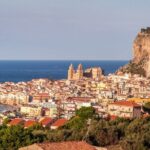


Ursino Castle: Fortress History With Real Presence
Then comes Ursino Castle, a fortress that adds weight to the tour. Even if you don’t get lost in the details, a castle stop does two things well: it explains power in the city and it gives you a different kind of photo opportunity.
This is where the guide’s local stories help the most. A guide can translate what a fortress meant in everyday terms—protection, control, and the long shadow of past events.
I like castle stops because they break the repeat pattern of church, street, square. You come away with a sense that Catania wasn’t only made of art and religion; it was also built to manage risk and authority.
Piazza Stesicoro: A Central Square That Feels Like Living City
You’ll stop in Piazza Stesicoro for photos and a guided look. This square is a good reminder that Catania isn’t a theme park of historic buildings. It’s a working city, and squares are where that shows.
Streets like Via Crociferi can feel architectural and staged—Piazza Stesicoro feels more like daily routines. If you want to understand the city beyond the highlights, the square helps you do it.
Use this part of the walk to reset your energy. It’s a good point to check your photos, drink some water (bring your own), and mentally prepare for the Fish Market.
Catania Fish Market: The Stop That Makes It Feel Real
The Catania Fish Market is the tour’s most “you are here” moment. The point isn’t eating (food and drinks aren’t included); it’s seeing how the city feeds itself and how people move through a marketplace.
Expect sights and smells. It can be intense, and that’s exactly why it works. A guide can also help you interpret what you’re looking at—why this place matters and how it fits into the city’s rhythm.
Practical move: if you’re sensitive to strong aromas, you might stand back for a moment, then step closer only when the flow of people shifts. You’ll still get the atmosphere without feeling overwhelmed.
This is also where you learn how Catania’s identity isn’t only on stone facades. It’s in commerce, tradition, and the daily work of the port city life.
Palazzo Currò: When the Tour Adds a Lesser-Known Beauty
The tour later includes Palazzo Currò, listed as a historic gem you’ll see along the way. This is one of those stops that can feel like a reward: you get something refined and specific, not just the most famous headline sights.
Even when a palace stop is brief, it helps you notice how Catania’s wealth and style expressed itself in private architecture too. If you only visited the grand public buildings, you’d miss that layer.
This is also a good moment for those who enjoy detail. Look for how the building presents itself to the street, and let your guide connect it back to the bigger story you’ve been hearing all tour.
Piazza dell’Università: The Finish Line Back in the Historic Core
You end at Piazza dell’Università in the historic center. This is a fitting close because it brings the tour back to a sense of civic life and learning. It also works practically: by finishing near a central area, you’re in position to keep exploring on your own afterward.
If you have time after the tour, you can use the ending area to expand your day. Start asking yourself what you want more of—church architecture, street scenes, or the market zone again.
And if you’re tired, don’t worry. Finishing here gives you an easy landing spot instead of dropping you somewhere random.
What the Guide Makes or Breaks (Including Domenico and Selenia)
This tour lives or dies on the guide experience. The good news: there’s clear evidence of strong guiding. I’ve seen examples of guides described as highly competent and empathetic, including Domenico in one booking. Another booking highlights Selenia as attentive to the group’s well-being and able to adapt to requests.
In other words, when the guide is on top of the route, the tour feels smooth: you get context, you get the landmarks in the right order, and the walking pace stays manageable.
Still, take one caution seriously. A booking reported poor coordination and that the guide didn’t know the route as marked, which led to missing some places. If you’re the kind of person who hates last-minute surprises, double-check your start option and make sure you’re set on what you expect to see.
Price and Value: Why $29 Can Make Sense
At $29 per person for a two-hour walking tour with a guide, the value depends on what you compare it to. If you’d otherwise spend time figuring out the city on your own, pay for a taxi between scattered points, or skip key context, this price can feel reasonable.
You’re also not paying extra for meals (none included) or mentioned ticket add-ons. So you’re mainly paying for guide time and the convenience of a route that strings together big landmarks and the Fish Market experience.
The best value angle: you’re getting both “famous stops” (Cathedral area, Ursino Castle) and “local-life stops” (the Fish Market). That mix is hard to replicate casually unless you already know exactly where to walk and what to look for.
Practical Tips to Make This Walk Feel Effortless
Wear comfortable shoes. This is a walking highlights route, and even if each segment feels short, your feet will notice. Also, consider the weather—Sicily can be hot, and you’ll want sunglasses and water.
Bring a small camera or phone power bank. You’ll likely want photos at multiple squares and key landmarks, especially around Via Crociferi and the Cathedral area.
Since food and drinks aren’t included, plan a snack before or after. If the Fish Market intensifies your appetite, you’ll be ready instead of suddenly needing something immediately.
If you want the experience to match your interests, say it early. A good guide adjusts. A couple of bookings specifically praised adaptation to family or group needs, so you’ll get more out of the tour if you communicate your pace and priorities from the start.
Should You Book This Catania Highlights Walking Tour?
Book it if you want a structured way to see central Catania in two hours—especially if you care about the mix of architecture plus real everyday life at the Fish Market. The multilingual guide options and wheelchair accessibility also make it a flexible choice for many kinds of groups.
Skip or think twice if you’re extremely time-sensitive and hate any chance of missing stops, since the route depends on guide execution. If you do book, choose your start option carefully (Via Etnea vs. Duomo Square) and plan a little buffer so you don’t feel rushed.
Overall, I’d call it a solid first-draft Catania experience: you’ll leave with a clear mental map of the center and a better sense of how the city’s past connects to what you see on the street today.
FAQ
How long is the Catania highlights walking tour?
It lasts 2 hours.
What is the price per person?
The price is $29 per person.
Where does the tour start?
The start point can vary based on the option booked, including Via Etnea (Via Etnea, 22) or Duomo Square, Catania.
Does the tour include food or drinks?
No. Food or drinks are not included.
What landmarks and areas are included?
You’ll see highlights including Catania Cathedral (Duomo Square), Via Crociferi, the Monastery of San Nicolò l’Arena, Ursino Castle, Piazza Stesicoro, the Catania Fish Market, Piazza dell’Università, and Palazzo Currò.
Are there photo stops during the tour?
Yes, there are photo stops built into the route at key locations.
Is the tour guided, and what languages are available?
Yes, you get a live tour guide. Languages listed are English, Italian, French, Spanish, and German.
Is the tour wheelchair accessible?
Yes, the tour is wheelchair accessible.
Is there a private group option?
Yes, private group availability is offered.
Can I cancel for a full refund?
Yes. Free cancellation is available up to 24 hours in advance for a full refund.