REVIEW · CATANIA COOKING CLASSES
Cooking class, visit to the Catania market and light lunch
Book on GetYourGuide →Operated by Sicilying S.R.L. · Bookable on GetYourGuide
Shopping for dinner in Catania feels like play. This Sicilian class is built around a Catania historic market visit and then homemade pasta you make yourself, guided by a live teacher. What makes it fun is the mix of buying ingredients like a local and turning them into real food you can taste right away.
I also like that the experience ends with a light lunch that’s tied to the dishes you learned, not just a random meal stop. In one recent run, the guide Alexandria was especially strong on explaining products and how Sicilians use them, and the sweets mentioned included cannoli with ricotta plus pistachio pesto. One consideration: if you have any food allergies, you need to specify them ahead of time since the class uses fresh local ingredients and classic Sicilian staples.
In This Review
- Key Highlights You’ll Care About
- Catania Market Shopping: Where Your Meal Starts
- A Small Group, Real Cooking Time, and Why It Works
- Chef-Led Sicilian Traditions: What You Learn Beyond the Recipe
- Homemade Pasta: The Hands-On Part That’s Actually Memorable
- Traditional Sauces and Typical Dishes: How the Market Choices Pay Off
- Light Lunch (With Dessert): A Real Payoff, Not an Afterthought
- Timing and Logistics: What 3 Hours Feels Like on the Ground
- Price and Value: Why $94 Can Make Sense Here
- Who Should Book This Sicilian Cooking Class
- Should You Book It?
- FAQ
- How much does this Catania cooking class cost?
- How long is the experience?
- What’s included in the price?
- What languages are offered?
- How many people are in the group?
- Is it wheelchair accessible?
- Do I need to mention allergies?
Key Highlights You’ll Care About
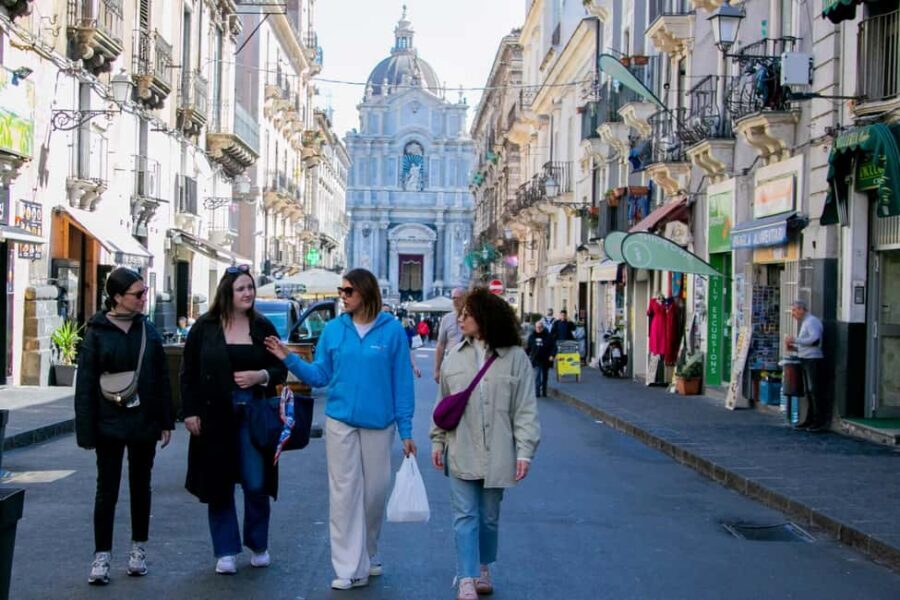
- Catania historic market: shop and taste before you cook
- Expert chef guidance: practical Sicilian technique, not just recipes
- Fresh handmade pasta: you’ll actually make it
- Local ingredients: market finds inform the sauces and flavors
- Light lunch with dessert: typical appetizers and a sweet ending
Catania Market Shopping: Where Your Meal Starts
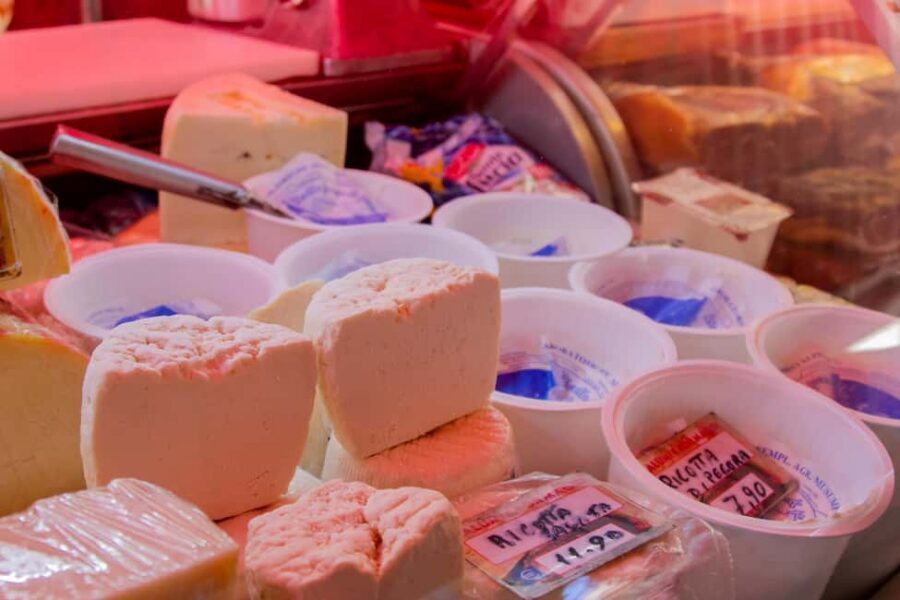
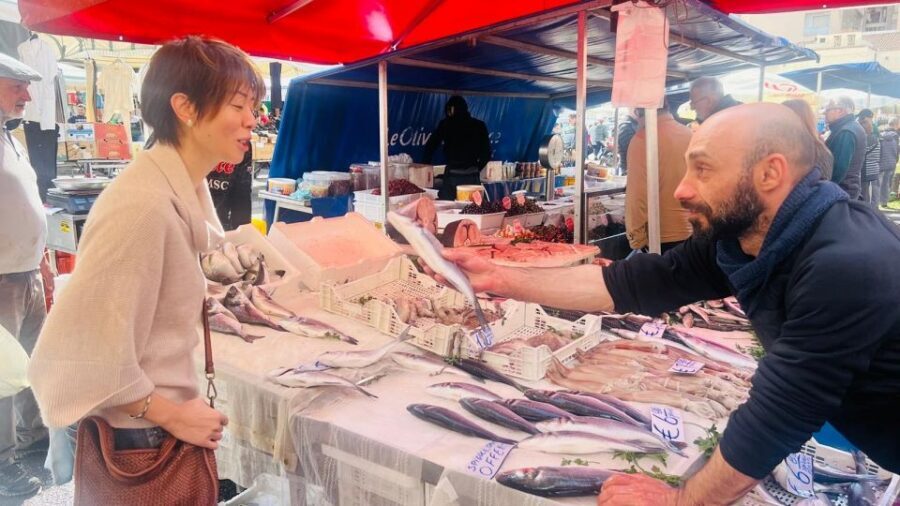
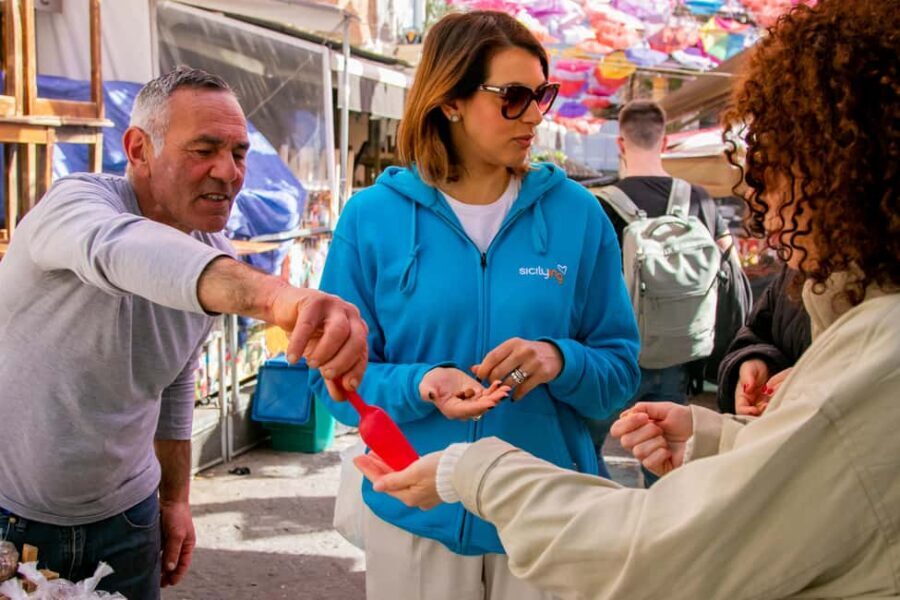
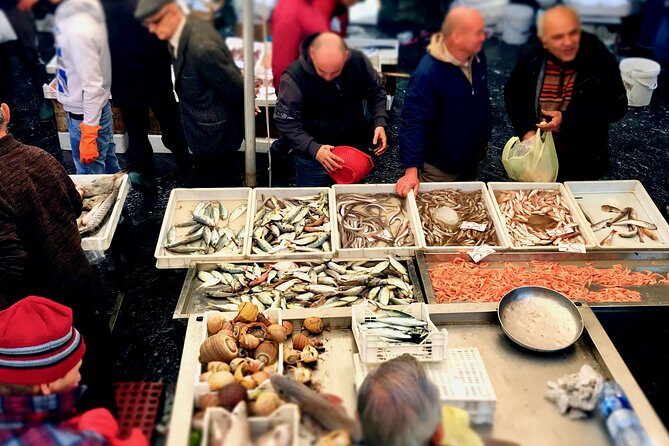
The best part of this class is the first half-hour rhythm: you’re not just sitting in a kitchen. You start in the Catania market, where the goal is to spot the ingredients that drive Sicilian cooking. Market time matters because it teaches you what people reach for day after day, then shows you how those choices affect taste.
In the market you’ll buy and taste typical local products, and the class frames it like a short shopping mission with a purpose. That means you’re looking for the right things for pasta sauces and classic sweets, not collecting souvenirs. You also get a chef-like mindset early: think ingredient first, recipe second.
Practical tip: if you’re sensitive to strong flavors (like very garlicky sauces) or you’re strict about anything dietary, speak up early. The activity asks you to specify food allergies, and doing that before market stops keeps everything smoother for you and for the group.
Other Catania cooking classes we've reviewed in Catania
A Small Group, Real Cooking Time, and Why It Works
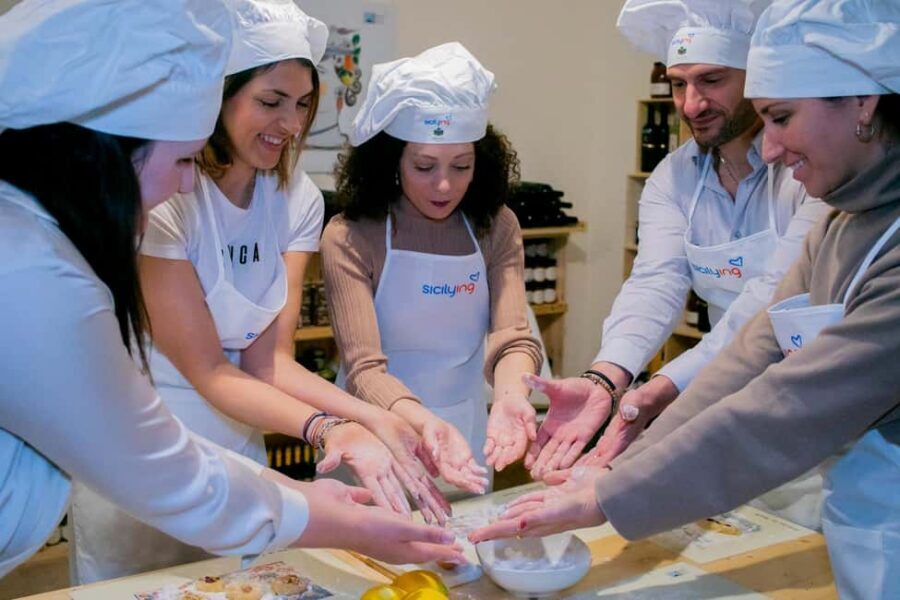
This is a small group experience limited to 10 participants, and you can feel the difference. Smaller class sizes usually mean you spend more time cooking and less time waiting around. With only a handful of people, the guide and chef can answer questions as they come up, especially when you’re working hands-on.
You’ll also have a live tour guide who speaks Italian and English, which is a big deal in food classes. Even if your Italian is limited, the guide can connect the dots between ingredients, technique, and the dishes you’ll eat later. If you’ve ever felt lost in a cooking class that talks too fast or too technical, this format is built to help you follow along.
One more detail that helps: you get an apron. That sounds basic, but in practice it means you can focus on learning pasta work and sauce prep instead of worrying about what you’re wearing.
Chef-Led Sicilian Traditions: What You Learn Beyond the Recipe
The chef isn’t only teaching steps. The real value is learning the thinking behind classic Sicilian dishes. The class is set up to show you the “why” behind the flavors that made the island famous, from what goes into typical sauces to how sweets fit into everyday life.
In one of the experiences described, the guide Alexandria was praised for explaining market products and helping the group understand how to use them. That kind of context changes how you cook later. Instead of memorizing a list, you start recognizing patterns: which ingredients carry sweetness, where bitterness shows up, and how Sicilians balance richness with fresh acidity.
You’ll also notice the class leans on shared work. When you cook in a small group, you learn faster because you compare notes and ask questions in real time. It’s not just educational; it’s also social in a relaxed way.
Homemade Pasta: The Hands-On Part That’s Actually Memorable

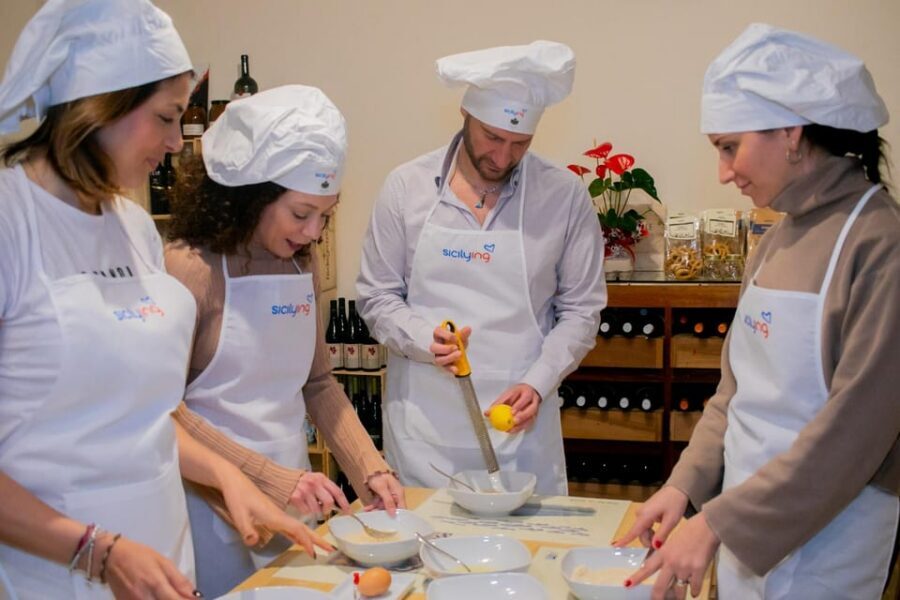
Let’s talk about the star: homemade pasta. This is one of those activities where the process sticks with you, because shaping pasta teaches you texture, not just technique. Even if you don’t become a pasta pro, you’ll come away knowing what fresh dough should feel like and how sauces cling when the pasta is made correctly.
Because the class includes traditional sauces alongside the pasta, you get the full chain of flavor. Homemade pasta isn’t just a novelty step. It’s the base that makes the sauce choices matter. Fresh ingredients picked in the market connect directly to what ends up on your plate later.
If you’re worried this will be too “hands-on,” it helps to remember the whole session is only 3 hours total. That’s enough time to learn the core skills without turning it into an all-day production. It’s a practical sweet spot.
Traditional Sauces and Typical Dishes: How the Market Choices Pay Off
Sicilian sauces tend to be about clarity: bold flavors, specific ingredients, and comfort you can recognize. In this class, you prepare traditional sauces meant to pair with the pasta you’re making. That pairing is important. You’re not cooking ingredients in isolation; you’re learning the combinations that show up in typical Sicilian meals.
The structure also keeps the flavor logic tight. You start with market tasting and product selection, then you move into pasta and sauce prep, and then you eat. When all three parts are linked, you learn faster because each step answers the next question: What ingredient matters here? What changes the sauce? Why this pairing?
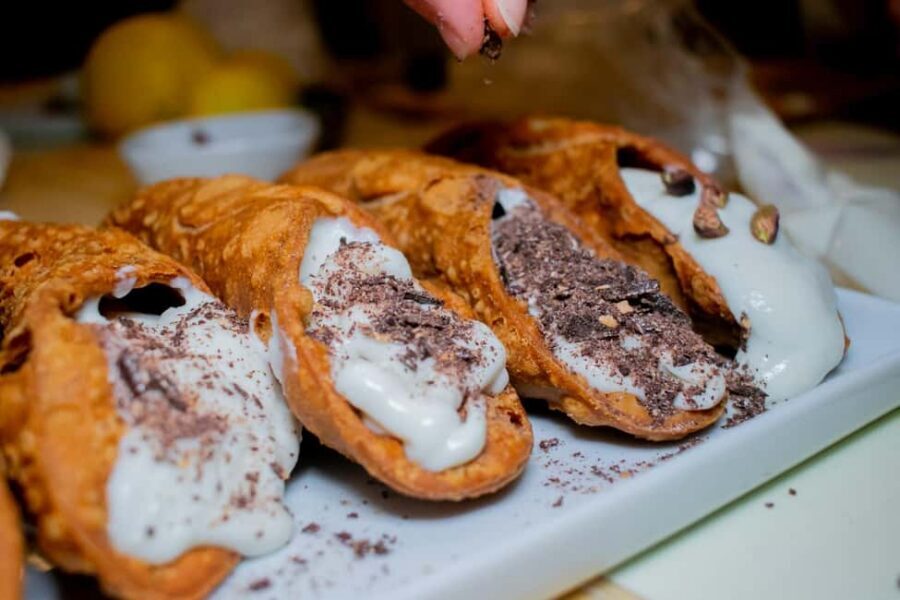
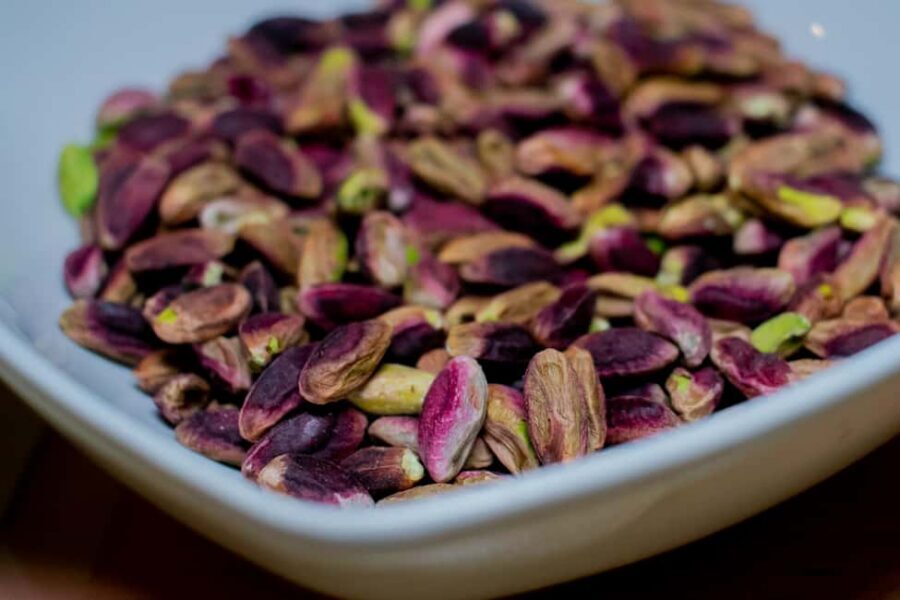
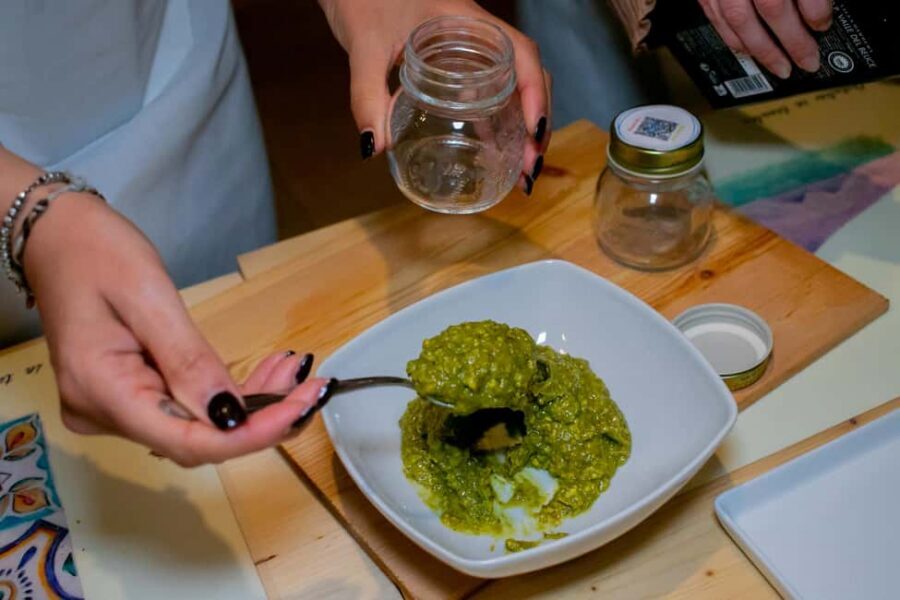
As a bonus, the lunch portion mentioned in feedback includes items that align with Sicilian dessert culture. One group highlighted cannoli with ricotta and also enjoyed pistachio pesto as part of the tastings. Even if your exact lineup differs slightly, it signals that the class doesn’t treat sweets and savory flavors as separate worlds. Sicilian food often moves between them in the same meal.
Other shopping tours in Catania




Light Lunch (With Dessert): A Real Payoff, Not an Afterthought
The class ends with a light lunch that includes typical appetizers and a delicious dessert. “Light” is a good word here. It usually means you won’t leave feeling stuffed and heavy, and it keeps the focus on tasting what you made and what you learned.
Typical appetizers matter because they teach you the pacing of Sicilian meals. Often you’ll taste several smaller items, then settle into the main pasta dish, then close with dessert. That flow helps the cooking class feel like a meal you’d recognize, rather than just a workshop with food at the end.
Dessert is where you get the payoff. In feedback from past participants, sweets mentioned included almond cookies and cannoli with ricotta. Another detail noted was pistachio pesto, which shows up as a flavorful Sicilian touch when used thoughtfully. If you like sweet-and-savory balance, this ending is likely to land well.
Practical note: water is included, but if you prefer something else to drink, you’d need to plan for it separately since only water is listed as included.
Timing and Logistics: What 3 Hours Feels Like on the Ground
Three hours is short enough to be easy on your schedule, but long enough to feel substantial. You get a full sequence: market visit and tasting, then fresh pasta and sauce preparation, then lunch with dessert. That makes it a good “anchor activity” for a day in Catania without consuming your entire morning or afternoon.
Because the group is capped at 10 and the class includes a market component, you can expect the day to move at a steady pace. You’ll likely have limited downtime. If you prefer super-slow travel, this may feel a bit brisk. Still, for food lovers, that pace is often what makes it feel like a real experience.
Price and Value: Why $94 Can Make Sense Here
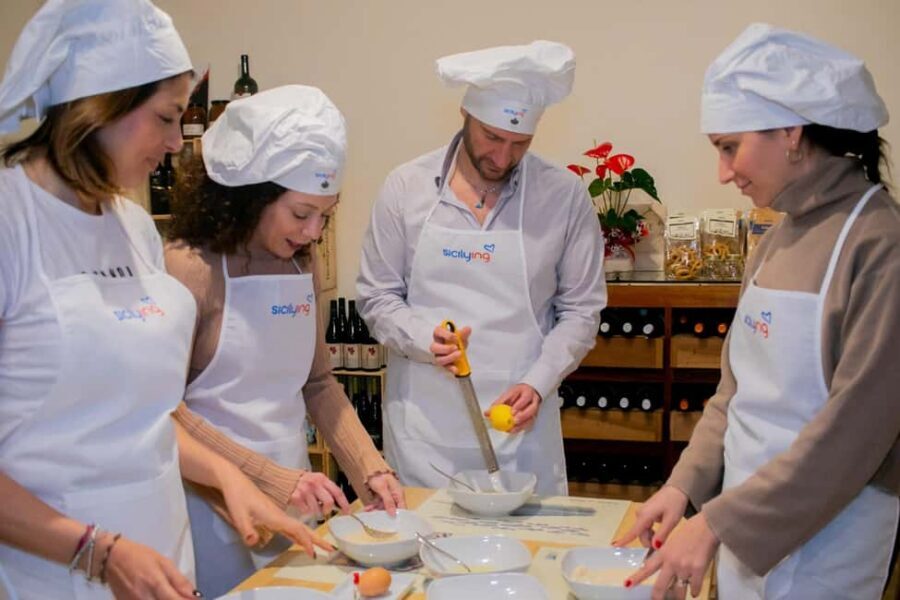
At $94 per person, the price isn’t just for cooking. It includes several components that add up: the market visit and tasting, the chef-guided prep of pasta and sauces, light lunch with appetizers and dessert, plus an apron and water.
Here’s how I think about value for a class like this:
- You’re paying for guidance in the market and in the kitchen, not only the meal.
- You’re also paying for ingredients and the structure that turns shopping into cooking.
- The market-to-table flow reduces the guesswork you’d face if you tried to DIY it.
Is it expensive compared with a casual pasta dinner? Yes, probably. Is it good value compared with a full guided food experience that includes shopping, cooking, and eating? In most cases, yes—especially with a small group and English/Italian support.
If you’re traveling with someone who enjoys food and wants more than a sit-down meal, this price is easier to justify.
Who Should Book This Sicilian Cooking Class
I’d point this class at you if:
- You want a market-to-table experience in Catania
- You like hands-on cooking, especially fresh pasta
- You enjoy learning how traditions shape food choices
- You want a small-group activity capped at 10 people
It’s also a good fit for friend groups because shared cooking plus a shared meal creates natural conversation. And since the guide works in Italian and English, it’s not limited to fluent travelers.
Skip it (or at least reconsider) if:
- You have complicated allergies and aren’t comfortable relying on the class to adapt. You can and should specify allergies, but the class uses local ingredients and classic Sicilian dishes.
- You hate busy itineraries. The session moves through market shopping, cooking, and lunch in 3 hours, so there’s not much hanging around.
Should You Book It?
If you want one activity that mixes real local shopping, practical cooking skills, and a meal that reflects Sicilian tradition, I’d book this. The market visit gives your food learning roots, the homemade pasta gives you a skill and a story, and the light lunch with dessert makes the whole thing feel complete.
Just be honest about your needs: mention food allergies early, and make sure a 3-hour, hands-on format matches your travel style. If that fits, this is the kind of class that gives you more than recipes. You come away understanding how Sicilians build flavor from the ground up.
FAQ
How much does this Catania cooking class cost?
It costs $94 per person.
How long is the experience?
The duration is 3 hours.
What’s included in the price?
The included items are an apron, light lunch, market visit and tasting, and water.
What languages are offered?
The live tour guide speaks Italian and English.
How many people are in the group?
The group is small, limited to 10 participants.
Is it wheelchair accessible?
Yes, it is wheelchair accessible.
Do I need to mention allergies?
Yes. You should specify any food allergies when booking.
![|FROM CATANIA| The Godfather - Savoca and Taormina [PRIVATE] - Savoca at 300 meters: old streets, the Bar Vitelli stop, and real film details](https://cd.cataniatravel.com/wp-content/uploads/from-catania-the-godfather-savoca-and-taormina-private.jpg)