REVIEW · CATANIA COOKING CLASSES
Cesarine: Market Tour & Home Cooking Class in Catania
Book on Viator →Bookable on Viator
A private cooking class in Catania feels personal fast. You get a guided market tour first, so you’re buying and learning the ingredients that shape Sicilian flavors, then turning that shopping into a real meal at home.
I especially like the hands-on part: you cook a full 3-course menu with your host, not just watch a demo. And the best payoff is eating what you make, with local red and white wines served right there.
One thing to consider: the home setting and the exact menu can vary, and one recent experience flagged strong odor and a mismatch between expected fish/meat themes and what ended up being cooked.
In This Review
- Key highlights worth planning for
- Market Tour With a Mission: What You Buy Changes What You Cook
- A Private Home Kitchen in Catania: Better Service, Different Standards
- The 3-Course Cooking Class: From Ingredients to Finished Plates
- What the Guide Teaches (and Why It’s More Than a Recipe Sheet)
- Wine Pairing With the Meal: Local Reds and Whites, Not Just Water
- Price and Value: What $218.79 Buys You in Catania
- Who Should Book This and Who Should Think Twice
- Practical Tips for Getting the Most From Your Sicilian Cooking Day
- Should You Book Cesarine in Catania?
- FAQ
- What is included in the Catania cooking class?
- How long is the experience?
- Where does the tour take place?
- What time does it start?
- Is this a private tour?
- Do I need a printed ticket?
- How close is it to public transportation?
- What is the price per person?
- Is there free cancellation?
- How far in advance do I need to cancel for a full refund?
Key highlights worth planning for
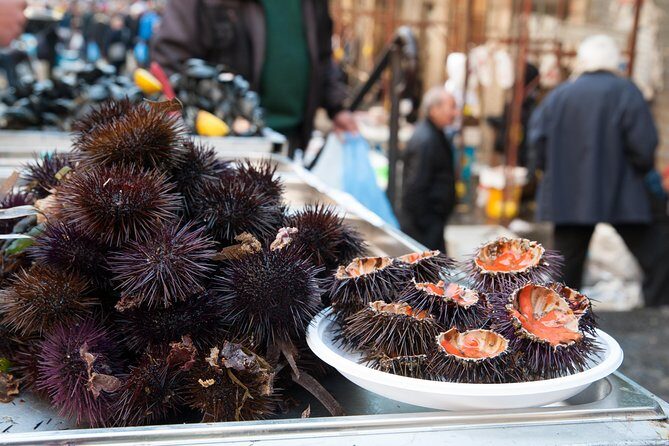
- Private market walk in Catania, focused on the ingredients behind local dishes
- Cook-from-scratch 3-course meal, made end-to-end with your host
- Local wine pairing with your meal (red and white)
- A private setting at the host’s home, so the pace and attention are more flexible than group classes
- Real-world value check: reviews are mixed on menu creativity and home conditions, so set expectations clearly
Market Tour With a Mission: What You Buy Changes What You Cook
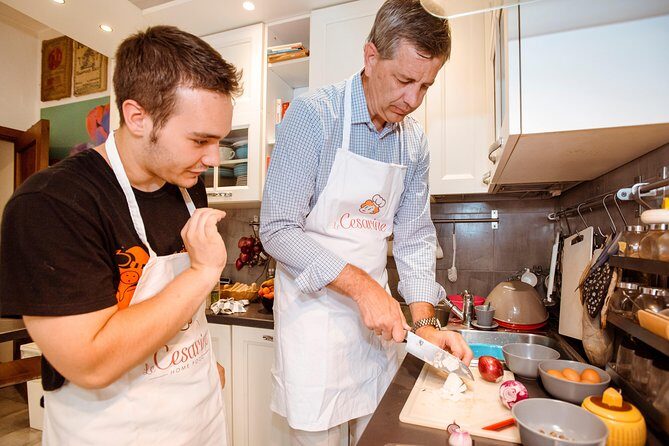
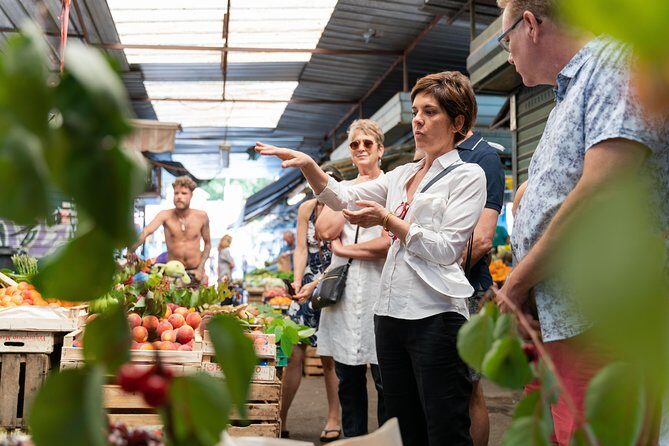
This experience starts in Catania around 10:00am and runs about 4 hours 30 minutes, which is enough time to do more than a quick photo stop. The point of the market and food shops isn’t sightseeing for sightseeing’s sake. It’s ingredient sourcing tied directly to the Sicilian dishes you’ll cook later.
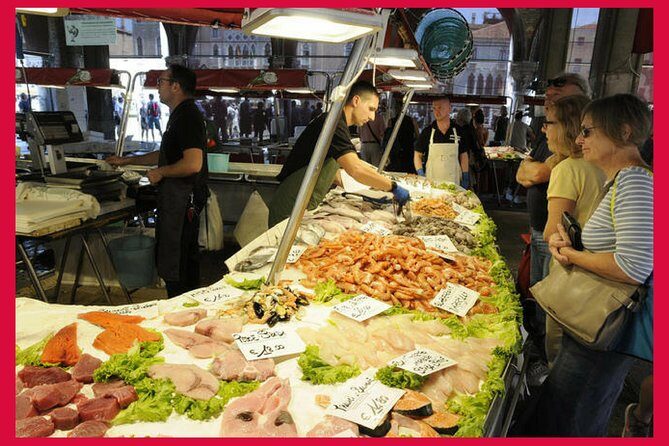
You’ll walk with your guide through local shops, where the “why” matters as much as the “what.” In Sicily, flavor often comes from simple ingredients treated well: the right tomatoes, good olive oil, the right herbs, and cheeses or cured items used at the moment they make sense. A market tour like this gives you that context, so the cooking class feels grounded instead of generic.
If you’re someone who loves food details, you’ll probably enjoy the way the guide links an ingredient to a technique. Even small choices—how something is cut, how long it’s cooked, whether it’s finished with a certain herb or cheese—can change the end result. That’s the real value of doing the market stop first.
Other Catania cooking classes we've reviewed in Catania
A Private Home Kitchen in Catania: Better Service, Different Standards
After the market portion, you head to your host’s home for the cooking class and the meal. This is one of the big differences versus a cooking school kitchen: it’s private, so you’re not squeezed around strangers or rushed through the steps.
That said, a private home setup also means standards can be uneven. In one negative review, the home environment was described as having wet-dog odor and stale smoke. That’s the kind of thing that can ruin a good day, no matter how great the recipes are.
So here’s the practical approach: treat the class as a culinary experience, but don’t assume the kitchen experience will match what you might expect from a high-end venue. If odors or cleaning standards matter to you, it’s smart to ask the host what the kitchen environment is like before you arrive—or at least pay close attention when you get there.
The 3-Course Cooking Class: From Ingredients to Finished Plates
The core promise is simple: you prepare a 3-course meal from start to finish with your host. That typically means you’ll get active work time, not just a handful of “stir and taste” moments. You’re learning the tricks behind the most famous dishes of Catania cuisine, and you’re meant to sit down and eat what you make.
Based on feedback, the menu can land in slightly different directions. One person reported making two pastas plus bruschetta, which is hands-on and classic, but not necessarily what they wanted in terms of creativity. Another theme you might see is that the dishes can lean toward the most familiar Sicilian comfort foods, which is great if you want fundamentals, but it can feel less exciting if you’re chasing something super specialized.
The market tour sets the tone, and then the cooking part translates it into action:
- You start with shopping knowledge: what each ingredient is and why it matters.
- You cook with that knowledge in real time: technique, seasoning, timing.
- You finish with a meal that’s part of the experience, not an add-on.
Also keep this in mind: even when recipes sound similar on paper, the actual outcome can vary based on what’s available in the shops that day and what the host wants to emphasize. That can be a feature—flexibility toward real local ingredients—or a drawback if you booked expecting a specific style of dish.
What the Guide Teaches (and Why It’s More Than a Recipe Sheet)
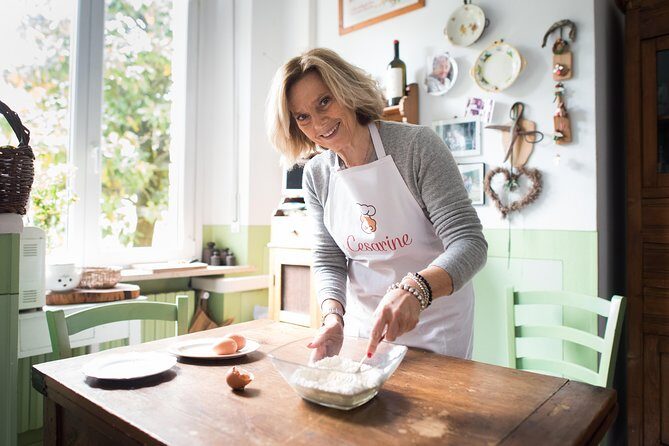
A good Sicilian cooking class should teach you small decisions you can repeat later at home. This one is designed around that idea, with your guide walking you through ingredients at the start and then cooking with you at the end.
You’ll likely learn technique-focused tips rather than only memorizing a list of steps. For example, the market portion encourages you to understand ingredient roles. Then the cooking portion turns those roles into results—texture, flavor balance, and finishing touches that make the dishes feel authentically Sicilian rather than merely Italian-American friendly.
Because it’s private, you also have a better chance to ask questions in the moment. If something seems off—too salty, too thick, not enough acidity—you can get direction while you’re still in the process. That’s hard to do in a big group setting where one instructor is managing multiple stations.
Wine Pairing With the Meal: Local Reds and Whites, Not Just Water
After cooking, you sit down for a 3-course meal that includes local red and white wine. This matters more than it sounds. In many Italian experiences, wine is treated as a token. Here, the pairing is part of the event flow, meaning the meal isn’t just “eat your food and go.”
In practice, pairing local wines with the dishes helps you understand how Sicilian flavors want to be balanced. Red wine can support richer elements, and white wine can hold up against lighter, herb-forward flavors. You’re not learning it from a textbook—you’re experiencing it at the table with your own food in front of you.
This is also where the private structure pays off. You’re not waiting while other people take forever to finish. The pace tends to feel more like a shared meal at home, guided by someone who knows the menu and the timing.
Other shopping tours in Catania


Price and Value: What $218.79 Buys You in Catania
At $218.79 per person for a private class lasting about 4 hours 30 minutes, you’re paying for more than cooking. You’re paying for:
- a guided market walk,
- a private host experience,
- ingredient sourcing time,
- hands-on instruction,
- a sit-down 3-course meal,
- and local red and white wine.
Is it cheap? No. But it can be good value if you want an experience that’s both practical and memorable. The real “buy” here is personalization. Private cooking classes save you from common frustrations: you don’t have to translate a crowd’s pace into your own; you can ask questions; and you eat what you make with no awkward handoff to a different part of the day.
It’s also worth noting that it’s booked about 103 days in advance on average. That suggests it’s a popular option for people who want a planned culinary block rather than wandering until they find something.
Still, the mixed reviews are a reminder: value depends on execution. If you’re strict about home comfort or you’re expecting a very specific dish set (like fish-and-meat-focused menus), you’ll want to align expectations before you go.
Who Should Book This and Who Should Think Twice
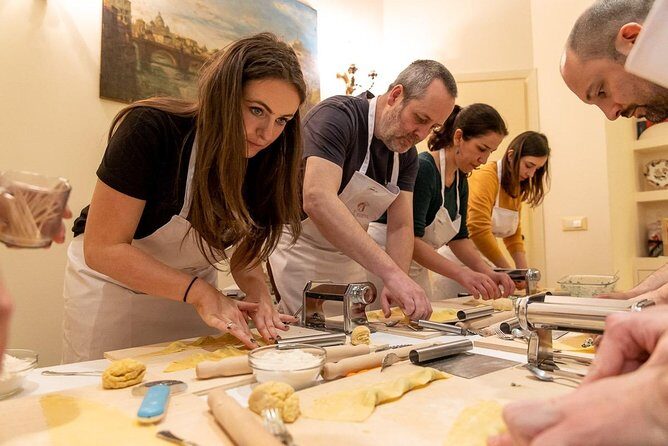
This experience fits best if you want a hands-on Sicilian food day without the hassle of planning menus, shopping for ingredients, and timing a multi-course cooking effort yourself.
You’ll likely enjoy it if:
- you like learning through doing, not watching,
- you want the market ingredient story tied to the cooking,
- you enjoy classic Sicilian dishes (pasta and starters like bruschetta are very plausible),
- and you’re okay with a home-kitchen setting rather than a polished studio.
You should think twice if:
- you’re sensitive to smell or cleanliness in shared spaces (one review raised serious concerns about odor),
- you want extreme creativity or surprise dishes beyond the basics,
- or you booked with the assumption that the day will center on fish/meat market content and specific recipes.
Practical Tips for Getting the Most From Your Sicilian Cooking Day
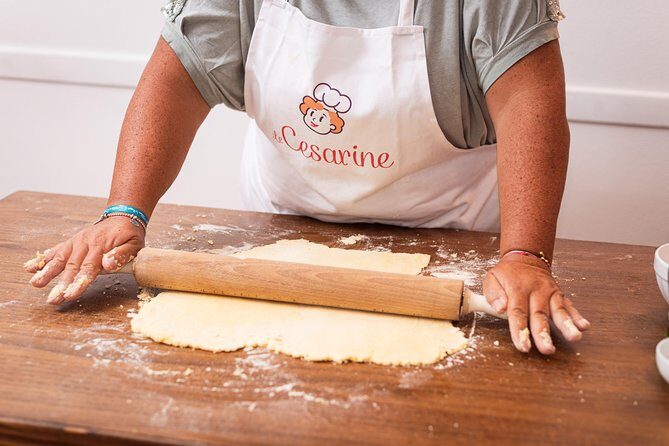
Keep your day flexible and your appetite ready. Four and a half hours with cooking plus wine plus a 3-course meal is not a light snack situation.
A few smart, practical moves:
- Arrive ready to cook. Comfortable clothes help more than you think, especially when you’re working on multiple dishes.
- Ask your host about the menu direction before you start cooking, if you can. If you care about fish-versus-vegetarian focus, say so early.
- During the market stop, pay attention to what your guide is pointing out. Those details tend to become the success factors later in the kitchen.
- Pace yourself with wine. You’ll be cooking, so keep it enjoyable, not sloppy.
Finally, remember what makes this kind of experience worth it: the market knowledge plus hands-on practice. If you keep your mindset on learning and eating, even a more classic menu can be satisfying.
Should You Book Cesarine in Catania?
I’d book this if you want a private, guided Sicilian food experience that turns shopping into cooking into a meal—without the guesswork. The core structure makes sense, and the value equation improves when you’re looking for personalization and a full 3-course outcome with local wine.
I wouldn’t book it on autopilot if you have strong expectations about the exact dishes or if home conditions are a deal-breaker. One reported experience flagged odor and a menu mismatch versus fish/meat assumptions, so it’s smart to confirm what you’ll actually be making and to go in expecting that a private home setting can be very different from a commercial kitchen.
If you’re adaptable and food-curious, this is exactly the kind of Catania day that can stick with you.
FAQ
What is included in the Catania cooking class?
You get a private market tour with your guide, then a hands-on cooking class at the host’s home where you prepare a 3-course meal. The meal is paired with local red and white wines.
How long is the experience?
The duration is about 4 hours 30 minutes.
Where does the tour take place?
It takes place in Catania, Italy, and the activity ends back at the meeting point.
What time does it start?
The start time is 10:00am.
Is this a private tour?
Yes. This is private, so only your group participates.
Do I need a printed ticket?
No. You’ll use a mobile ticket.
How close is it to public transportation?
It’s listed as near public transportation.
What is the price per person?
The price is $218.79 per person.
Is there free cancellation?
Yes. You can cancel for a full refund.
How far in advance do I need to cancel for a full refund?
You must cancel at least 24 hours before the experience’s start time for a full refund. Cancellation cut-off is based on the local time of the experience.